

Eritrea Urges Action Against Unilateral Sanctions in Geneva
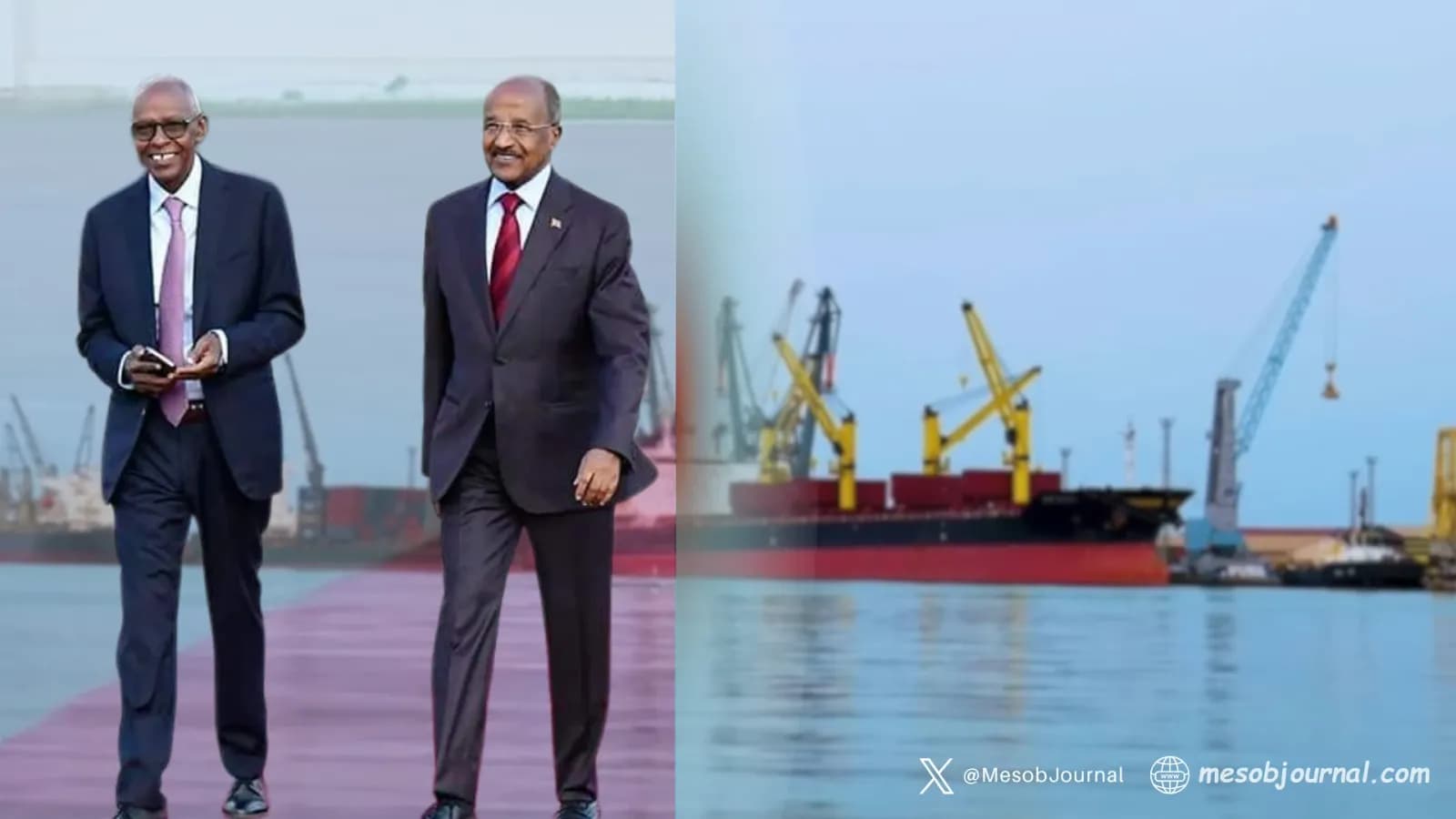
Eritrea used a high-level Geneva conference on Thursday to press a broader case against unilateral sanctions, with Foreign Minister Osman Saleh arguing that such measures are harming development, disrupting essential trade and undermining the very human rights they claim to defend.
The remarks were delivered at the Conference on Humanitarian Action, Remedy and Responsibility in the Unilateral Sanctions Environment, held on 9–10 April in Geneva under the auspices of the UN Special Rapporteur on the negative impact of unilateral coercive measures, in cooperation with the Independent Expert on foreign debt and with support from the Group of Friends of the Charter of the United Nations. The event’s stated focus includes over-compliance, humanitarian access, remedies, accountability and the role of financial institutions.
In his statement, Mr. Osman said Eritrea’s experience with sanctions has stretched across nearly two decades, beginning with UN Security Council measures imposed from 2009 to 2018 and continuing, in his view, through an expanding web of unilateral restrictions and financial barriers. He argued that even where sanctions are not formally comprehensive, banks, suppliers and compliance systems often create far harsher real-world effects through delay, denial and excessive scrutiny.
At the center of Eritrea’s argument was the question of over-compliance. Mr. Osman said humanitarian exemptions often exist on paper but fail in practice because financial institutions fear secondary sanctions, regulatory penalties and reputational risk. The result, he said, is that transactions that may be legally permissible become practically impossible.
That point closely tracks the conference’s own framing. The official concept note says the gathering was convened amid growing concern over the expanding use of unilateral sanctions, their enforcement through secondary sanctions, and widespread over-compliance by both state and private actors. It also states that the conference is examining how such measures affect humanitarian response, critical infrastructure and the right to development.
Mr. Osman told delegates that the effects are visible across several sectors in Eritrea. He cited impediments in the health sector, where access to medicines, diagnostic equipment and essential technologies can be disrupted, as well as in agriculture, where financing and logistical constraints affect inputs, machinery and food security. He also pointed to infrastructure sectors including water, energy and transport, arguing that procurement and financing obstacles are imposing structural limits on development.
The broader legal and political thrust of the speech was equally clear. Eritrea called for renewed emphasis on the UN Charter, arguing that measures with sweeping humanitarian consequences should rest on multilateral legitimacy and collective accountability rather than unilateral discretion. It also called for protected humanitarian financial channels, safe-harbor provisions and enforceable frameworks of responsibility that would apply not only to states but also to private actors involved in sanctions implementation.
That language sits within a wider UN debate. The conference concept note cites Human Rights Council resolution 58/4 (2025), which expressed concern that unilateral coercive measures can impede humanitarian assistance and asked the Special Rapporteur to continue work on proposals addressing human rights impacts, secondary sanctions and over-compliance. The conference agenda also explicitly includes responsibility for internationally wrongful acts and human rights violations in sanctions environments, alongside the responsibility of financial institutions.
For Eritrea, the speech was not only a legal intervention but a political one. It sought to shift the debate away from the official language often used to justify sanctions and toward their operational consequences: blocked payments, supplier hesitation, financial isolation and delayed access to essential goods. In that sense, Eritrea’s message in Geneva was straightforward: sanctions cannot be defended as humane policy instruments if, in practice, they choke development and obstruct basic civilian needs.
The Geneva conference continues through Friday with sessions involving humanitarian actors, academics and legal professionals. According to the organizers, the discussions are expected to feed into draft guiding principles on humanitarian action, remedy and responsibility in sanctions environments.
Related stories

How Eritrean Women Are Driving Food Security From the Ground Up
There are development slogans, and then there is the harder thing: the daily work that keeps families fed, markets supplied, and communities standing on their own feet. In Eritrea, that work is often being carried by women whose contribution is discussed too little outside the co

Eritrea’s Football Fight: Talent, Pressure, and Resolve
For Eritrean football, the challenge isn’t only on the pitch. It’s unfolding in hotel corridors, in transit halls, and in the quiet calculations young players are forced to make about their future. The Eritrean National Football Federation is navigating a familiar pattern - one t
Why Eritrea Matters Again to the European Union
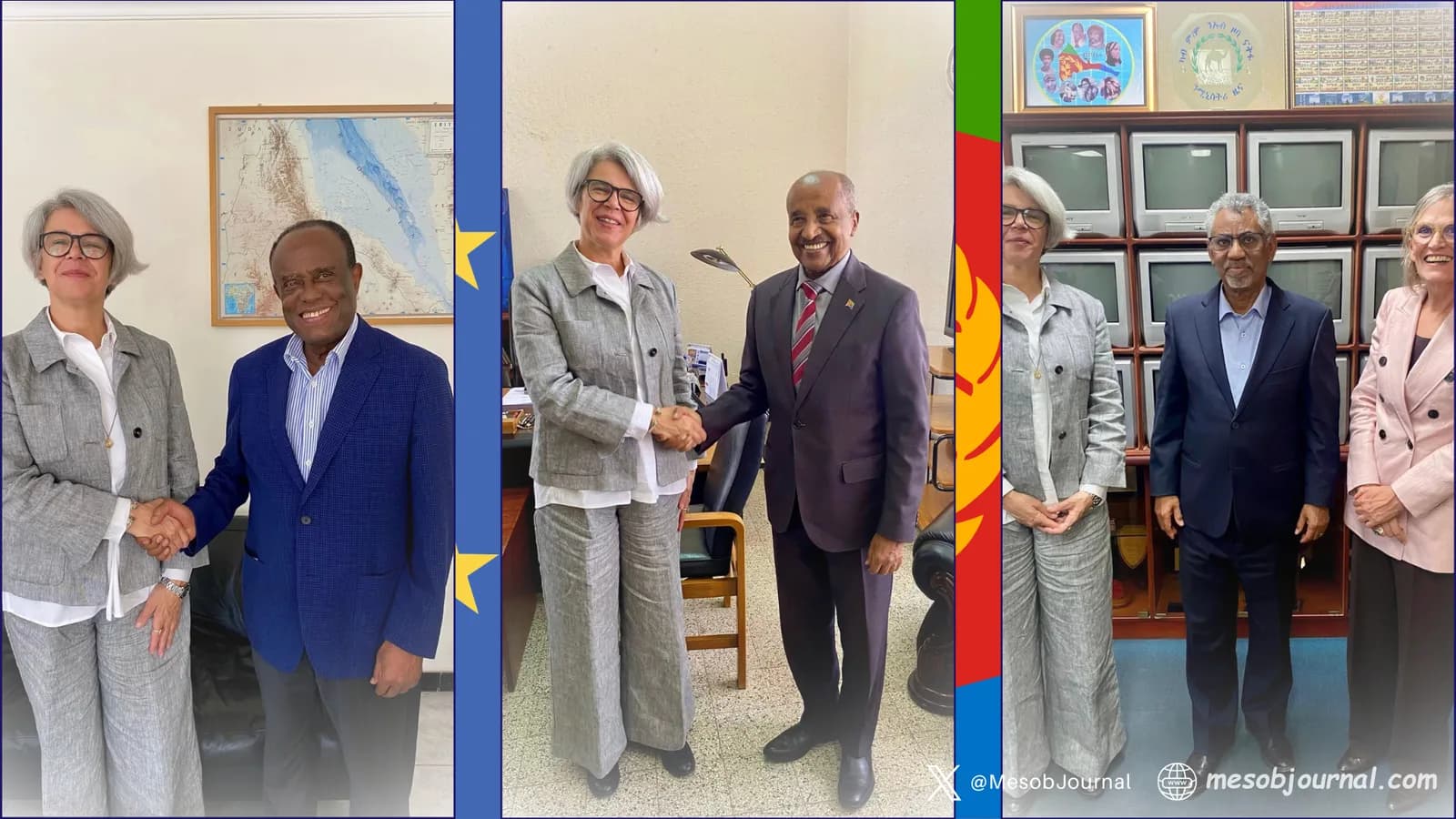
Brussels is not undergoing a moral conversion. It is responding to a harsher strategic map in the Horn of Africa and the Red Sea. Annette Weber, the European Union’s Special Representative for the Horn of Africa, was in Asmara this week, and the visit matters less for any dramati
AU appoints Kikwete as Horn of Africa, Red Sea envoy
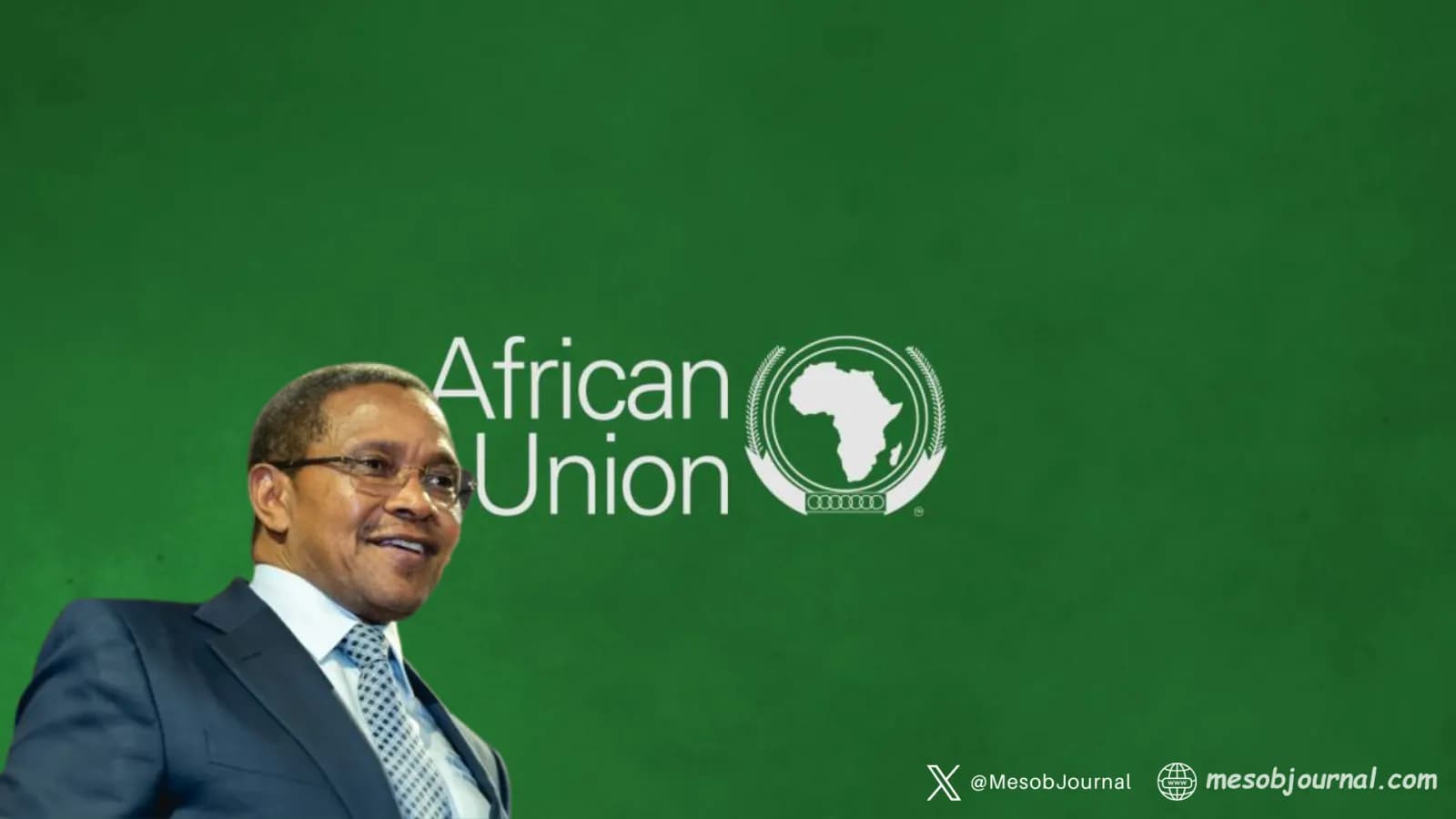
The African Union Commission has appointed former Tanzanian president Jakaya Mrisho Kikwete as the AU High Representative for the Horn of Africa and the Red Sea, placing a veteran East African statesman at the center of one of the continent’s most sensitive geopolitical files. Th