

Eritrea MFA Issues Sweeping Rebuttal to Ethiopia’s “Recycled Ambitions” on the Red Sea
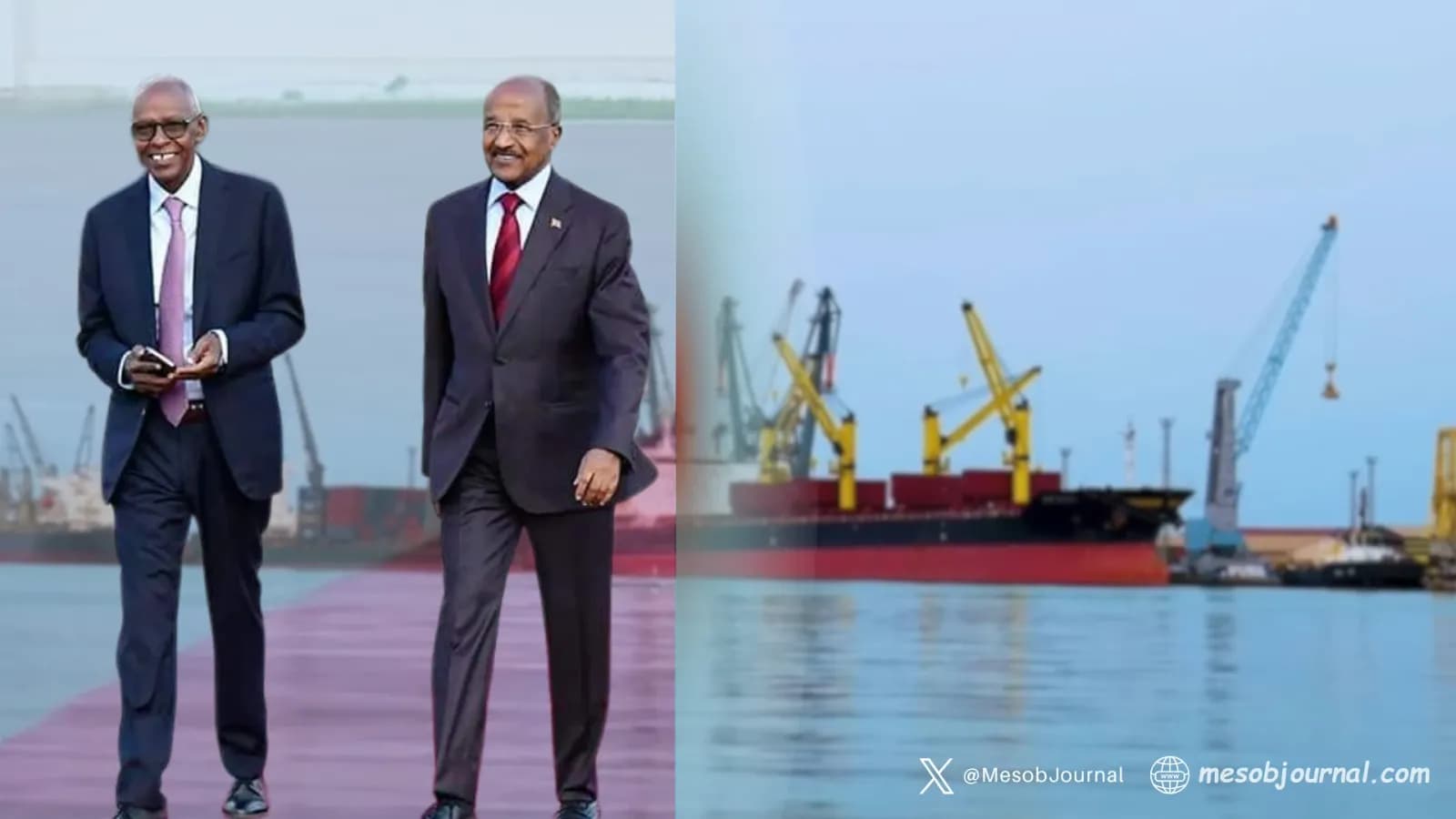
Eritrea’s Ministry of Foreign Affairs on Nov. 23, 2025 has issued one of its most comprehensive and forceful rebukes to date of Ethiopia’s ongoing campaign for “sovereign access” to the Red Sea, accusing Addis Ababa of reviving old expansionist doctrines under new language and attempting to launder historic ambitions into regional obligation.
Released by the Ministry’s Research and Information Department, the statement dismantles the latest wave of Ethiopian speeches, articles and coordinated commentaries—what it describes as a “theatrical stand-up performance” by Ethiopia’s political establishment. According to the Ministry, the rhetoric reflects not confidence but a “profound crisis of narrative,” as Addis Ababa struggles to reconcile long-held maritime fantasies with settled international law.
At the heart of Eritrea’s response is a blunt legal argument: Ethiopia’s appeals to security, kinship, regional stability, economic necessity or demographic size do not override the core principles of sovereignty, territorial integrity, and the final and binding rulings of the Eritrea–Ethiopia Boundary Commission. The MFA warns that attempts to reframe conditional transit rights as sovereign entitlement—particularly claims of deploying Ethiopian security forces to the Red Sea—are “legally untenable” and represent a direct challenge to Eritrea’s sovereign prerogatives.
The statement also accuses Ethiopian officials of selectively omitting foundational facts. Among them: Eritrea’s internationally recognized borders; Ethiopia’s 18-year occupation of sovereign Eritrean territory; its role in driving nine years of UN sanctions; and its record of repackaging security anxieties to justify extraterritorial aims. The Ministry argues that the Prosperity Party’s narrative today mirrors Ethiopia’s historic pattern—from Haile Selassie’s federation-era rhetoric to post-1998 expansionism—using cultural affinity or “Afar kinship” as political tools to dilute Eritrea’s maritime sovereignty.
The MFA’s critique directly targets recent remarks by Ethiopia’s Foreign Minister Gedion Timothewos, Ambassador Biruk Mekonnen, and senior diplomat Zerihun Abebe. It characterizes their statements as a blend of selective memory, political nostalgia, and strategic omission designed to naturalize a claim Ethiopia has never lawfully possessed. Assertions that Eritrea was “deliberately created” to block Ethiopia’s sea access are dismissed as historical revisionism. So too are claims that Addis Ababa stands for non-interference and regional partnership, which the statement juxtaposes against Ethiopia’s repeated interventions, sanction lobbying, and what it calls a decades-long smear campaign.
The Ministry further warns that Ethiopia’s efforts to dress expansionist aspirations in the language of “regional necessity” or “shared security” pose a dangerous precedent for the Horn of Africa, as they attempt to transform a strictly bilateral matter into a collective obligation. Eritrea, it stresses, welcomes genuine regional cooperation, but rejects any reinterpretation of international law that would place its coastline under Ethiopian oversight.
In its closing sections, the MFA draws a sharp contrast between what it describes as the Prosperity Party’s failed “Medemer” project—responsible for war, displacement, and national fragmentation—and Eritrea’s Nakfa principles of self-reliance, discipline, and sovereignty. Ethiopia’s mockery of Nakfa as a “syndrome,” it argues, reflects discomfort with a neighbor whose cohesion and stability undermine Addis Ababa’s narratives of inevitability.
The statement concludes with a clear message: Eritrea’s sovereign rights over its coast are inviolable, and no amount of rhetorical reinvention, demographic pressure, or historical reinterpretation will alter the legal and political realities that have governed the region for decades.
Related stories

Eritrea’s Ports Are Not a Prize for Propaganda
Economic language is being used to normalize a far more dangerous idea: that sovereign Eritrean ports can be folded into Ethiopia’s national future as if law, borders and regional peace do not matter. The latest wave of Ethiopian regime-aligned messaging about the Red Sea follows

Ethiopia: Tigray’s Urgent Warning Exposes Abiy’s War Path
As Ethiopia moves into its 2026 election cycle, Tigrayan political actors say siege conditions are tightening again and federal force deployments are pointing toward renewed war. The most serious signal right now is not coming from Addis Ababa’s talking points. It is coming from

Examining Sanctions Regime and the Systemic Adversity Applied on Eritrea’s Sovereignty: A Contextual Imperative
The discourses surrounding Eritrea, particularly in mainstream policy and media circles, have too often been stripped of essential context, resulting in a diagnostic failure. To address the symptoms, be it concerns over national service or civil liberties, without a rigorous audi
RFI’s Eritrea–Ethiopia Piece Launders a Claim International Law Rejects
RFI’s February 22 piece tries to sound like a careful warning about a "widening rift" between Ethiopia and Eritrea. But the most consequential thing it does is much simpler: it normalizes an unlawful premise by handing it to a credentialed authority. That authority is Clionadh Ra