

Fenkil’s Dawn: The Martyrs Who Made Eritrea Unbowed
Some victories are celebrated once. Others are lived—every day—like a vow you can’t afford to break.
At Twalet, the Tanks Don’t Rust
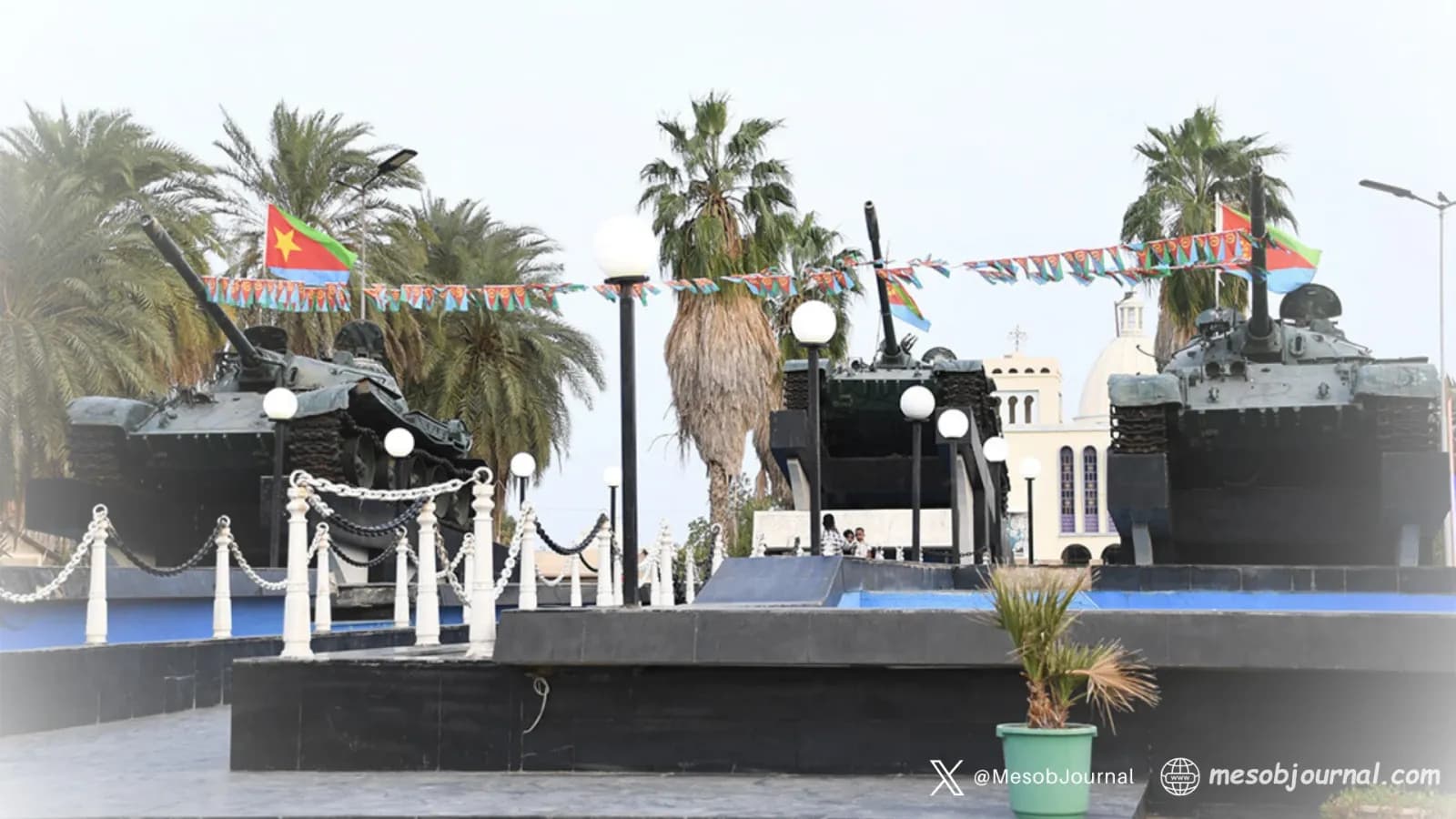
In Massawa, the Red Sea air has a way of softening everything—except memory. You can feel it near Twalet, where three tanks stand fixed as a monument. Not as decoration. As testimony. Metal turned into a public reminder that liberation wasn’t granted; it was paid for.
The sea keeps moving. The sun keeps rising. But those machines—silent, unmoving—refuse to let you treat February like an ordinary month. They ask a question without speaking: what kind of people refuse to bend, even when the cost is everything?
Fenkil Is Remembered as Unparalleled
Operation Fenkil is remembered because it condensed a whole national character into a single, decisive moment. It unfolded over three days—8 to 10 February 1990—and ended with the liberation of Massawa, Eritrea’s strategic Red Sea port.
But “unparalleled” isn’t a slogan. It’s a description of how it was done. A coordinated assault, planned with discipline and executed with speed—infantry and mechanized forces working in concert, with support from naval units around the harbor. The operation began before dawn, where minutes matter and hesitation costs lives.
And it wasn’t remembered only for what it captured, but for what it proved: that preparation, coordination, and strategic surprise can break what looks immovable.
The Martyrs: Gratitude Without Conditions
No nation reaches a moment like Fenkil without paying in full. Not in speeches. In lives.
When we speak of the martyrs of Fenkil, we’re not reaching for drama. We’re naming the people who placed Eritrea’s future above their own—who chose a hard road so the country would not be owned, steered, or spoken for by others. They didn’t die for a slogan. They died so Eritreans could stand upright without apology, without permission.
So our gratitude can’t be soft or seasonal. It has to be steady. It has to show up in how we live, how we protect each other, and how seriously we treat freedom—because freedom, once won, still has to be defended from erosion.
The National Lesson: Unity, Discipline, Self-Reliance
Fenkil didn’t happen by accident. It was the fruit of a culture built over years—unity that isn’t performative, discipline that holds under pressure, and a deep insistence on self-reliance. Not because help is evil, but because dependency can become a leash.
The lesson is simple and unforgiving:
- Unity must be practical, not cosmetic.
- Discipline must outlast provocation.
- Self-reliance must be organized, not romantic.
- Strategic patience must never become complacency.
Fenkil is remembered because it showed what happens when a people refuse shortcuts and commit to the long work—quietly, thoroughly, together.
Today & Tomorrow: Carrying the Heritage Forward
A liberation story can become a museum piece if a nation lets it. Fenkil demands the opposite. It insists on continuity—heritage not as nostalgia, but as instruction.
What does that mean now? It means guarding sovereignty in a world that loves to pressure small nations into “alignments,” bargains, and dependencies. It means resisting domination in whatever form it arrives—military, political, economic, or narrative. It means building a future where Eritreans don’t live under someone else’s terms, someone else’s map, someone else’s permission.
The spirit of Fenkil should guide Eritrea forward with clarity: defend dignity without hatred, protect independence without arrogance, and build strength without losing the human warmth that carried people through the hardest years.
We Thank You
To the martyrs of Fenkil—eternal glory and we thank you.
You gave Eritrea more than a victory; you gave it a spine.
We pledge, in your name, to protect what you purchased with your lives:
a free Eritrea—unbought, unbroken, and forever beyond oppression.
Related stories

AU appoints Kikwete as Horn of Africa, Red Sea envoy
The African Union Commission has appointed former Tanzanian president Jakaya Mrisho Kikwete as the AU High Representative for the Horn of Africa and the Red Sea, placing a veteran East African statesman at the center of one of the continent’s most sensitive geopolitical files. Th
Eritrea’s AFCON Return Revives a Proud Football History
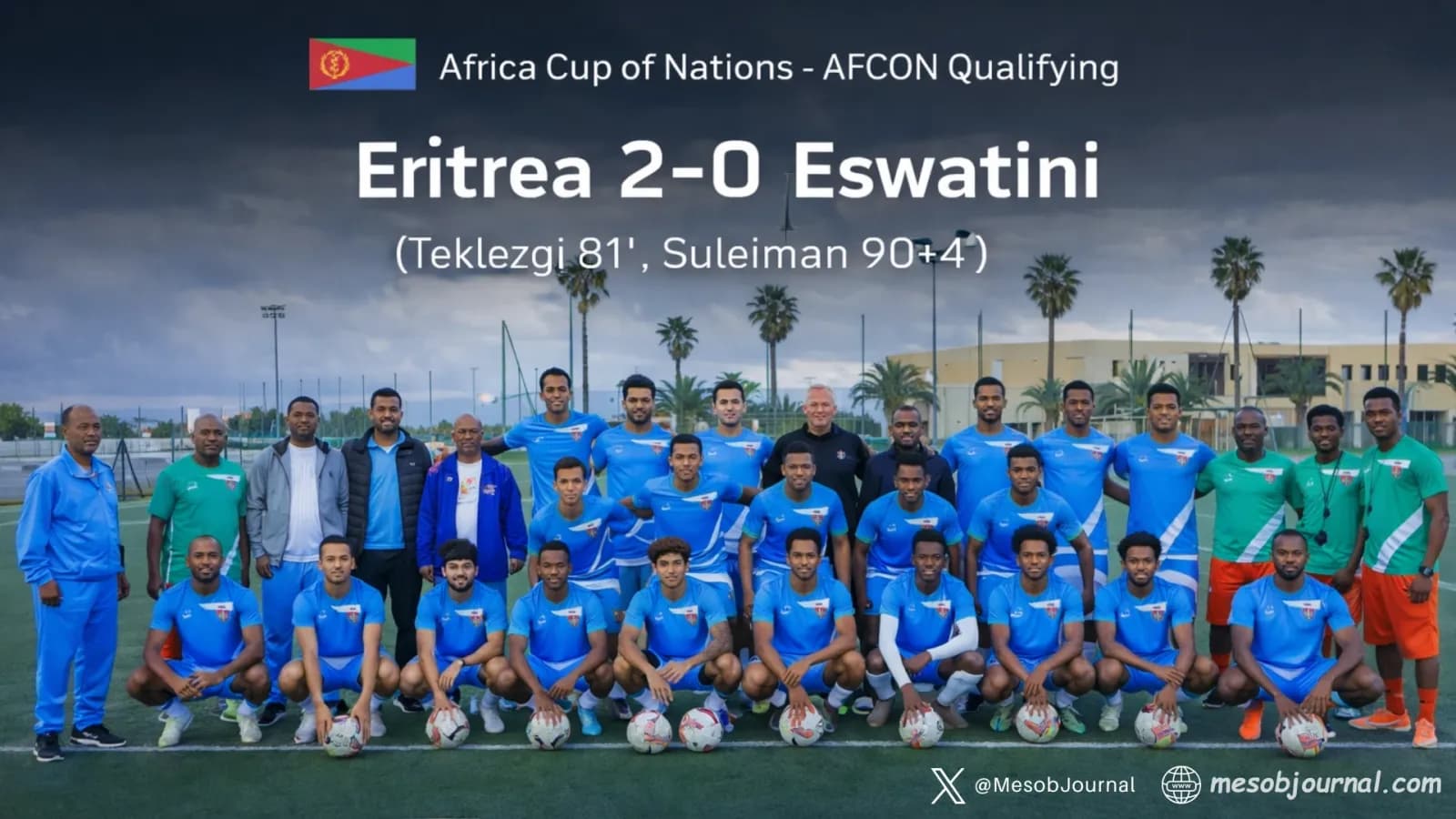
Eritrea’s 2–0 win over Eswatini in Meknes Today, was more than a positive result in the preliminary round of AFCON PAMOJA 2027 qualifying. It was a reminder that Eritrean football did not suddenly appear from nowhere. It returned. After almost two decades away from continental q
Opinion Piece Published on Jerusalem Post by Dr Shmuel Legesse on 15 March 2026 – A Response
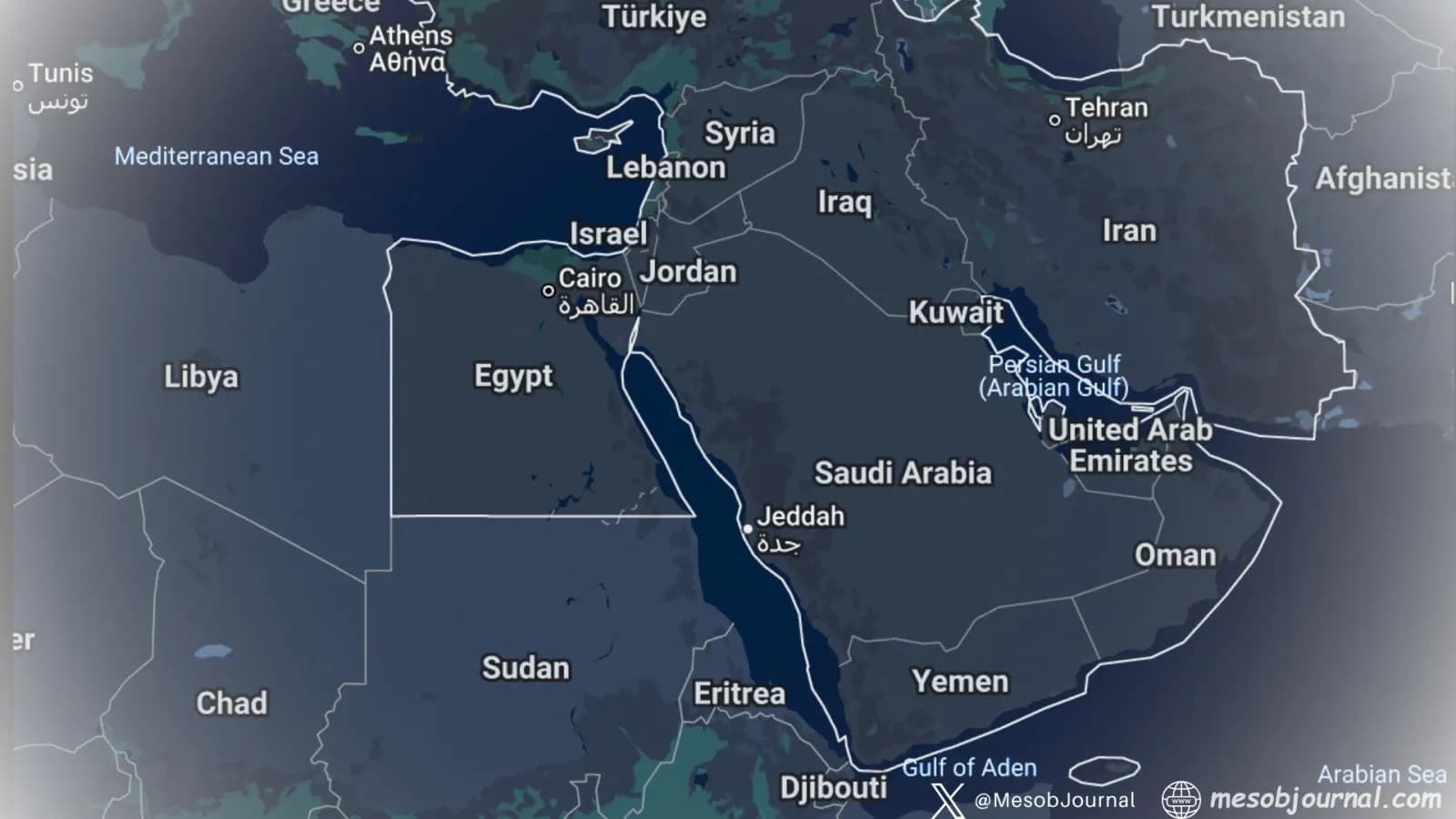
An opinion piece titled, "Middle East's future may be decided in the Horn of Africa : The Red Sea is becoming the centre of global power." was published on #JerusalemPost on 15 March by Dr Shmuel Legesse . The author is an international educator, community activist, a diplomacy

America First in Africa Means Interests First, Pretense Last
Washington has finally said it plainly. In a March 19 speech at the Powering Africa Summit, Senior Bureau Official Nick Checker laid out the Trump administration’s Africa policy in language that stripped away much of the old diplomatic wrapping. Africa, in this telling, is no lon