

Eritrea Triumphed Alone: History Can’t Be Rewritten

When history threatens the comfort of power, the truth itself becomes the target.
That is precisely what Eritrea faces today — a new wave of revisionism disguised as “analysis,” peddled by Abiy Ahmed’s Prosperity Party (PP) activists and pseudo-intellectual circles such as “Horn Review.” Their latest distortion? The absurd claim that Eritrea’s thirty-year war of liberation was foreign-sponsored.
It is not just false. It is morally repugnant.
On October 18, Eritrea’s Minister of Information, Yemane G. Meskel, dismantled this lie with the clarity of history itself. “Eritrea triumphed — alone against the mighty,” he wrote, reminding the region that the liberation struggle was not the gift of outsiders, but the result of enormous, almost unthinkable sacrifice by Eritrea’s own sons and daughters.
For three decades, Eritreans resisted not one but two global power blocs: a U.S.-backed emperor on one side, a Soviet-armed junta on the other. They endured bombings, famine, exile, and betrayal — and still prevailed. Few liberation movements in modern history fought against both sides of the Cold War and won. Eritrea did.
The Cost of Truth
Minister Yemane’s statement carried an even deeper message: Eritrea should never have had to pay such a price in the first place.
Its right to decolonization — like that of every other African nation emerging from colonial rule — was clear under international law in the 1940s. Yet powerful interests blocked that path, denying Eritreans their sovereignty for half a century.
That betrayal set the stage for decades of suffering and war — and today, the same moral blindness reappears in the Ethiopian ruling party’s propaganda machine. Rather than atone for historical crimes, they reopen old wounds by questioning Eritrea’s legitimacy and mocking its independence as a “foreign creation.”
But moral decency, as Minister Yemane put it, “demands that those who perpetrated much pain and tribulation on the people of Eritrea for decades apologize and atone — not add insult to injury by rubbing old wounds.”
Red Sea Fantasies and Historical Amnesia
Just days earlier, on October 14, Berhane G. Solomon, Eritrea’s Chargé d’Affaires in Washington, cut through the latest “Red Sea access” hysteria with similar precision:
“It must be clearly stated that Ethiopia — since its inception as a country — has never, at any point in history, possessed sovereign access to the Red Sea.”
That single sentence buried the Abiy government’s “Red Sea ambition” narrative for good.
From Menelik II’s imperial expansions to the Derg’s bloody occupation, Ethiopia’s temporary use of Eritrean ports was never sovereignty — it was occupation. The 1963 OAU principle of uti possidetis juris — the sanctity of colonial boundaries — codified this reality. The line between Eritrea and Ethiopia is not an emotional one. It is a legal and historical border recognized by international law and confirmed through war, diplomacy, and arbitration.
“Any attempt by Ethiopia’s current PP leadership to lay claim to Eritrean land or ports like Assab,” Berhane warned, “is not only historically false but an open violation of international law.”
A Settled Reality
Eritrea’s sovereignty is not an open question. It is a settled and irreversible reality.
Those who seek to reopen that chapter — whether through propaganda, revisionist narratives, or proxy wars — are not engaging in debate; they are engaging in destabilization.
Eritrea’s independence was not handed down by foreign powers. It was earned by an entire generation’s blood, intellect, and unity — “alone against the mighty,” as Minister Yemane wrote.
And that is the fundamental difference between those who build nations and those who fabricate illusions.
Related stories
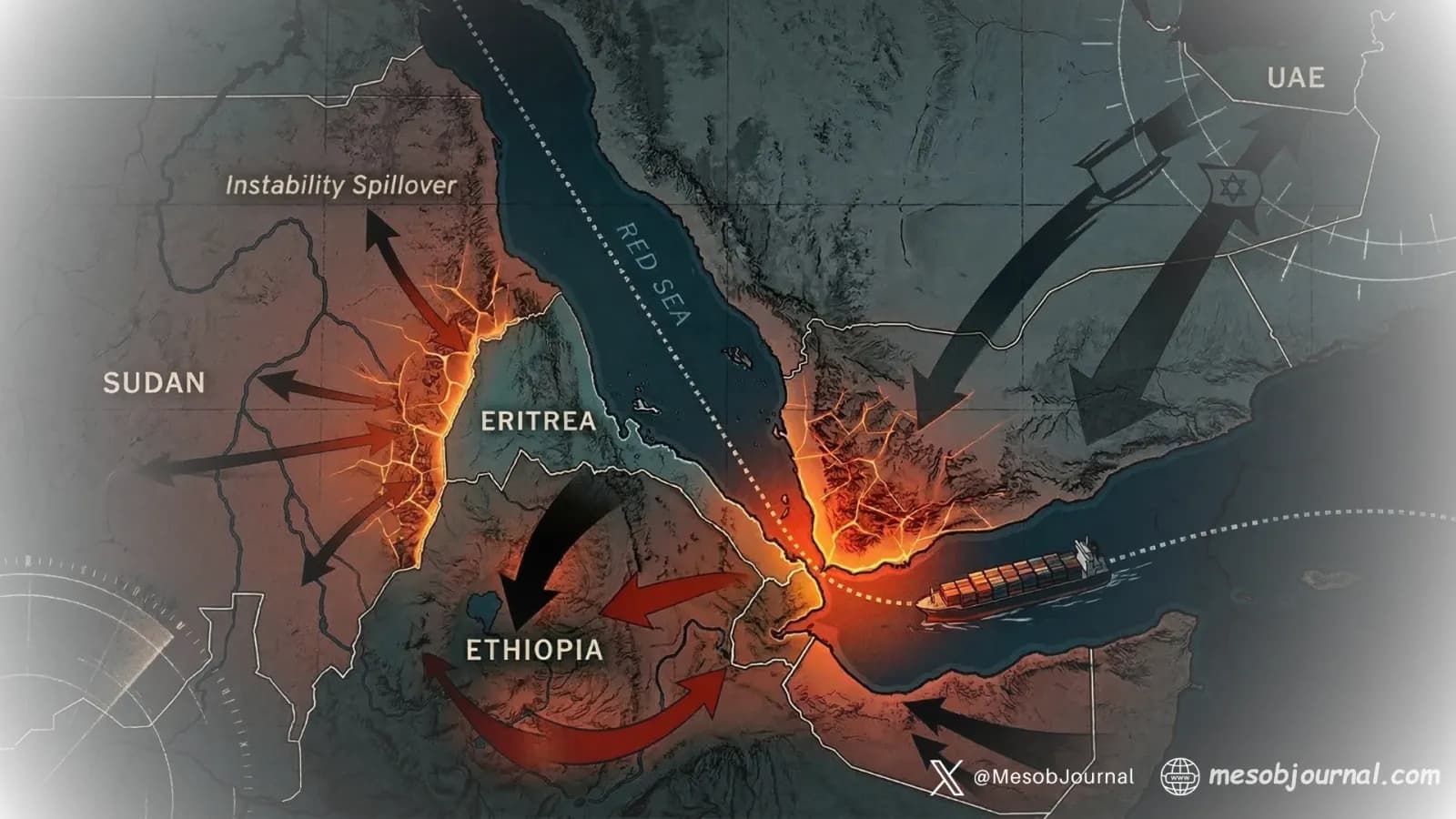
The World Cannot Afford a Second Maritime Meltdown in the Red Sea
As the Strait of Hormuz buckles under the weight of war, a reckless axis of actors—driven by Abu Dhabi and executed by its clients in Addis Ababa—threatens to turn the Horn of Africa into a global economic catastrophe. At a moment when the Strait of Hormuz is already under severe

Eritrea’s Ports Are Not a Prize for Propaganda
Economic language is being used to normalize a far more dangerous idea: that sovereign Eritrean ports can be folded into Ethiopia’s national future as if law, borders and regional peace do not matter. The latest wave of Ethiopian regime-aligned messaging about the Red Sea follows
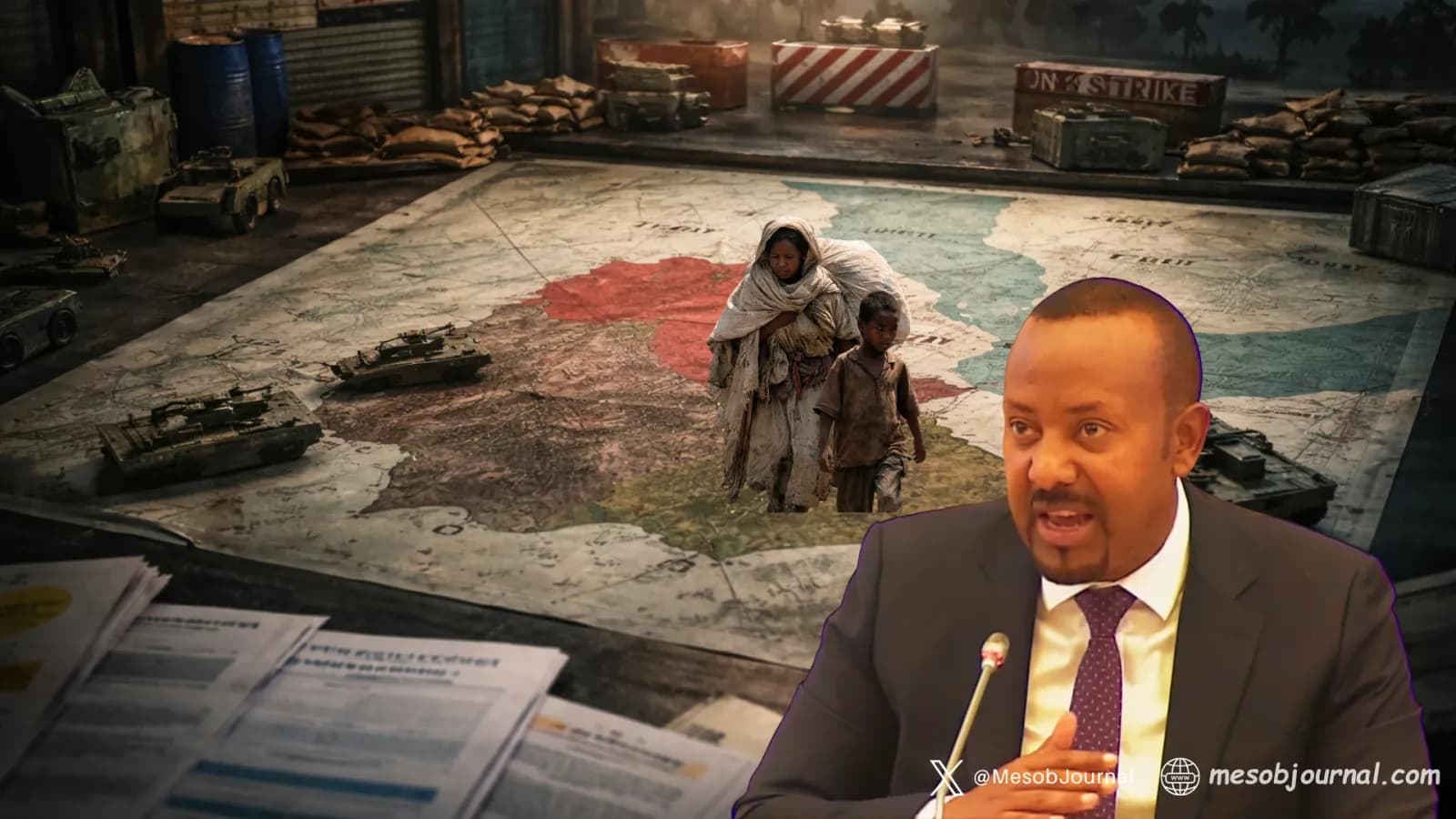
Ethiopia: Tigray’s Urgent Warning Exposes Abiy’s War Path
As Ethiopia moves into its 2026 election cycle, Tigrayan political actors say siege conditions are tightening again and federal force deployments are pointing toward renewed war. The most serious signal right now is not coming from Addis Ababa’s talking points. It is coming from

Examining Sanctions Regime and the Systemic Adversity Applied on Eritrea’s Sovereignty: A Contextual Imperative
The discourses surrounding Eritrea, particularly in mainstream policy and media circles, have too often been stripped of essential context, resulting in a diagnostic failure. To address the symptoms, be it concerns over national service or civil liberties, without a rigorous audi