

The World Cannot Afford a Second Maritime Meltdown in the Red Sea
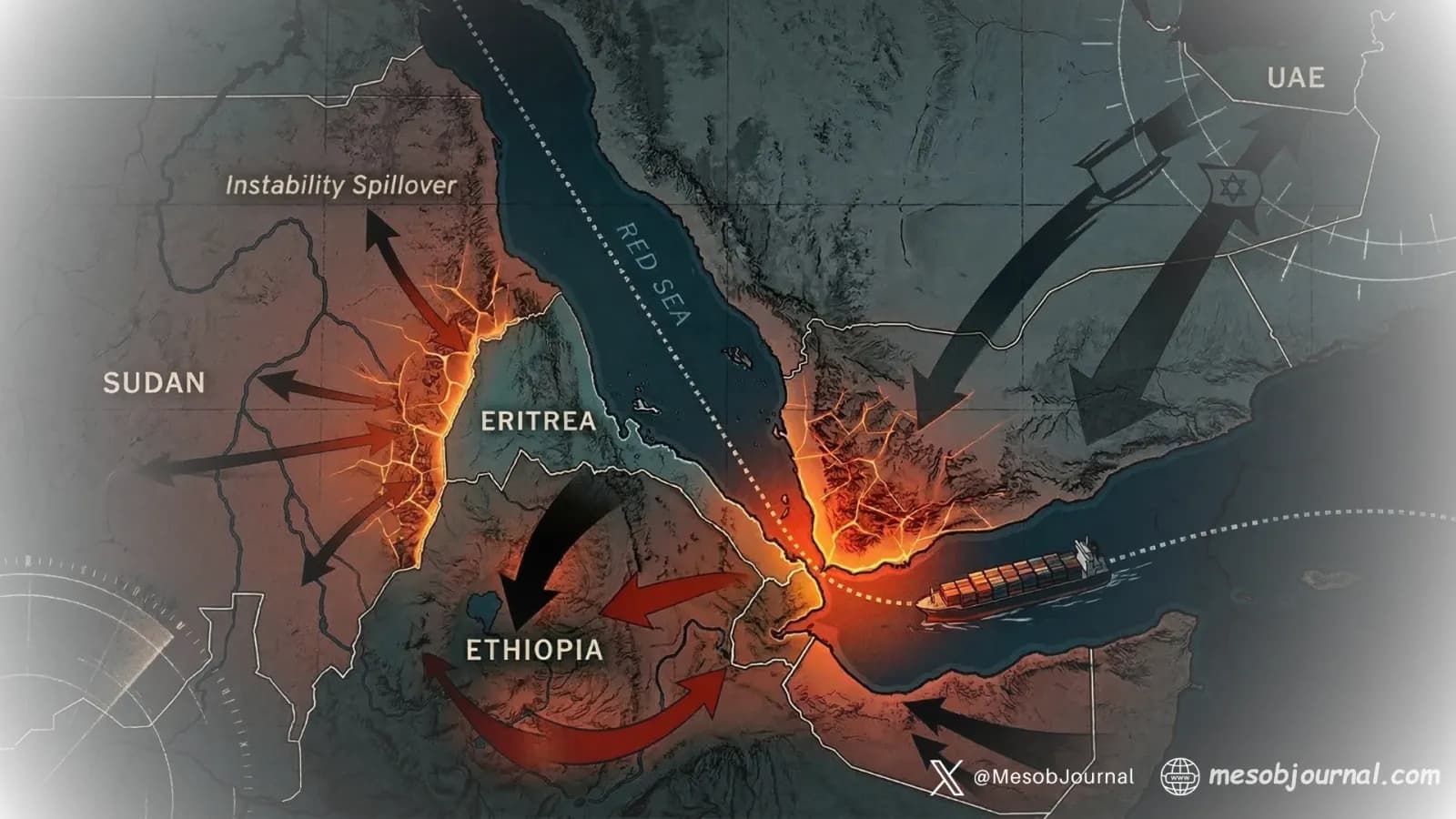
As the Strait of Hormuz buckles under the weight of war, a reckless axis of actors—driven by Abu Dhabi and executed by its clients in Addis Ababa—threatens to turn the Horn of Africa into a global economic catastrophe.
At a moment when the Strait of Hormuz is already under severe strain, the last thing the global economy can afford is a second, entirely man-made crisis across the Red Sea corridor.
Reports this week confirm that shipping through Hormuz has been severely disrupted following the U.S.-Israeli attack on Iran. Vessels have been hit, mines reportedly laid, and global energy markets jolted by the vulnerability of one of the world’s most critical maritime chokepoints—a route that normally facilitates roughly a fifth of the global oil and gas trade.
That reality alone should have forced a measure of strategic sobriety on every actor operating around the Horn of Africa. Tragically, it hasn’t. Instead, the region is being systematically pushed toward a wider breakdown, driven by a dangerous combination of imperial ambition and domestic desperation.
The Tragedy of Sudan and the UAE’s Shadow
Sudan is currently being torn apart by a devastating war that has morphed into a magnet for illegal, outside interference. Multiple diplomatic briefings and on-the-ground reports point to the sustained arming and backing of the Rapid Support Forces (RSF) by the United Arab Emirates.
Crucially, the UAE does not act alone. As Reuters reported last month, Ethiopia has hosted secret camps to train RSF fighters on its territory. This exposes a grim reality: the Ethiopian regime is increasingly functioning as a willing client state for Abu Dhabi’s regional ambitions. Sudan’s tragedy is no longer just a domestic conflict; it has been hijacked by a regional proxy contest that flagrantly violates international law and is actively destabilizing the entire western basin of the Red Sea. Anyone serious about international shipping and global trade should be deeply alarmed.
Ethiopia’s Internal Fractures and External Threats
Then there is Ethiopia. Governed by a regime utterly incapable of pacifying the multiple civil wars it has ignited within its own borders, Addis Ababa is once again generating fears of a wider regional conflagration.
Recent intelligence points to massive troop concentrations and a military buildup in northern Ethiopia. Analysts rightly warn that a renewed conflict in Tigray could easily spill outward, raising the specter of a broader confrontation with Eritrea. This danger is not abstract. For months, Prime Minister Abiy Ahmed’s government has normalized the dangerous, expansionist language of "maritime entitlement"—a blatant violation of the sovereign borders established under international law. In plain terms: a failing state facing internal collapse is attempting to externalize its crisis by threatening its neighbors.
The Eritrean Sea
This is where Eritrea, comes into focus. For more than three decades, the Eritrean Red Sea coast has been an anchor of stability. Whatever geopolitical disagreements Western powers may have had with Asmara, one fact remains unassailable: Eritrea has fiercely protected its coastline and territorial waters, ensuring it remains one of the few consistently stable strategic stretches in a neighborhood routinely fractured by war, piracy, and foreign intervention.
Opening a military front against Eritrea would not be a contained, localized event. It would not stay neatly within the borders of a map. It would instantly metastasize through global trade routes, sending insurance premiums skyrocketing, shattering security calculations, and upending regional alignments. The reckless posturing coming from Addis Ababa is not mere political rhetoric; it is a direct threat to the international maritime order.
Somalia’s Sovereignty on the Geopolitical Chessboard
The diplomatic file on Somalia paints an equally grim picture. Israel’s illegal recognition of the breakaway region of Somaliland at the end of 2025 triggered an emergency, fully justified diplomatic backlash. Somalia rightly condemned the move as an assault on its territorial integrity, and a cross-regional bloc of states rejected it as a violation of international law.
Strategic analysts understand the severe military implications of this move, given Somaliland’s location across from Yemen and adjacent to one of the world’s most sensitive waterways. External powers are treating sovereign Somali territory as a disposable geopolitical chessboard. This is a recipe for catastrophic escalation. Deepening the Somalia-Somaliland fault line risks drawing in regional rivals and provoking armed actors already active in the Red Sea arena, including the Houthis.
A Hierarchy of Global Interests
World powers must urgently reassess their hierarchy of interests. They may indulge Ethiopia as a large market, or turn a blind eye to the UAE's destructive financial influence. They may even see a short-term tactical advantage in Israeli positioning near the Bab el-Mandeb. But none of that changes the overriding reality: there is no global interest in turning the Horn of Africa into the second half of a maritime pincer crisis.
If Sudan is left to burn, if Ethiopia is permitted to indulge its delusions of regional expansion, and if Somali sovereignty is treated as expendable, the Red Sea will cease to be a corridor of global commerce. It will become a war front. When the sea lanes stop functioning, the powers currently playing geopolitical games will find that shipping companies, insurers, and consumers are completely unforgiving.
Abiy Ahmed must abandon any illusion that Eritrea can be intimidated or its sovereignty violated without setting the region ablaze. The UAE must be held accountable under international law to stop financing instability under the guise of "partnership." Israel must keep its military ambitions out of sovereign Somali territory. And Washington must make it unmistakably clear: the Red Sea is not a laboratory for reckless experimentation.
Because once Hormuz is choked and the Bab el-Mandeb is broken, the time for strategic debate will be over. We will only be left counting the cost of an entirely avoidable global disaster.
Related stories
Ethiopian Regimes and the Fabled Hyena
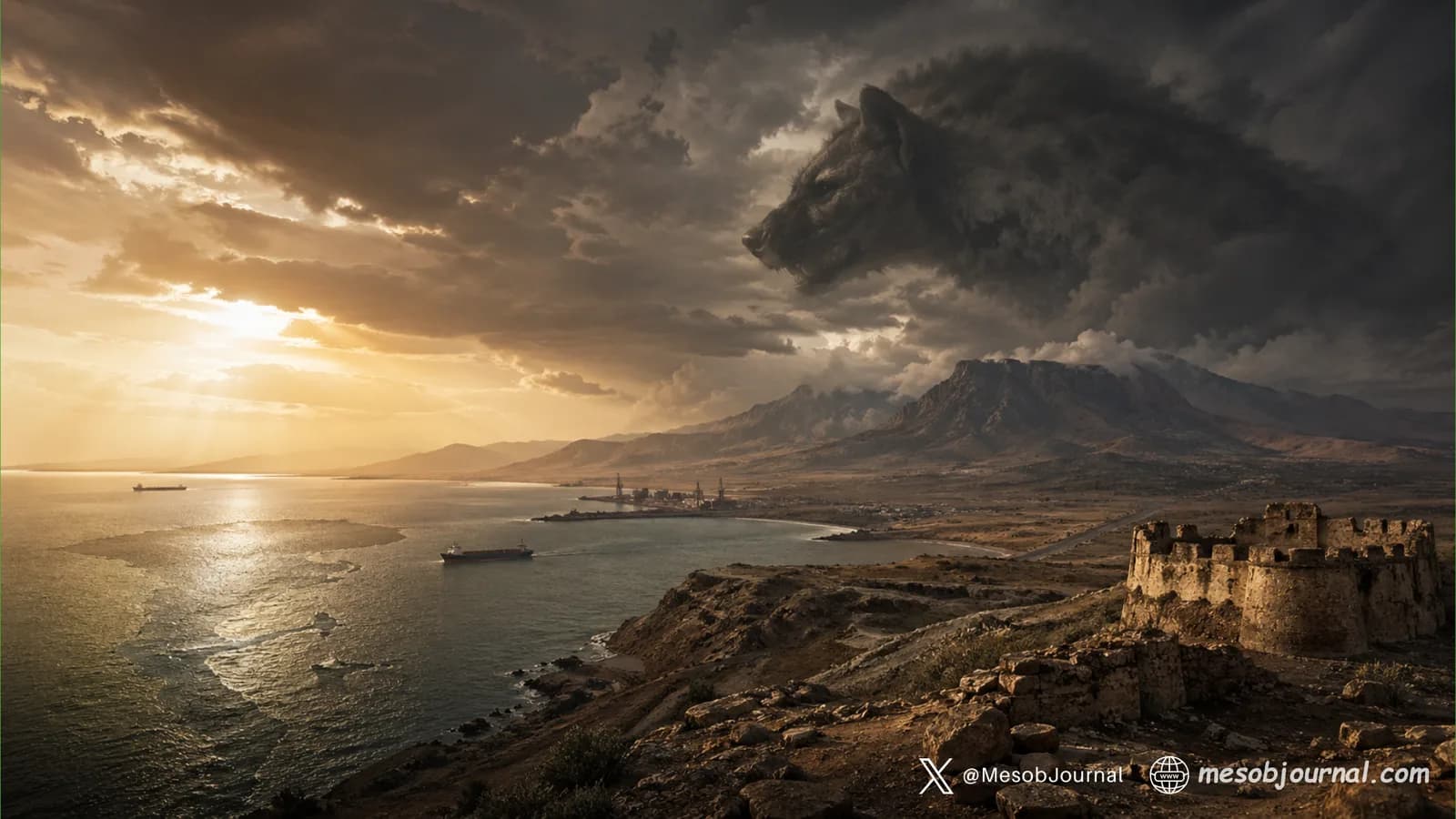
The preeminent author, historian and tegadalay Alemseged Tesfai brilliantly detailed the “consistently suicidal pursuit of successive Ethiopian regimes to own Eritrea or parts thereof” in his piece titled “March of Folly Re-enacted: A Personal View“. It was published 27 years ago
Berlin’s Sudan Conference Reeked of Colonial Tutelage
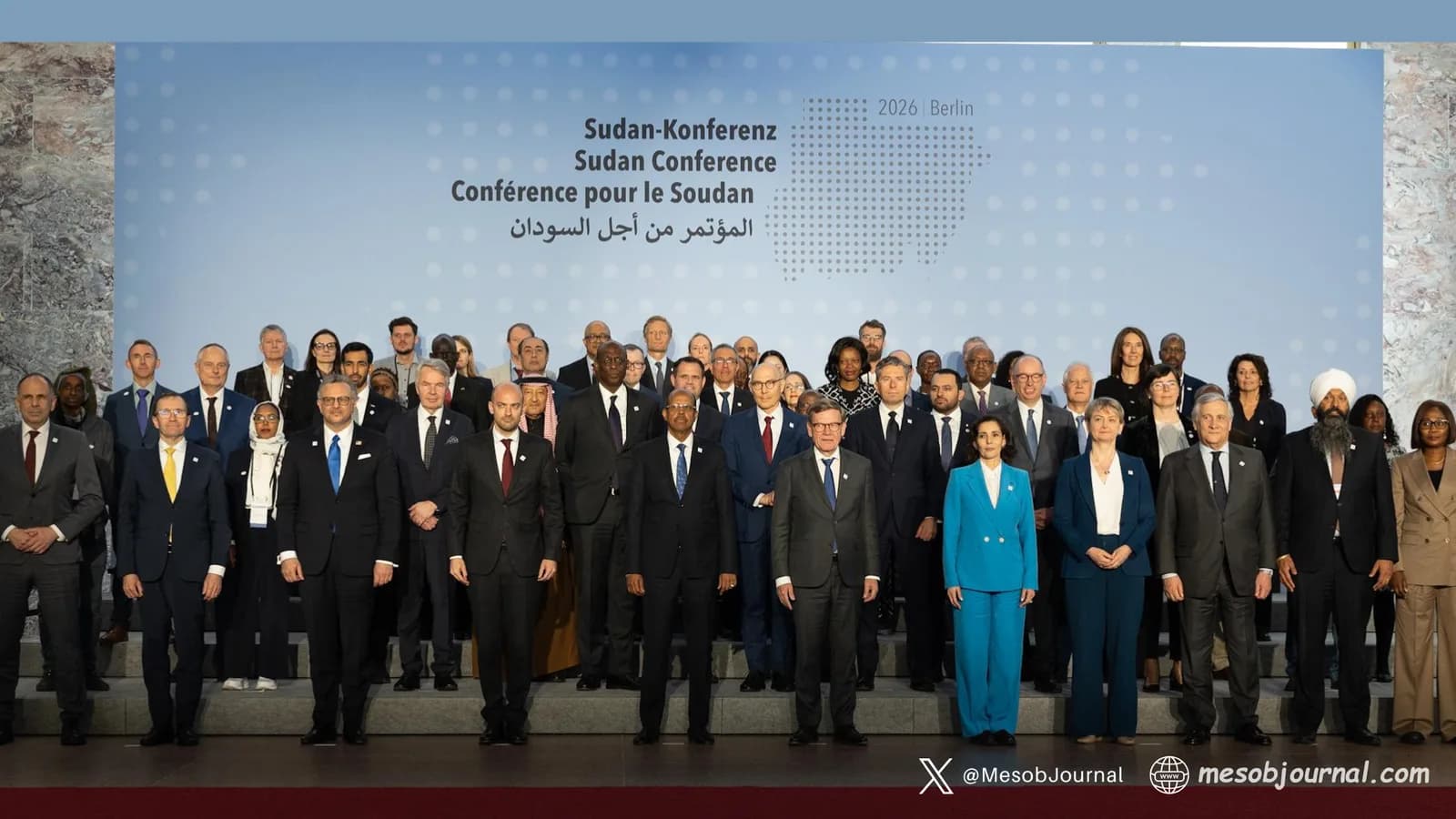
There was something deeply revealing about the Sudan conference staged in Berlin this week. It was presented as diplomacy. It was marketed as concern. It was wrapped in the language of humanitarian urgency and civilian-centered politics. But strip away the polished statements and
Opinion Piece Published on Jerusalem Post by Dr Shmuel Legesse on 15 March 2026 – A Response
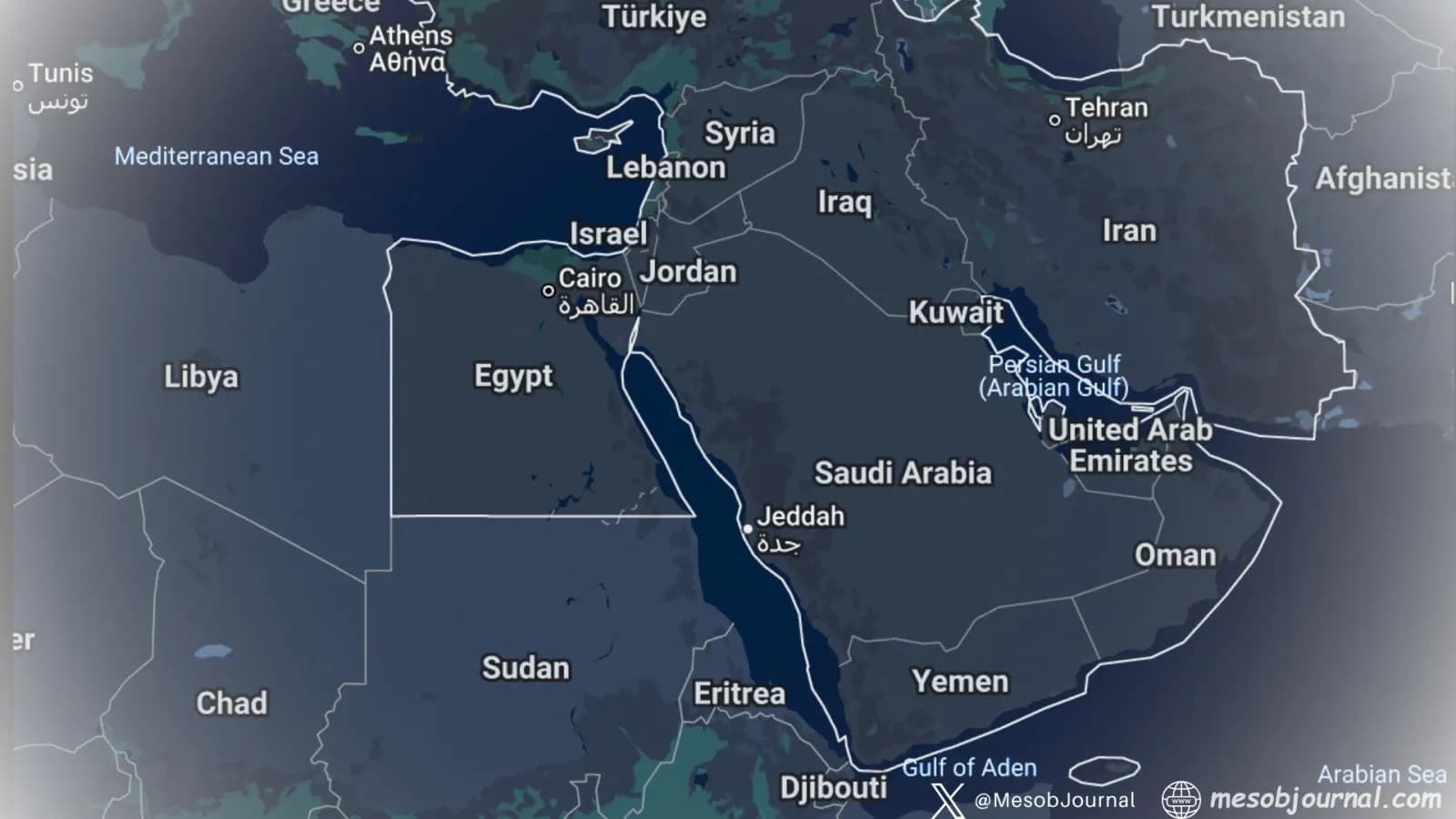
An opinion piece titled, "Middle East's future may be decided in the Horn of Africa : The Red Sea is becoming the centre of global power." was published on #JerusalemPost on 15 March by Dr Shmuel Legesse . The author is an international educator, community activist, a diplomacy

Beyond the Propaganda: Wode Maya, Eritrea, and the Reality of African Sovereignty
It happens every time. A content creator lands in Asmara, camera in hand, expecting a dystopian wasteland. They come armed with the same exhausted Western propaganda—the “North Korea of Africa” label, dutifully slapped onto a YouTube title to appease the algorithm. Recently, the