

France's Diplomatic Shift: Macron Courts Ethiopia Amid Controversies
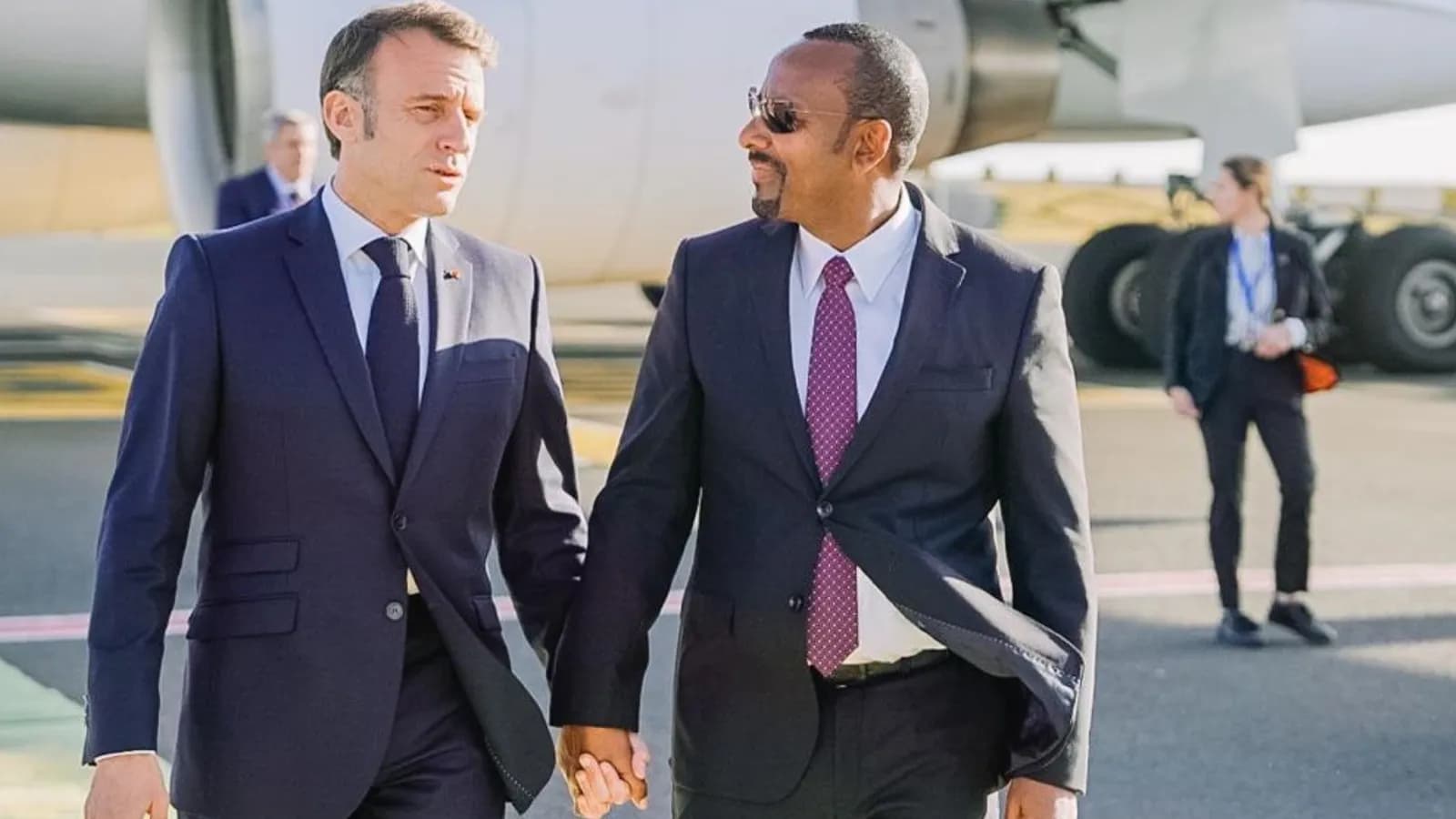
In a move that underscores France's shifting diplomatic strategy in Africa, President Emmanuel Macron arrived in Ethiopia on Saturday Dec. 21 2024 for high-profile meetings with Ethiopian Prime Minister Abiy Ahmed.
The visit follows France's recent expulsions from several West and Central African nations, marking an apparent pivot to East Africa, particularly to countries with weaker regimes. However, the visit has sparked controversy, overshadowed by criticism of Macron's silence on pressing human rights issues and the region's deepening crises.
The meeting, characterized by warm gestures and photo opportunities, focused on cultural and economic collaborations, including French support for the restoration of Ethiopia’s historical treasures like the rock-hewn churches of Lalibela and the renovation of the National Palace.
Abiy Ahmed expressed gratitude for these contributions, emphasizing the importance of strengthening bilateral ties and expanding French investments in Ethiopia.
Overlooked War and Humanitarian Crises
Despite the optimistic tone of the meeting, Macron’s visit has drawn sharp criticism for its lack of acknowledgment of Ethiopia’s ongoing humanitarian crises, particularly in the Amhara region.
Reports of drone bombings, starvation, and allegations of genocide against the Amhara people have cast a shadow over Abiy Ahmed’s leadership. Observers have noted Macron's failure to address these atrocities publicly, raising questions about France’s commitment to human rights in its foreign policy.
This omission has not gone unnoticed by Ethiopian observers and activists, who accuse both leaders of prioritizing diplomatic optics over meaningful action. Macron's focus on cultural preservation and economic reform, while significant, appeared tone-deaf to the dire humanitarian needs on the ground.
Ethiopia’s Regional Ambitions
Abiy Ahmed, meanwhile, used the occasion to bolster his image as a regional leader, referencing his government’s historic ties with France and touting Ethiopia's modernization reforms.
On social media, he described Macron as “a friend in need,” a phrase he previously used to praise Eritrea during their cooperation against the Tigray People’s Liberation Front (TPLF). However, critics argue that Abiy has a track record of turning on allies, as evidenced by his strained relations with Eritrea over access to the Red Sea.
Macron’s Vision for France-Ethiopia Relations
Macron, in his statements, highlighted Ethiopia's historical significance and reaffirmed France's support for the Pretoria Agreement, which aims to stabilize the conflict-ridden Tigray region. He also stressed shared cultural heritage and France’s confidence in Ethiopia’s future prosperity.
While Macron painted a hopeful vision of France-Ethiopia relations, the visit revealed deeper challenges. The French president’s silence on Ethiopia's human rights abuses risks undermining France’s moral authority in Africa, particularly as it seeks new partnerships in the region.
Diplomacy Amid Humanitarian Oversights
Macron's visit to Ethiopia marks a critical juncture in France’s African strategy, but it also exposes the pitfalls of prioritizing diplomatic engagement over addressing pressing humanitarian and political crises.
As Ethiopia grapples with internal turmoil and strained regional relations, the French-Ethiopian partnership will be tested by whether it can translate cultural and economic cooperation into tangible benefits for Ethiopia’s beleaguered population.
Without addressing the human cost of Ethiopia’s conflicts, the partnership risks being seen as yet another chapter of diplomatic expediency.
Related stories
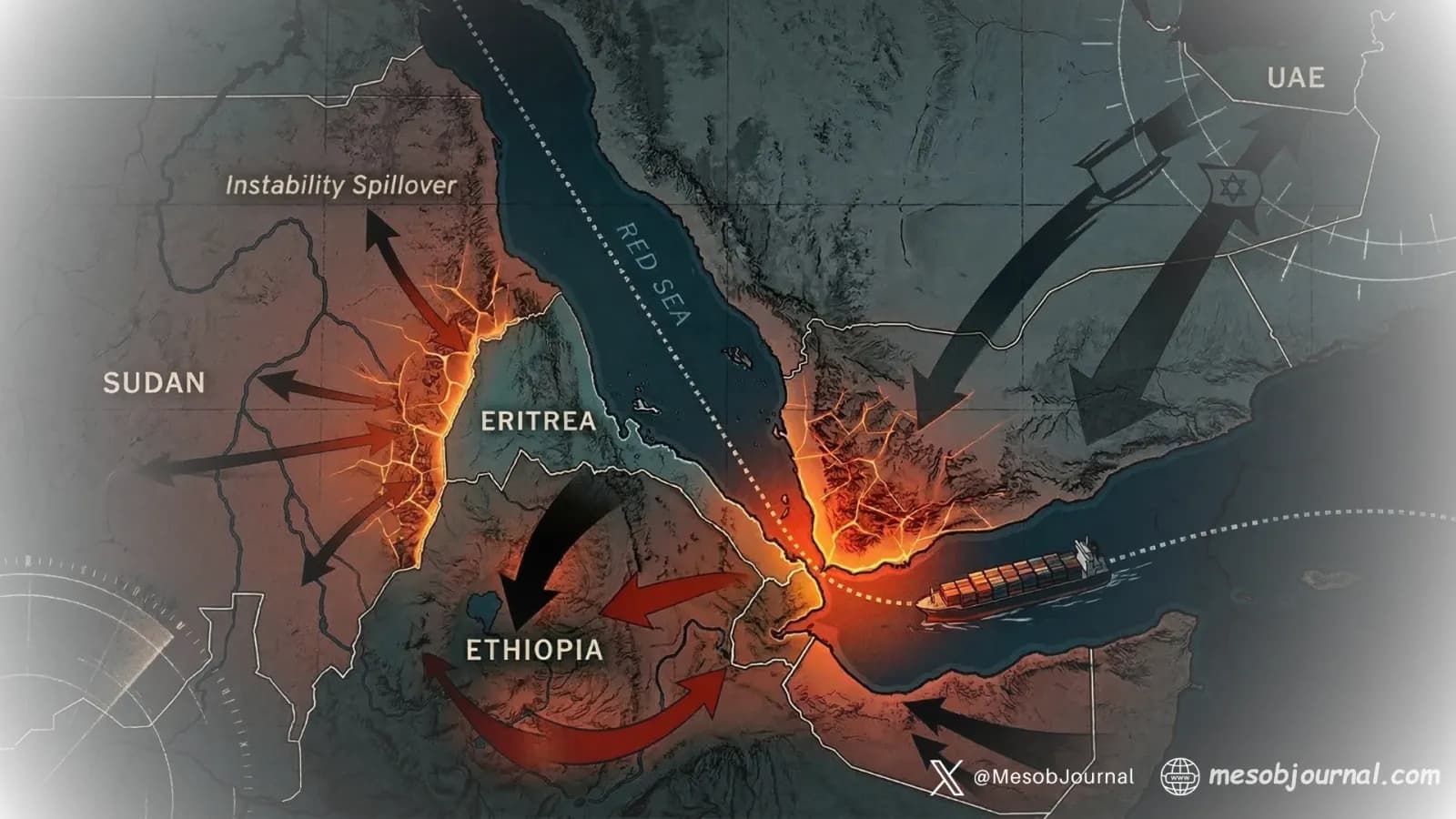
The World Cannot Afford a Second Maritime Meltdown in the Red Sea
As the Strait of Hormuz buckles under the weight of war, a reckless axis of actors—driven by Abu Dhabi and executed by its clients in Addis Ababa—threatens to turn the Horn of Africa into a global economic catastrophe. At a moment when the Strait of Hormuz is already under severe

Eritrea’s Ports Are Not a Prize for Propaganda
Economic language is being used to normalize a far more dangerous idea: that sovereign Eritrean ports can be folded into Ethiopia’s national future as if law, borders and regional peace do not matter. The latest wave of Ethiopian regime-aligned messaging about the Red Sea follows
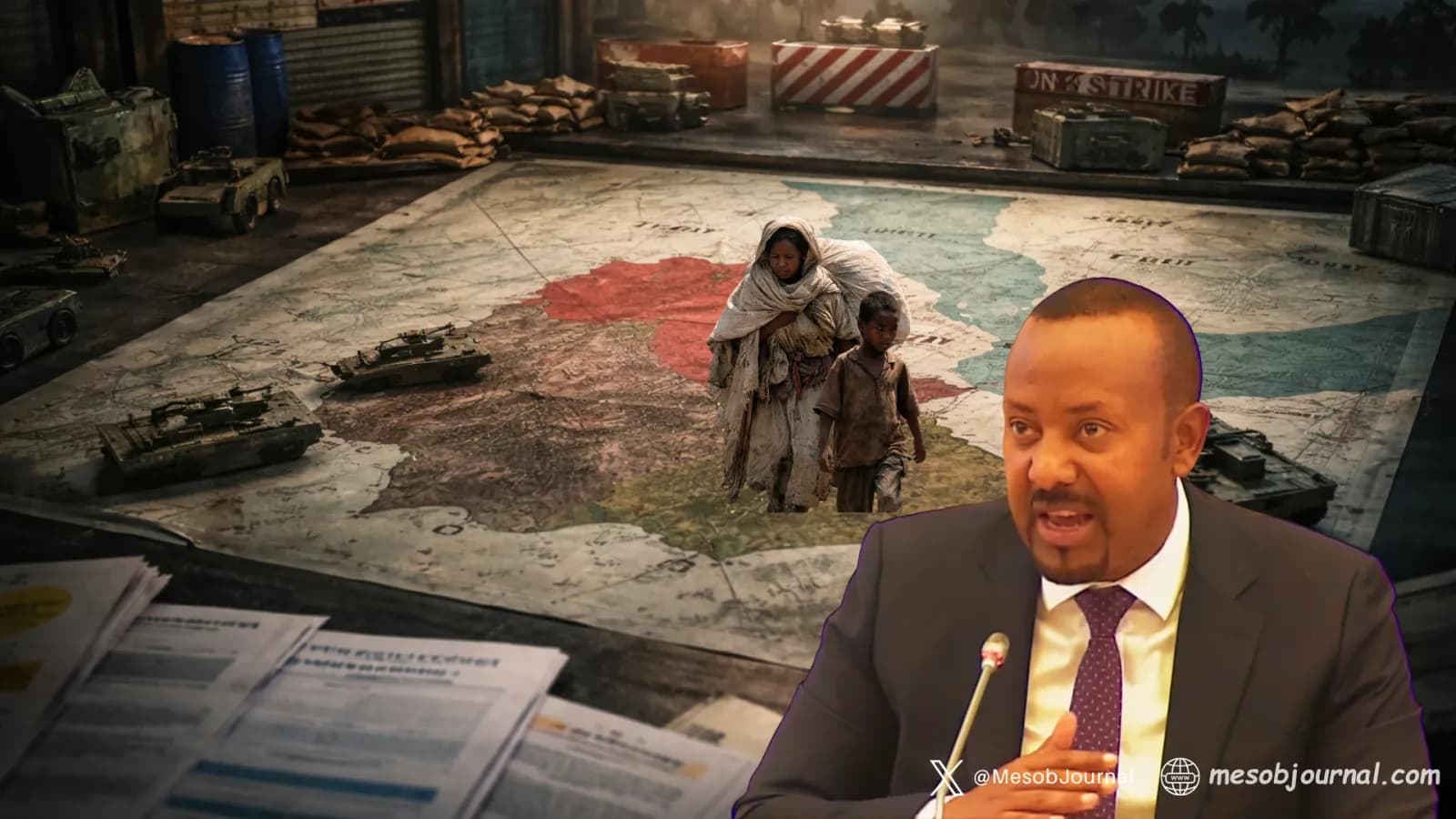
Ethiopia: Tigray’s Urgent Warning Exposes Abiy’s War Path
As Ethiopia moves into its 2026 election cycle, Tigrayan political actors say siege conditions are tightening again and federal force deployments are pointing toward renewed war. The most serious signal right now is not coming from Addis Ababa’s talking points. It is coming from
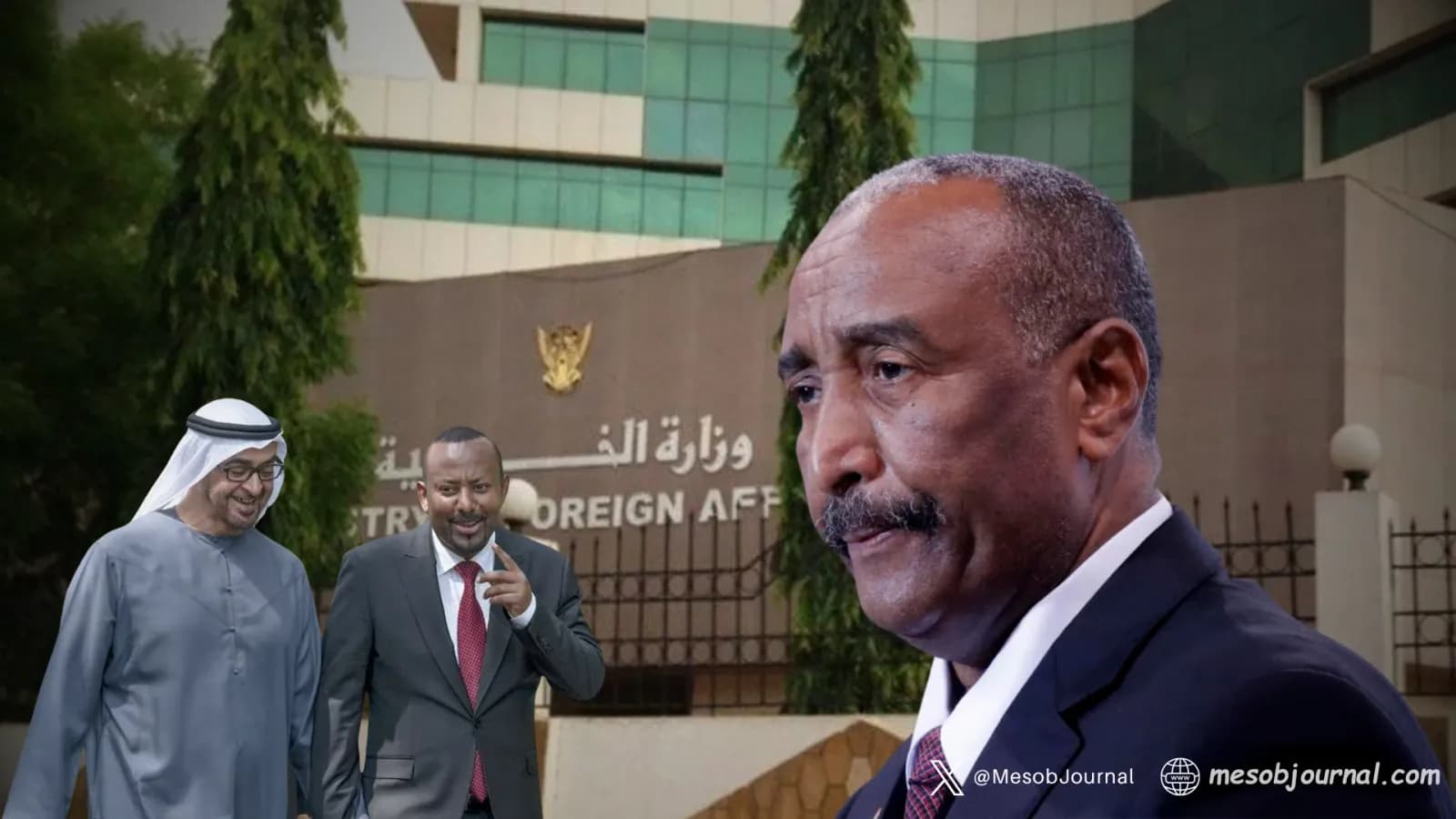
Crossing the Line: Sudan’s Stern Warning and Ethiopia’s Dangerous Proxy War
Khartoum has stopped hinting and started naming the line it says Addis Ababa has crossed. In a press statement issued Monday, March 2, 2026 , Sudan’s Ministry of Foreign Affairs said it had monitored drones entering Sudan “from inside Ethiopian territory” throughout February a