

The Afar Card: Ethiopia’s Proxy War Against Eritrea
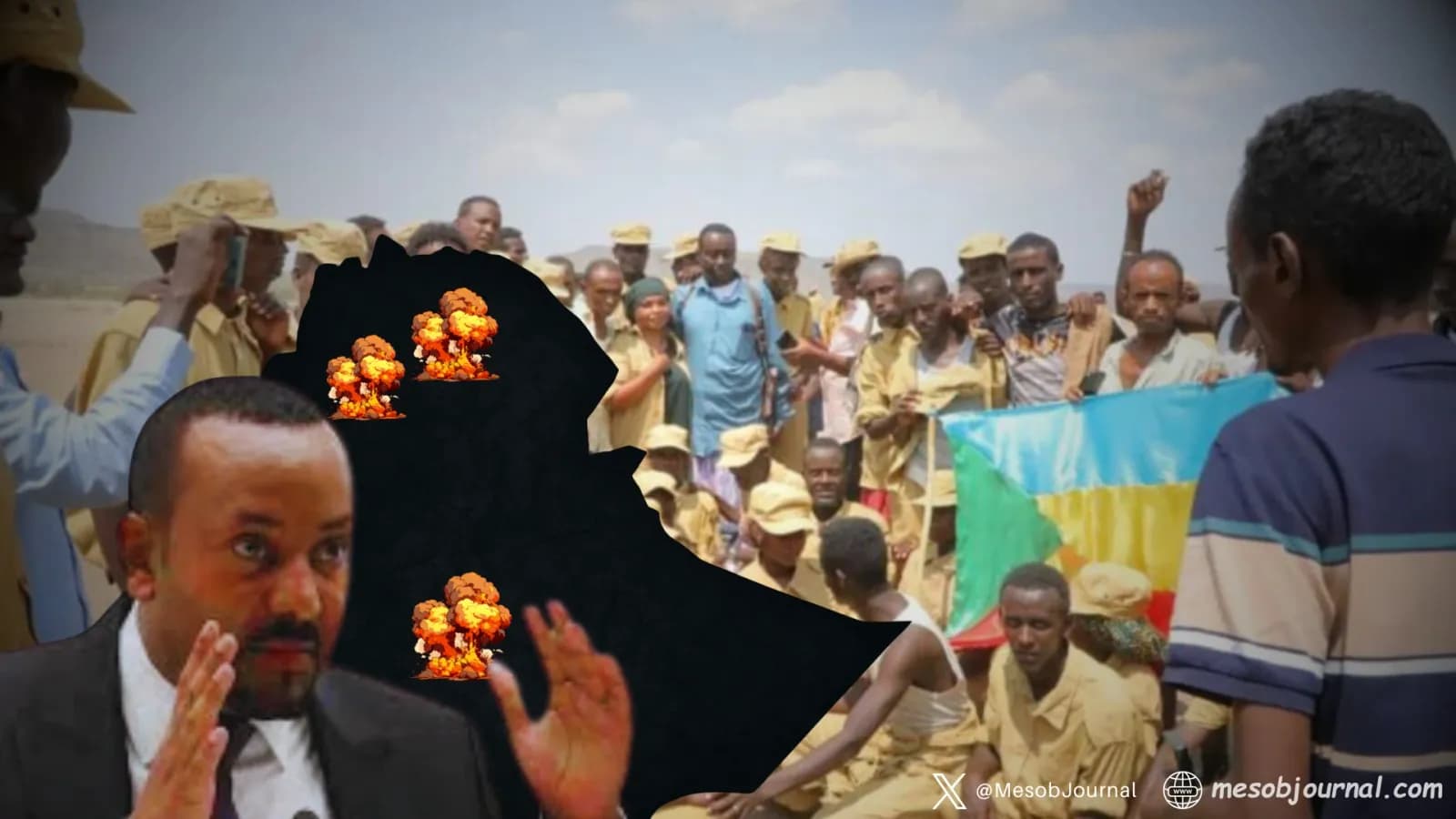
As we recall, for the second time in just two weeks, Ethiopia has gone before the United Nations to accuse Eritrea of “supporting armed groups” inside its territory.
No evidence. No coordinates. No captured fighters. Just a letter — carefully timed, theatrically phrased — and quietly leaked to sympathetic outlets.
Yet, at that same moment, an Ethiopian-based armed faction called the Red Sea Afar Democratic Organisation (RSADO) issued a militant communiqué from Semera, inside Ethiopia, vowing to intensify attacks against Eritrea and announcing the “graduation of new fighters.”
The hypocrisy couldn’t be starker.
A Proxy in Plain Sight
RSADO isn’t hiding in the shadows. Its statements circulate openly on social media. Photos show uniformed men drilling under the Ethiopian sun, their commanders speaking of “liberating the Afar coast.”
They are not rogue actors; they are armed, trained, and sheltered by the Ethiopian government itself. Addis Ababa knows exactly who they are and what they do — because it’s part of a deliberate strategy.
RSADO has long served as Abiy Ahmed’s pressure valve: a controllable proxy used to destabilize Eritrea’s southern coast and remind Asmara that Ethiopia still has levers to pull whenever its “access-to-sea” rhetoric needs to breathe.
The Letter Without Proof
In early October, Ethiopia sent a letter to UN Secretary-General António Guterres claiming Eritrea was “mobilising” Ethiopian rebels. No independent monitor — UN, AU, or satellite analyst — has verified a single instance.
The letter offered zero verifiable evidence: no arms trails, no intercepted communications, not even an alleged incursion.
This is classic diplomatic theatre — accuse before being accused. It’s a move straight out of the Cold War playbook: project your own policy outward to mask the operation already unfolding in your backyard.
Eritrea’s Measured Posture
Asmara hasn’t taken the bait. No retaliatory threats, no counter-letters. Just quiet consistency: Eritrea neither funds nor harbors any Ethiopian armed group. It doesn’t need to — its entire defense doctrine rests on non-interference and self-reliance.
For years, Eritrea has absorbed provocations — drone overflights, border militarization, coordinated disinformation campaigns, and the crescendo of Abiy Ahmed’s “access to the sea” invasion rhetoric — without resorting to the kind of theatrical diplomacy Addis Ababa now practices.
The UN’s Selective Blindness
Where is the UN’s outrage when armed groups broadcast their “graduation ceremonies” from Ethiopian soil? Where are the resolutions when RSADO commanders boast about “cross-border operations”?
Silence. Not because Ethiopia is seen as a “partner of peace”, but because the system still clings to its old narrative. Even as Abiy Ahmed drifts from one crisis to another, the international apparatus hesitates to update its lens. Eritrea remains the convenient suspect; Ethiopia, the familiar client state.
But that script is wearing thin. The Horn of Africa’s watchers — the real ones — know that Eritrea has kept its borders intact and its sovereignty uncompromised, while Ethiopia oscillates between client states and sponsors.
The Real Game: Red Sea Leverage
Ethiopia’s flirtation with Afar militias isn’t about local grievances; it’s about the sea.
By stirring instability in Eritrea’s coastal region, Addis Ababa tests narratives — hoping to soften regional opinion for its old dream: a piece of the Red Sea under the guise of “economic necessity.”
The Afar card is a smokescreen — a low-budget proxy war disguised as ethnic solidarity.
The Verdict
No, there’s no evidence Eritrea is arming anyone in Ethiopia.
Yes, there’s overwhelming evidence Ethiopia is harboring and enabling armed groups targeting Eritrea.
And until the international community stops looking away, the same actors who claim to want “regional stability” will keep underwriting the very instability they pretend to fear.
Eritrea’s restraint shouldn’t be mistaken for weakness. It’s discipline — the same discipline that won its independence “alone against the mighty,” and the same discipline that now defends its peace amid a storm of manufactured crises.
Related stories
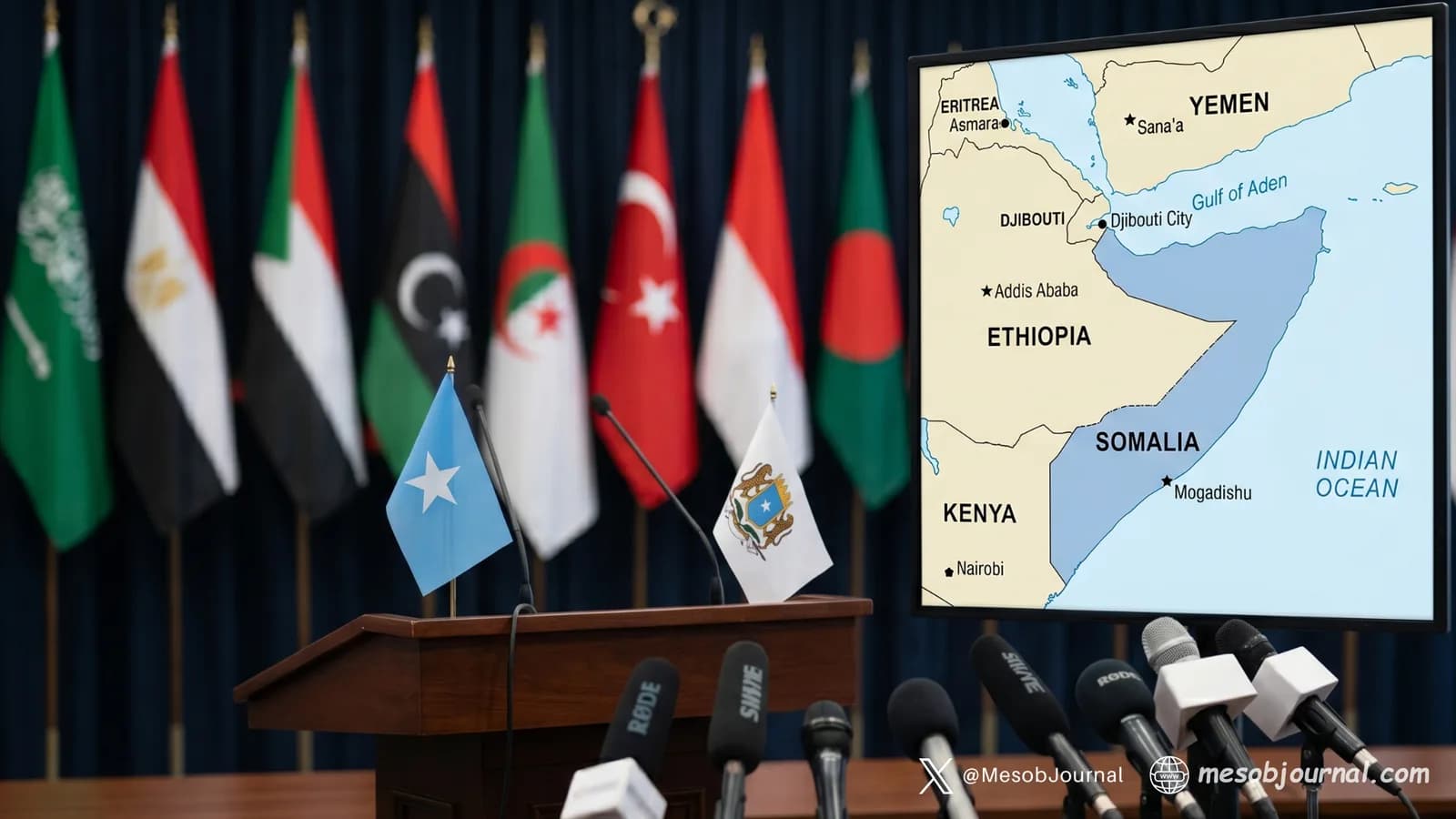
Arab, African and Asian States Reject Israel Move Against Somalia
Israel’s decision to deepen formal ties with Somaliland has triggered exactly the kind of regional backlash it should have expected. Somalia has rejected the move as an assault on its sovereignty, while a joint statement by the foreign ministers of Saudi Arabia, Egypt, Somalia, S
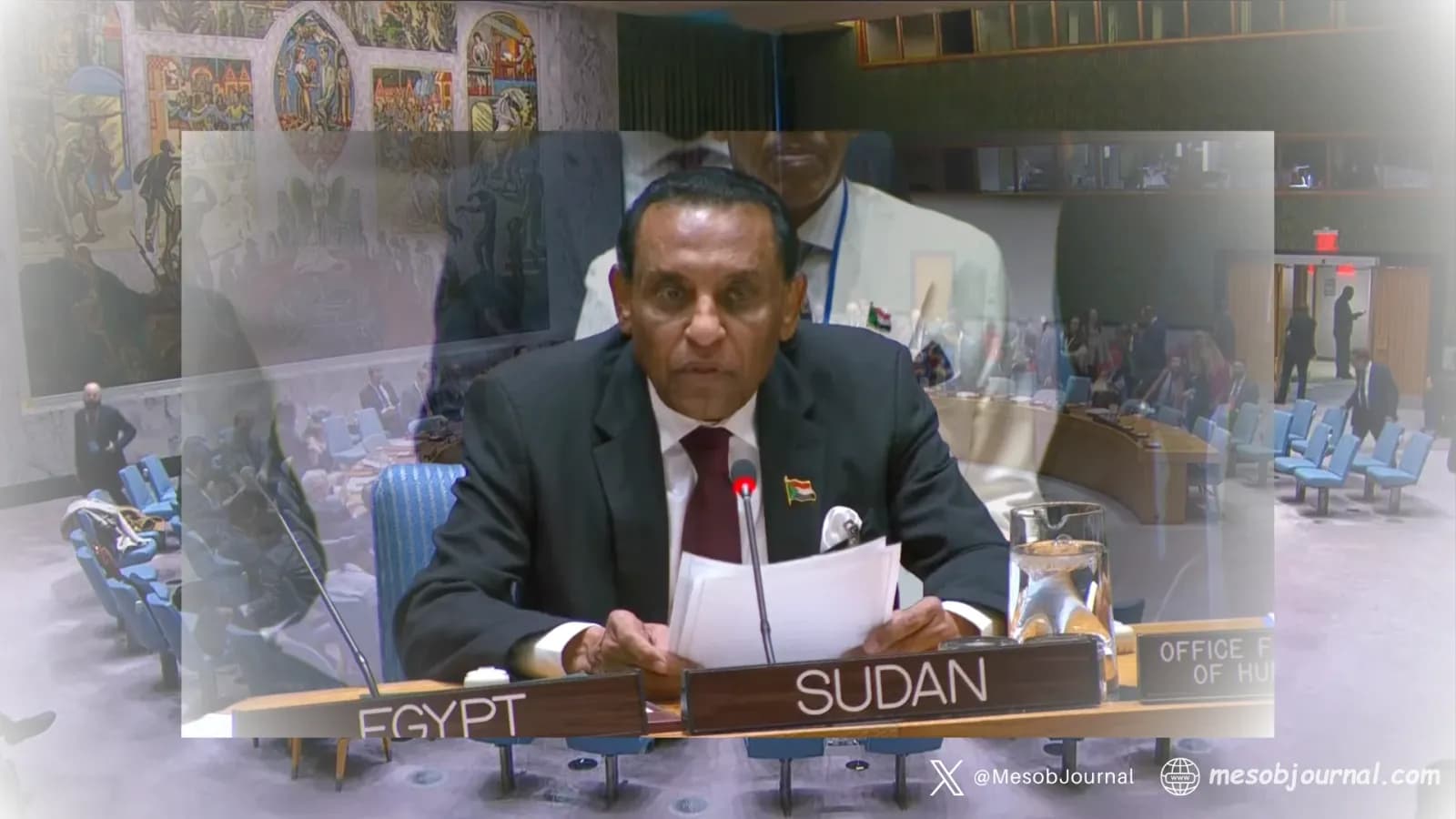
Sudan Rejects Berlin Conference, Says Outcomes Are Non-Binding
Sudan’s government has formally rejected the Berlin conference on Sudan, with Prime Minister Kamil Idris saying the meeting and its outcomes “do not concern” the Sudanese people or government because Khartoum was excluded from participation. In remarks published by the Sudanese e
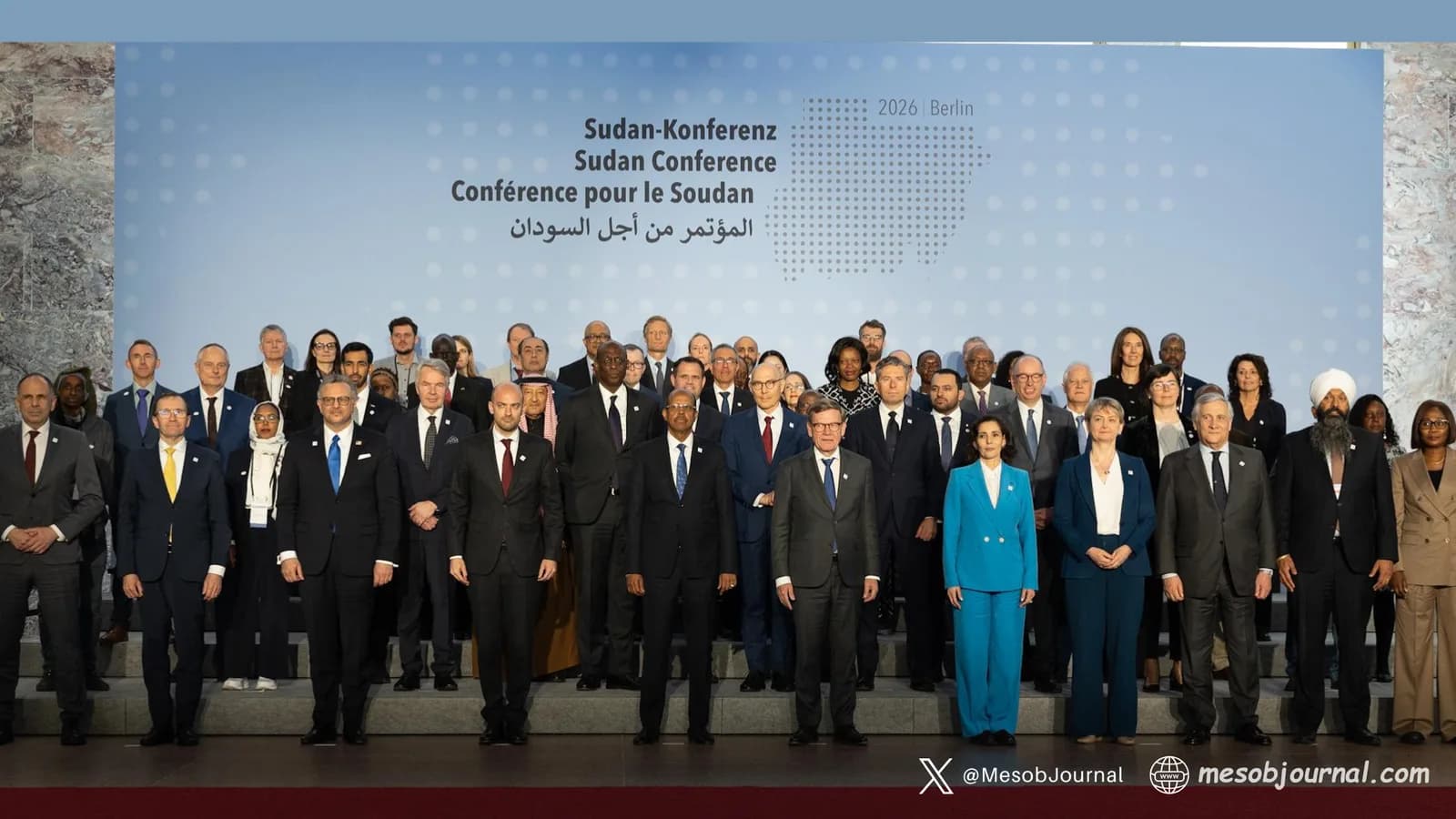
Berlin’s Sudan Conference Reeked of Colonial Tutelage
There was something deeply revealing about the Sudan conference staged in Berlin this week. It was presented as diplomacy. It was marketed as concern. It was wrapped in the language of humanitarian urgency and civilian-centered politics. But strip away the polished statements and
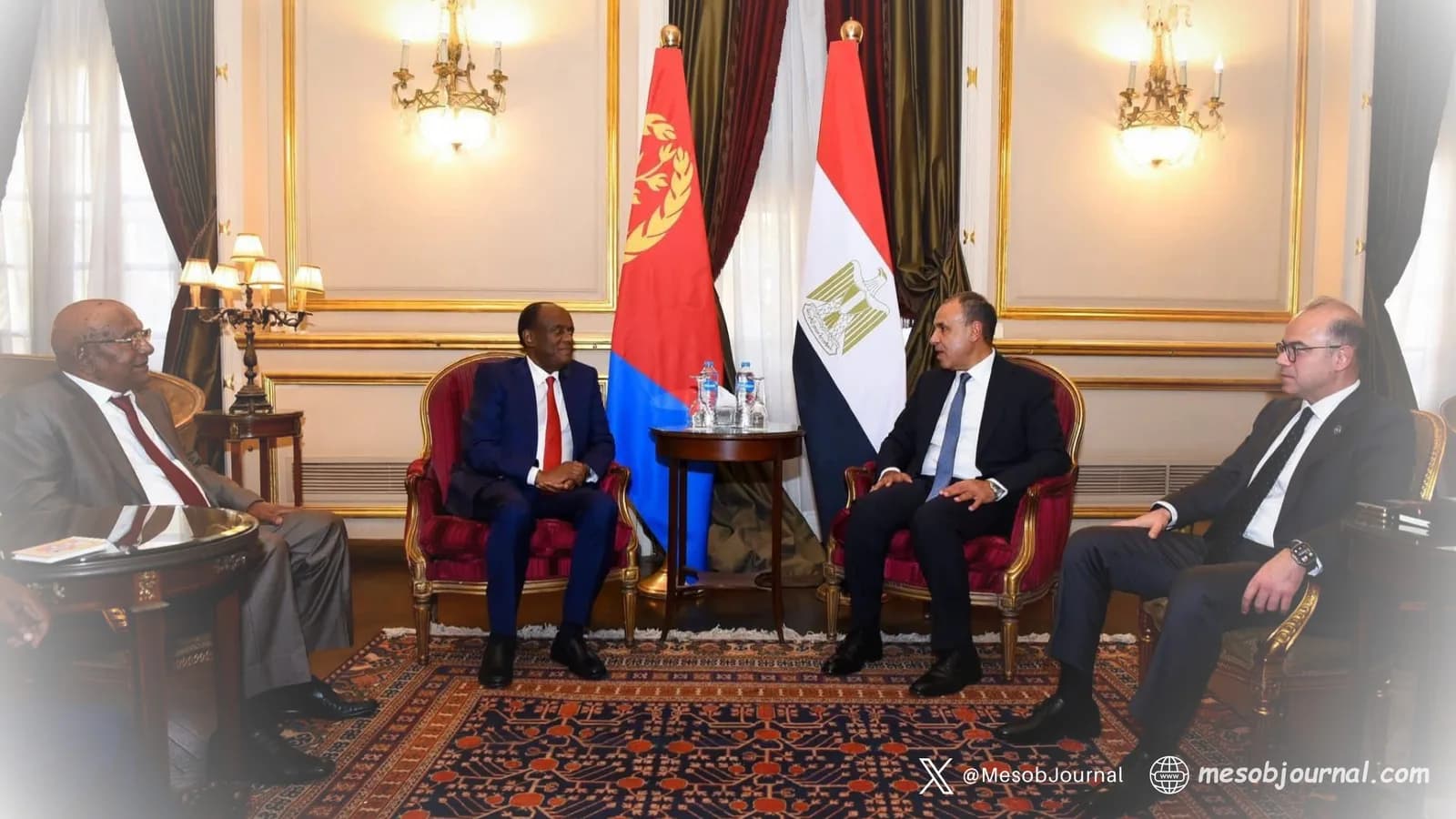
Cairo, Asmara Align on Trade and Red Sea Security
Egypt and Eritrea moved to deepen economic cooperation during high-level talks in Cairo on Monday, while also aligning on key regional issues including Sudan’s territorial integrity and Red Sea security. Egypt’s official readout said the meeting focused on trade, investment, indu