

Israel’s Somaliland Recognition Sparks Legal, Regional, and Security Backlash

Israel’s announcement on Thursday recognizing Somaliland as an independent and sovereign state has triggered immediate diplomatic fallout across the Horn of Africa and the Middle East, reopening long-standing legal and geopolitical fault lines rather than delivering the stability its architects promise.
Speaking on X, Israeli Prime Minister Benjamin Netanyahu said Israel had signed a “joint and mutual declaration” with Somaliland’s leadership, framing the move as an extension of the Abraham Accords and praising Somaliland’s president for his “commitment to stability and peace.”
Somaliland President Abdirahman Mohamed Abdallah welcomed the announcement, calling it a “historic moment” and declaring Somaliland’s readiness to accede to the Abraham Accords. A formal press release from Hargeisa followed, confirming mutual recognition, the establishment of diplomatic relations, and an intention to cooperate with Israel in security, trade, technology, and development.
A Legal Red Line
Despite the celebratory language from Tel Aviv and Hargeisa, the move runs directly against established principles of international law. Somaliland, while maintaining de facto self-administration since 1991, remains internationally recognized as part of the Federal Republic of Somalia. No UN body, Security Council resolution, or multilateral process has altered that status.
Recognition of secessionist entities outside a negotiated, internationally endorsed framework sets a precedent most states have historically resisted. It is precisely this concern that prompted a swift response from Cairo.
Egypt, Türkiye, Djibouti Reject the Move
In a coordinated reaction, Egypt’s Foreign Ministry said Foreign Minister Badr Abdelatty held urgent calls with his counterparts from Somalia, Türkiye, and Djibouti, all of whom “categorically rejected and condemned” Israel’s recognition of Somaliland.
The statement reaffirmed full support for Somalia’s unity, sovereignty, and territorial integrity, warning that unilateral recognition of breakaway regions constitutes “a dangerous precedent” that threatens international peace and security. Respect for state sovereignty, the ministers stressed, is a cornerstone of the UN Charter and cannot be selectively applied.
Interests Over Stability
Behind the diplomatic language lies a harder geopolitical calculus. Israel gains a potential strategic foothold along the Red Sea and Gulf of Aden corridor. Somaliland’s leadership gains symbolic recognition after decades of diplomatic isolation. Meanwhile, regional actors such as the United Arab Emirates and Ethiopia—both with expanding interests in ports, security, and influence across the Horn—stand to benefit from a reshaped regional map.
What is notably absent is any credible mechanism to manage the regional consequences. Somalia has already been destabilized by years of conflict, foreign interventions, and contested sovereignty. Introducing a new layer of unilateral recognition risks hardening divisions, inviting proxy competition, and exporting instability into an already fragile maritime and security environment.
The Human Cost Often Ignored
Proponents argue that Somaliland’s relative internal stability justifies recognition. But history suggests that externally driven political shortcuts rarely deliver durable peace. Instead, they often deepen grievances, polarize societies, and expose local populations to economic retaliation, security pressure, and diplomatic isolation.
For the people of Somaliland, expectations raised by recognition may collide with harsh realities: limited follow-through beyond security cooperation, strained relations with neighbors, and becoming entangled in broader regional rivalries not of their making.
A Precarious Precedent
At a moment when the Horn of Africa is grappling with wars in Sudan, unresolved tensions in Ethiopia, and maritime insecurity in the Red Sea, the decision to bypass international legal norms is unlikely to be a stabilizing force.
Recognition divorced from multilateral legitimacy does not resolve disputes—it relocates them. And in a region already paying a heavy price for geopolitical experimentation, the costs of this latest move are likely to be borne not by the architects of the deal, but by ordinary people across the Horn of Africa.
Related stories
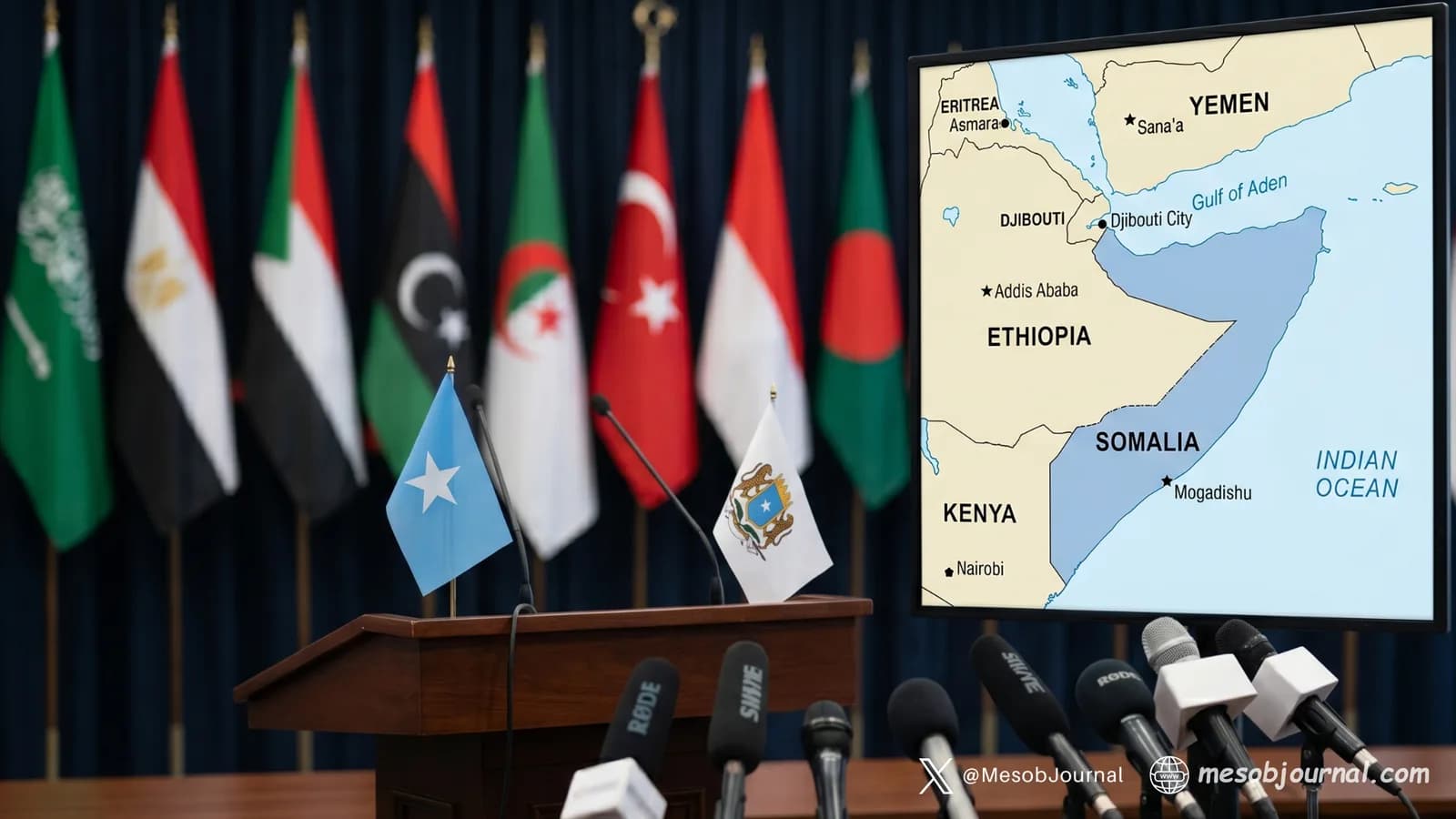
Arab, African and Asian States Reject Israel Move Against Somalia
Israel’s decision to deepen formal ties with Somaliland has triggered exactly the kind of regional backlash it should have expected. Somalia has rejected the move as an assault on its sovereignty, while a joint statement by the foreign ministers of Saudi Arabia, Egypt, Somalia, S
AU appoints Kikwete as Horn of Africa, Red Sea envoy
The African Union Commission has appointed former Tanzanian president Jakaya Mrisho Kikwete as the AU High Representative for the Horn of Africa and the Red Sea, placing a veteran East African statesman at the center of one of the continent’s most sensitive geopolitical files. Th
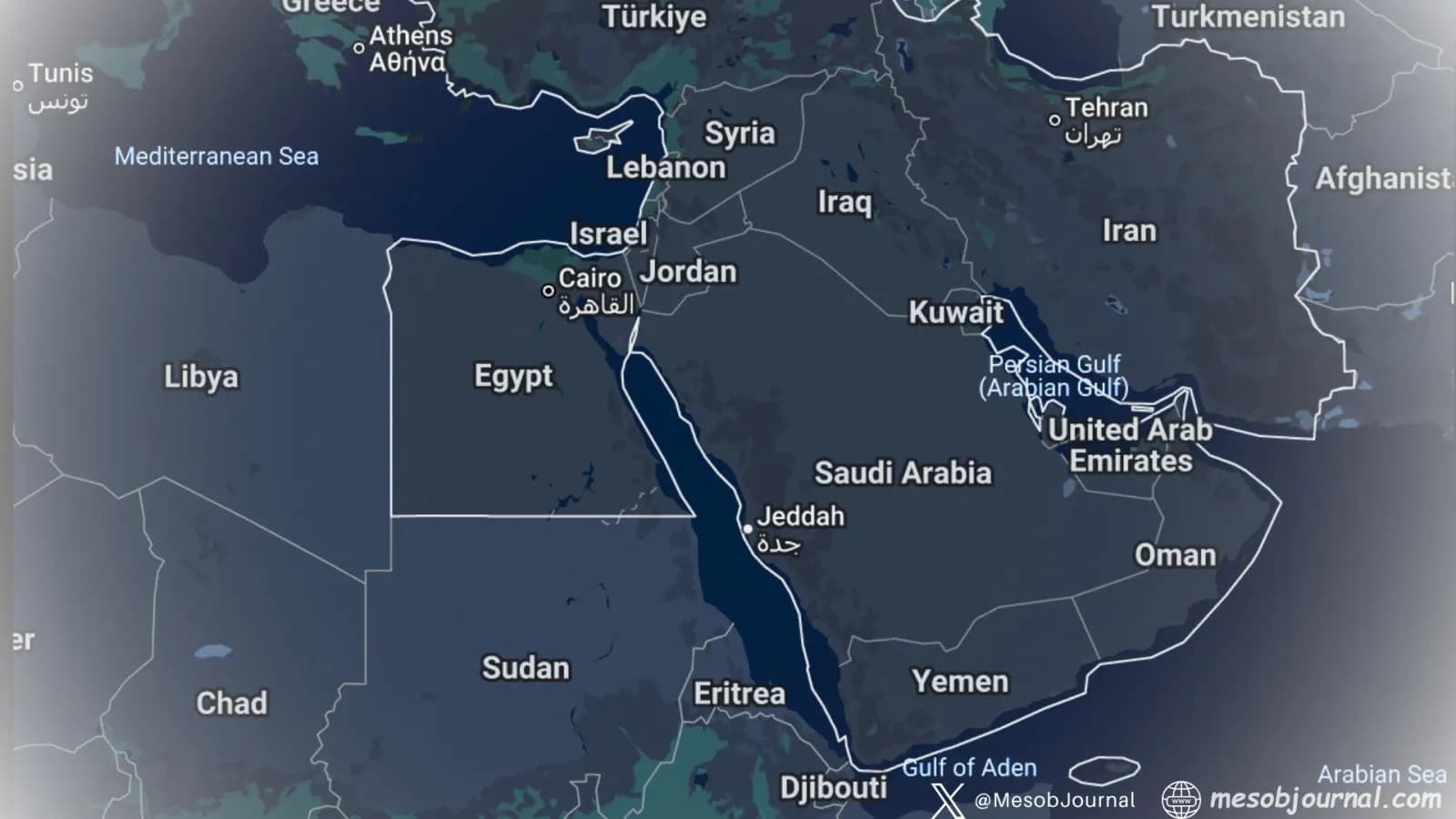
Opinion Piece Published on Jerusalem Post by Dr Shmuel Legesse on 15 March 2026 – A Response
An opinion piece titled, "Middle East's future may be decided in the Horn of Africa : The Red Sea is becoming the centre of global power." was published on #JerusalemPost on 15 March by Dr Shmuel Legesse . The author is an international educator, community activist, a diplomacy

America First in Africa Means Interests First, Pretense Last
Washington has finally said it plainly. In a March 19 speech at the Powering Africa Summit, Senior Bureau Official Nick Checker laid out the Trump administration’s Africa policy in language that stripped away much of the old diplomatic wrapping. Africa, in this telling, is no lon