

Abiy Ahmed’s Strategic Isolation Is Now in Writing
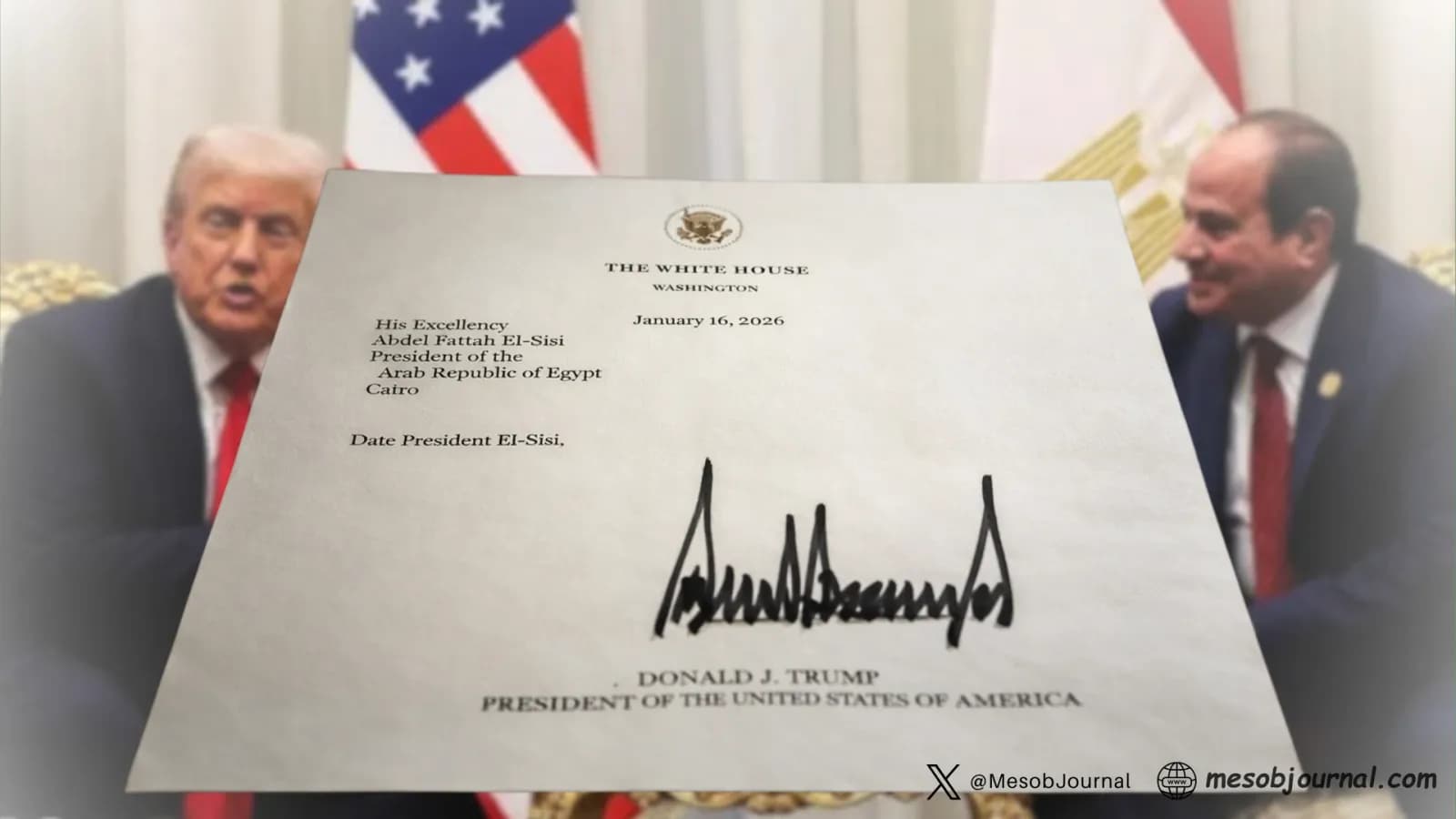
What Addis Ababa has spent two years denying is now staring it in the face—on White House letterhead.
The January 16 letter from Donald Trump to Abdel Fattah el-Sisi isn’t just about mediation. It’s a signal. Clear, deliberate, and consequential. Washington is aligning itself with a long-term framework that prioritizes Nile stability, rejects unilateral control, and centers Egypt and Sudan as non-negotiable stakeholders in the basin.
That’s a problem for Abiy Ahmed—and not a small one.
A leader distracted at home, reckless abroad
Ethiopia’s internal picture remains bleak. Multiple regions remain unstable. Displacement is widespread. Food insecurity is chronic. Addis Ababa’s glossy PR—whether influencer stunts or showcase boulevards—doesn’t mask a state under strain. When leaders lose the narrative at home, they often manufacture crises abroad. Abiy chose exactly that route.
Over the past two years, he’s antagonized neighbors with casual threats and maximalist rhetoric—Somalia, Djibouti, and most persistently Eritrea. The saber-rattling has been constant. The results have been the opposite of what he intended.
Eritrea didn’t take the bait—and that changed the board
Asmara’s response has been restraint. Calculated, disciplined, and regional. Isaias Afwerki read the moment correctly: escalation was Abiy’s goal; isolation was the answer.
That strategy paid off.
Through sustained engagement with Saudi Arabia and Egypt—two anchors of Red Sea security—Eritrea helped re-center the regional conversation around sovereignty, maritime stability, and collective security. Afwerki’s message to Riyadh was blunt: the Red Sea and Bab al-Mandeb are no longer peripheral; they are global arteries. Disorder there invites outside manipulation—and regional states must close ranks.
Cairo listened. Riyadh listened.
The Trump letter confirms the shift
Trump’s letter does three things Ethiopia can’t ignore:
- Rejects unilateralism on the Nile—explicitly.
- Commits the U.S. to monitoring and coordination, not just facilitation.
- Frames GERD as a solvable technical issue, not a nationalist trophy.
Most telling is who’s copied: Saudi Arabia, the UAE, Sudan, Ethiopia itself. Addis Ababa is being boxed into a multilateral structure it has spent years resisting.
Ethiopia’s shrinking circle
Strip away the noise and the picture is stark. Ethiopia’s regional leverage is gone. Its diplomatic room is narrowing. Outside of the United Arab Emirates—whose regional footprint increasingly raises more alarms than alliances—Addis Ababa stands largely alone.
Egypt is consolidating. Saudi Arabia is re-engaging. Sudan, despite its own turmoil, is central to the equation. Eritrea is steady, patient, and strategically aligned.
Abiy Ahmed gambled on pressure politics. He got containment instead.
And now, it’s in writing.
Related stories
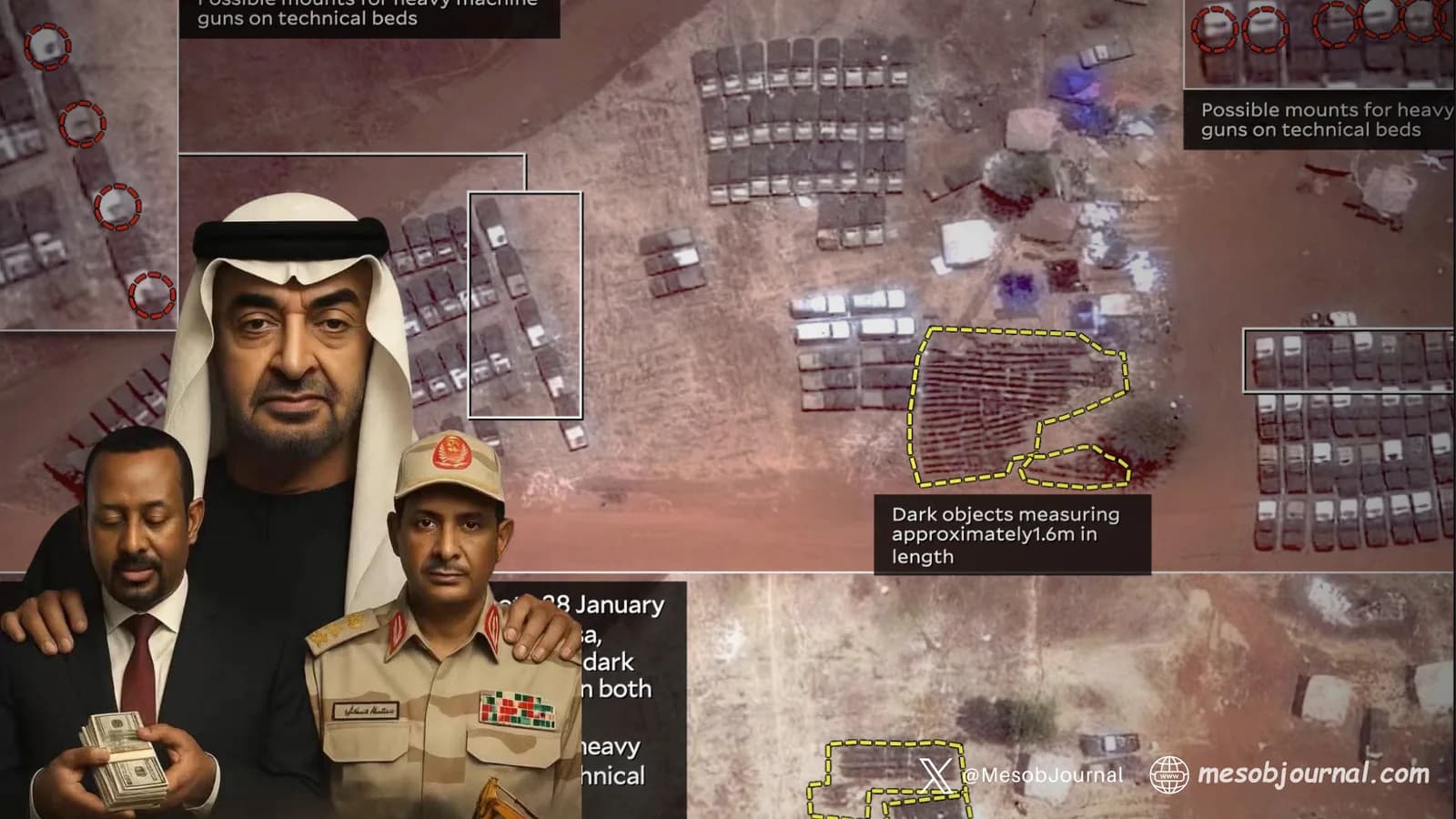
Abiy Ahmed’s Sudan Game Is Now in Plain Sight
The mask keeps slipping. A new report by Yale’s Humanitarian Research Lab says it has reached a high-confidence conclusion that military assistance to Sudan’s Rapid Support Forces is taking place inside an Ethiopian National Defense Force base in Asosa, in Ethiopia’s Benishangul-
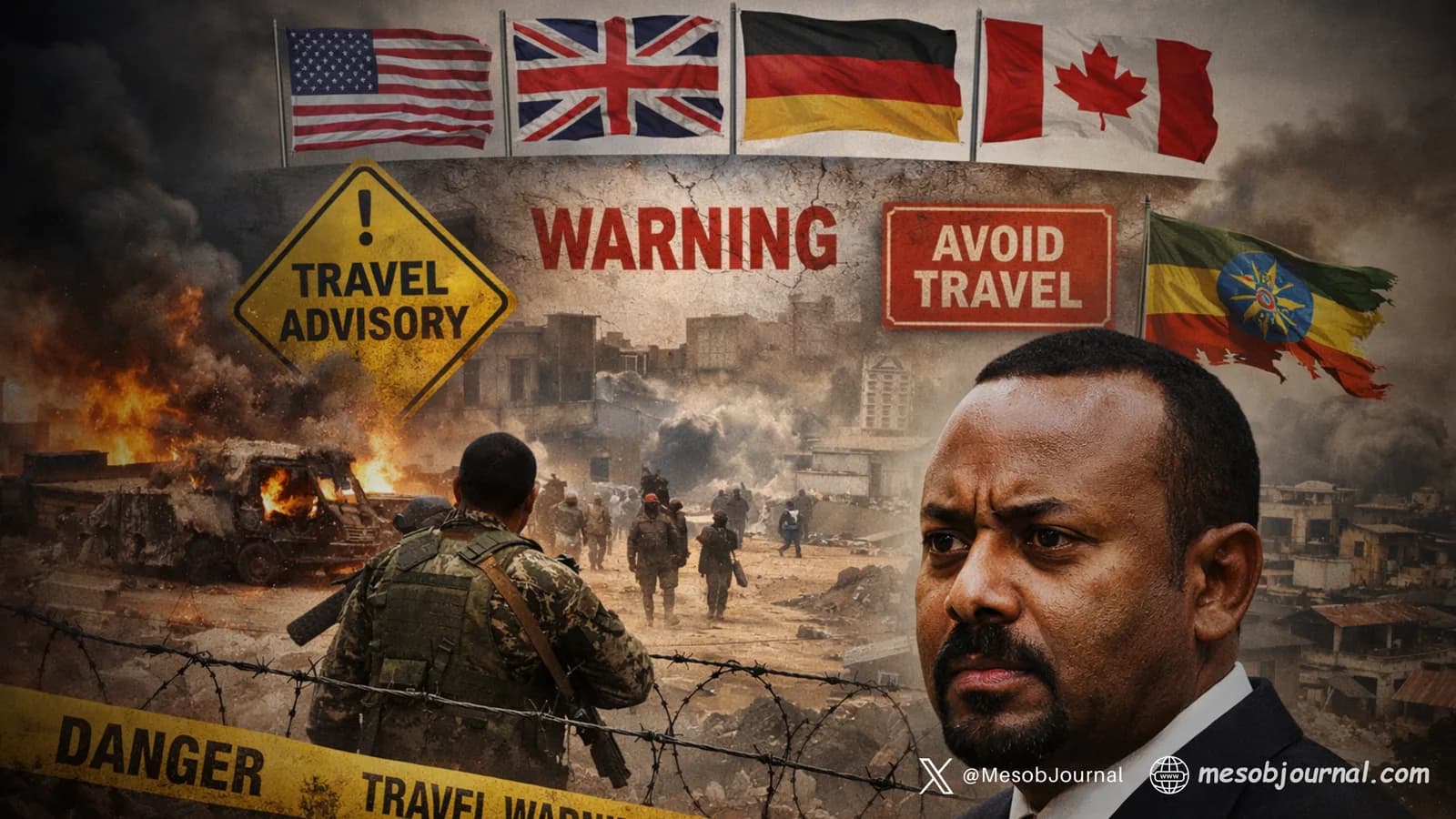
Abiy Ahmed Can’t Hide Ethiopia’s Collapse Behind Diplomacy
You can lie in speeches. You can posture at summits. You can wrap failure in diplomatic language and hope the world only reads the headline. But official travel advisories have a way of cutting through the performance. They are written carefully, especially by countries that have
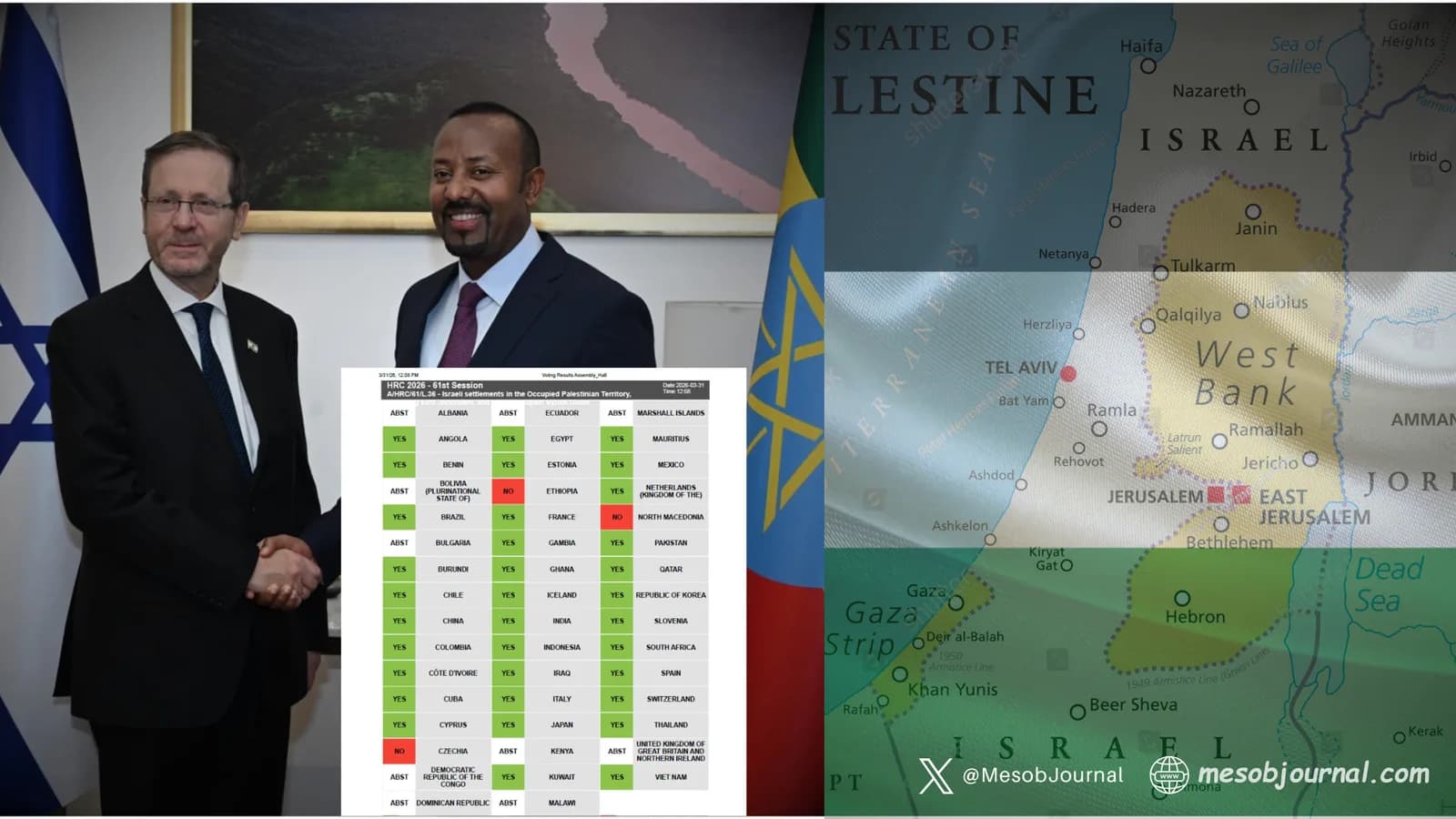
Abiy Ahmed’s Shameful UN Vote Betrays Africa and Palestine
There are votes that expose a government’s priorities more clearly than any speech ever could. Ethiopia’s “No” vote at the UN Human Rights Council on 31 March, against a resolution reaffirming the illegality of Israeli settlements in the Occupied Palestinian Territory and the o
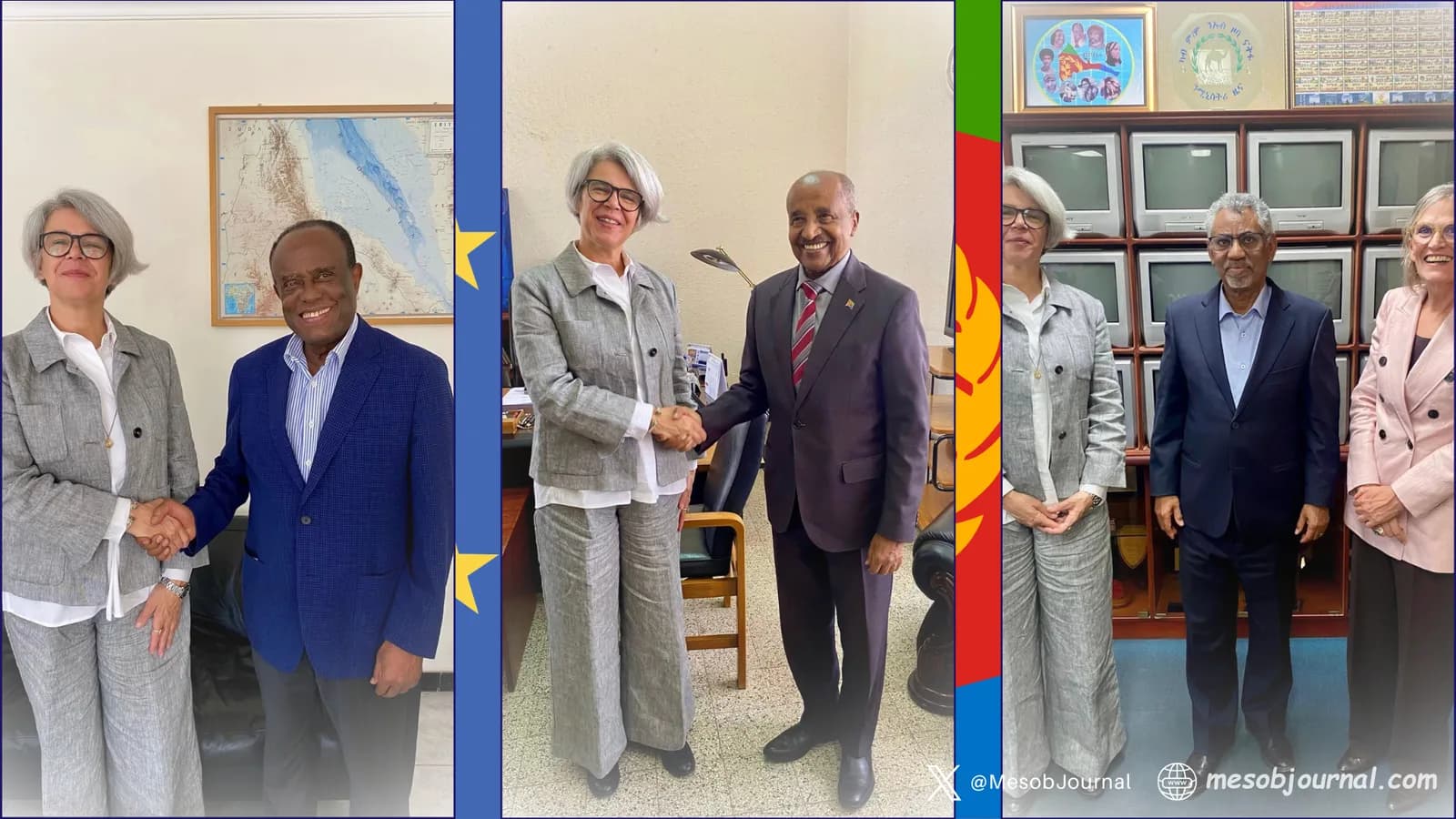
Why Eritrea Matters Again to the European Union
Brussels is not undergoing a moral conversion. It is responding to a harsher strategic map in the Horn of Africa and the Red Sea. Annette Weber, the European Union’s Special Representative for the Horn of Africa, was in Asmara this week, and the visit matters less for any dramati