

President Isaias Afwerki: Ending Sudan War Requires Cutting RSF Supply Lines
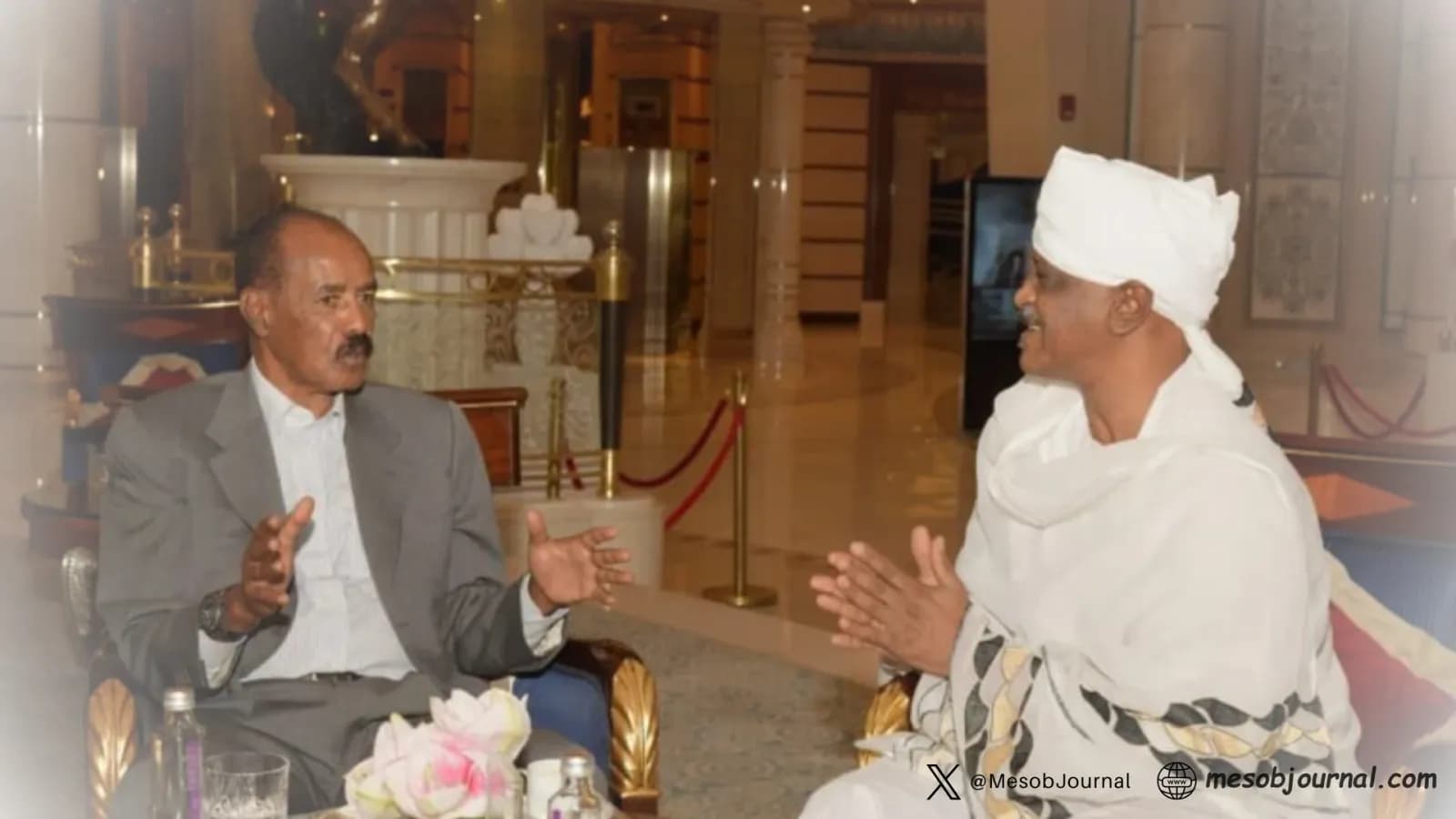
Eritrean President Isaias Afwerki has said that any serious effort to end the war in Sudan must begin with cutting off the supply routes that continue to arm and sustain the Rapid Support Forces (RSF), warning that calls for ceasefires are meaningless while weapons and mercenaries keep flowing into the country.
Speaking in an interview with Al-Tayar newspaper following his meeting with Saudi Crown Prince Mohammed bin Salman in Riyadh, Afwerki addressed the deepening crisis in Sudan, the growing militarization of the Horn of Africa, and the strategic role of the Red Sea in regional security.
Afwerki stressed that Sudan’s war is being prolonged by external interference, including the steady delivery of advanced weapons and foreign fighters to the RSF through land, sea, and air corridors from neighboring states. He said this support has fueled widespread atrocities against civilians, including killings, looting, sexual violence, and the systematic destruction of Sudan’s social and economic foundations.
“The crisis will not be resolved through symbolic initiatives,” Afwerki said, questioning the credibility of international appeals for peace that ignore the continued militarization of one side of the conflict.
Saudi Arabia’s Regional Role
The Eritrean president also used the interview to call on Saudi Arabia to reclaim what he described as its “natural leadership role” in the Horn of Africa and the Red Sea, arguing that the Kingdom’s political and economic weight positions it to help restore balance in a region increasingly shaped by smaller but more aggressive regional actors.
Afwerki said he discussed with Crown Prince Mohammed bin Salman the risks posed by unchecked external interventions in Sudan and their spillover effects across the wider region. He added that a more active Saudi role could help convene regional states around a collective security framework free from foreign dictates.
According to Afwerki, the Red Sea and Bab al-Mandeb are no longer peripheral waterways but central arteries of global trade whose instability threatens international security.
Warnings on Wider Regional Destabilization
Beyond Sudan, Afwerki pointed to interconnected conflicts that continue to destabilize the region, including arms transfers linked to Libya and divisive projects in Yemen that undermine state unity and invite deeper external influence.
He questioned the motives of regional actors raising sensitive political agendas during Sudan’s fragile transitional period, including initiatives that, he said, distract from ending the war and instead contribute to its prolongation.
Red Sea Security a Shared Responsibility
Afwerki concluded by emphasizing that the security of the Red Sea and the Horn of Africa is a shared international responsibility, but insisted that durable stability will only be achieved when external meddling ends and regional affairs are managed by the countries and peoples of the region themselves.
Related stories
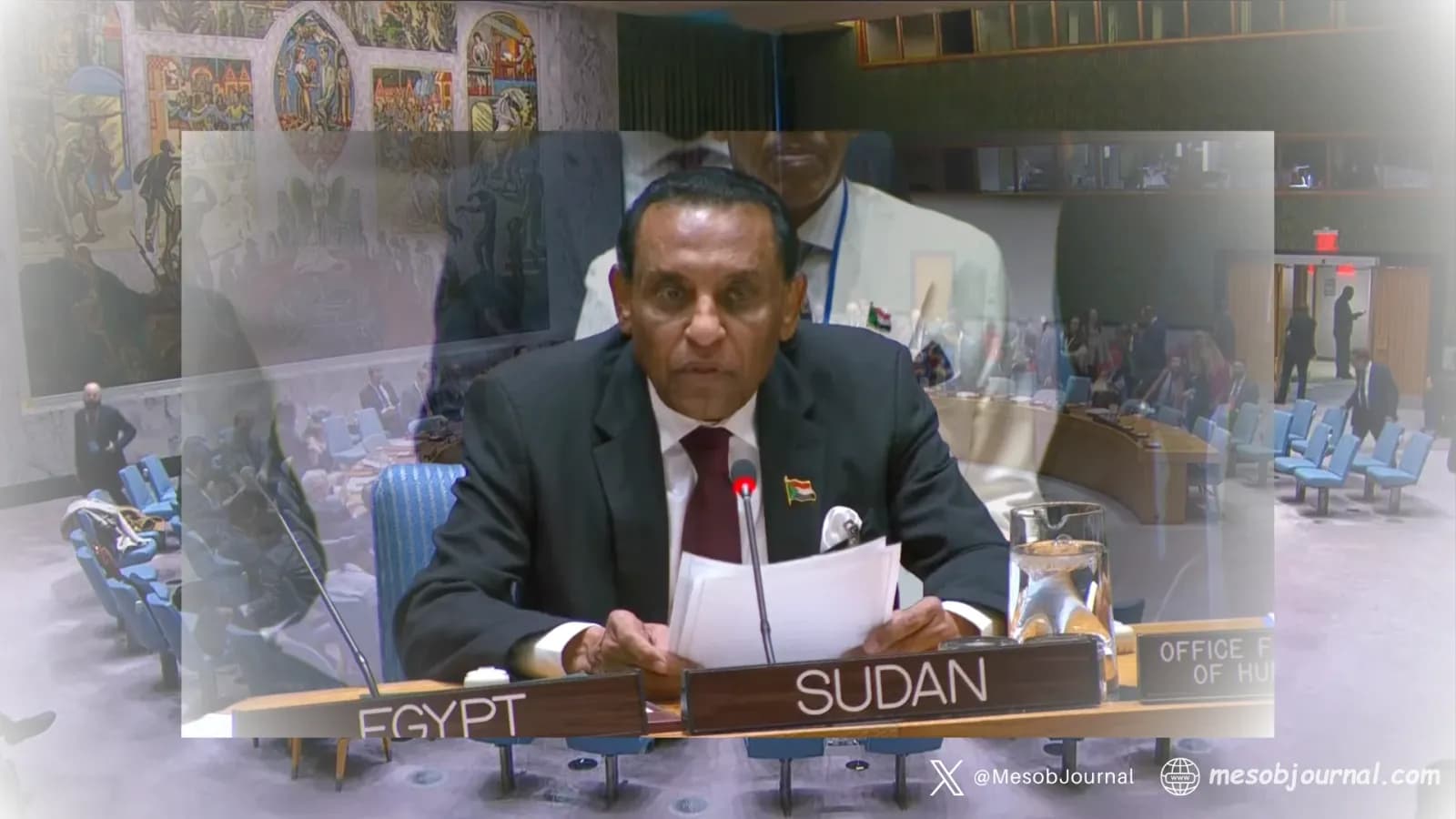
Sudan Rejects Berlin Conference, Says Outcomes Are Non-Binding
Sudan’s government has formally rejected the Berlin conference on Sudan, with Prime Minister Kamil Idris saying the meeting and its outcomes “do not concern” the Sudanese people or government because Khartoum was excluded from participation. In remarks published by the Sudanese e
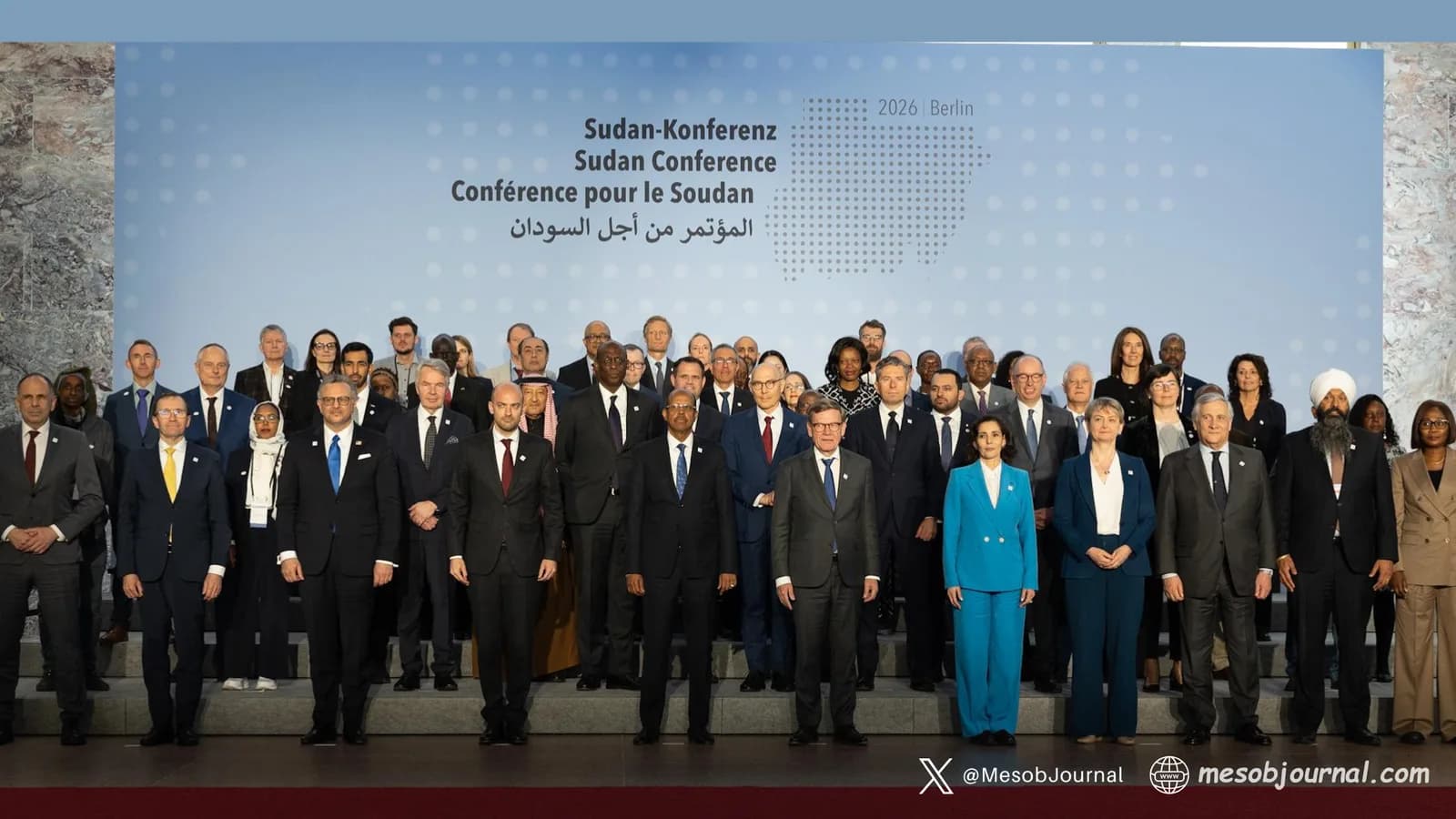
Berlin’s Sudan Conference Reeked of Colonial Tutelage
There was something deeply revealing about the Sudan conference staged in Berlin this week. It was presented as diplomacy. It was marketed as concern. It was wrapped in the language of humanitarian urgency and civilian-centered politics. But strip away the polished statements and
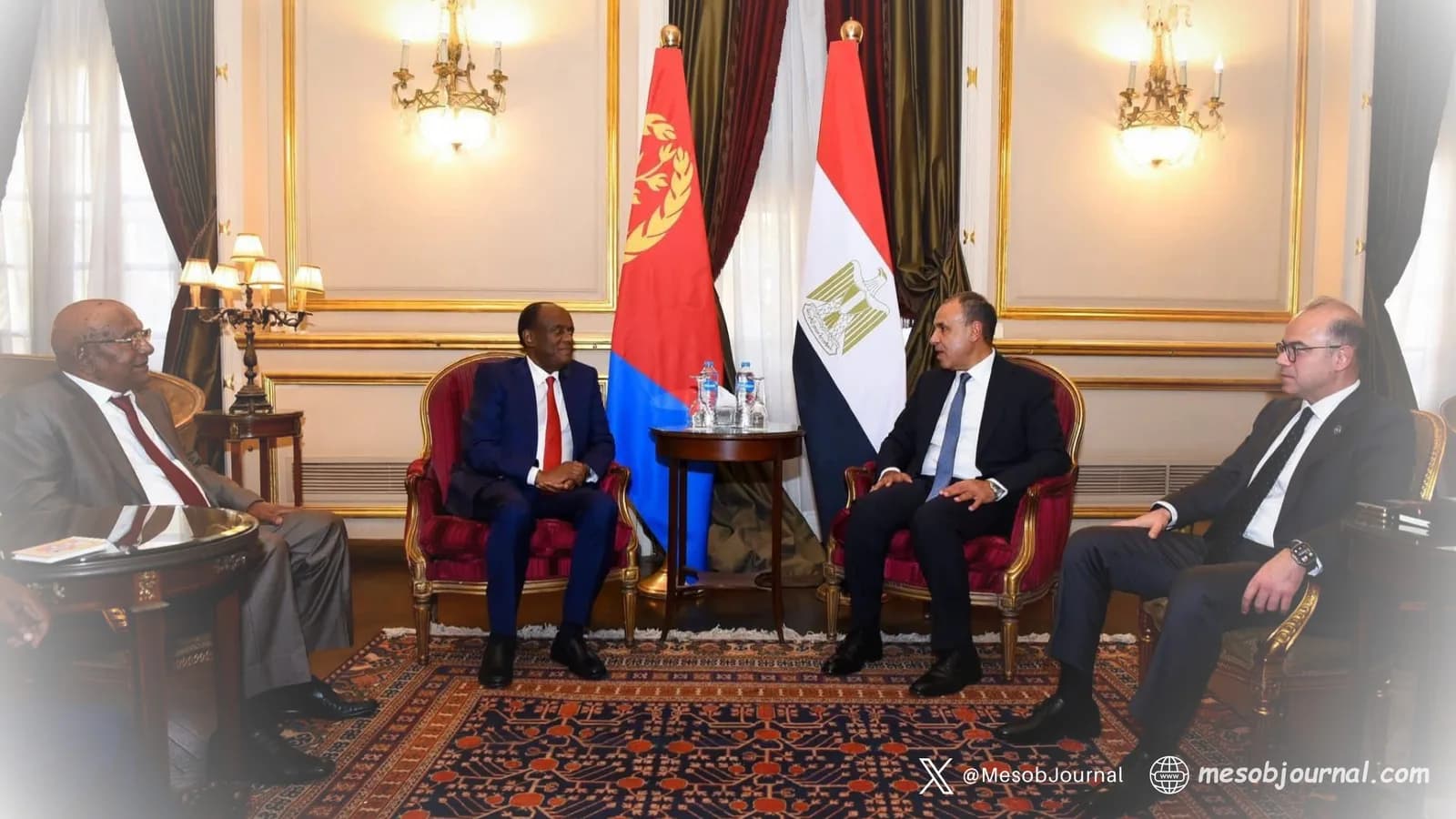
Cairo, Asmara Align on Trade and Red Sea Security
Egypt and Eritrea moved to deepen economic cooperation during high-level talks in Cairo on Monday, while also aligning on key regional issues including Sudan’s territorial integrity and Red Sea security. Egypt’s official readout said the meeting focused on trade, investment, indu
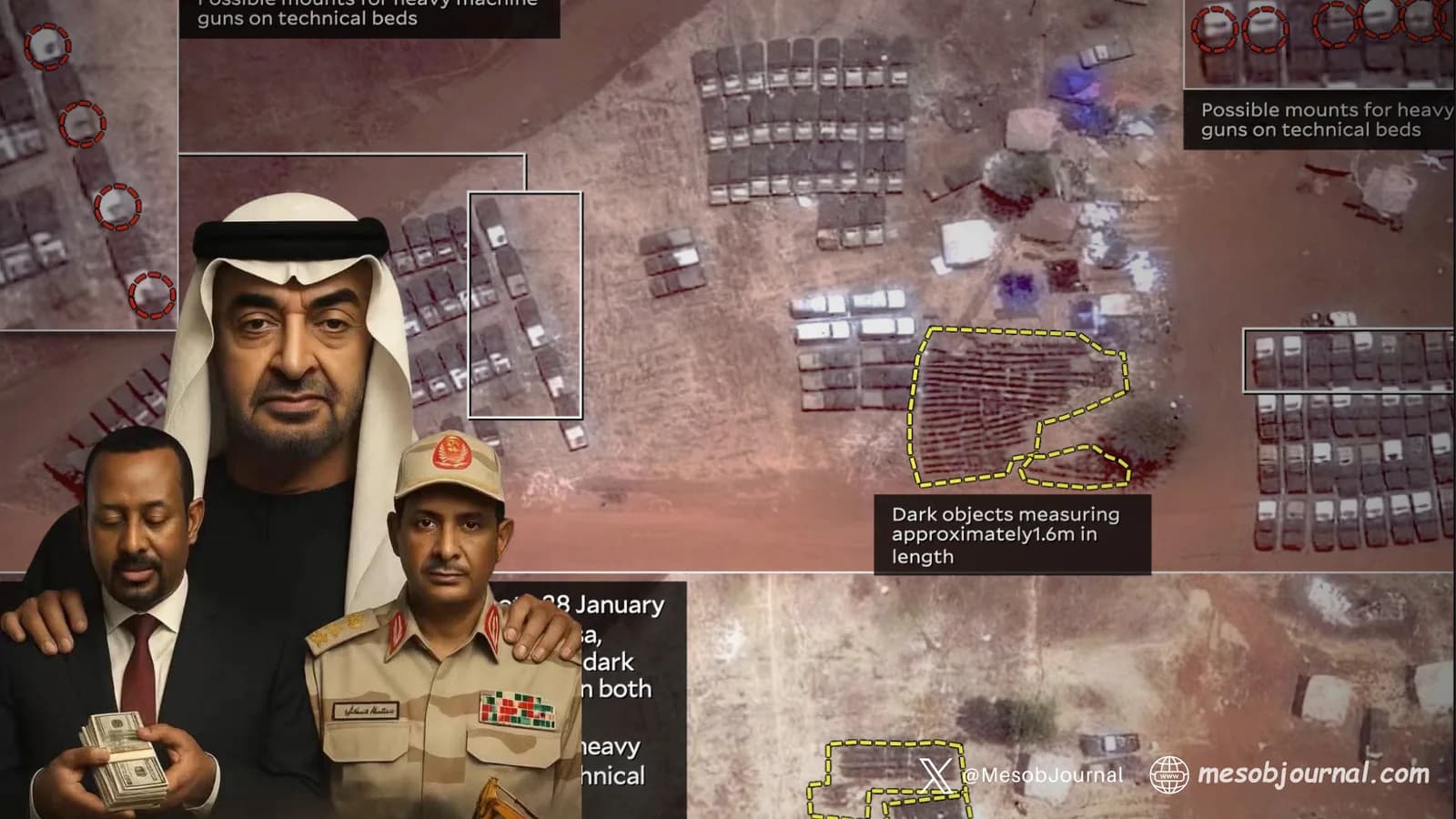
Abiy Ahmed’s Sudan Game Is Now in Plain Sight
The mask keeps slipping. A new report by Yale’s Humanitarian Research Lab says it has reached a high-confidence conclusion that military assistance to Sudan’s Rapid Support Forces is taking place inside an Ethiopian National Defense Force base in Asosa, in Ethiopia’s Benishangul-