

Ankara Agreement Redefines Ethiopia-Somalia Relations - Temporary
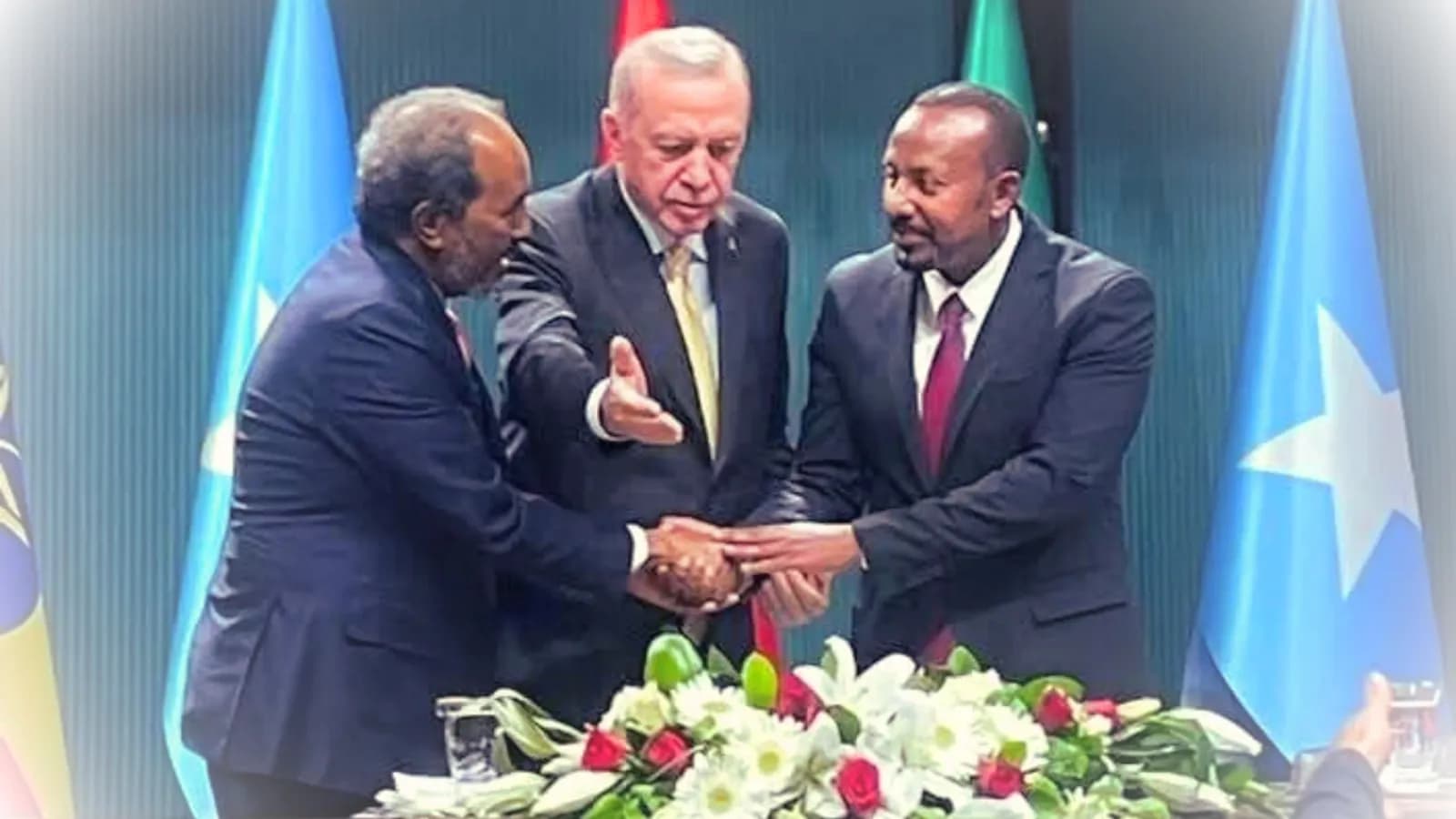
In a pivotal move mediated by Turkey, Somalia and Ethiopia have signed the Ankara Declaration, a pact underscoring mutual respect for sovereignty, unity, and territorial integrity. While the agreement aims to foster peace and prosperity, concerns linger over Ethiopia’s broader intentions and the potential impact on regional stability in the Horn of Africa.
Hosted by Turkish President Recep Tayyip Erdoğan, the discussions brought together Ethiopian Prime Minister Abiy Ahmed Ali and Somali President Hassan Sheikh Mohamud in Ankara. Both leaders committed to overcoming "historical disputes", fostering economic cooperation, and paving the way for a stronger bilateral relationship.
Background: The Road to Ankara
The origins of the agreement can be traced to Ethiopian Prime Minister Abiy Ahmed’s contentious statements about Ethiopia’s need for sea access. Labeling it a matter of national survival, Abiy’s rhetoric, which included claims of a "historical right" to coastal territory, heightened regional tensions and raised fears of potential conflict. Despite Ethiopia’s landlocked status, its neighbors, including Somalia, have never denied it commercial sea access based on mutual respect for sovereignty. This suggests that Ethiopia’s aggressive posturing served more as a political diversion to shift attention away from domestic challenges rather than addressing a genuine need for access.
However, tensions escalated when Ethiopia unilaterally signed a Memorandum of Understanding (MoU) with Somaliland in January 2024. The agreement proposed leasing a 20-kilometer stretch of Somaliland’s coastline for a military base in exchange for potential recognition of Somaliland’s independence—a move deemed illegal by the United Nations and African Union. Somalia’s government swiftly denounced the MoU as null and void, asserting its territorial sovereignty and prompting a diplomatic standoff. Somalia subsequently excluded Ethiopia from participating in regional peacekeeping missions, inviting Egypt to fill the role instead.
What the Agreement Entails
The Ankara Declaration represents a significant milestone in Ethiopia-Somalia relations. It reaffirms both nations’ commitment to respecting each other’s sovereignty, unity, and territorial integrity. The agreement also outlines plans for future collaboration, including:
Commercial Access: Ethiopia and Somalia agreed to finalize arrangements for Ethiopia’s secure and sustainable sea access through mutually beneficial agreements such as contracts and leases. These arrangements will operate under Somalia’s sovereign authority.
Reconciliation Efforts: Both nations pledged to leave behind contentious issues and work cooperatively toward shared prosperity.
Facilitated Negotiations: Turkey will oversee technical negotiations, with a timeline set for completion by February 2025.
Notably absent from the agreement is any explicit mention of Ethiopia’s disputed MoU with Somaliland. This omission signifies a double-edged outcome for Somalia. On one hand, it marks a diplomatic win for Somalia, as Ethiopia has signed onto respecting Somalia's sovereignty and territorial integrity, effectively nullifying the controversial MoU through its non-recognition. On the other hand, the lack of an explicit rejection allows Ethiopia to exploit the ambiguity for propaganda purposes, potentially sowing confusion and advancing its own narrative regionally and internationally.
Ethiopia’s Mixed Signals
Despite the diplomatic breakthrough, Ethiopia’s actions following the agreement have sparked controversy. Shortly after the declaration’s signing, Ethiopia’s state-owned media agency posted - and quickly deleted - a provocative message on X (former Twitter) claiming that the agreement secured Ethiopia’s "right to sea outlets" and upheld the Somaliland MoU. This incident highlights Ethiopia’s strategy to leverage the ambiguities in the agreement to project a narrative of triumph.
Critics contend that Ethiopia’s posturing reflects a calculated effort to use diplomacy as a cover for pursuing unilateral objectives. At home, Prime Minister Abiy Ahmed faces mounting pressure over escalating internal conflicts, including his drone strikes on civilian populations in the Amhara region. By touting external diplomatic progress, Abiy may be attempting to deflect attention from domestic unrest and consolidate political support.
Implications for the Horn of Africa
The agreement’s success depends on Ethiopia’s willingness to abide by its terms and Somalia’s ability to assert its sovereignty.
For Somalia, the agreement represents a diplomatic "win", as it maintains control over its territorial waters while fostering economic ties with Ethiopia. Yet, Somalia’s decision to enter negotiations at all has drawn criticism, with some questioning the wisdom of engaging with a partner whose territorial ambitions remain ambiguous.
For Ethiopia, the declaration offers a chance to improve its regional standing, but its credibility may be undermined by perceptions of insincerity. Ethiopia’s repeated assertions of “historical rights” to coastal access have fueled distrust among its neighbors, raising concerns that future disputes could reignite.
Peace depends on Ethiopia’s readiness for peaceful co-existence.
The Ankara Declaration may mark a step toward peace and cooperation between the two countries, but its success depends primarily on Ethiopia’s readiness for peaceful co-existence. As Ethiopia and Somalia navigate this new chapter in their relationship, the people of Somalia and the peace-loving populations across the Horn of Africa will be watching closely to see whether this agreement can truly bring peace to the region.
Related stories
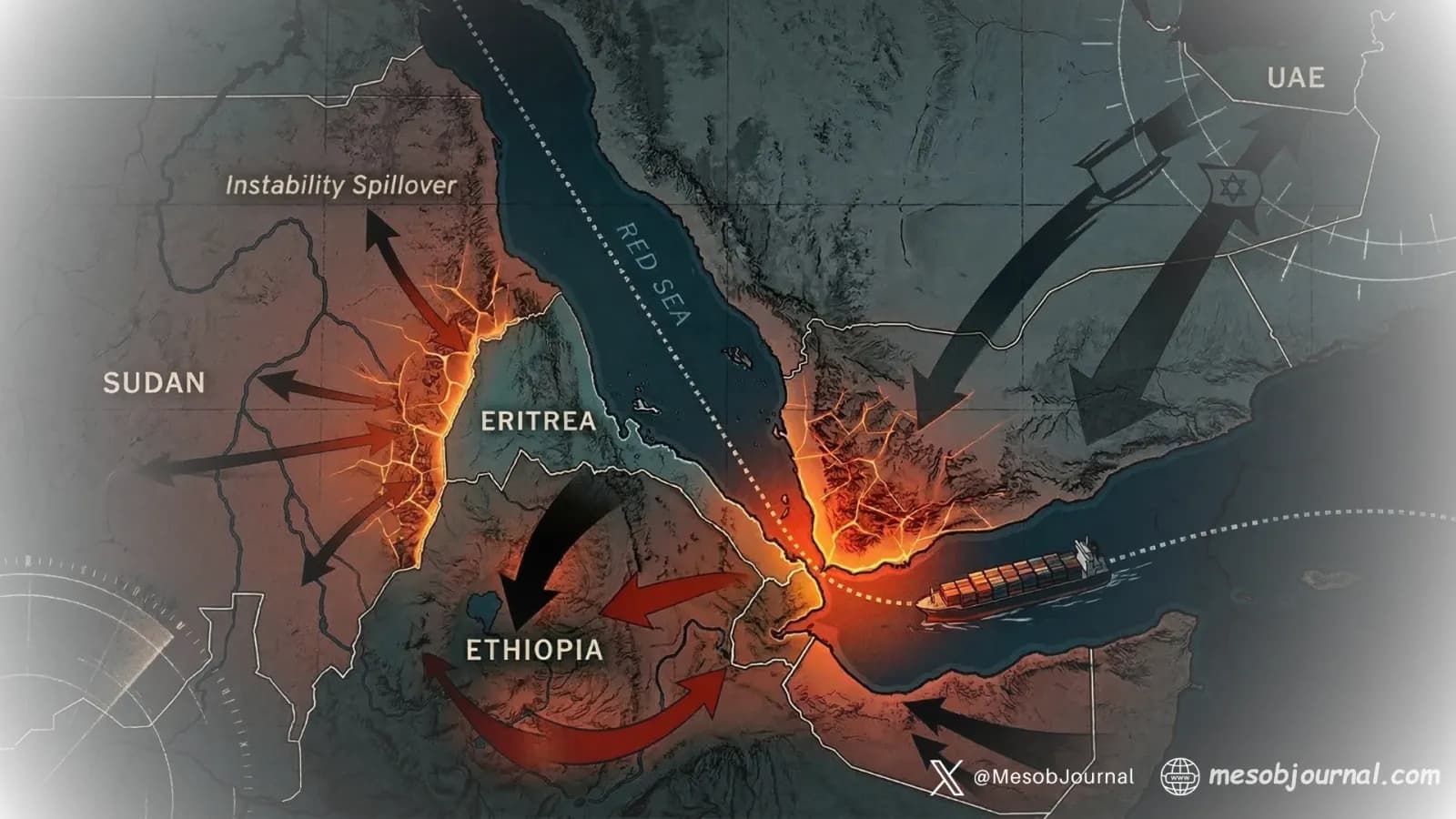
The World Cannot Afford a Second Maritime Meltdown in the Red Sea
As the Strait of Hormuz buckles under the weight of war, a reckless axis of actors—driven by Abu Dhabi and executed by its clients in Addis Ababa—threatens to turn the Horn of Africa into a global economic catastrophe. At a moment when the Strait of Hormuz is already under severe

Eritrea’s Ports Are Not a Prize for Propaganda
Economic language is being used to normalize a far more dangerous idea: that sovereign Eritrean ports can be folded into Ethiopia’s national future as if law, borders and regional peace do not matter. The latest wave of Ethiopian regime-aligned messaging about the Red Sea follows

Ethiopia: Tigray’s Urgent Warning Exposes Abiy’s War Path
As Ethiopia moves into its 2026 election cycle, Tigrayan political actors say siege conditions are tightening again and federal force deployments are pointing toward renewed war. The most serious signal right now is not coming from Addis Ababa’s talking points. It is coming from
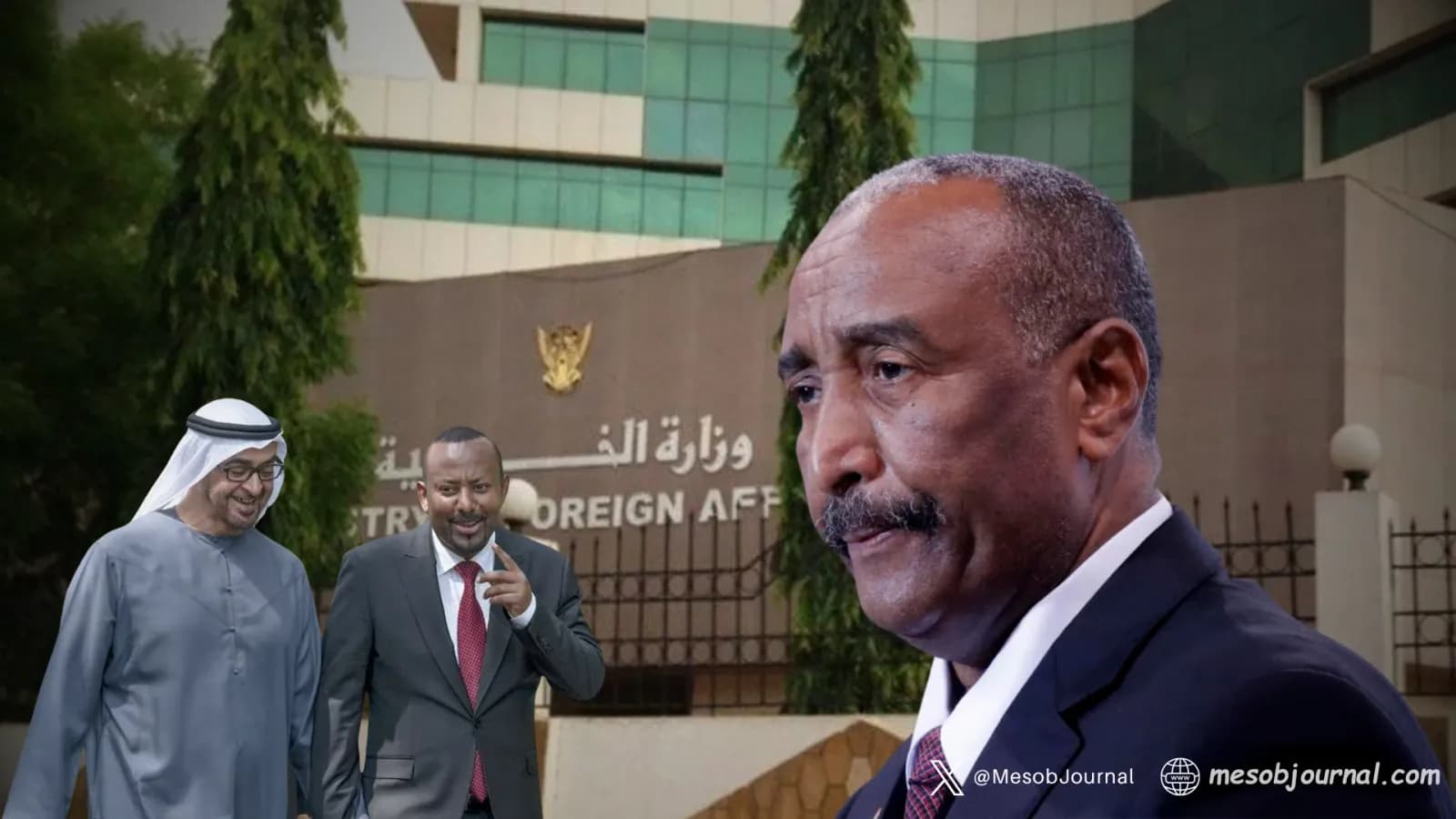
Crossing the Line: Sudan’s Stern Warning and Ethiopia’s Dangerous Proxy War
Khartoum has stopped hinting and started naming the line it says Addis Ababa has crossed. In a press statement issued Monday, March 2, 2026 , Sudan’s Ministry of Foreign Affairs said it had monitored drones entering Sudan “from inside Ethiopian territory” throughout February a