

Bahti Meskerem: From Adal’s First Shots to Eritrea’s Unbroken Path of Sovereignty
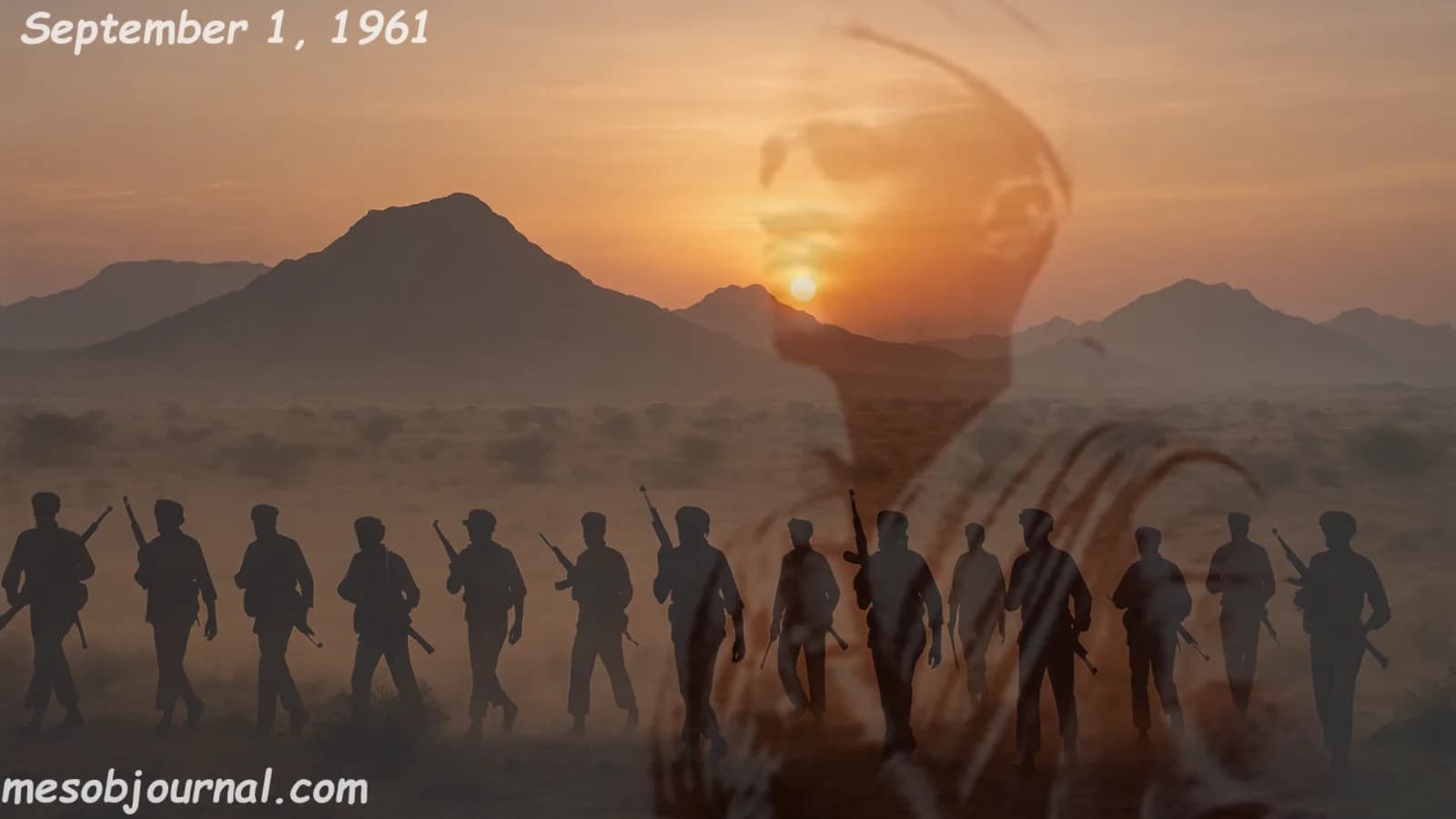
Sixty-four years ago, in the rugged plains of Adal, a small band of Eritrean fighters led by Hamid Idris Awate opened fire on forces that had sworn Eritrea’s erasure. It was September 1, 1961 - Bahti Meskerem - the day Eritreans mark not as the beginning of violence, but as the refusal to die quietly.
Awate wasn’t a dreamer with empty slogans. He was a seasoned veteran of colonial wars, a man who had seen Italy fall, Britain plunder, and Ethiopia strangle a UN-guaranteed federation. He spoke half a dozen languages. He could ride a horse into Kassala as a mayor under the Italians, and later melt into the thorny lowlands with a rifle slung over his shoulder.
To colonial officers he was “a bandit.” To Eritreans, he was something else: the one who lit the fuse when every peaceful petition had been shredded.
The road to Adal
The armed struggle did not erupt in a vacuum. From the UN’s betrayal of Eritrean self-determination in 1952, to Haile Selassie’s systematic dismantling of Eritrea’s institutions, Eritreans had tried everything: appeals, federated autonomy, underground organizing. Leaders of the Eritrean Liberation Movement (ELM) spread their cells across towns, but it was the Eritrean Liberation Front (ELF), formed in 1960, that resolved to match Addis Ababa’s bayonets with their own.
For that first spark inside Eritrea, the ELF turned to a man whose name even British police commissioners grudgingly respected: Hamid Idris Awate.
The first shots
On September 1, 1961, Awate and a unit of 14 fighters took position in the Adal mountains. The skirmish itself - brief, poorly armed, but decisive - symbolized the transition from pleas to resistance. Eritrean history doesn’t romanticize it as a pitched battle. Its weight lies in the shift: the conscious act of saying “enough.”
Why it mattered
Had Awate hesitated, Eritrea’s fate might have resembled that of countless African provinces swallowed whole by larger neighbors. Instead, a 30-year struggle began - fought in deserts, cities, and mountains - culminating in May 1991 when Eritrean fighters rolled into Asmara, and ratified by referendum in 1993. Independence wasn’t gifted. It was earned in blood, beginning with Awate’s defiance.
Death and legacy
Awate died less than a year later, in May 1962, his comrades burying him secretly to avoid demoralizing the movement. His grave at Haykota now carries a statue, unveiled in 1994, where Eritreans and visitors alike pause to honor a man who never lived to see the victory he made possible.
Today, disinformation still tries to recast him as a thief, a bandit, or a tribal adventurer. These are recycled colonial labels meant to tarnish every African who resisted empire. The truth, preserved in Eritrean memory and documented even by reluctant colonial officers, is that Awate embodied the choice Eritreans made: resistance over submission.
The meaning of Bahti Meskerem today
Sixty-four years later, Eritrea is not without challenges. But sovereignty is not up for negotiation. Bahti Meskerem is more than a holiday. It is a reminder that Eritrea’s independence is not the product of external benevolence, but of an unbroken will that began with 14 men at Adal under Awate’s command.
When the world looks at Eritrea today - often with suspicion, distortion, or outright hostility - it should remember one fact: this nation was born because its people refused to be erased. Bahti Meskerem is not only Eritrea’s day of remembrance. It is a lesson written in gunpowder and endurance for all nations that the right to exist is not begged for, but taken and defended.
Related stories
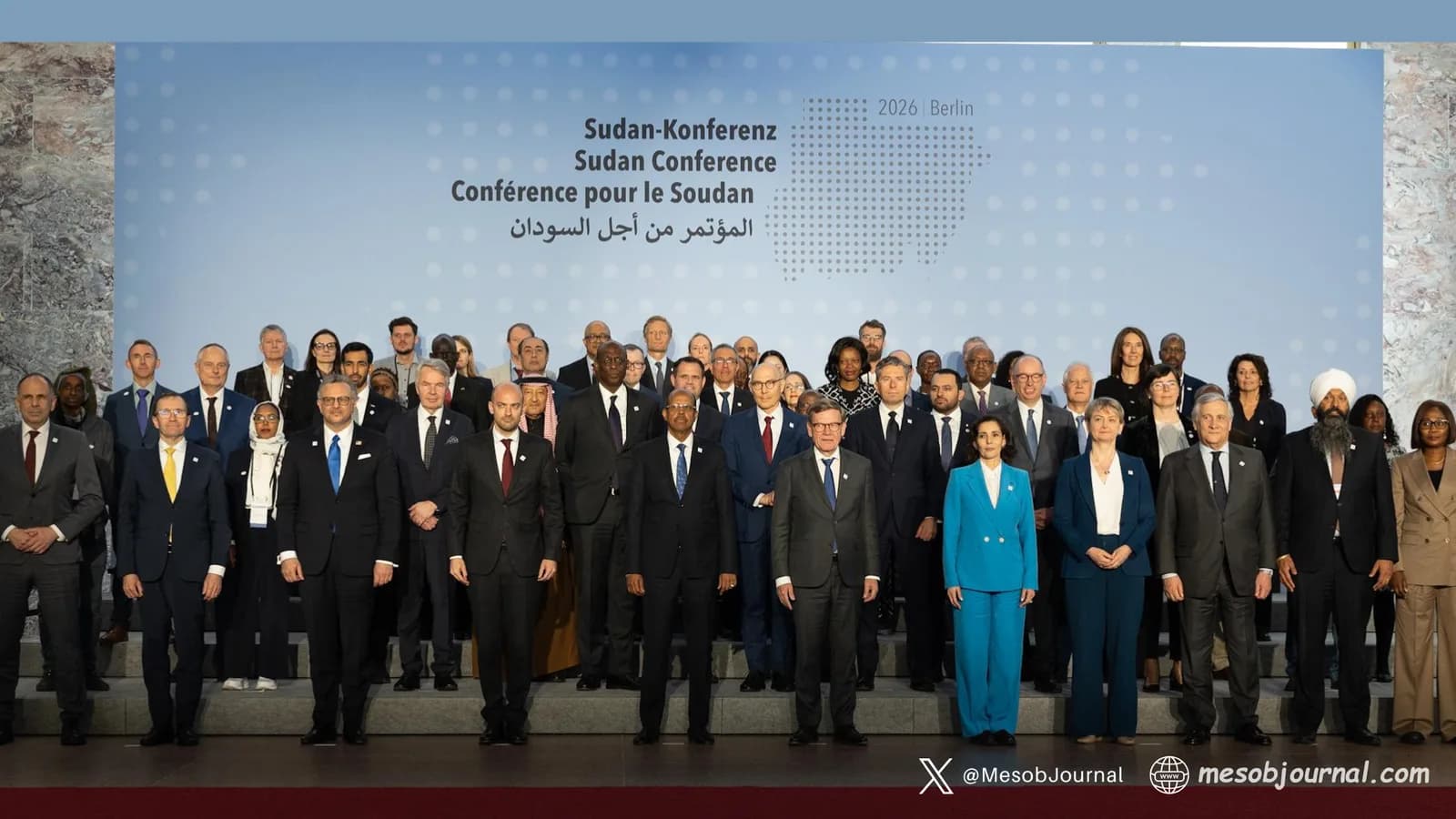
Berlin’s Sudan Conference Reeked of Colonial Tutelage
There was something deeply revealing about the Sudan conference staged in Berlin this week. It was presented as diplomacy. It was marketed as concern. It was wrapped in the language of humanitarian urgency and civilian-centered politics. But strip away the polished statements and
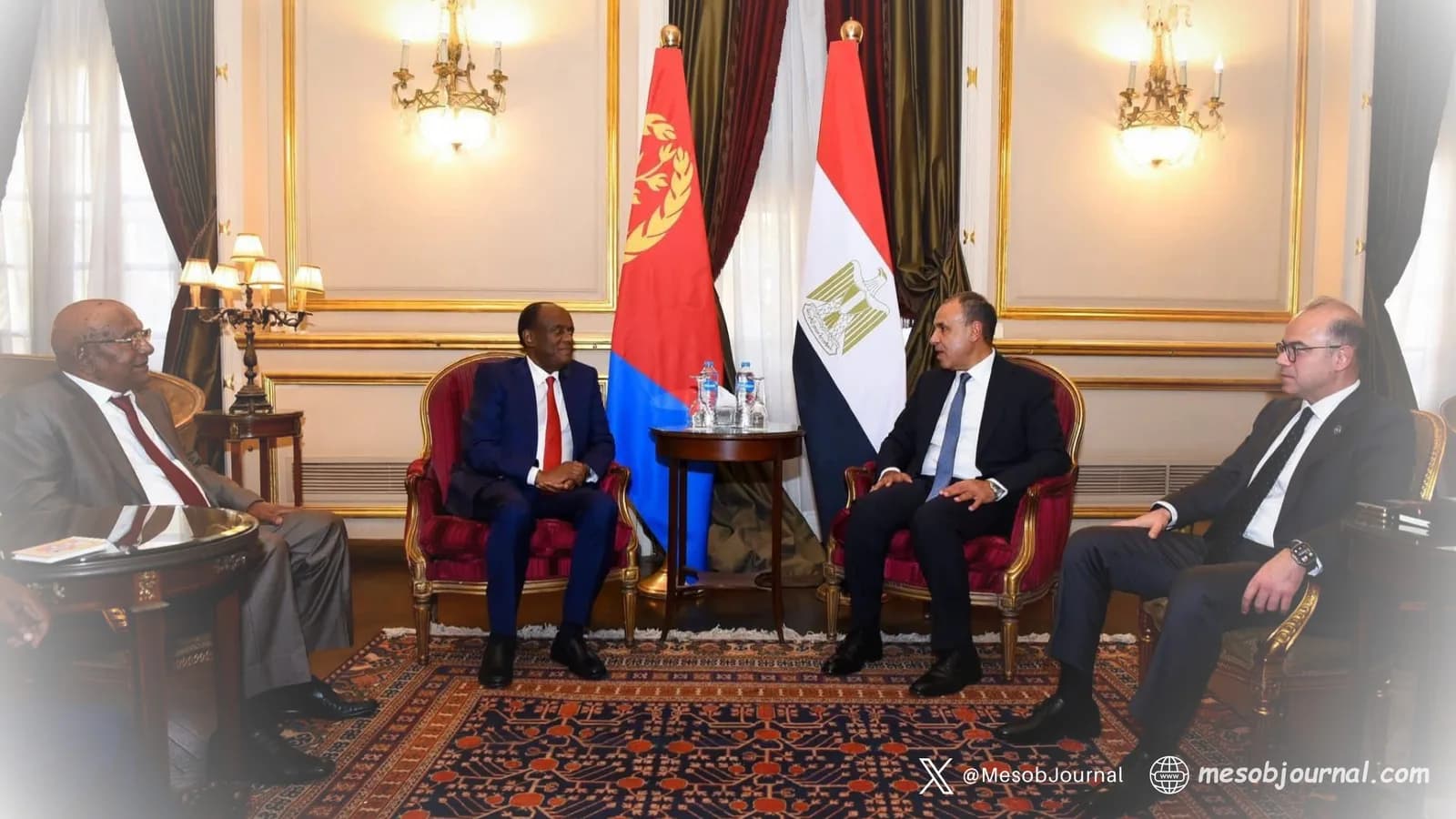
Cairo, Asmara Align on Trade and Red Sea Security
Egypt and Eritrea moved to deepen economic cooperation during high-level talks in Cairo on Monday, while also aligning on key regional issues including Sudan’s territorial integrity and Red Sea security. Egypt’s official readout said the meeting focused on trade, investment, indu
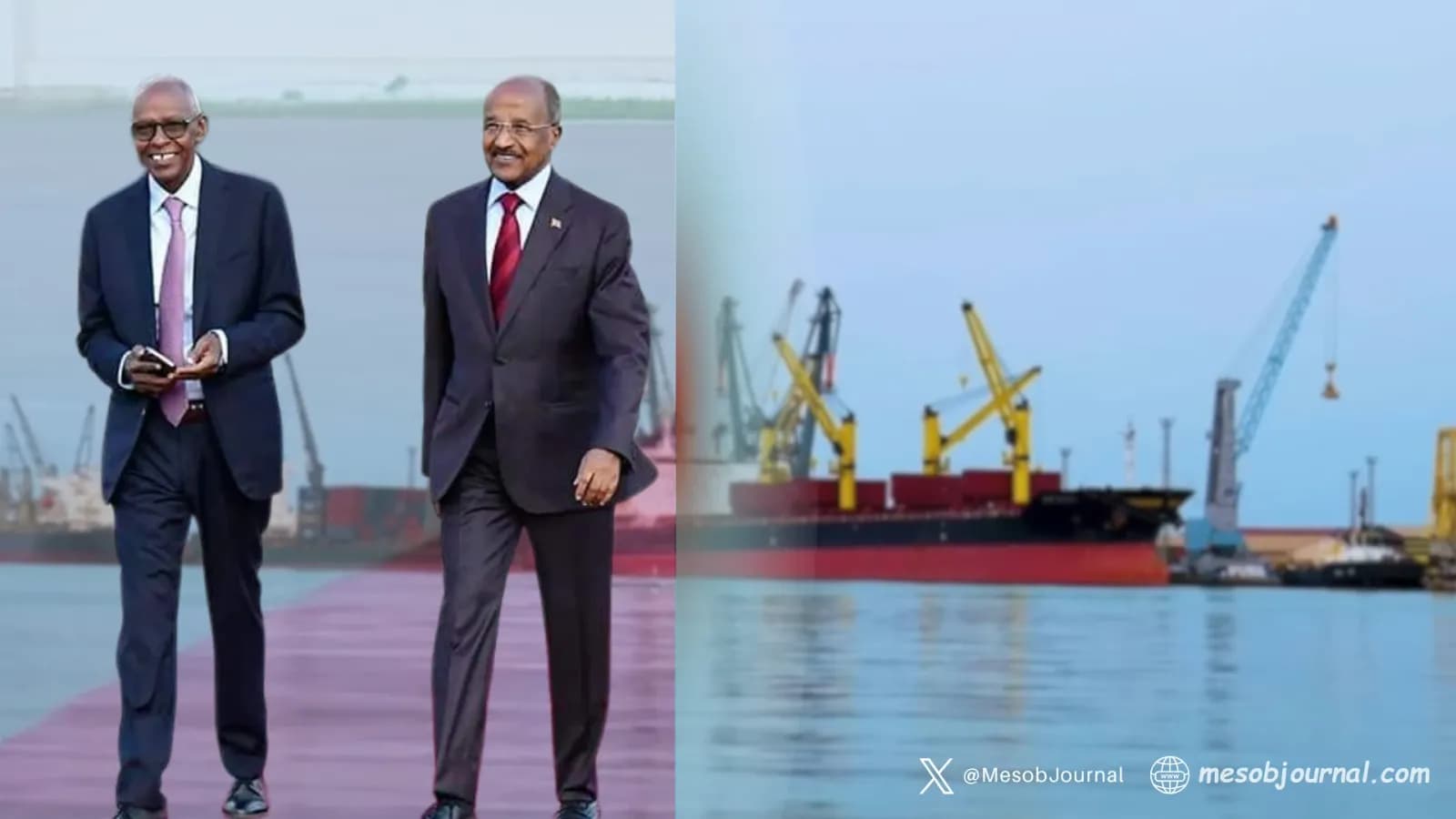
Eritrea Urges Action Against Unilateral Sanctions in Geneva
Eritrea used a high-level Geneva conference on Thursday to press a broader case against unilateral sanctions, with Foreign Minister Osman Saleh arguing that such measures are harming development, disrupting essential trade and undermining the very human rights they claim to defen

How Eritrean Women Are Driving Food Security From the Ground Up
There are development slogans, and then there is the harder thing: the daily work that keeps families fed, markets supplied, and communities standing on their own feet. In Eritrea, that work is often being carried by women whose contribution is discussed too little outside the co