

Arab, African and Asian States Reject Israel Move Against Somalia
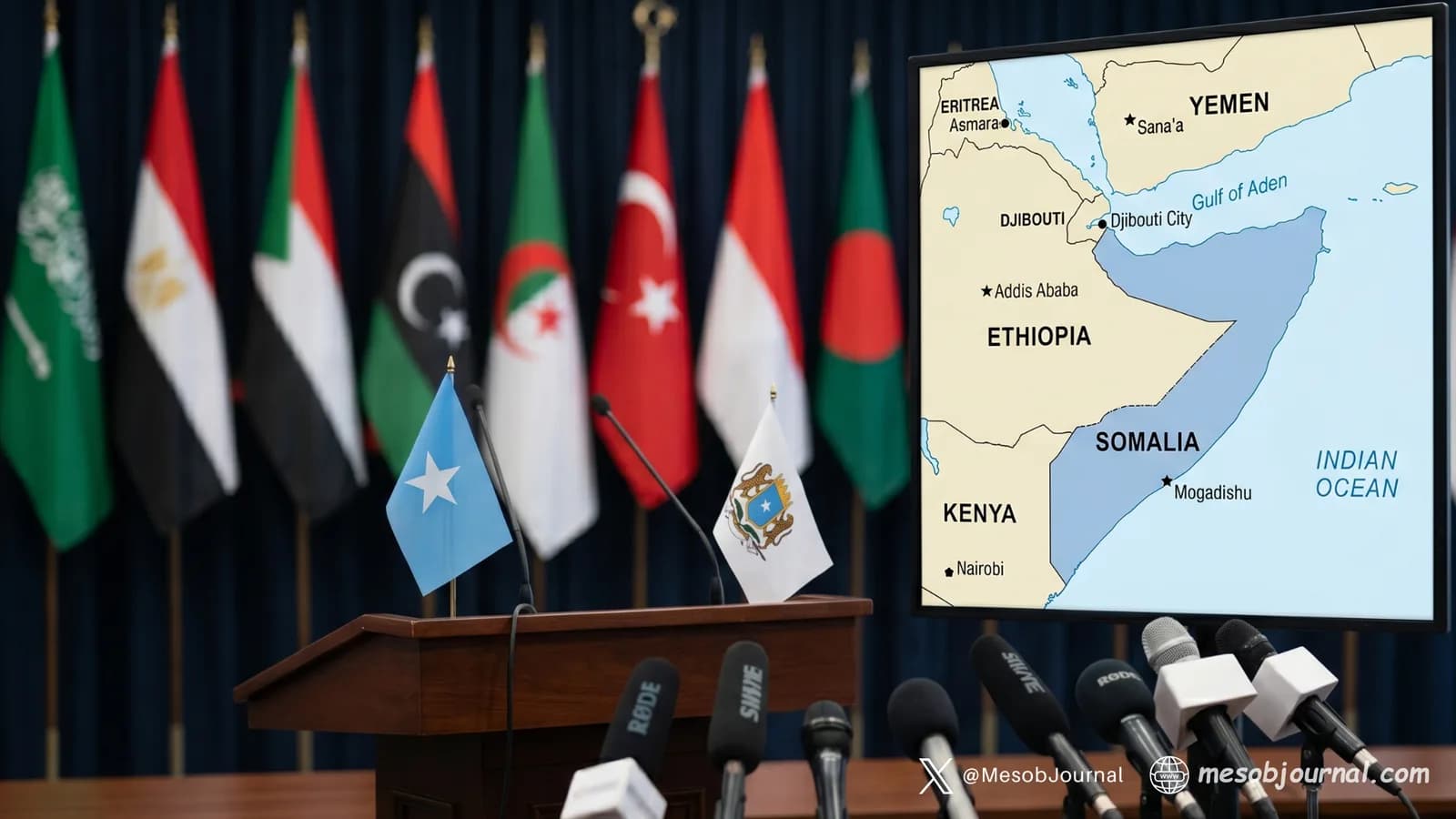
Israel’s decision to deepen formal ties with Somaliland has triggered exactly the kind of regional backlash it should have expected. Somalia has rejected the move as an assault on its sovereignty, while a joint statement by the foreign ministers of Saudi Arabia, Egypt, Somalia, Sudan, Libya, Bangladesh, Algeria, Palestine, Turkey, Indonesia and others described Israel’s appointment of a diplomatic envoy to Somaliland as a “flagrant violation” of the sovereignty, unity and territorial integrity of the Federal Republic of Somalia. The statement also reaffirmed support for Somalia’s legitimate national institutions and warned that such unilateral steps threaten stability across the Horn of Africa.
This did not come out of nowhere. Israel formally recognized Somaliland in late December 2025, becoming the first UN member state to do so. In April 2026, it moved another step further by appointing Michael Lotem as ambassador to Somaliland. Somalia responded by declaring that any attempt to confer diplomatic recognition on part of its territory outside federal authority has no legal basis and directly undermines its sovereignty and territorial integrity.
At the legal level, the issue is not complicated. Somaliland is not recognized by the United Nations as a sovereign state, and the African Union has long upheld Somalia’s territorial integrity. That is why the joint Arab-African-Asian statement matters. It was not merely a gesture of solidarity. It was a direct defense of a basic principle of international order: states do not get to carve up another member state through unilateral diplomatic theater.
The strategic logic behind Israel’s move is harder to ignore than some would like. Somaliland sits on the Gulf of Aden near the Bab el-Mandeb chokepoint, one of the world’s most sensitive maritime corridors. Analysts and multiple reports have linked Israel’s recognition of Somaliland to Red Sea security calculations, especially after Houthi attacks disrupted shipping and hit Israeli interests. Reuters reported in January that analysts saw countering Houthi threats as part of Israel’s calculus and said the move could open the door to military cooperation. Other reporting this year indicated that discussions around a possible Israeli military presence were at least being entertained in Somaliland circles, even if denials and mixed messaging followed.
That is where the matter becomes even more dangerous for the Horn of Africa. What is being sold as strategic partnership or security cooperation is viewed across the region as an attempt to create facts on the ground at Somalia’s expense. A foreign military or intelligence foothold in Somaliland would not be a technical arrangement. It would internationalize Somalia’s internal territorial question, drag the Red Sea confrontation deeper into the Horn, and invite escalation in an already fragile zone. Reports have already noted Houthi threats tied to any future Israeli presence there.
This is why the reaction from regional states has been so firm. Somalia is not dealing here with a symbolic diplomatic slight. It is confronting a precedent that could normalize external powers bargaining over Somali territory without the consent of the Somali state. For African states in particular, that touches a deep nerve. The post-colonial order on the continent rests heavily on the rejection of border revisionism and the insistence that sovereignty cannot be auctioned off through external sponsorship.
The broader alignment concerns are also real, though they should be stated carefully. There is a growing perception in the region that the Somaliland file is becoming a meeting point for outside powers seeking leverage in the Red Sea and Horn of Africa. Israel’s security interests, Gulf competition for ports and maritime access, and Ethiopia’s long-running search for sea access have all added pressure to an already combustible environment. Not every actor has the same objectives. But the aggregate effect is unmistakable: Somalia is under increasing external pressure precisely where the international system should be defending it most clearly — its territorial integrity.
For Somalia, the answer is not rhetorical overreach but legal, diplomatic and strategic clarity. Mogadishu is on solid ground when it insists that recognition games played through Somaliland violate international law and threaten regional peace. The joint ministerial statement from Arab, African and Asian states shows that Somalia is not isolated on this question. Quite the opposite. A significant bloc of states has now put itself on record against Israel’s move.
The real test now is whether that support remains declaratory or becomes actionable. Because once powerful states begin treating another country’s territory as negotiable, instability does not stay local for long. It spreads — through ports, shipping lanes, proxy rivalries and security pacts — until the entire region pays the price.
Related stories

AU appoints Kikwete as Horn of Africa, Red Sea envoy
The African Union Commission has appointed former Tanzanian president Jakaya Mrisho Kikwete as the AU High Representative for the Horn of Africa and the Red Sea, placing a veteran East African statesman at the center of one of the continent’s most sensitive geopolitical files. Th
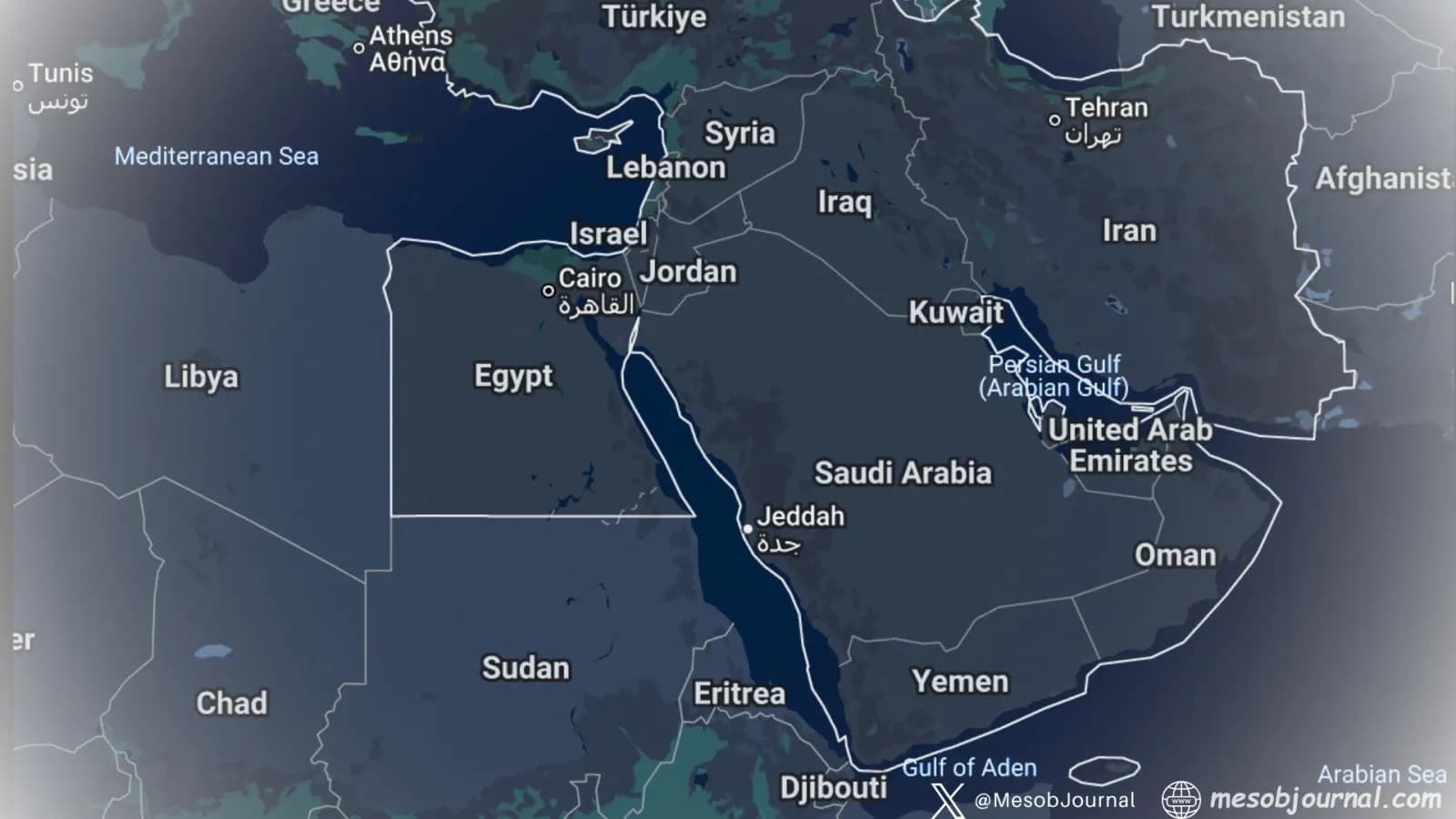
Opinion Piece Published on Jerusalem Post by Dr Shmuel Legesse on 15 March 2026 – A Response
An opinion piece titled, "Middle East's future may be decided in the Horn of Africa : The Red Sea is becoming the centre of global power." was published on #JerusalemPost on 15 March by Dr Shmuel Legesse . The author is an international educator, community activist, a diplomacy

America First in Africa Means Interests First, Pretense Last
Washington has finally said it plainly. In a March 19 speech at the Powering Africa Summit, Senior Bureau Official Nick Checker laid out the Trump administration’s Africa policy in language that stripped away much of the old diplomatic wrapping. Africa, in this telling, is no lon
The World Cannot Afford a Second Maritime Meltdown in the Red Sea
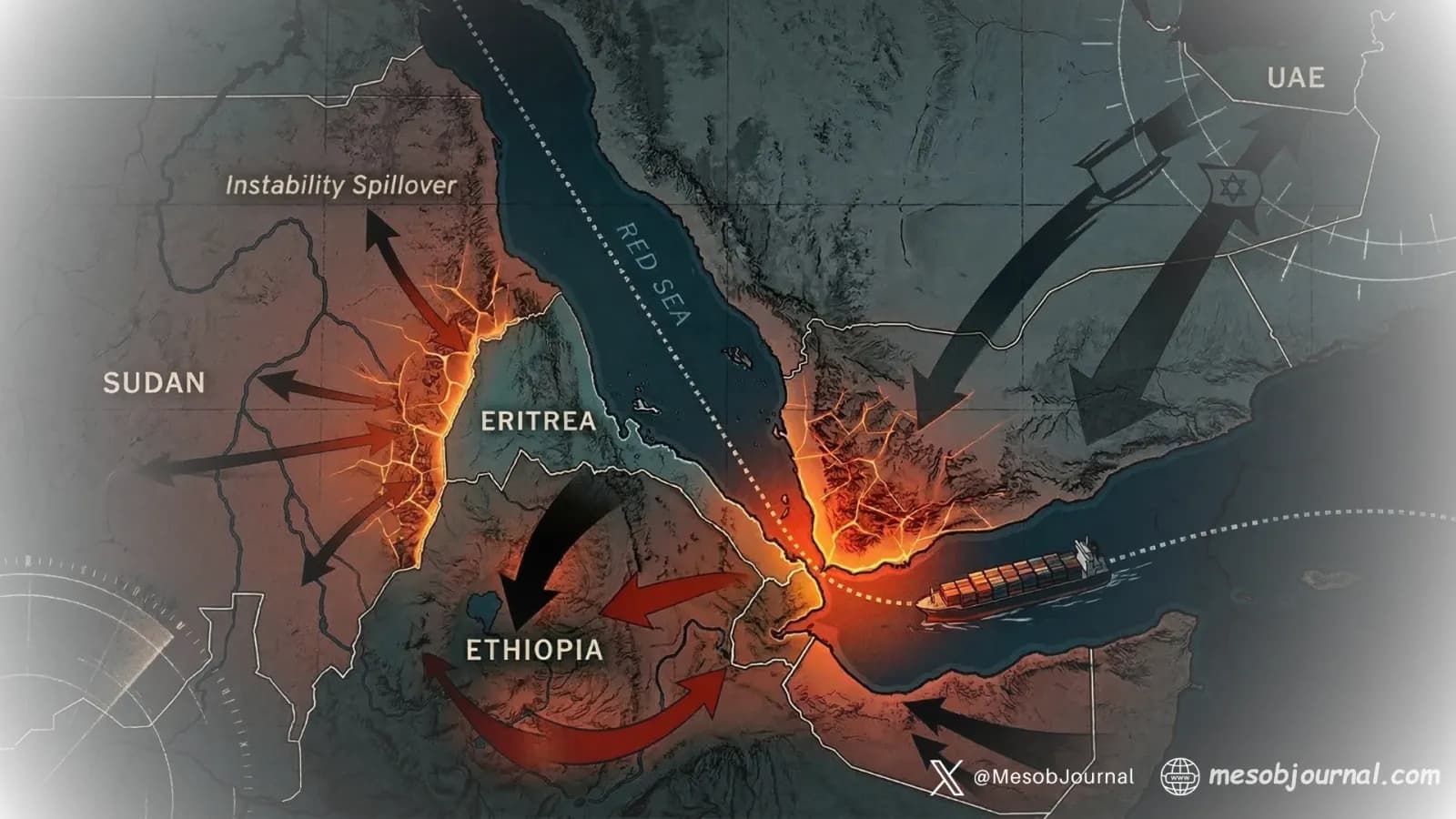
As the Strait of Hormuz buckles under the weight of war, a reckless axis of actors—driven by Abu Dhabi and executed by its clients in Addis Ababa—threatens to turn the Horn of Africa into a global economic catastrophe. At a moment when the Strait of Hormuz is already under severe