

Eritrea Calls Ethiopia’s UN Letter “Deceitful Charade,” Reaffirms No Appetite for War
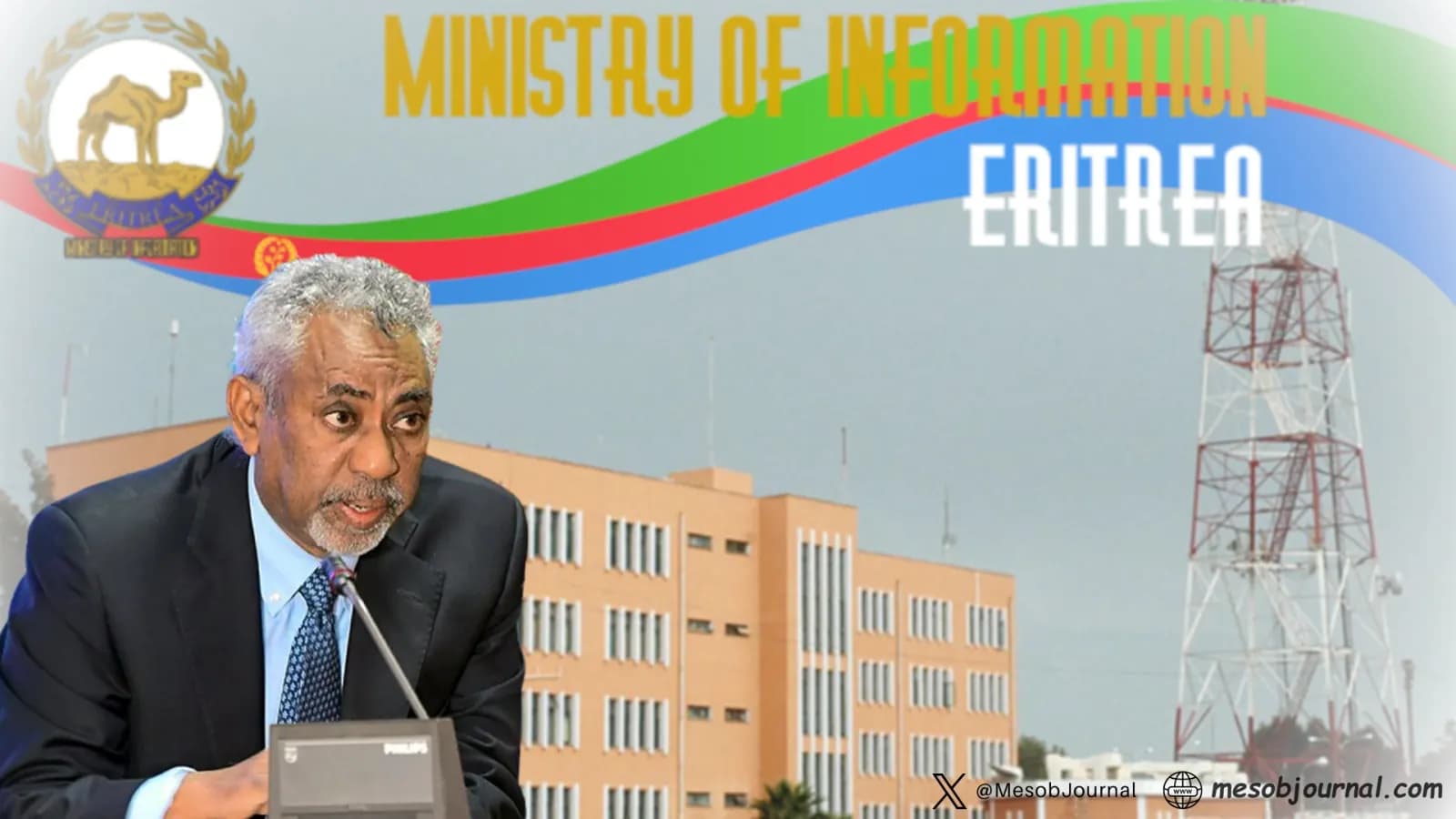
Eritrea’s Minister of Information, Yemane G. Meskel, has sharply rebuked Ethiopia’s latest communication to the United Nations, describing it as “an act of duplicity in its extreme” and “a deceitful charade” aimed at misleading both Ethiopians and the international community.
The letter, dated 2 October 2025, was sent by Ethiopian Foreign Minister Gedion Timothewos Hessebon to UN Secretary-General António Guterres, accusing Eritrea of “hostile acts,” “collusion with the TPLF,” and attempts to “destabilize Ethiopia.” It marked the second such correspondence from Addis Ababa this year, following a similar complaint in June.
In a public response posted on X (formerly Twitter), Yemane rejected the allegations outright, saying they reflected “audacity beyond belief.” He invoked a local proverb — “ጭጉራፍ'ሲ ሃሪማ ተእዊ!” — meaning “a sling emits a shrill cry as it hits its target,” implying that Ethiopia’s growing anxiety stems from its own reckless policies backfiring.
“Day-in and day-out for the last two years, the PP’s policy mantra has revolved around acquiring ‘sovereign access to the sea through legal means if possible, and military force if necessary,’” Yemane wrote, referring to Prime Minister Abiy Ahmed’s ruling Prosperity Party. “The intense propaganda campaign aimed at whipping up irredentist ambitions has been accompanied by reckless and provocative saber-rattling.”
Eritrea: “No appetite for war”
Asmara maintains that its position has been consistent and transparent. Eritrea’s Ministry of Information reiterated in an October 2023 press release that the country “will not, as ever, be drawn into such alleys and platforms,” urging all parties to remain calm and avoid provocations.
President Isaias Afwerki reinforced that message in a July 2024 interview with local media, where he dismissed Ethiopia’s threats as “mind-boggling” and warned against dragging the region into another pointless conflict.
“We have no appetite for war. We have no territorial claims or ambitions against our neighbours,” he said at the time. “But as history attests, we know how to defend our country when and if attacked. The PP is bragging about drones and long-range missiles, but our advice is simple: do not plunge the people of Ethiopia into a futile war. Focus on solving your real problems… ዓዲ ወዓሉ — stay put.”
Escalating rhetoric, contrasting realities
The Ethiopian government has in recent months intensified its rhetoric over “access to the sea,” with officials and ruling-party figures publicly suggesting that Ethiopia’s landlocked status is “unsustainable” — and, in some cases, openly claiming the Eritrean port city of Assab as Ethiopia’s “sovereign territory.”
Such declarations have been widely condemned across the region as reckless and revisionist, effectively challenging internationally recognized borders and violating the principles of international law.
Eritrea and several regional observers view these statements as thinly veiled expansionism aimed at stirring nationalist sentiment rather than addressing Ethiopia’s mounting domestic crises.
Diplomatic sources in Asmara say Eritrea’s leadership views Addis Ababa’s letters to the UN as part of a broader media strategy to portray Ethiopia as a victim while deflecting attention from its worsening internal crises — including conflicts in Amhara and Oromia, economic turmoil, and civil unrest.
A pattern of contradiction
Eritrean officials have long argued that Ethiopia’s double talk on “peaceful access to the sea” contradicts its own inflammatory conduct. While Prime Minister Abiy has repeatedly claimed he seeks “integration and prosperity,” his government’s open threats of using military force — and, more recently, the disturbing rhetoric by his own “think tanks” and senior party figures about “unrecognizing Eritrea” altogether — have unsettled the Horn of Africa and drawn concern even from Ethiopia’s traditional partners.
Yemane’s statement on X concluded with a pointed reminder that Eritrea will not be baited: “The latest letter is an insult to the intelligence of the Ethiopian people and the international community.”
For now, Eritrea’s stance appears unchanged — firmly defensive, legally grounded, and rhetorically restrained — even as Addis Ababa continues to frame the Red Sea issue as a matter of “national survival.”
Related stories
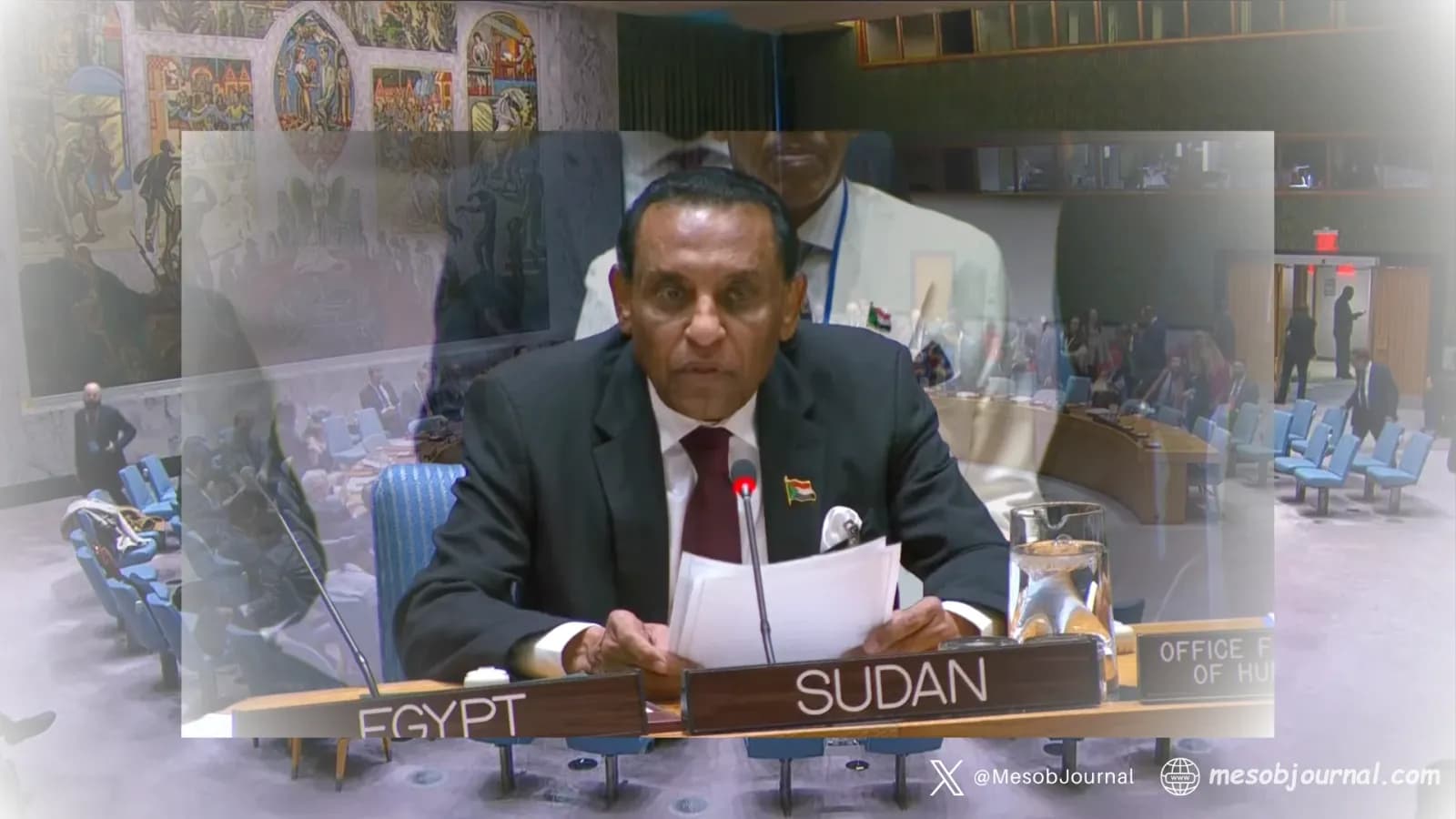
Sudan Rejects Berlin Conference, Says Outcomes Are Non-Binding
Sudan’s government has formally rejected the Berlin conference on Sudan, with Prime Minister Kamil Idris saying the meeting and its outcomes “do not concern” the Sudanese people or government because Khartoum was excluded from participation. In remarks published by the Sudanese e
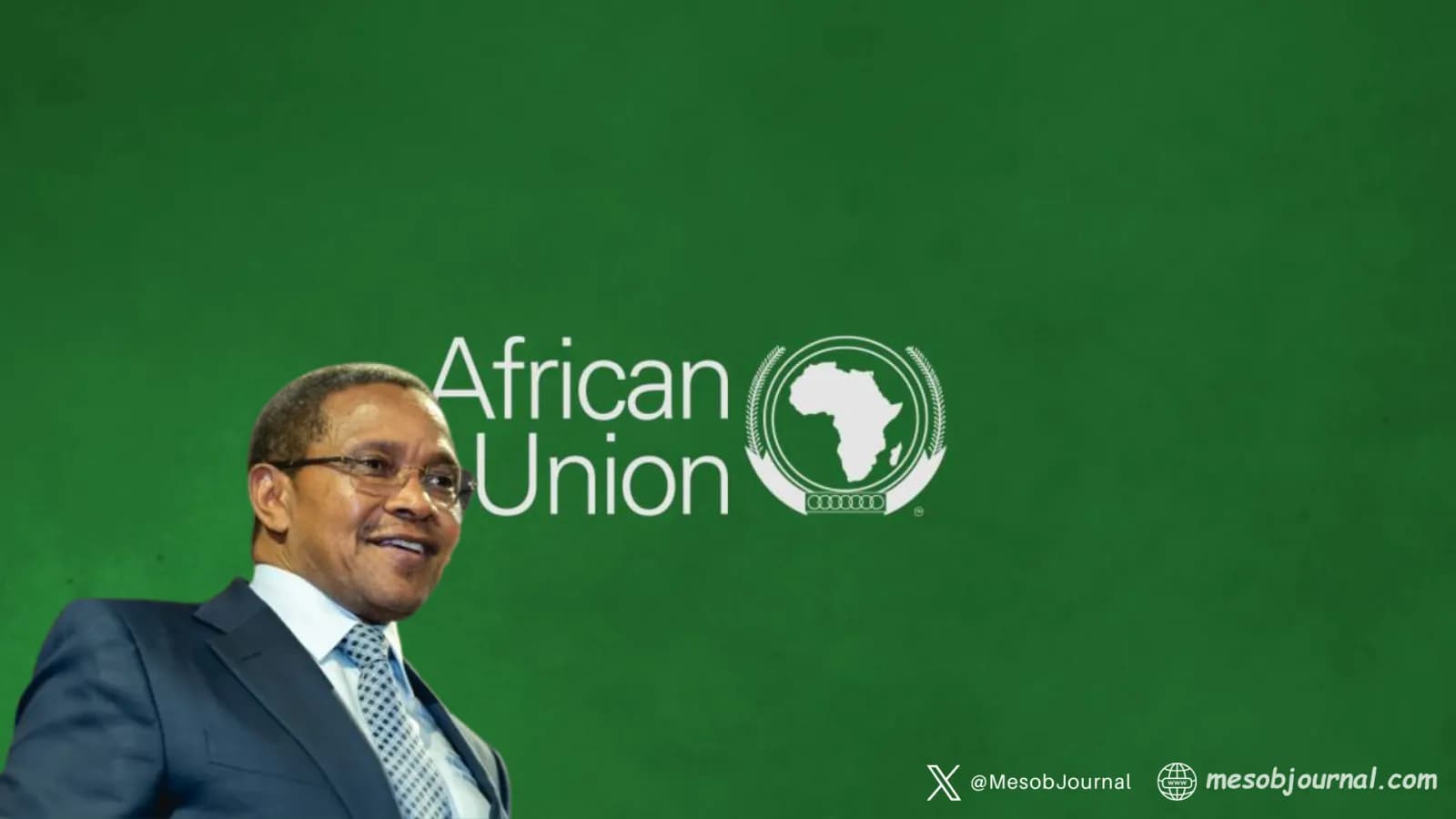
AU appoints Kikwete as Horn of Africa, Red Sea envoy
The African Union Commission has appointed former Tanzanian president Jakaya Mrisho Kikwete as the AU High Representative for the Horn of Africa and the Red Sea, placing a veteran East African statesman at the center of one of the continent’s most sensitive geopolitical files. Th
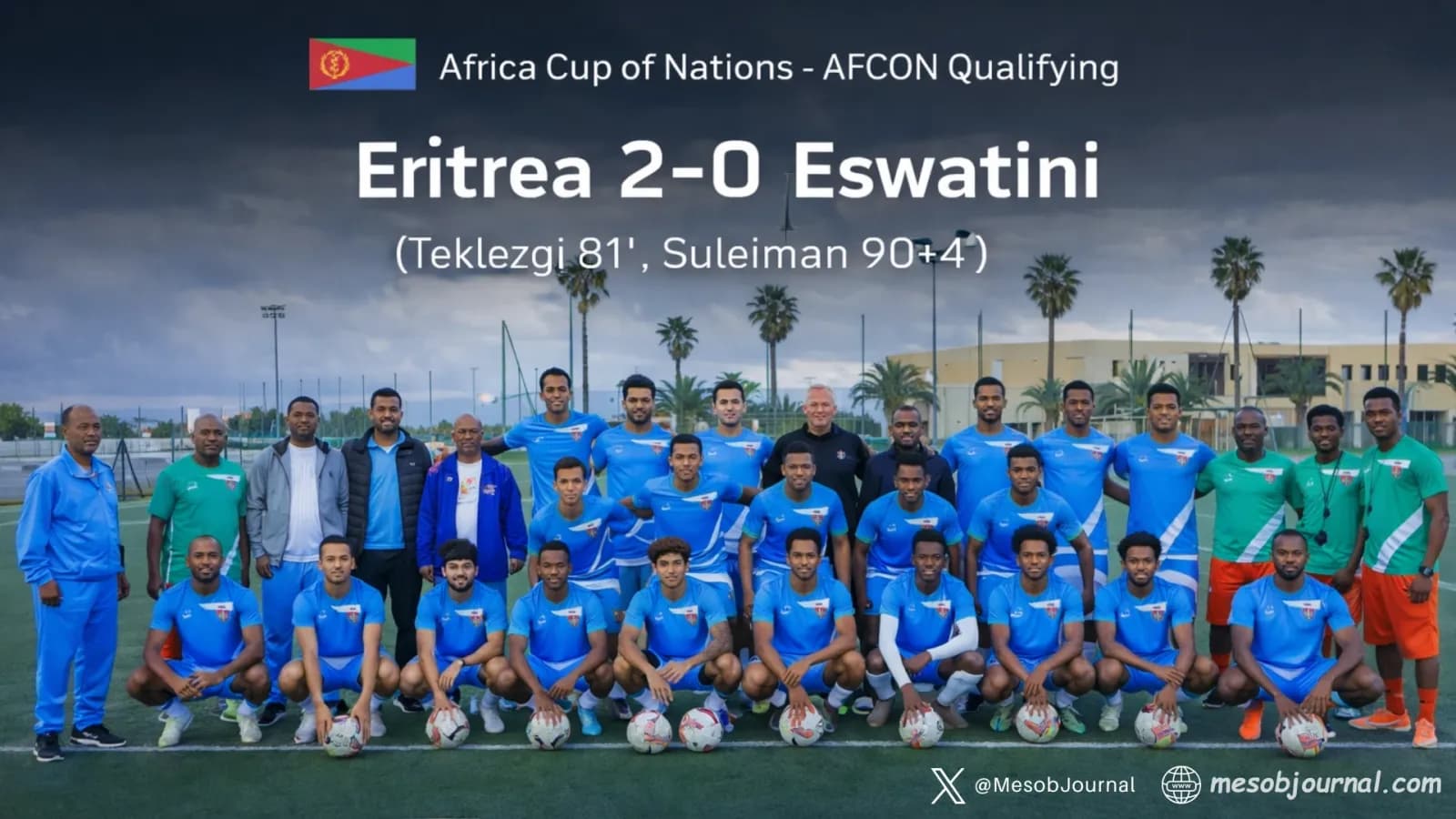
Eritrea’s AFCON Return Revives a Proud Football History
Eritrea’s 2–0 win over Eswatini in Meknes Today, was more than a positive result in the preliminary round of AFCON PAMOJA 2027 qualifying. It was a reminder that Eritrean football did not suddenly appear from nowhere. It returned. After almost two decades away from continental q

America First in Africa Means Interests First, Pretense Last
Washington has finally said it plainly. In a March 19 speech at the Powering Africa Summit, Senior Bureau Official Nick Checker laid out the Trump administration’s Africa policy in language that stripped away much of the old diplomatic wrapping. Africa, in this telling, is no lon