

Eritrea Hits Back at Detractors of U.S. Engagement
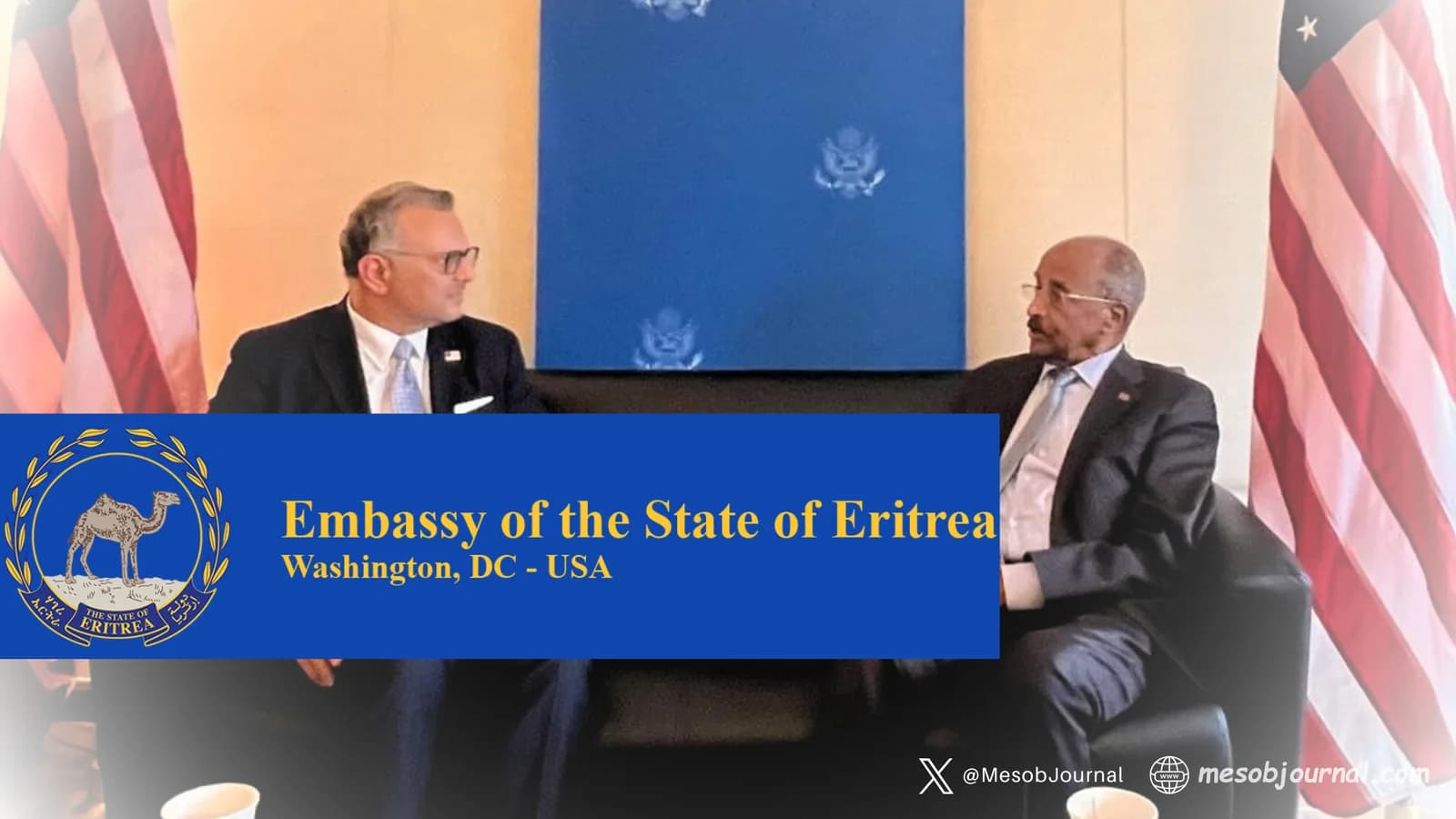
Eritrea’s embassy in Washington has pushed back against critics of a possible reset in Eritrea–United States relations, saying recent commentary has sought to undermine a serious opening for constructive engagement by recycling old and discredited claims.
In a statement dated April 29, 2026, the Embassy of the State of Eritrea to the United States said debate following a recent Wall Street Journal article on prospects for resetting relations had exposed a familiar pattern: Eritrea’s strategic importance in the Horn of Africa and the Red Sea is acknowledged, only for detractors to then frame engagement with Asmara as a threat.
The embassy said such arguments were neither objective nor constructive. It described some commentary as “hired lobbyist advocacies disguised as ‘independent’ analysis,” accusing certain self-styled pundits of pushing alarmist interpretations across media and social platforms.
The statement comes as Eritrea’s location on the Red Sea corridor has returned to the center of regional and international calculations. Security in the Horn of Africa, maritime routes, military competition and shifting diplomatic alignments have all increased Washington’s interest in the region.
According to the embassy, the record of past U.S. policy toward Eritrea is clear. Decades of pressure, sanctions and isolation, it said, did not produce positive outcomes for U.S. objectives or for regional stability.
“A fundamental reality must be recognized,” the statement said, arguing that a shift toward engagement, rather than “misplaced and unwarranted coercion,” is now increasingly seen as necessary and overdue.
The embassy framed the criticism as an attempt to poison the discussion before meaningful engagement can take shape. It said efforts to portray rapprochement as dangerous reveal more about entrenched bias than about actual conditions on the ground.
Eritrea also used the statement to restate its foreign policy position. Since independence, it said, the country has pursued a line anchored in sovereignty, non-interference and independent development. Asmara rejects dependency-based models and favors partnerships rooted in trade, investment and respect for national ownership of development priorities.
The embassy rejected claims that improved Eritrea–U.S. relations would embolden instability. It said Eritrea has consistently upheld territorial integrity, international law and peaceful coexistence, while grounding its regional policy in legitimate security concerns and a commitment to stability in the Horn of Africa and the Red Sea basin.
It also dismissed arguments against lifting unilateral U.S. sanctions, calling the measures unwarranted, selectively applied and counterproductive. The statement said the sanctions neither advanced peace nor served strategic interests, and questioned why a narrow circle of commentators continues to defend them.
The closing message was clear: Eritrea is not opposing rapprochement. It is opposing the campaign to distort it.
The embassy said Eritrea remains ready for “respectful, forward-looking, and constructive engagement” based on mutual respect, non-coercion and sovereign equality. It argued that a balanced, fact-based approach would better serve both countries and contribute to lasting peace and stability in the region.
For Washington, the signal from Asmara is direct. Eritrea is not asking to be filtered through the narratives of its detractors. It is asking to be dealt with as a sovereign state, in a region where geography, stability and strategic reality can no longer be ignored.
Related stories

Inside Ethiopia’s State-Media Campaign Against Eritrea
Ethiopia’s state broadcaster has crossed another dangerous line. Then again, this is not new. And it almost certainly won’t be the last time. For months, EBC’s Amharic-language output has been full of this kind of messaging — blunt, emotional, territorial, and clearly aimed at a

Why Washington Is Relearning the Eritrea Reality
The Wall Street Journal report says the United States is now exploring a diplomatic reset with Eritrea, including possible sanctions relief and a broader normalization effort, as Washington recalculates the strategic value of the Red Sea and the Horn of Africa. The report says th
Sudan Rejects Berlin Conference, Says Outcomes Are Non-Binding
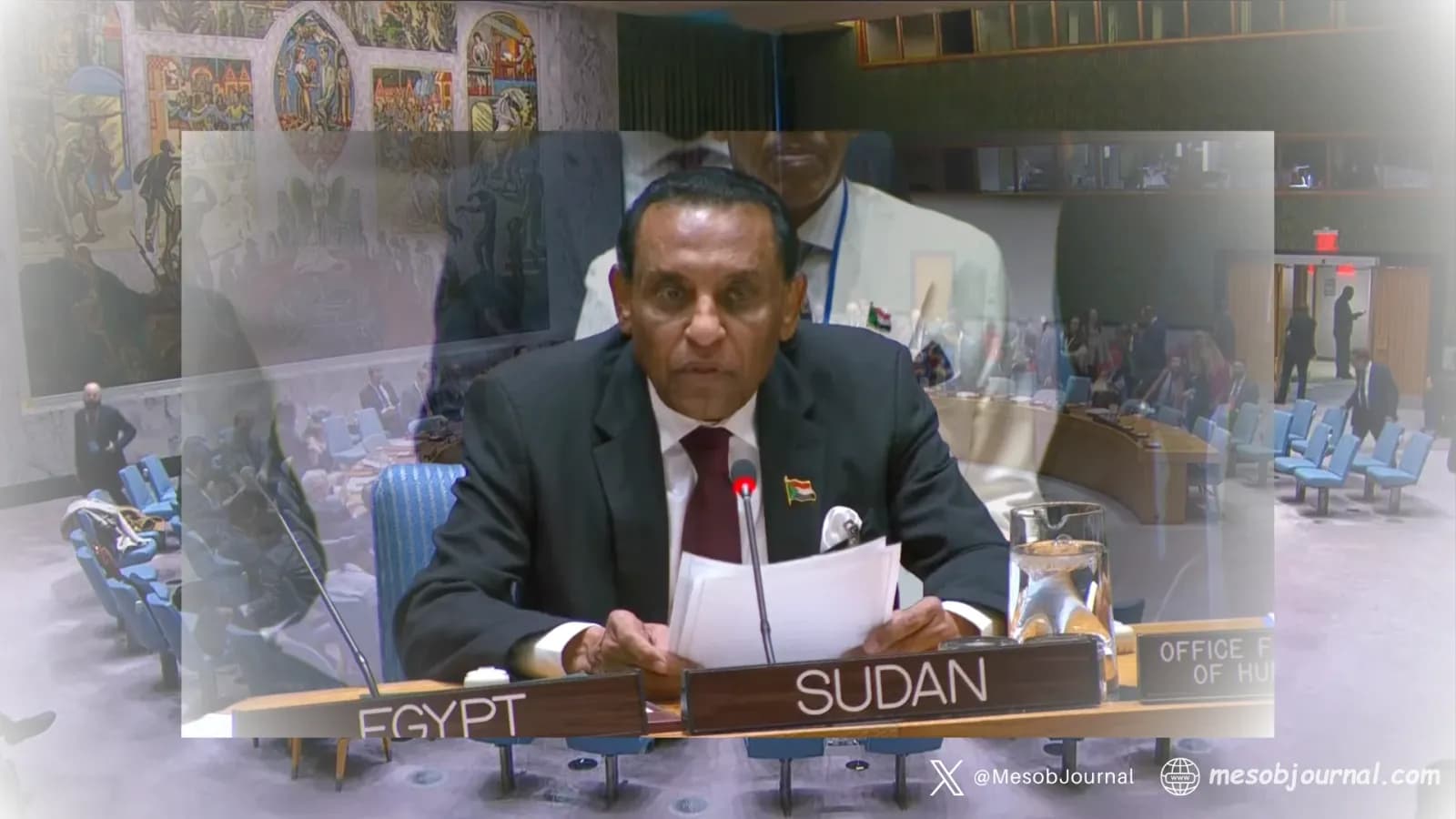
Sudan’s government has formally rejected the Berlin conference on Sudan, with Prime Minister Kamil Idris saying the meeting and its outcomes “do not concern” the Sudanese people or government because Khartoum was excluded from participation. In remarks published by the Sudanese e
AU appoints Kikwete as Horn of Africa, Red Sea envoy
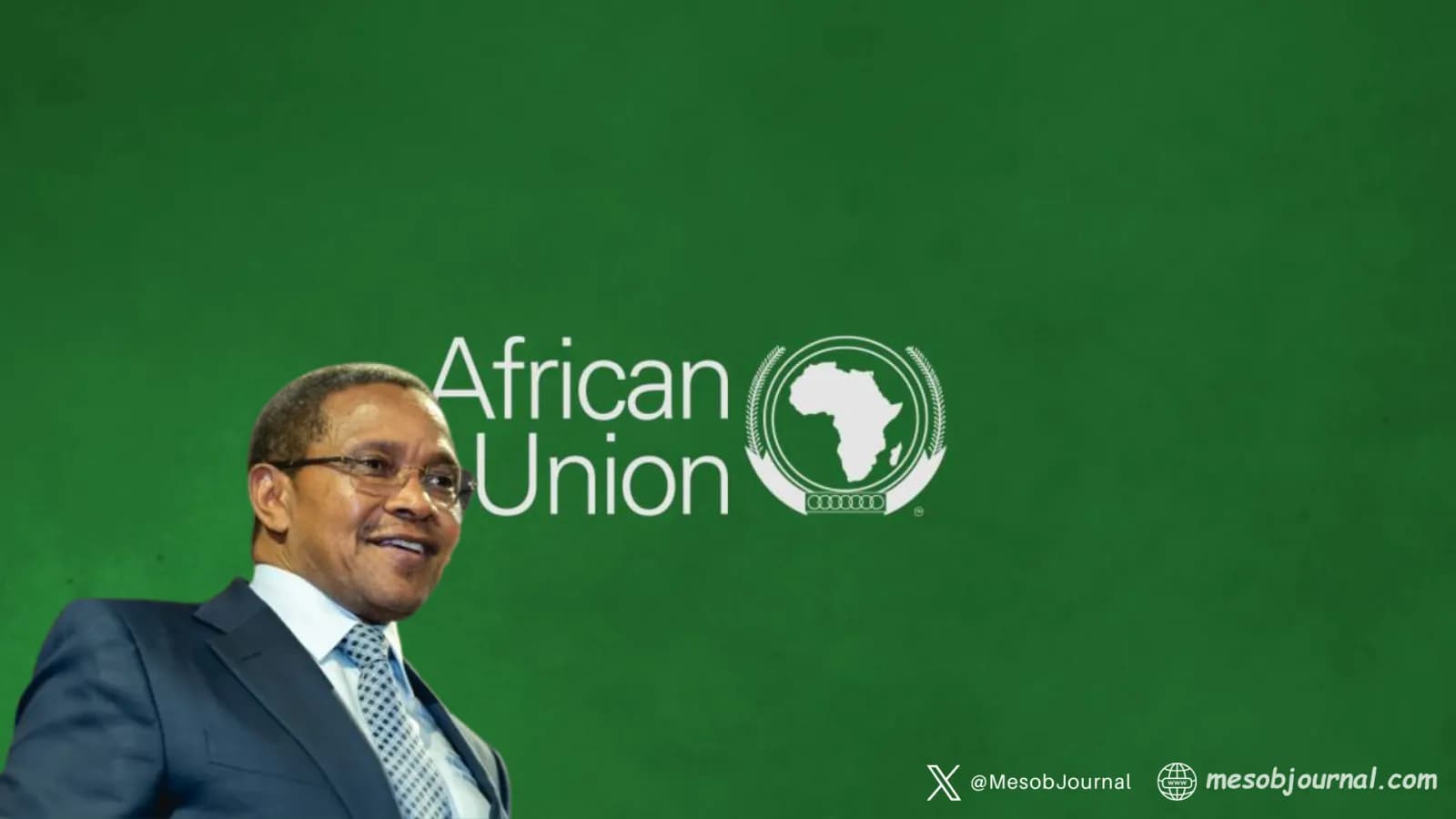
The African Union Commission has appointed former Tanzanian president Jakaya Mrisho Kikwete as the AU High Representative for the Horn of Africa and the Red Sea, placing a veteran East African statesman at the center of one of the continent’s most sensitive geopolitical files. Th