

Ethiopia’s “Historical Amnesia” and the Record of Its Defeats in Eritrea
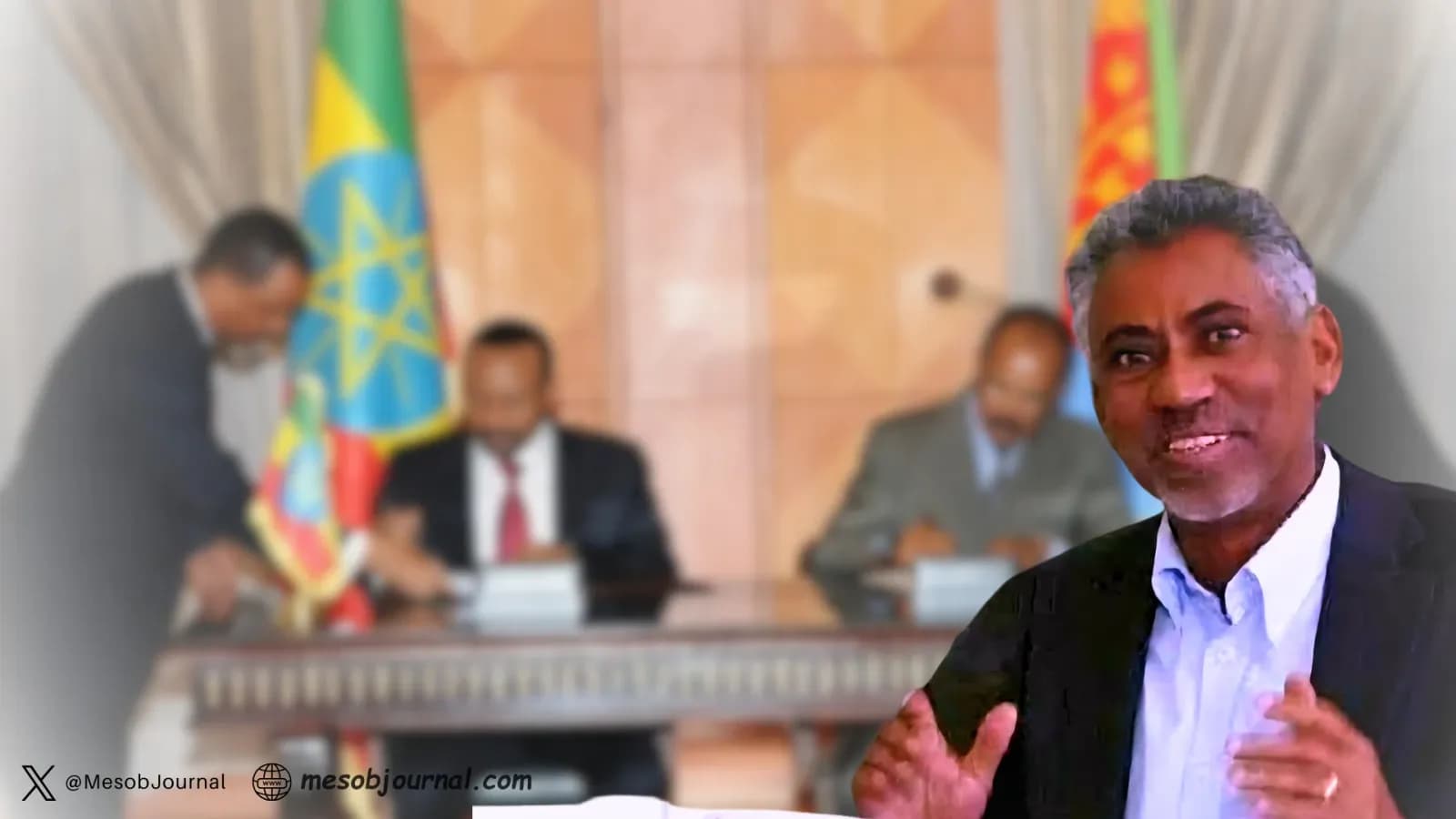
Eritrea’s Minister of Information, Yemane G. Meskel, has stated that Ethiopia’s ruling Prosperity Party (PP) is exhibiting “collective historical amnesia” after Prime Minister Abiy Ahmed claimed this week that his government could find no official record explaining how Ethiopia “lost access to the Red Sea.”
In a post shared on X (formerly Twitter), the minister cited official agreements, past military admissions, and historical data that contradict the Prime Minister’s claim.
The 2018 Agreement and Recognized Borders
G. Meskel recalled that on 9 July 2018, Prime Minister Abiy Ahmed personally signed the Joint Declaration of Peace and Friendship in Asmara, alongside Eritrean President Isaias Afwerki.
The declaration reaffirmed Ethiopia’s acceptance of the Eritrea–Ethiopia Boundary Commission (EEBC) ruling, based on the 1900, 1902, and 1908 treaties, which defined Eritrea’s internationally recognized borders — including its Red Sea coastline.
The minister described the Prime Minister’s current statements as “a severe case of historical amnesia,” noting that the same leadership once endorsed those very border principles as part of a normalization process that ended two decades of hostility.
Admissions by Senior Ethiopian Commanders
G. Meskel’s post also referenced two separate confessions made by senior Ethiopian military officials.
Former Army Chief of Staff General Seare Mekonnen, in a past admission, acknowledged that Ethiopian forces were the first to open hostilities in May 1998, contrary to the government’s public accusation that Eritrea had launched the attack.
Another senior officer, General Bacha Debele, later described the Ethiopian army’s failed attempt to seize Assab in June 2000 as a “complete annihilation” on the Bure Front, where Ethiopian units suffered heavy losses during the last major confrontation of the border war.
The Red Star Campaign: 37,000 Casualties in Five Months
Archival records from the Red Star Campaign (February 15 – July 2, 1982) — a massive Derg-era offensive to crush the Eritrean independence movement — reveal the scale of Ethiopia’s military setbacks long before independence.
Official data list 37,176 government casualties, including 10,115 killed, 213 executed, 23,212 wounded, 3,159 missing, and 477 deserted across multiple army commands.

During the campaign, the Derg government spent 1.29 billion birr (≈ US $516 million in 1982 value) — roughly 1.7 billion USD today — on Soviet-supplied armaments, including MiG-23 jets, Mi-17/Mi-24 helicopters, T-55 tanks, and BM-21 rocket launchers. Despite the scale of the operation, Eritrean forces retained control of key fronts and continued their advance toward independence.
Captured Troops and Equipment by 1991
By the conclusion of Eritrea’s 30-year independence war in 1991, the Eritrean People’s Liberation Front (EPLF) had captured 114,000 of the 130,000 Ethiopian soldiers deployed in Eritrea.
All were later granted amnesty and repatriated. Captured materiel included more than 200 tanks, multiple artillery systems, and thousands of mortars and small arms, underscoring the magnitude of Ethiopia’s defeat.
Between 1974 and 1991, cumulative Ethiopian casualties in Eritrea reached 195,620 killed and 180,287 wounded, according to wartime documentation cited in the same X thread.
“History 101” for the Potemkin Party
G. Meskel concluded his post by suggesting that the Prosperity Party leadership revisit “History 101,” describing the apparent amnesia as either “a disease in its early stage or a case of deliberate deception.”
He argued that Ethiopia’s ruling elite has chosen to forget not only its own military record but also the legal commitments signed in 2018 that affirmed Eritrea’s sovereignty and territorial integrity.
“The disease may be incurable,” he wrote, “if it is a pure case of deliberate deception and reflexive lying.”
Related stories
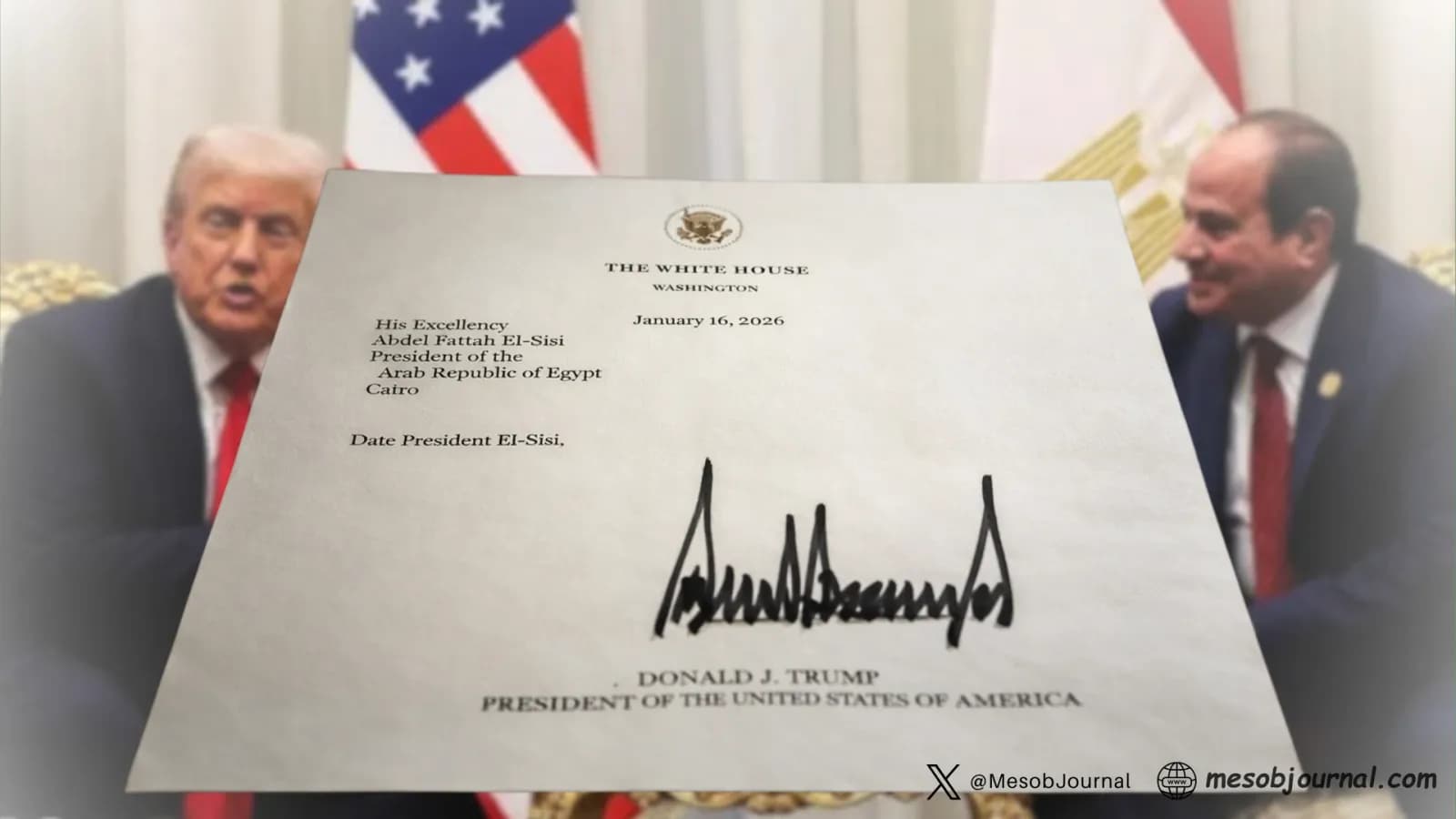
Abiy Ahmed’s Strategic Isolation Is Now in Writing
What Addis Ababa has spent two years denying is now staring it in the face—on White House letterhead. The January 16 letter from Donald Trump to Abdel Fattah el-Sisi isn’t just about mediation. It’s a signal. Clear, deliberate, and consequential. Washington is aligning itself
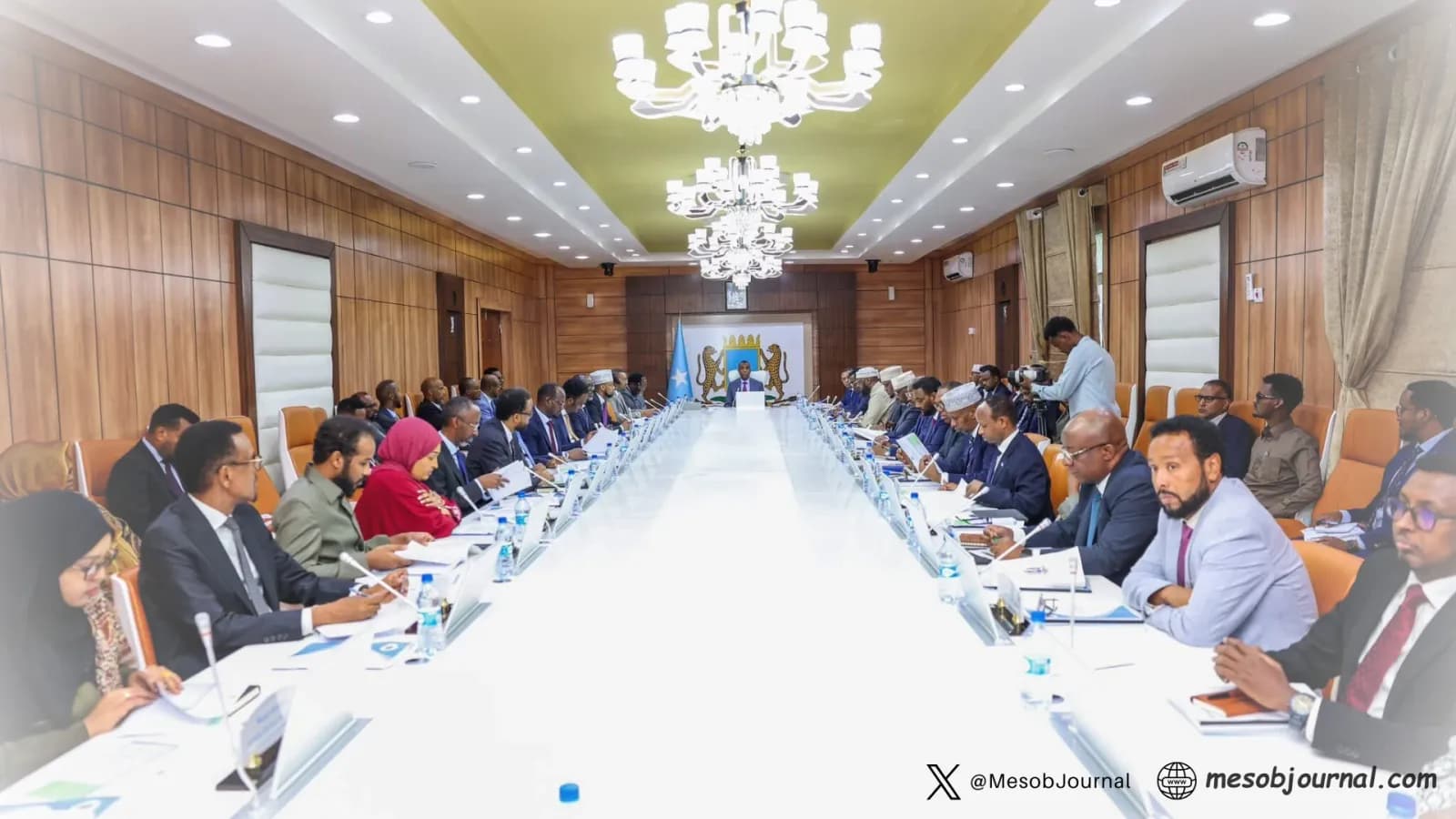
Somalia Scraps UAE Security Deals as Regions Push Back
Somalia’s Council of Ministers has formally terminated all bilateral security and defence agreements with the United Arab Emirates, marking one of the most consequential foreign-policy moves taken by the federal government in recent years. In a cabinet decision adopted on Sunday,

Israel’s Somaliland Recognition Sparks Legal, Regional, and Security Backlash
Israel’s announcement on Thursday recognizing Somaliland as an independent and sovereign state has triggered immediate diplomatic fallout across the Horn of Africa and the Middle East, reopening long-standing legal and geopolitical fault lines rather than delivering the stability
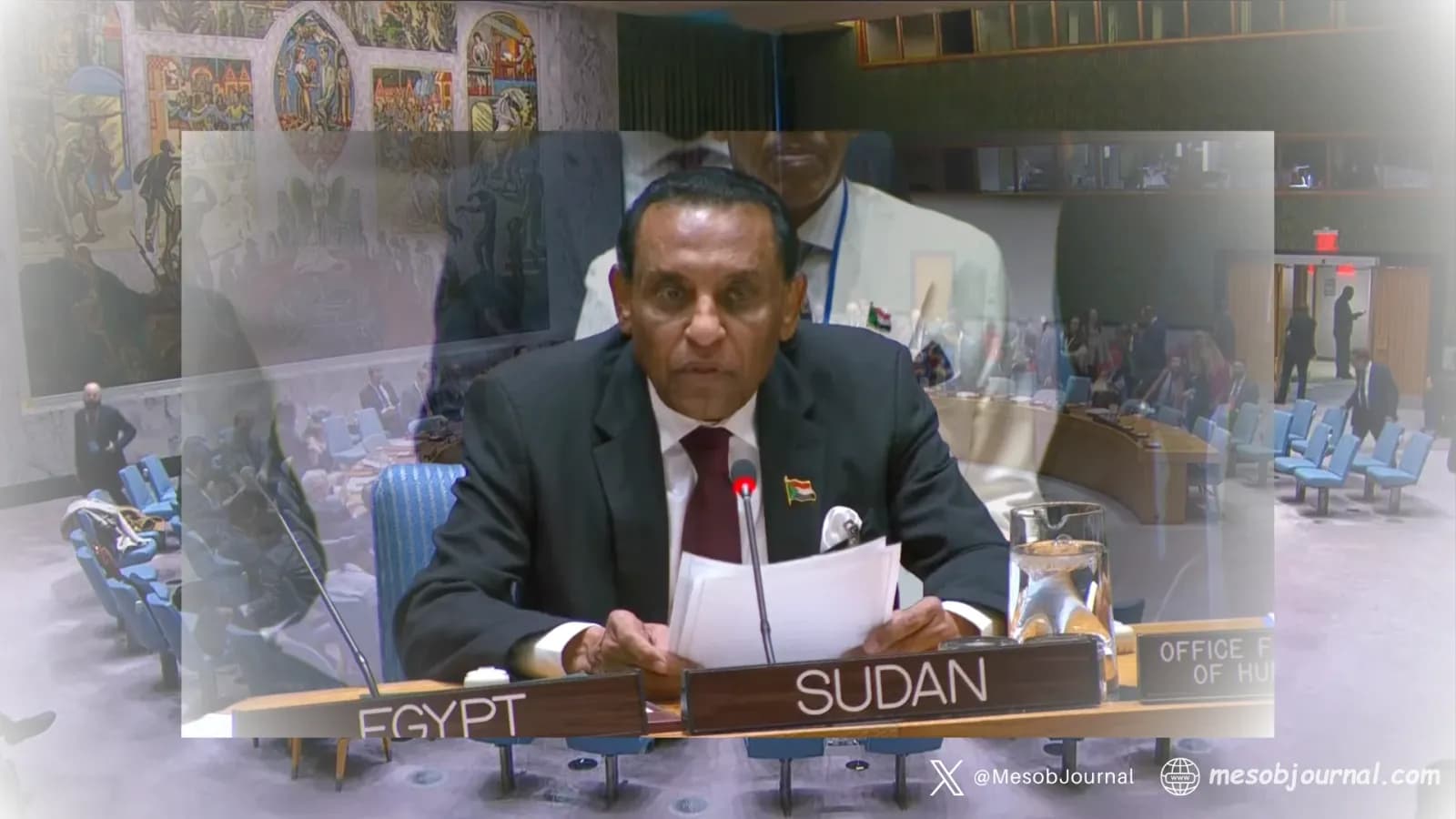
Sudan at the Crossroads: A Peace Initiative Rooted in Accountability, Not Illusions
Sudan is not asking the world for sympathy. It is asking for seriousness. That message came through clearly at the United Nations on Monday, as Sudan’s Prime Minister laid out a peace initiative framed not as a pause in violence, but as a realistic, enforceable exit from war . I