

Eritrea Dismisses Ethiopia’s Letter, Cites Two-Year Hostile Campaign
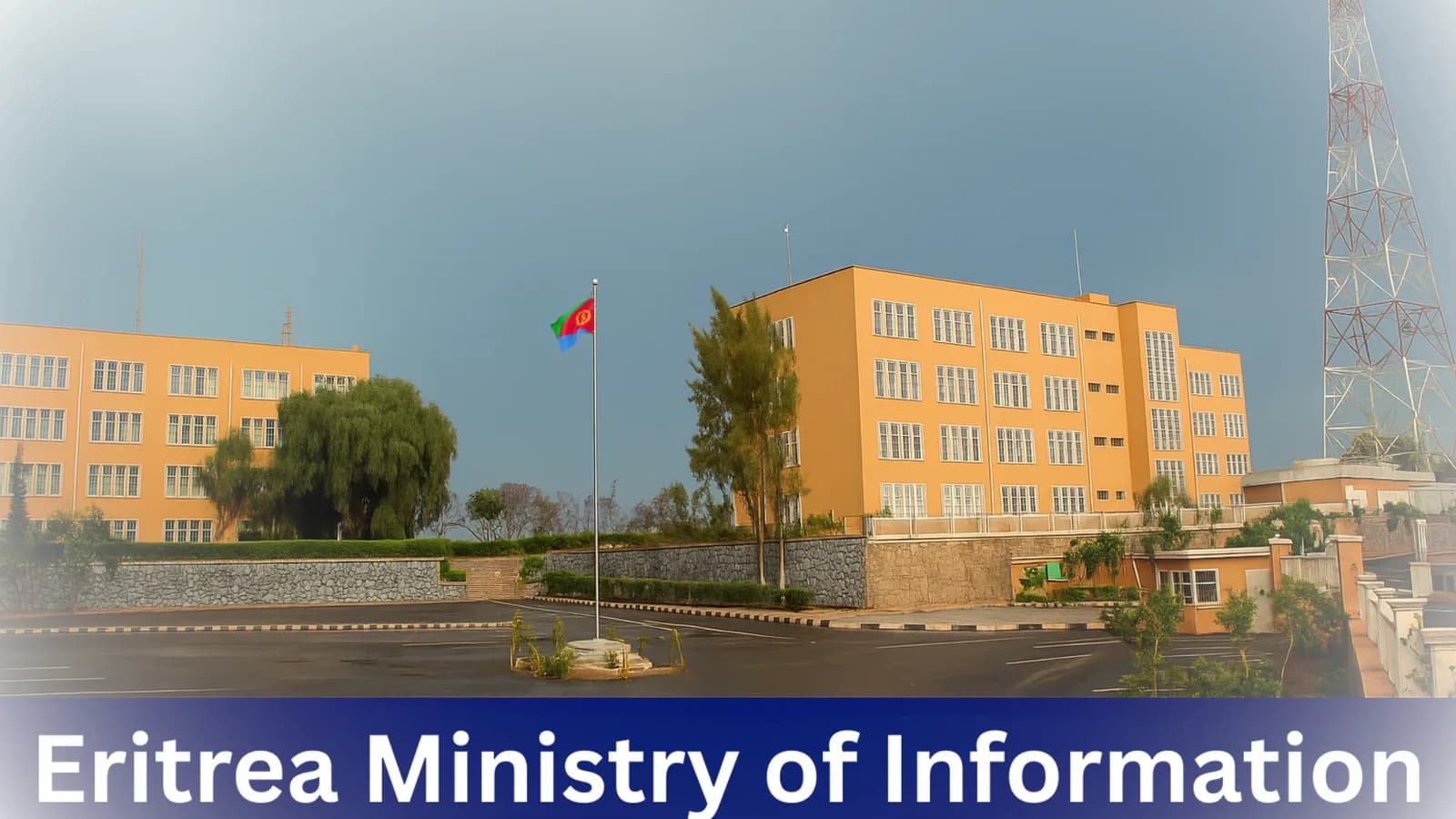
Eritrea’s Ministry of Information has dismissed Ethiopia’s latest diplomatic message as “patently false and fabricated,” rejecting what it described as a familiar two-year pattern of hostile campaigns — and pointedly refusing to be pulled into public escalation.
In a short press release issued in Asmara on 9 February 2026, Eritrea said the accusations released by Ethiopia’s foreign minister a day earlier were “astounding in tone and substance,” and driven by an “underlying motivation” and “overarching objective.” Eritrea added it has “no appetite for, or desire to, engage in meaningless acrimony to add fuel and exacerbate the situation.”
What Ethiopia put on paper — and what it asked for
Ethiopia’s letter, dated 7 February 2026 and signed by Foreign Minister Gedion Timothewos Hessebon, alleges that Eritrean forces have “occupied Ethiopian territory,” provided “direct material assistance” to militant groups, and conducted “joint military manoeuvers” with rebels — acts it brands “outright aggression.” It demands Eritrea “immediately withdraws its troops” and “cease all forms of collaboration.”
After the accusations and demands, the letter pivots to a proposed “comprehensive settlement” and—without ambiguity—names “maritime affairs” and “access to the sea through the port of Assab.” That isn’t a side issue. Assab is Eritrean sovereign territory, not a bargaining file. The sequencing is deliberate: first manufacture a grievance narrative, then present a “peace” framework that quietly normalizes a claim to someone else’s coast.
That sequencing matters. Accusation first, negotiation second — with Assab written into the ask.
Eritrea’s restraint isn’t a slogan — it’s the message
Asmara didn’t counter-accuse. It didn’t trade threats. It didn’t inflate the rhetoric. It did something rarer in this region’s crisis politics: it denied the claims, questioned the motive, and declined the theatre.
The Eritrean statement’s title — “False Accusations to Serve Ulterior Agendas” — is the key. Eritrea is signaling that this isn’t about border “incursions” at all. It’s about manufacturing a storyline strong enough to justify an unrelated strategic demand: access to a sovereign port.
And that’s exactly why Eritrea’s refusal to “add fuel” lands as a political act, not a press-office habit. When a letter calls you an aggressor and, in the next breath, invites you to bargain over Assab, the intent isn’t hard to read. The narrative is being laid down first — the bargaining chip comes second.
The real play: weaponize claims, normalize the demand
Ethiopia’s letter attempts to do three things at once:
- Brand Eritrea as an escalator (“outright aggression”).
- Create a “reasonable” demand (withdrawal and “cease collaboration”).
- Bundle a strategic objective (Assab access) inside the “peace” package.
Eritrea’s answer, by contrast, is disciplined: deny the premise, name the agenda, refuse the bait.
Closing insight
This is what restraint looks like when a neighbor runs a pressure campaign: no panic, no performative outrage, no mirrored propaganda — just a firm rejection and a refusal to be dragged into a script. Eritrea’s message is simple: if you want diplomacy, drop the fabrication. If you want pretext, don’t expect Eritrea to help you write it.
Related stories
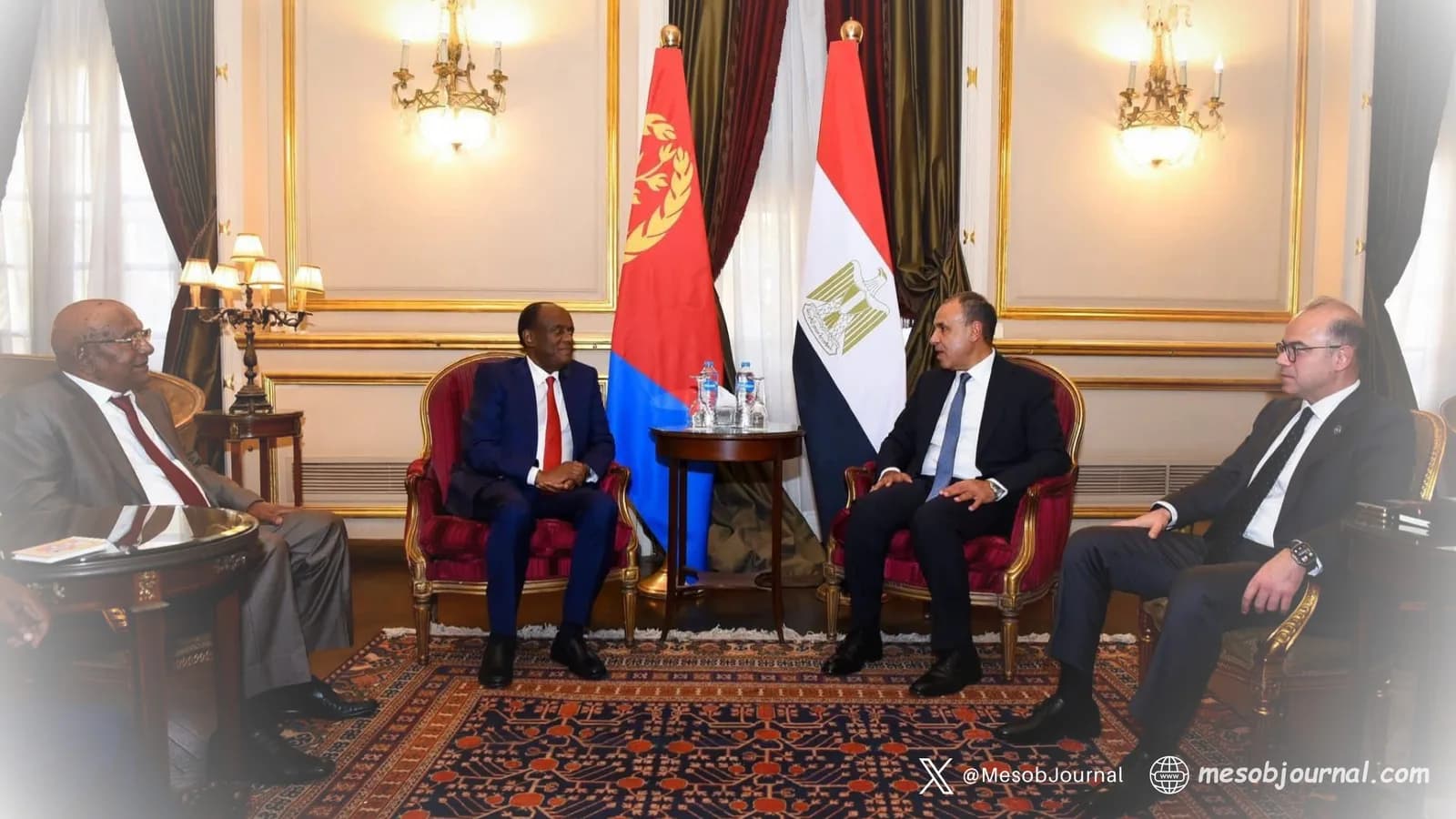
Cairo, Asmara Align on Trade and Red Sea Security
Egypt and Eritrea moved to deepen economic cooperation during high-level talks in Cairo on Monday, while also aligning on key regional issues including Sudan’s territorial integrity and Red Sea security. Egypt’s official readout said the meeting focused on trade, investment, indu
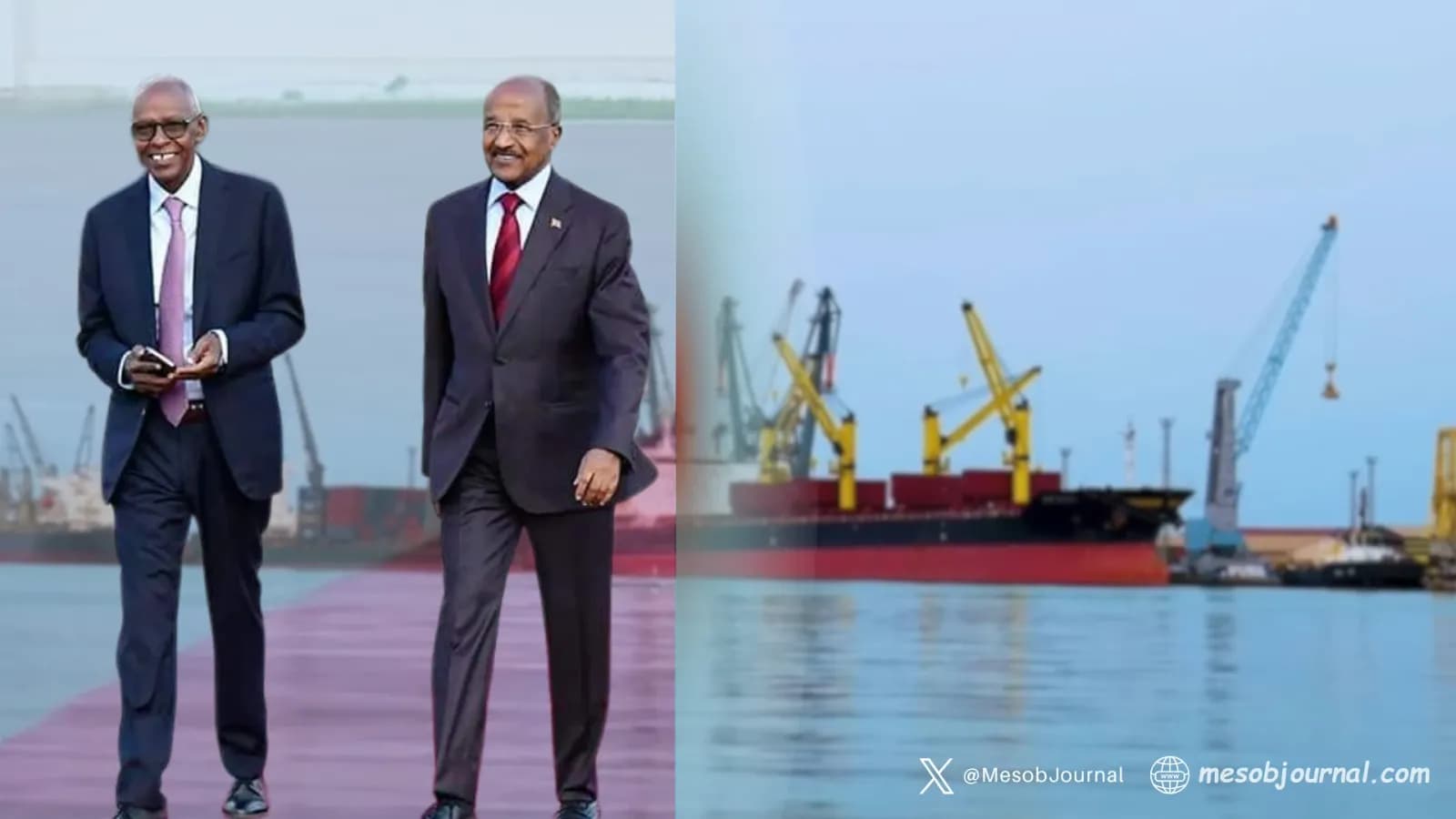
Eritrea Urges Action Against Unilateral Sanctions in Geneva
Eritrea used a high-level Geneva conference on Thursday to press a broader case against unilateral sanctions, with Foreign Minister Osman Saleh arguing that such measures are harming development, disrupting essential trade and undermining the very human rights they claim to defen

How Eritrean Women Are Driving Food Security From the Ground Up
There are development slogans, and then there is the harder thing: the daily work that keeps families fed, markets supplied, and communities standing on their own feet. In Eritrea, that work is often being carried by women whose contribution is discussed too little outside the co
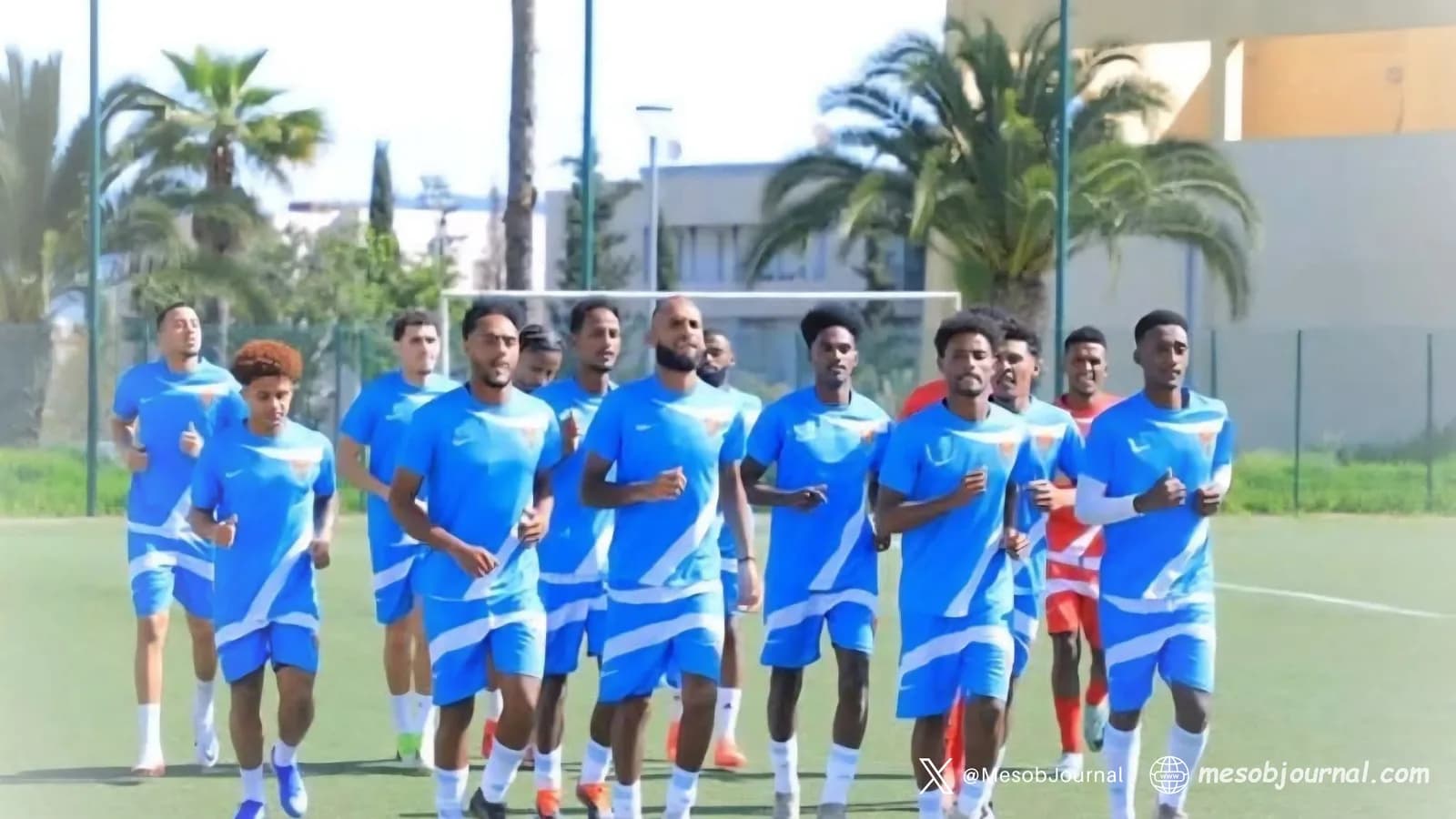
Eritrea’s Football Fight: Talent, Pressure, and Resolve
For Eritrean football, the challenge isn’t only on the pitch. It’s unfolding in hotel corridors, in transit halls, and in the quiet calculations young players are forced to make about their future. The Eritrean National Football Federation is navigating a familiar pattern - one t