

Eritrean President in Riyadh for Strategic Talks Amid Regional Shifts
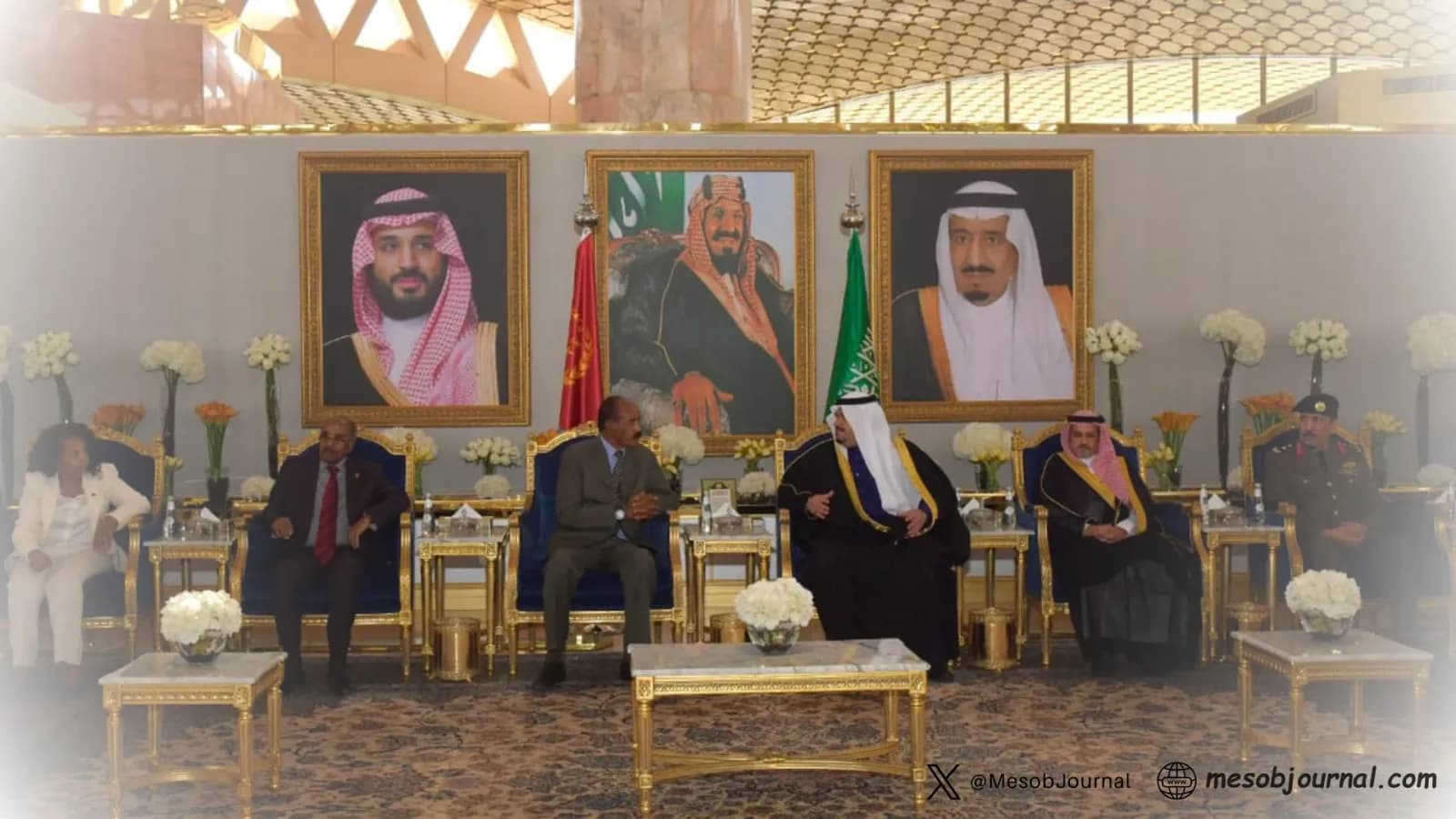
Eritrean President Isaias Afwerki arrived in Riyadh on Tuesday, 9 December, for a four-day working visit at the invitation of King Salman bin Abdulaziz Al Saud, marking another calculated move in a region undergoing rapid geopolitical adjustment.
Upon landing at Riyadh’s Royal Terminal, President Isaias and his delegation were accorded an official welcome, signaling the importance Riyadh places on the engagement. Over the coming days, the Eritrean delegation will hold meetings with Crown Prince and Prime Minister Mohammed bin Salman and other senior officials. Both governments say the agenda will focus on advancing cooperation and reviewing key regional and international issues.
A Strategic Backdrop: Red Sea Security and Shifting Alignments
The visit comes at a time when competition for influence around the Red Sea is intensifying. While much of the dialogue will center on bilateral ties, the strategic context is impossible to ignore. The Red Sea corridor — a chokepoint for global trade and a political fault line for the wider Horn of Africa — is increasingly shaped by overlapping crises.
One of the most urgent is Sudan’s war. Eritrea, Saudi Arabia, and Egypt have maintained support for the Sudanese Armed Forces as the country’s legitimate institution, placing them at odds with the policy pursued by the United Arab Emirates. Numerous regional and international assessments have raised concerns over Abu Dhabi’s material support to the Rapid Support Forces, a militia whose advance has deepened Sudan’s fragmentation. For Asmara and Riyadh, aligning positions on Sudan is now a central component of a broader push to stabilize the Red Sea basin.
Ethiopia’s Posture and Emerging Maritime Tensions
Another layer to the Riyadh discussions is Ethiopia’s increasingly assertive rhetoric on securing direct sovereign access to the sea. Prime Minister Abiy Ahmed’s public declarations — paired with nationalist messaging and allusions to potential conflict — have rattled regional capitals. Eritrea, whose sovereignty and coastline are not matters for negotiation, views this discourse as an unwelcome escalation.
Adding complexity is Ethiopia’s deepening strategic relationship with the UAE. Emirati financing and political backing for Addis Ababa are seen by many analysts in the region as indirectly reinforcing Ethiopia’s confrontational stance. This creates a worrying symmetry: the same external actor accused of enabling militia warfare in Sudan is also perceived as emboldening Ethiopia’s pressure on the regional maritime order.
Consolidating a Coalition for Stability
Against this backdrop, President Isaias’s visit is widely interpreted as part of a broader effort to consolidate a regional bloc committed to state sovereignty and traditional security structures. Eritrea, Saudi Arabia, and Egypt increasingly articulate a common view: stability depends on strong national institutions, not on militias or externally sponsored proxies.
The Riyadh meetings are expected to explore expanded intelligence cooperation on Red Sea security, coordinated diplomacy regarding Sudan, and mechanisms to deter actions that could endanger regional peace — particularly in relation to Ethiopia’s recent posture.
As global interest in the Red Sea intensifies, so does the need for coherent regional frameworks. For Asmara and Riyadh, this visit signals a shared conviction that stability will come from reinforcing state-centered partnerships rather than accommodating the fragmentation currently reshaping parts of the Horn of Africa.
Related stories
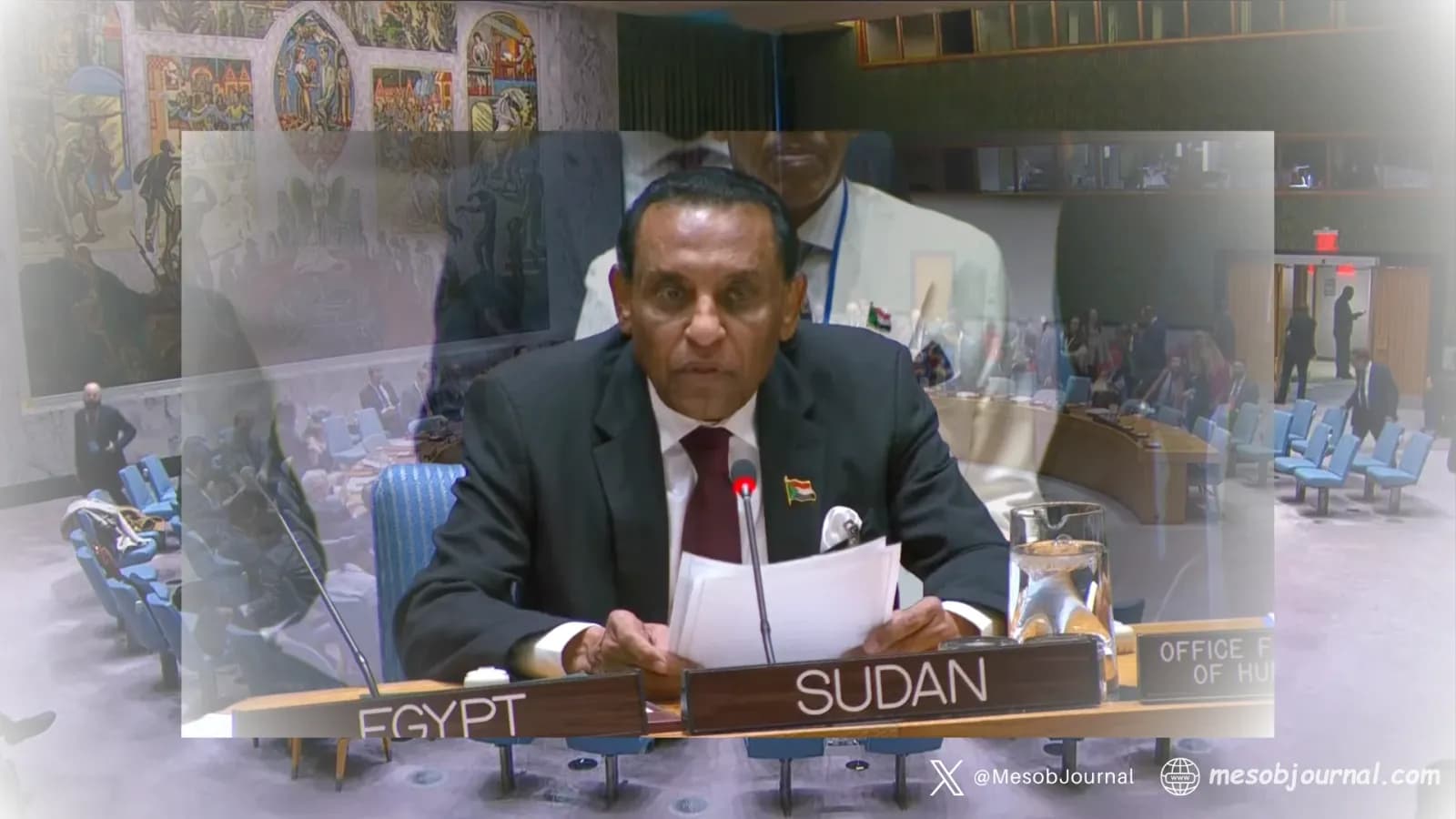
Sudan Rejects Berlin Conference, Says Outcomes Are Non-Binding
Sudan’s government has formally rejected the Berlin conference on Sudan, with Prime Minister Kamil Idris saying the meeting and its outcomes “do not concern” the Sudanese people or government because Khartoum was excluded from participation. In remarks published by the Sudanese e
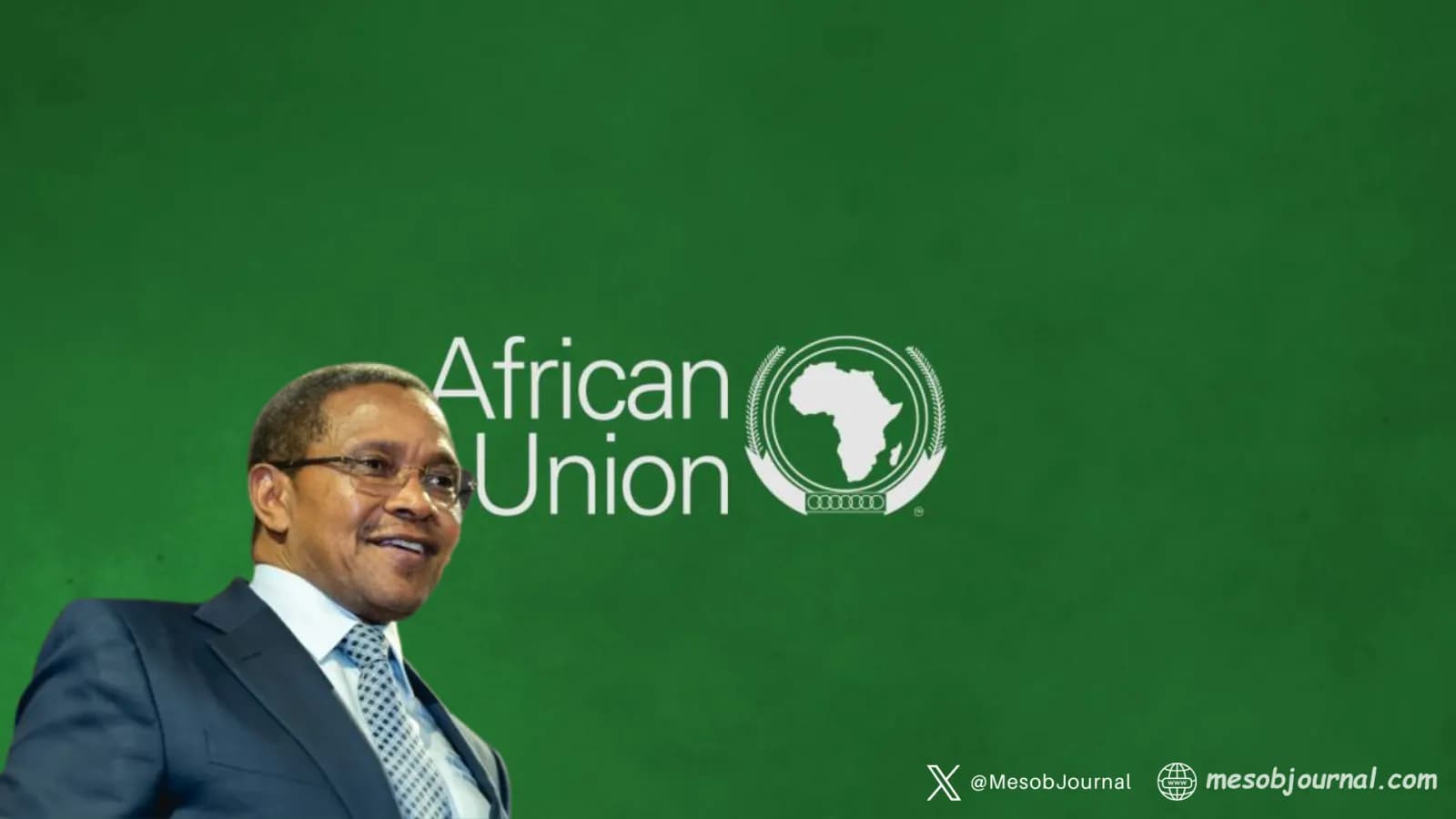
AU appoints Kikwete as Horn of Africa, Red Sea envoy
The African Union Commission has appointed former Tanzanian president Jakaya Mrisho Kikwete as the AU High Representative for the Horn of Africa and the Red Sea, placing a veteran East African statesman at the center of one of the continent’s most sensitive geopolitical files. Th
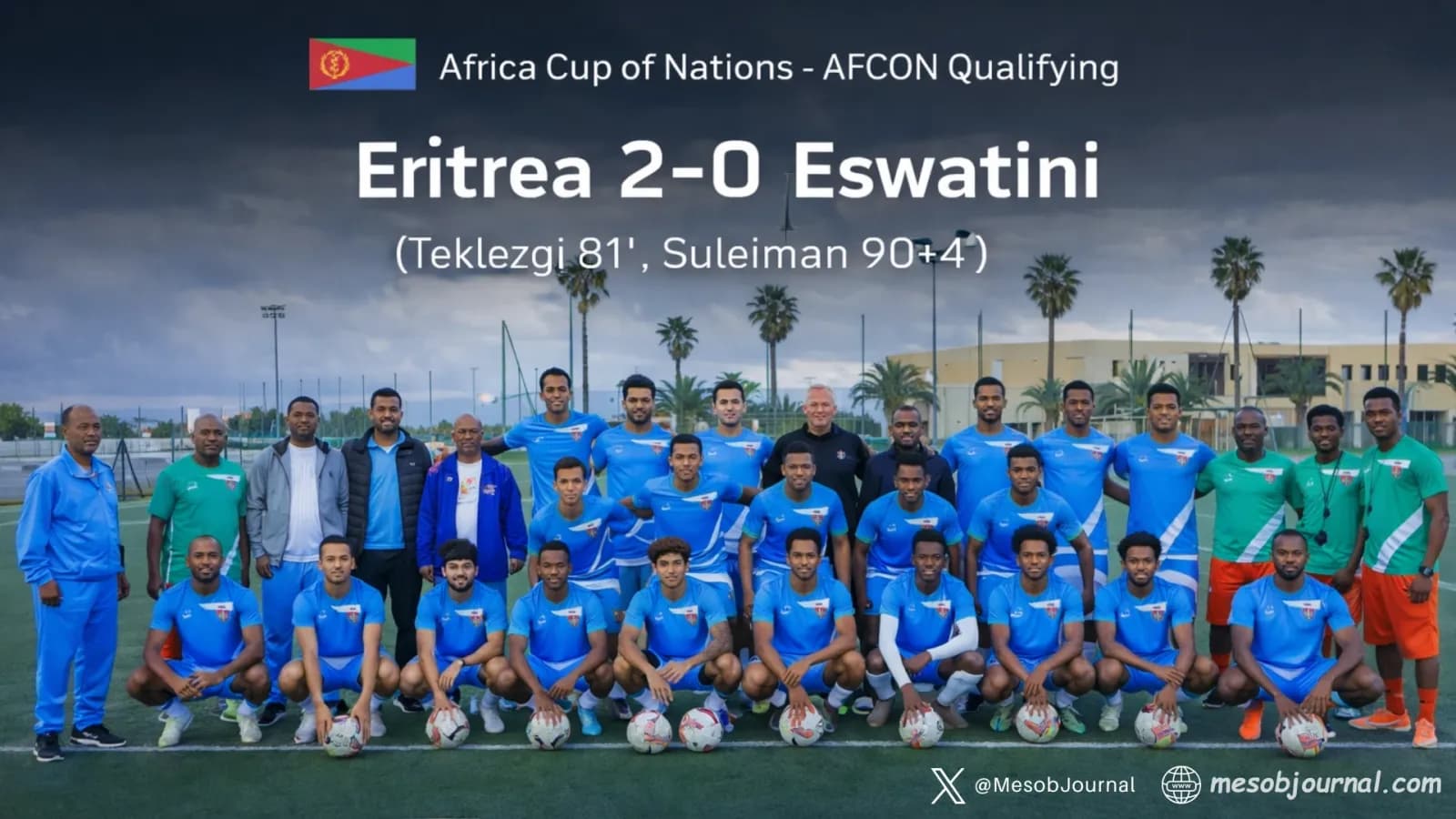
Eritrea’s AFCON Return Revives a Proud Football History
Eritrea’s 2–0 win over Eswatini in Meknes Today, was more than a positive result in the preliminary round of AFCON PAMOJA 2027 qualifying. It was a reminder that Eritrean football did not suddenly appear from nowhere. It returned. After almost two decades away from continental q

America First in Africa Means Interests First, Pretense Last
Washington has finally said it plainly. In a March 19 speech at the Powering Africa Summit, Senior Bureau Official Nick Checker laid out the Trump administration’s Africa policy in language that stripped away much of the old diplomatic wrapping. Africa, in this telling, is no lon