

Eritrea Deepens Engagement With UN Human Rights System, Hosting First-of-Its-Kind Workshop in Asmara
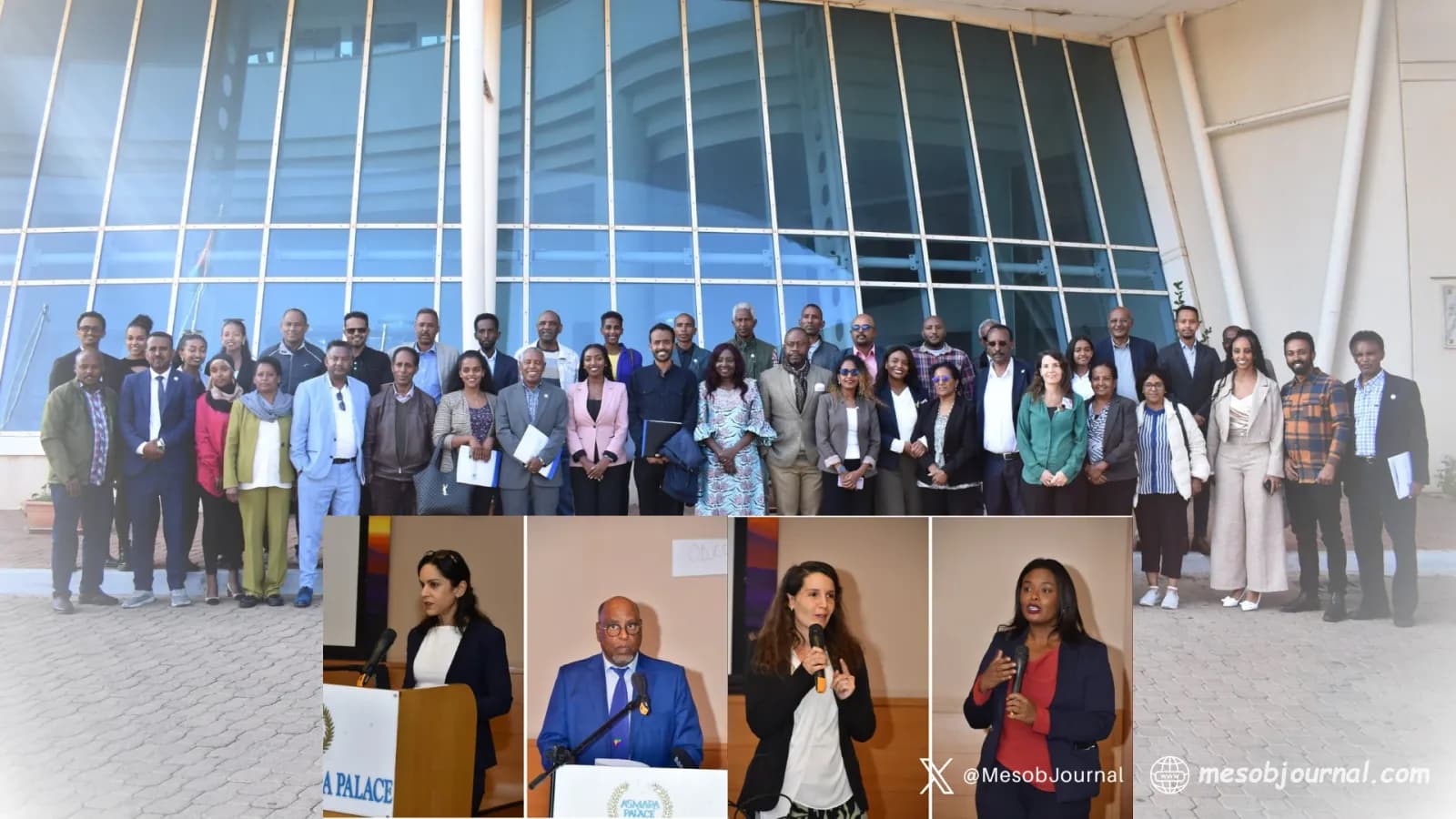
Eritrea this week hosted a three-day technical human rights workshop in Asmara — an initiative that, according to UN officials, was proposed and requested by the Government of Eritrea itself and facilitated by UN Human Rights.
The workshop, held at the Hotel Asmara Palace, brought together representatives from key Eritrean ministries, UN technical specialists, and OHCHR experts for sessions on treaty-body reporting, the Universal Periodic Review, African human rights mechanisms, and data systems that help governments track implementation.
In her opening remarks, the UN Resident Coordinator in Eritrea, Nahla Valji, made the government’s role clear:
“We are here because of the initiative of the Government of the State of Eritrea, who proposed this workshop and requested OHCHR experts.”
She described the meeting as “an important step forward” and said Eritrea’s decision to begin preparing its national report for the International Covenant on Economic, Social and Cultural Rights (ICESCR) represented “national ownership… strengthened through transparency, dialogue and accountability.”
A Focus on Implementation, Not Politics
The agenda — circulated to participants and seen by Mesob Journal — focused on the technical machinery of human rights governance: how to prepare treaty reports, coordinate inter-ministerial follow-up, and integrate rights-based indicators into national development planning.
Sessions were led jointly by UN trainers and Eritrean officials. Representatives from the Ministry of Foreign Affairs and the Ministry of Finance and National Development presented Eritrea’s experience with its 2022 and 2024 Voluntary National Reviews, outlining how reporting structures have evolved and how data systems are being modernized.
UN experts walked through practical modules on the UN and African human rights systems, digital tracking tools, and the structure of ICESCR reporting — a process Eritrea has now formally set in motion. One session, dedicated to the “next steps and roadmap” for the ICESCR report, was facilitated by the Eritrean government itself.
The tone throughout the documents is deliberately technical, reflecting the space where Eritrea has consistently said it is willing to engage: treaty obligations, reporting structures, and development-linked rights. Absent were the contentious debates surrounding the Special Rapporteur mandate — a mechanism Eritrea rejects as politicized — and instead the sessions focused on timelines, data systems, and the mechanics of national reporting.
UN Praises Eritrea’s “Genuine Commitment”
The closing statement — delivered by the UN Resident Coordinator on behalf of the UN Country Team and OHCHR — offered a clear vote of confidence:
“The lively and active participation throughout the sessions reaffirmed the richness of contributions and demonstrated a genuine commitment to strengthening national capacities.”
The UN team thanked the government for bringing a “wide range of national entities” into the discussions and said the exchanges had revealed “deep knowledge and experience” within Eritrean institutions.
The statement also reaffirmed that OHCHR and the wider UN system would continue supporting Eritrea “as partners” as it prepares its ICESCR report and expands its engagement with international mechanisms.
A Consistent Approach to Cooperation
For Eritrea, this workshop fits into a broader pattern. Officials have long rejected what they call “politicized” and “extra-mandate” human rights mechanisms — particularly those built around country-specific mandates and external investigations — while insisting that the government remains open to cooperation grounded in treaties it has ratified.
That distinction has often been lost in the polarized rhetoric surrounding Eritrea. But the documents from Asmara offer a clearer picture: the government is seeking to professionalize and institutionalize its engagement with the human rights system on terms defined by legally binding instruments such as the ICESCR and the African Charter.
For the UN country team, the workshop was less a formality than a chance to deepen a working relationship that has quietly matured over the past few years. Unlike the adversarial dynamic that often defines Geneva politics, UN officials in Eritrea have built a reputation for practical cooperation — the kind that produces reports, data systems, and policy frameworks rather than headlines. The Resident Coordinator emphasized that record, pointing to Eritrea’s constructive participation on the Human Rights Council and its “valued contributions” to efforts to strengthen multilateral mechanisms.
What Comes Next
With Eritrea now preparing its first ICESCR report — a process that typically requires months of inter-ministerial drafting — UN officials said follow-up missions and further technical support are expected in 2026.
How far the cooperation goes may depend on the broader diplomatic climate. But in Asmara this week, both sides adopted a tone of quiet pragmatism: fewer slogans, more spreadsheets.
The closing remarks captured that mood with a simple line rarely heard in Geneva’s contentious UN sessions:
“We extend our sincere appreciation to the Government of the State of Eritrea for inviting us.”
For a country often cast as a perennial outlier in the global human-rights arena, the significance of that sentence was not lost on the participants in the room.
Related stories
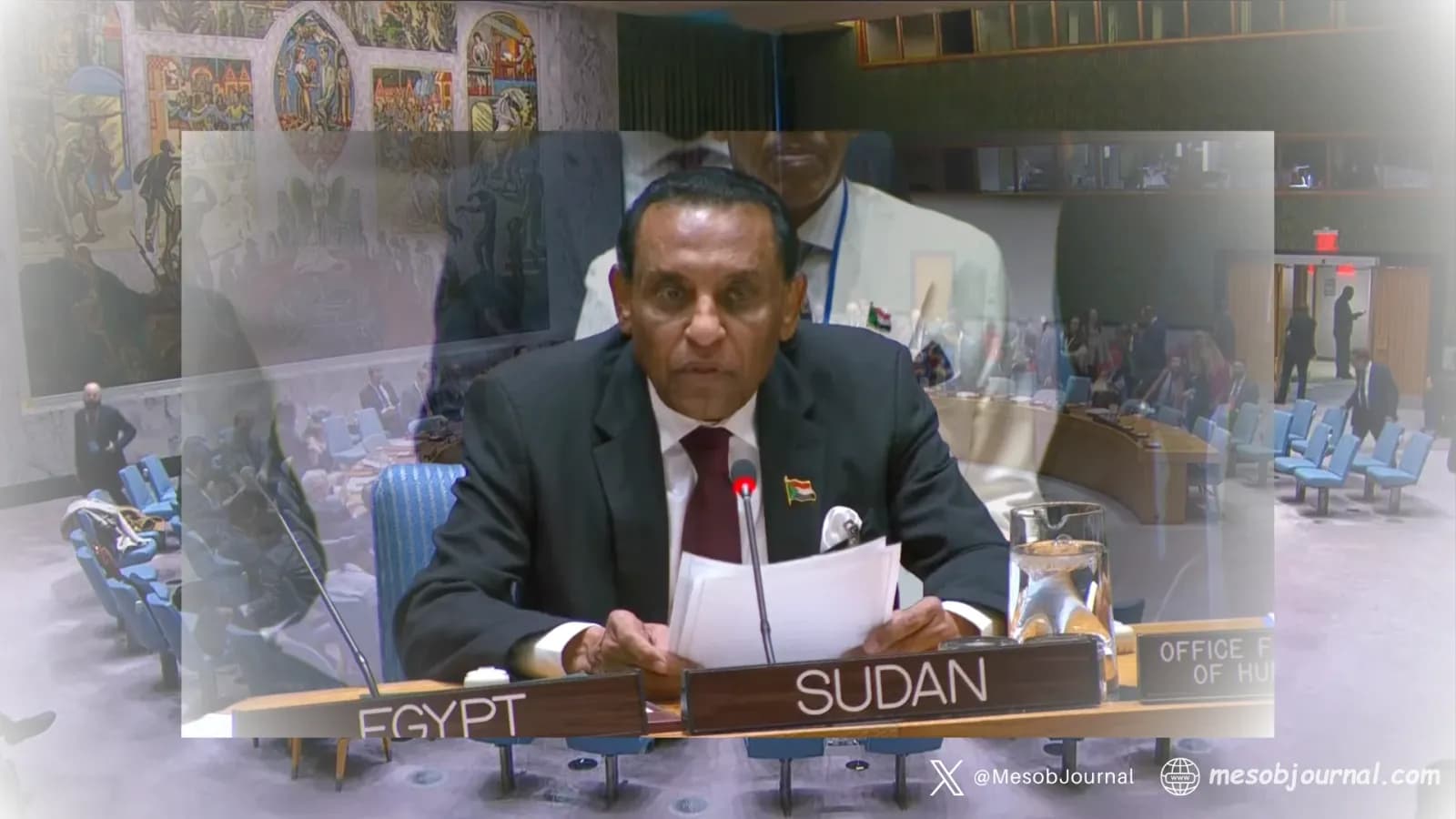
Sudan Rejects Berlin Conference, Says Outcomes Are Non-Binding
Sudan’s government has formally rejected the Berlin conference on Sudan, with Prime Minister Kamil Idris saying the meeting and its outcomes “do not concern” the Sudanese people or government because Khartoum was excluded from participation. In remarks published by the Sudanese e
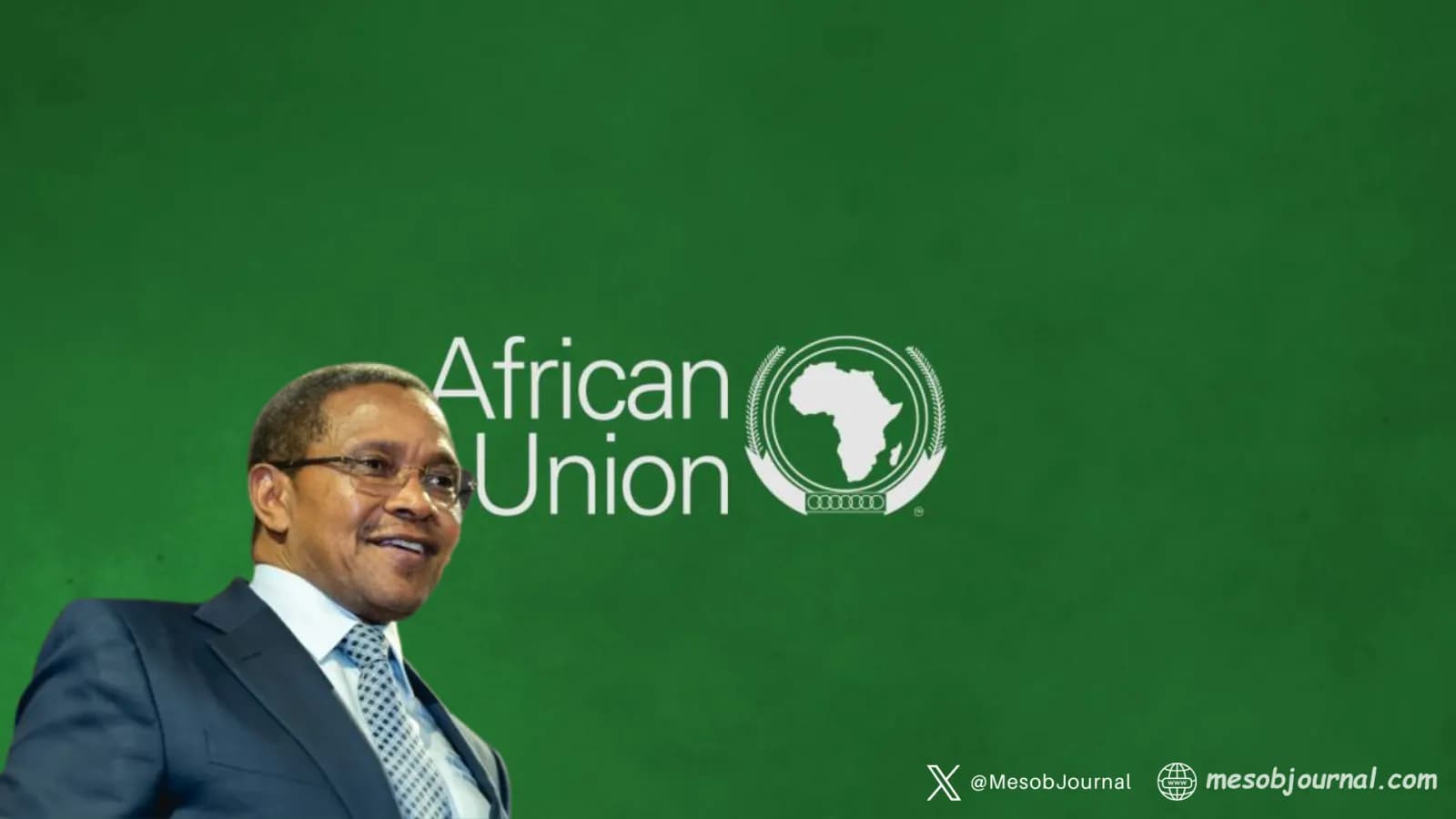
AU appoints Kikwete as Horn of Africa, Red Sea envoy
The African Union Commission has appointed former Tanzanian president Jakaya Mrisho Kikwete as the AU High Representative for the Horn of Africa and the Red Sea, placing a veteran East African statesman at the center of one of the continent’s most sensitive geopolitical files. Th
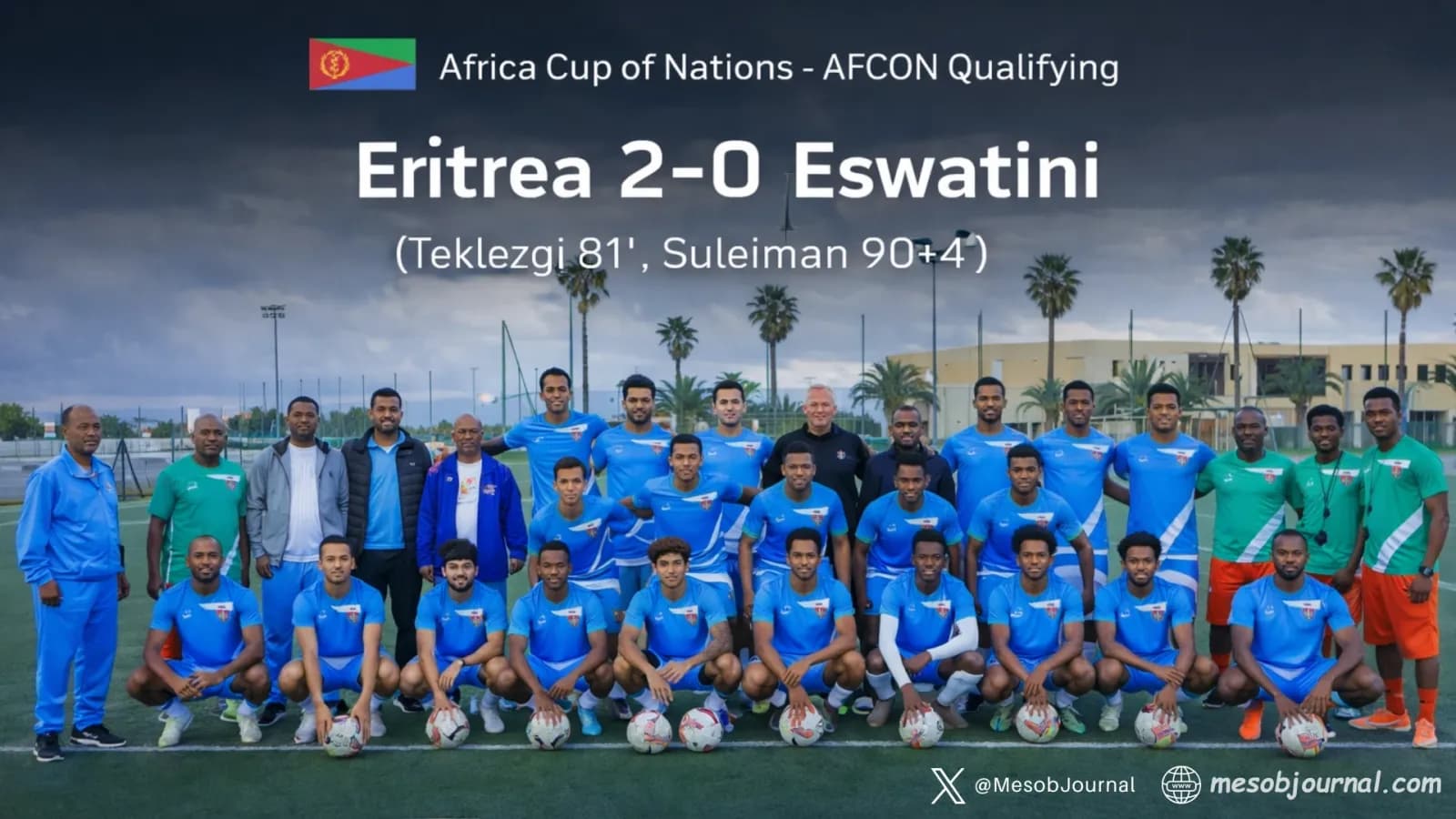
Eritrea’s AFCON Return Revives a Proud Football History
Eritrea’s 2–0 win over Eswatini in Meknes Today, was more than a positive result in the preliminary round of AFCON PAMOJA 2027 qualifying. It was a reminder that Eritrean football did not suddenly appear from nowhere. It returned. After almost two decades away from continental q

America First in Africa Means Interests First, Pretense Last
Washington has finally said it plainly. In a March 19 speech at the Powering Africa Summit, Senior Bureau Official Nick Checker laid out the Trump administration’s Africa policy in language that stripped away much of the old diplomatic wrapping. Africa, in this telling, is no lon