
Eritrea urges reform of an unequal global order at Doha Social Summit
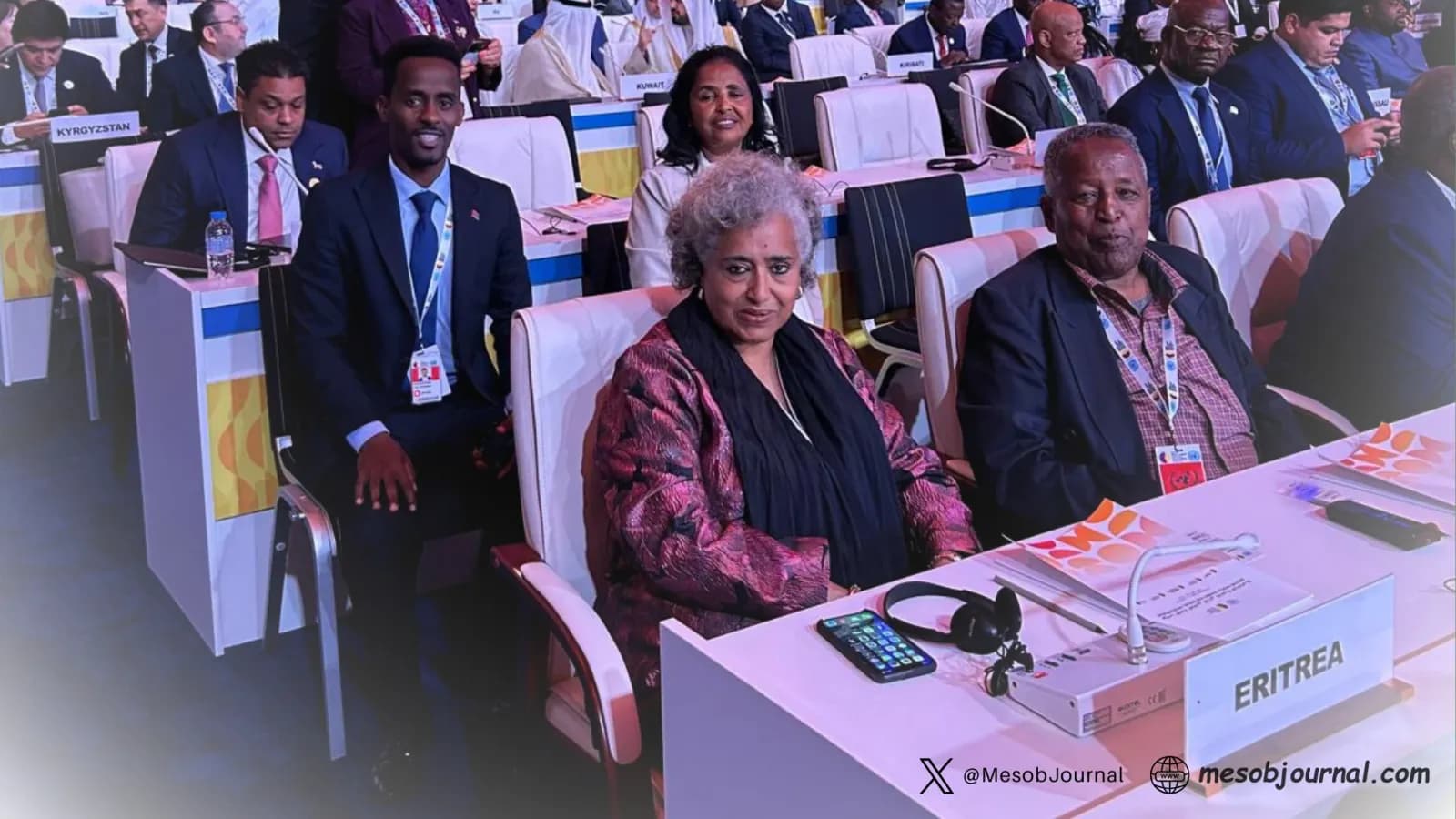
Eritrea has urged the international community to confront what it described as “structural injustices” in the global development system, warning that social progress cannot flourish under conditions of dependency or inequality.
Addressing the Second World Summit for Social Development in Doha, Ambassador Sophia Tesfamariam said Eritrea’s experience shows that national advancement is possible “even under the most challenging circumstances” when guided by clear principles and sovereignty.
“Our developmental philosophy is firmly anchored in the twin, indissoluble pillars of Self-Reliance and Social Justice,” she said. “Self-reliance signifies the emancipation of the mind from any culture of subservience or dependency.”
The envoy detailed how Eritrea’s health and education systems have expanded despite limited resources and decades of external pressure. Primary health care and preventive medicine, she noted, helped the country surpass several Millennium Development Goals ahead of schedule. Literacy drives and the expansion of vocational training have also improved gender parity and employment prospects.
Eritrea’s nationwide water-security campaign—building thousands of micro-dams and reservoirs—was cited as a model of community-driven development linking agriculture, public health and climate resilience.
Tesfamariam cautioned, however, that national efforts remain constrained by an unequal global order and the lingering effects of sanctions, occupation and geopolitical manipulation.
“Sustainable social development cannot possibly flourish within a global system that extracts more from the developing world than it contributes,” she said.
She emphasized that Eritrea has deliberately avoided unsustainable debt and conditional aid, choosing instead to invest in renewable energy and locally led growth.
At the close of her remarks, Tesfamariam called for reforms to global governance institutions “to reflect the realities and voices of all nations, not merely the powerful few,” underscoring that coercive measures and externally imposed models have no place in equitable development.
The Doha summit, held from 4 to 6 November 2025, revisits the 1995 Copenhagen Declaration amid widening global inequality and climate stress. Eritrea’s intervention stood out for linking social progress directly to sovereignty—arguing that true development begins when nations control their own paths.
Related stories
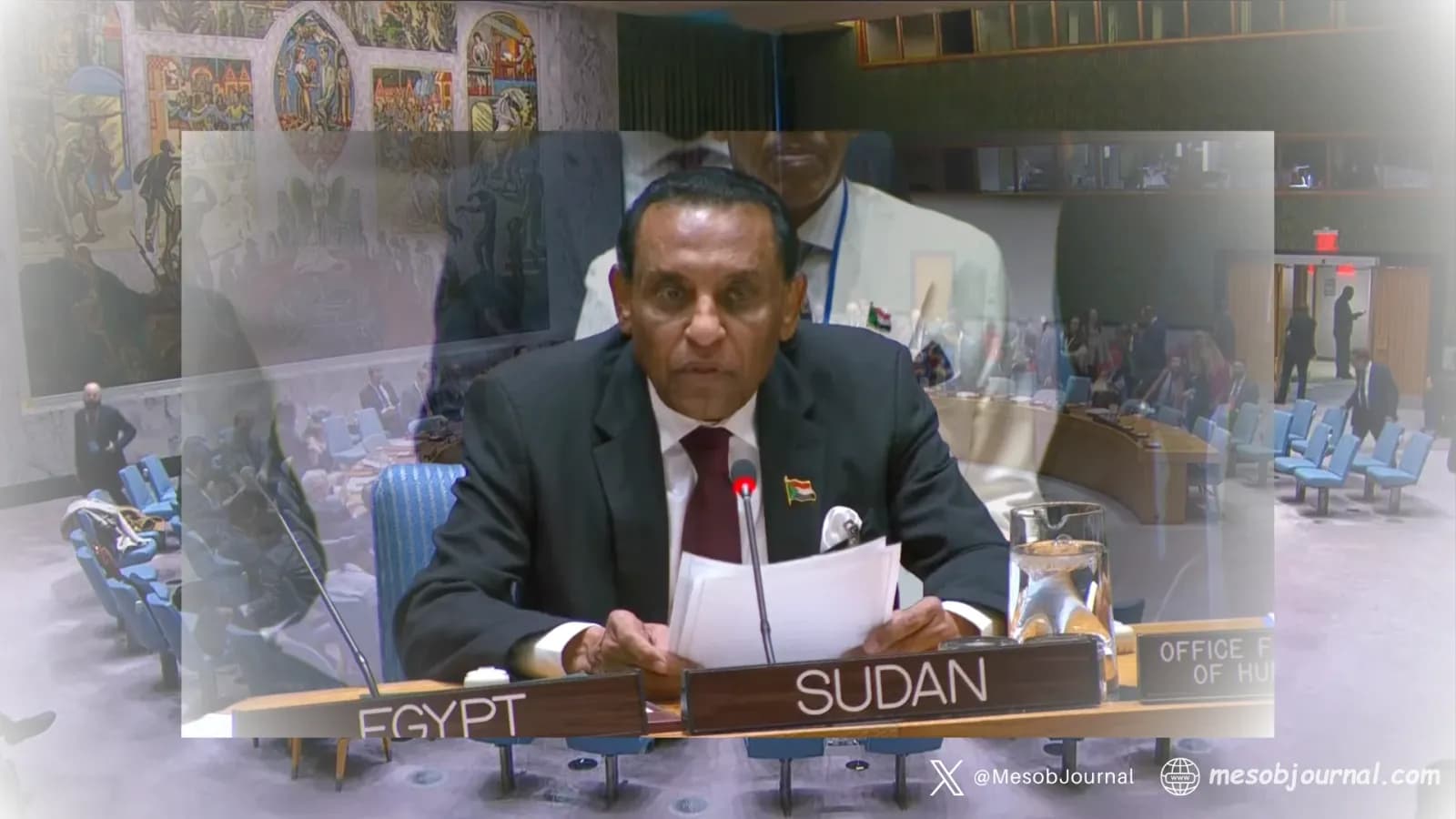
Sudan Rejects Berlin Conference, Says Outcomes Are Non-Binding
Sudan’s government has formally rejected the Berlin conference on Sudan, with Prime Minister Kamil Idris saying the meeting and its outcomes “do not concern” the Sudanese people or government because Khartoum was excluded from participation. In remarks published by the Sudanese e
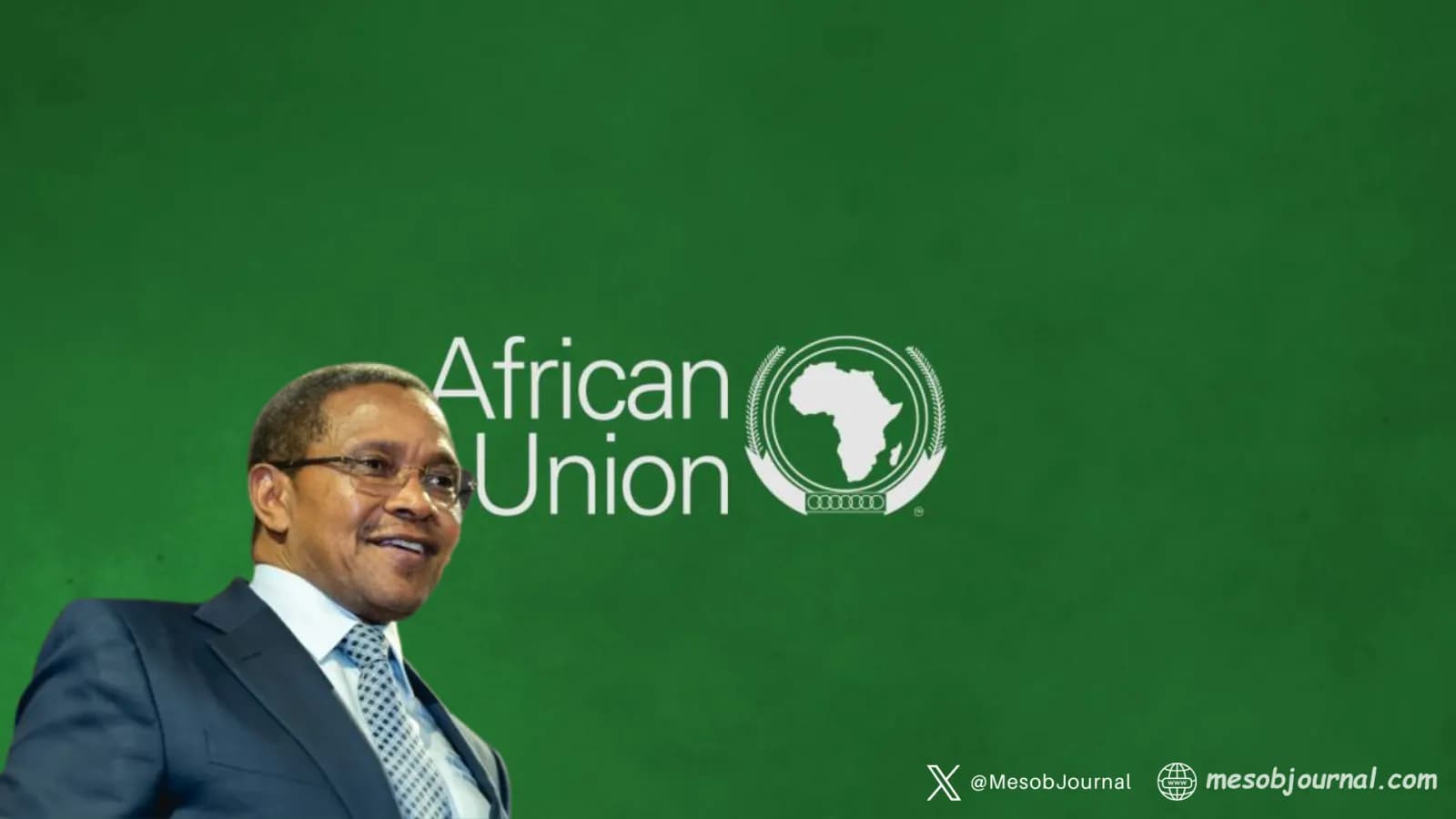
AU appoints Kikwete as Horn of Africa, Red Sea envoy
The African Union Commission has appointed former Tanzanian president Jakaya Mrisho Kikwete as the AU High Representative for the Horn of Africa and the Red Sea, placing a veteran East African statesman at the center of one of the continent’s most sensitive geopolitical files. Th
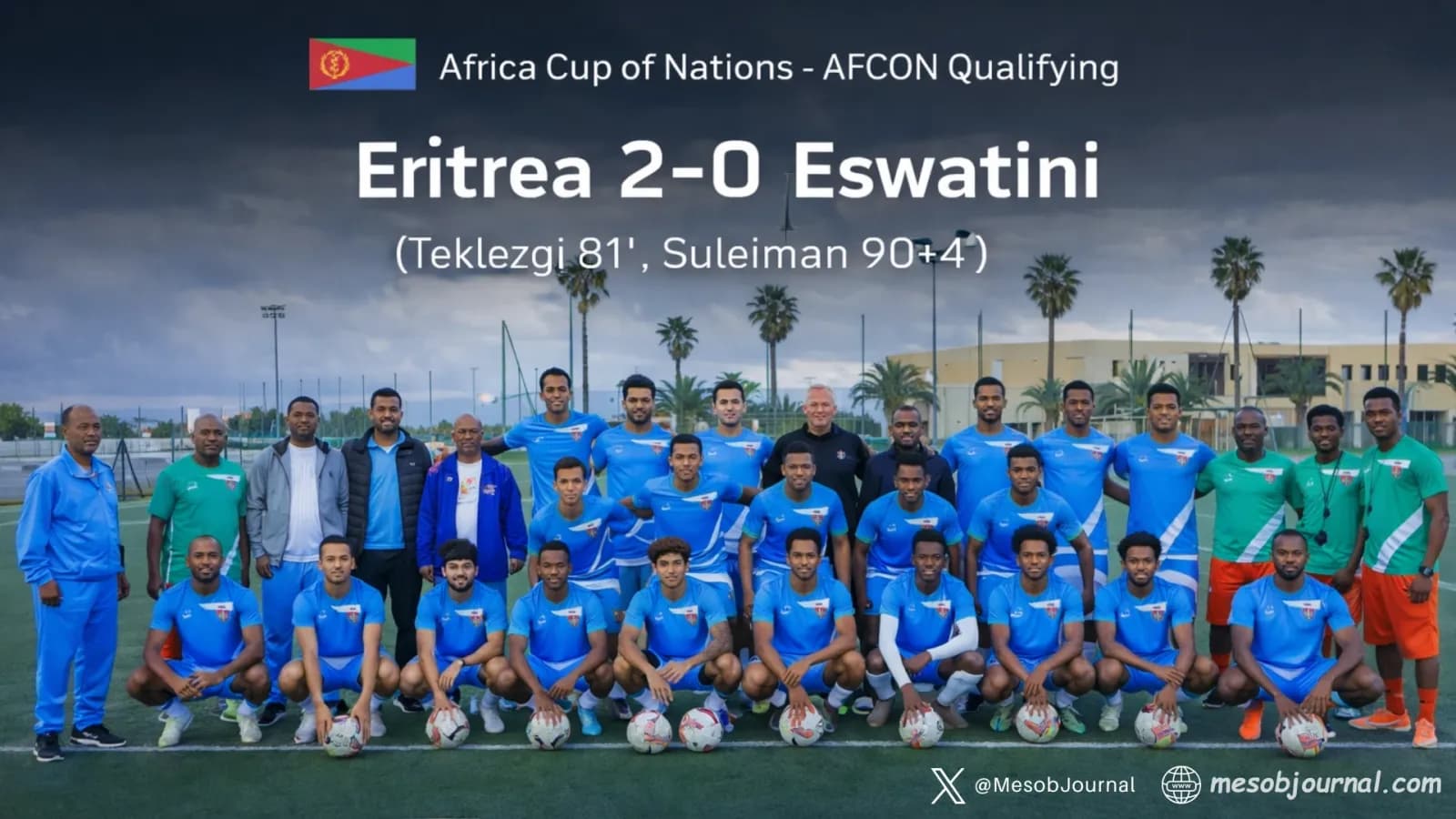
Eritrea’s AFCON Return Revives a Proud Football History
Eritrea’s 2–0 win over Eswatini in Meknes Today, was more than a positive result in the preliminary round of AFCON PAMOJA 2027 qualifying. It was a reminder that Eritrean football did not suddenly appear from nowhere. It returned. After almost two decades away from continental q

America First in Africa Means Interests First, Pretense Last
Washington has finally said it plainly. In a March 19 speech at the Powering Africa Summit, Senior Bureau Official Nick Checker laid out the Trump administration’s Africa policy in language that stripped away much of the old diplomatic wrapping. Africa, in this telling, is no lon