

Ethiopia-Somalia: Abiy Ahmed’s Regime Sparks Distrust and Fuels Regional Instability
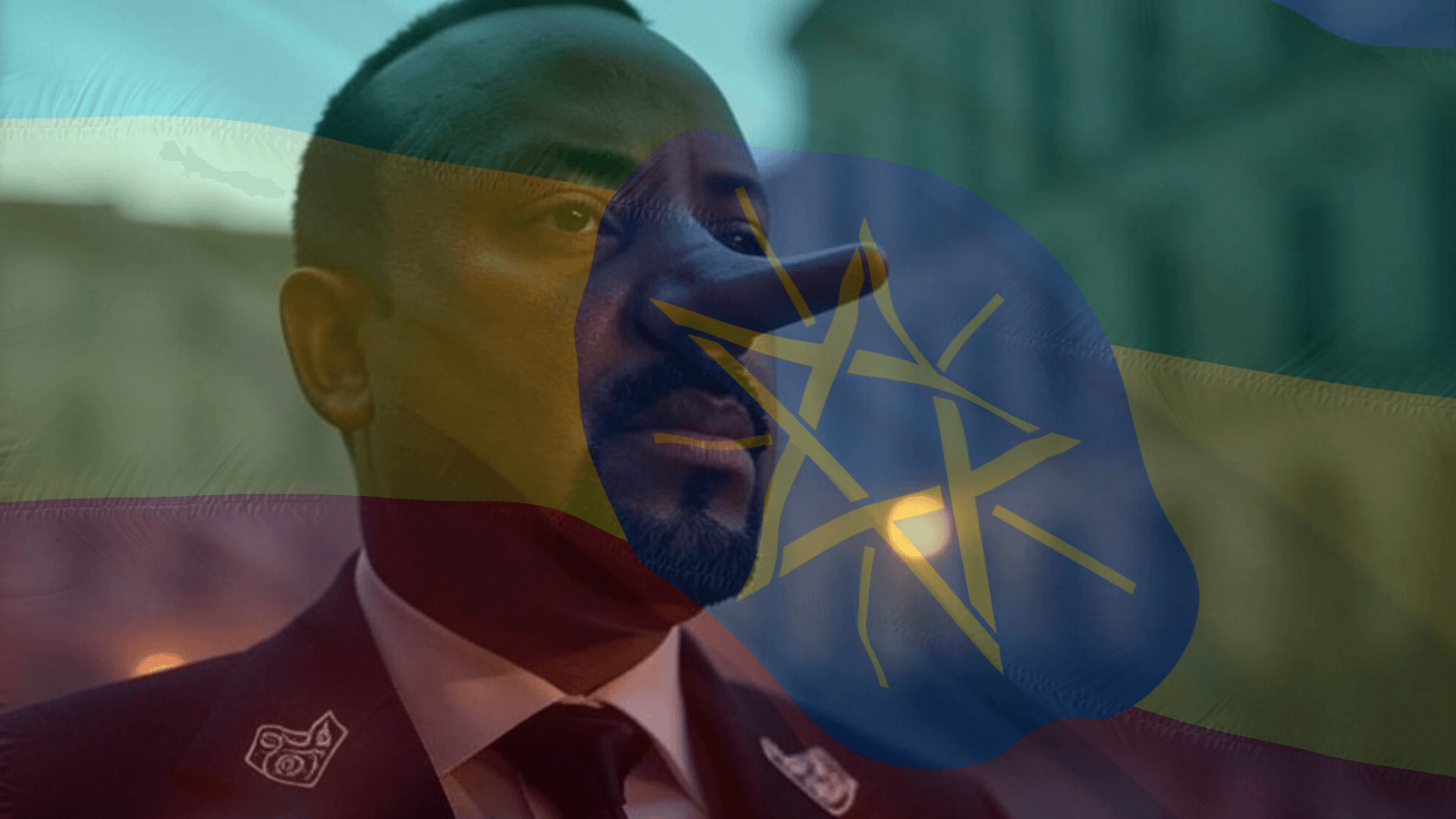
Addis Ababa and Mogadishu find themselves at a diplomatic impasse once again, as conflicting press statements from their foreign ministries reveal growing tensions. On December 24, 2024, Somalia accused Ethiopian forces of misconduct in Doolow, a Somali border town.
Ethiopia's response, however, dismissed the allegations as baseless and attributed the incident to “third parties intent on destabilizing the Horn of Africa.”
The Ethiopian statement, while cloaked in diplomatic language, embodies what many critics identify as the hallmark of Prime Minister Abiy Ahmed’s regime: gaslighting and denial. By deflecting blame onto unnamed “third parties,” the Ethiopian government avoids accountability while portraying itself as a victim of shadowy conspirators.
This tactic is not new. Observers have noted a consistent pattern of externalization by Abiy Ahmed’s administration, especially as internal challenges mount.
A Regime Under Siege
Abiy Ahmed’s Ethiopia is grappling with numerous crises, including an intensifying war in the Amhara region, widespread food insecurity, and international criticism of its human rights record. In a bid to consolidate power, the regime has resorted to suppressing dissent and waging military campaigns, leaving regions like Amhara devastated.
The war has displaced millions and exacerbated Ethiopia’s already dire humanitarian situation, with starvation looming over large parts of the population.
Against this backdrop, the Ethiopian government’s focus on alleged “third parties” in the Somalia incident appears to be an attempt to divert attention from its internal turmoil. Experts argue that this externalization strategy serves as a smokescreen, allowing the regime to mask its destabilizing role in the region.
A Diplomatic Divide
Somalia’s statement following the bilateral meeting in Addis Ababa highlighted its “protest and condemnation” of Ethiopian forces’ actions in Doolow. The Somali government, under President Hassan Sheikh Mohamud, has shown restraint but insists on accountability.
In contrast, Ethiopia’s response dismissed these concerns outright, framing the allegations as “not true” and emphasizing its commitment to regional peace.
This divergence underscores a deeper mistrust between the two nations, despite recent efforts to mend ties under the Ankara Declaration of December 11, 2024. The declaration, aimed at fostering cooperation, is now under strain as Somalia accuses Ethiopia of violating its sovereignty.
Regional Implications
Ethiopia’s destabilizing actions are not confined to Somalia. Critics of the Abiy Ahmed regime highlight its role in exacerbating conflicts across the Horn of Africa, from its controversial involvement in Somalia to its strained relations with Sudan and Eritrea.
By fueling instability abroad, the Ethiopian government distracts from its failures at home, but at great cost to regional security.
The Road Ahead
For Somalia, the Doolow incident is a litmus test for Ethiopia’s sincerity in upholding the Ankara Declaration. Ethiopia’s insistence on denying any wrongdoing, coupled with its broader destabilizing tendencies, raises questions about its commitment to regional peace.
Somalia’s measured approach thus far reflects its desire to avoid escalating tensions, but its patience is not unlimited.
As the international community watches, the onus is on Ethiopia to prove that it is a reliable partner, not a destabilizing force. For Abiy Ahmed, this means addressing the root causes of his country’s internal and external conflicts - not deflecting blame onto phantom “third parties.”
Related stories
Crossing the Line: Sudan’s Stern Warning and Ethiopia’s Dangerous Proxy War
Khartoum has stopped hinting and started naming the line it says Addis Ababa has crossed. In a press statement issued Monday, March 2, 2026 , Sudan’s Ministry of Foreign Affairs said it had monitored drones entering Sudan “from inside Ethiopian territory” throughout February a

Ethiopia: Abiy's War Script and the Media’s False Balance on Eritrea
The lazy framing is already being warmed up: “tensions are rising,” “neighbours trade claims,” “both sides must de-escalate.” It sounds responsible. It reads balanced. And it quietly deletes the one fact that matters: one side has spent years normalising war talk as policy. If y
Erdogan in Addis: sovereignty first as Abiy beats sea-access drum
Abiy Ahmed tried to stage the usual Addis photo-op when Turkey’s President Recep Tayyip Erdoğan arrived. But the camera caught something different: a stiff, guarded prime minister sitting beside a visitor who didn’t look like he came for flattery. What played out at the joint app
AU PSC: Israel’s Somaliland move “null and void”
The African Union Peace and Security Council (PSC) has issued one of its clearest sovereignty statements on Somalia in years—explicitly condemning Israel’s unilateral recognition of the “so-called Republic of Somaliland,” demanding it be revoked, and warning that no actor has the