

From Dust to Harvest: How Eritrea’s Community Dams Are Greening the Desert
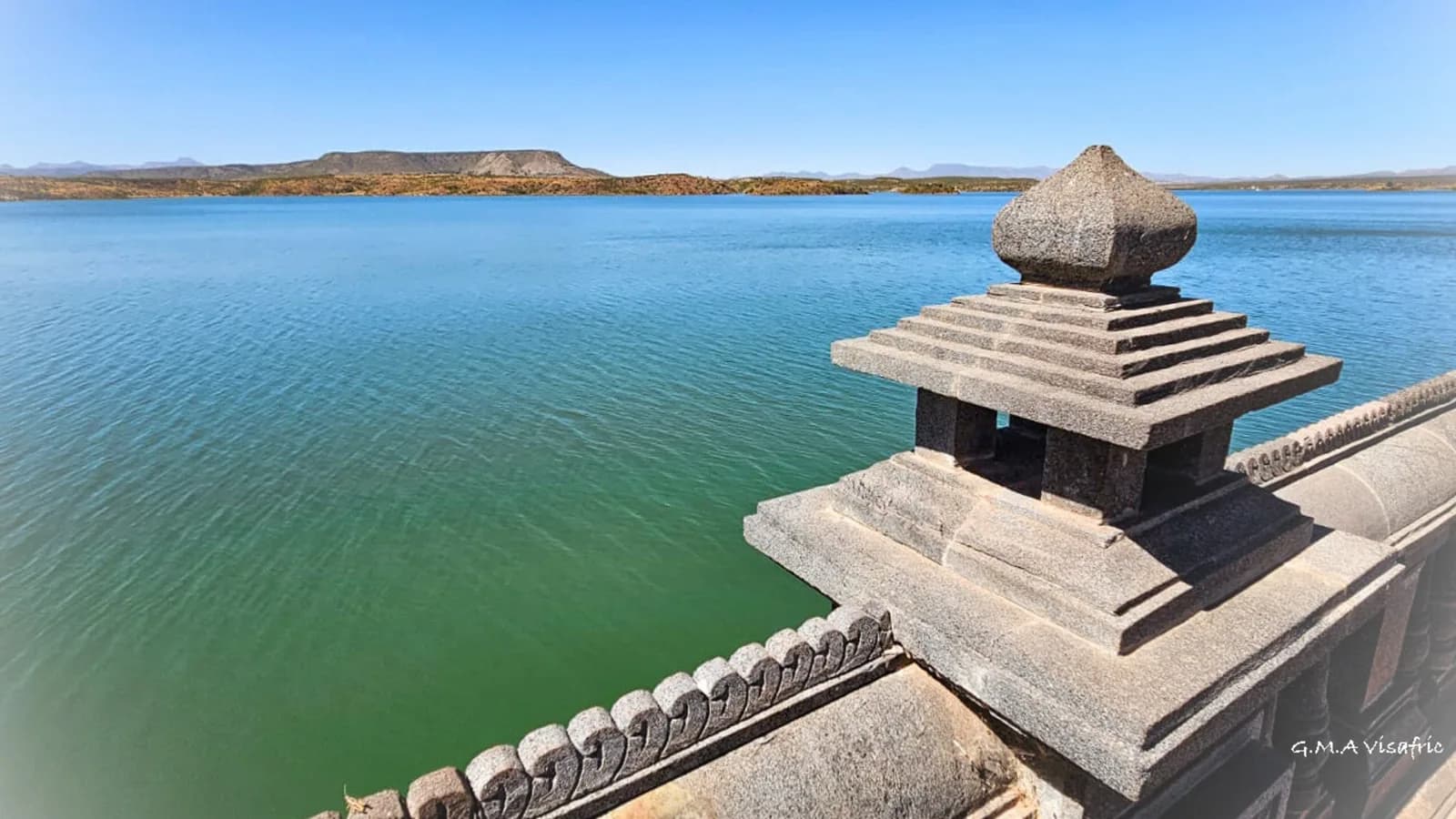
In Eritrea’s highlands, where the earth once cracked under relentless sun and hope withered with the seasonal streams, something remarkable is happening. Stone by stone, hand by hand, rural communities are defying drought and rewriting their story of survival.
Across Zoba Maekel, Zoba Anseba, and the arid stretches of the country’s heartland, masonry dams now shimmer with captured rainwater, a lifeline for farmers who once waited in fear for erratic clouds. Where there was dust, there are now fields of vegetables, cereals, and fruit trees. Where there was despair, there’s laughter and market days.
Farmers Harvesting Hope and Prosperity
“Before the dam, we harvested once a year - if the rain didn’t fail us,” recalls Bekit Idris of Guritatal. “Now, I harvest three times. We eat better, and I sell the surplus. I even grow fodder for my animals.”
This transformation isn’t magic - it’s grit, organization, and a model that blends community labor, local materials, and strategic support from the African Development Bank through the Drought Resilience and Sustainable Livelihoods Programme (DRSLP). Since 2015, over 880 dams - many small, hand-built, and affordable - have been constructed or rehabilitated across the country.
Concrete Results: More Water, More Food, More Income
The results are striking:
- Households harvest 2–3 times a year instead of one.
- Water security is up, as dams capture 30,000–110,000 m³ of water each.
- Livelihoods shift from survival to opportunity, with farmers embracing commercial agriculture.
- Soil and water conservation structures now protect 9,800 hectares of upstream land.
In Zoba Anseba, farmer Hamed Meskel watched his wells dry up and his fields go fallow - until the Aderde damarrived. “I had stopped planting completely,” he said, smiling under the sun. “Now I harvest twice a year, and other farmers come to see what’s possible.” His demonstration plot has already inspired 350 households to follow suit.
A Blueprint for Resilience in the Horn of Africa
More than 73% of Eritreans depend on agriculture, making water security not just a livelihood issue but a question of survival. Unlike flashy mega-projects that often falter in Africa, Eritrea’s approach is low-cost, community-driven, and sustainable.
“The communities are seeing results,” said Kenneth Onyango, Chief Country Program Officer at the AfDB. “We see livelihoods changing, and agriculture is becoming a reliable source of income.”
The project’s fifth phase will continue through 2026, reinforcing Eritrea’s broader push for food sovereignty, climate resilience, and rural economic revival.
From Scarcity to Self-Reliance
From the air, the Guritata dam looks like a silver ribbon in a valley of green—a testament to what’s possible when local communities and practical engineering meet determination. On the ground, it represents something even bigger: dignity and self-reliance in the face of climate adversity.
Eritrea’s quiet revolution in water management is turning dust to harvest, isolation to hope, and once again proving that African solutions, rooted in community, can outlast the storms of climate change.
Related stories
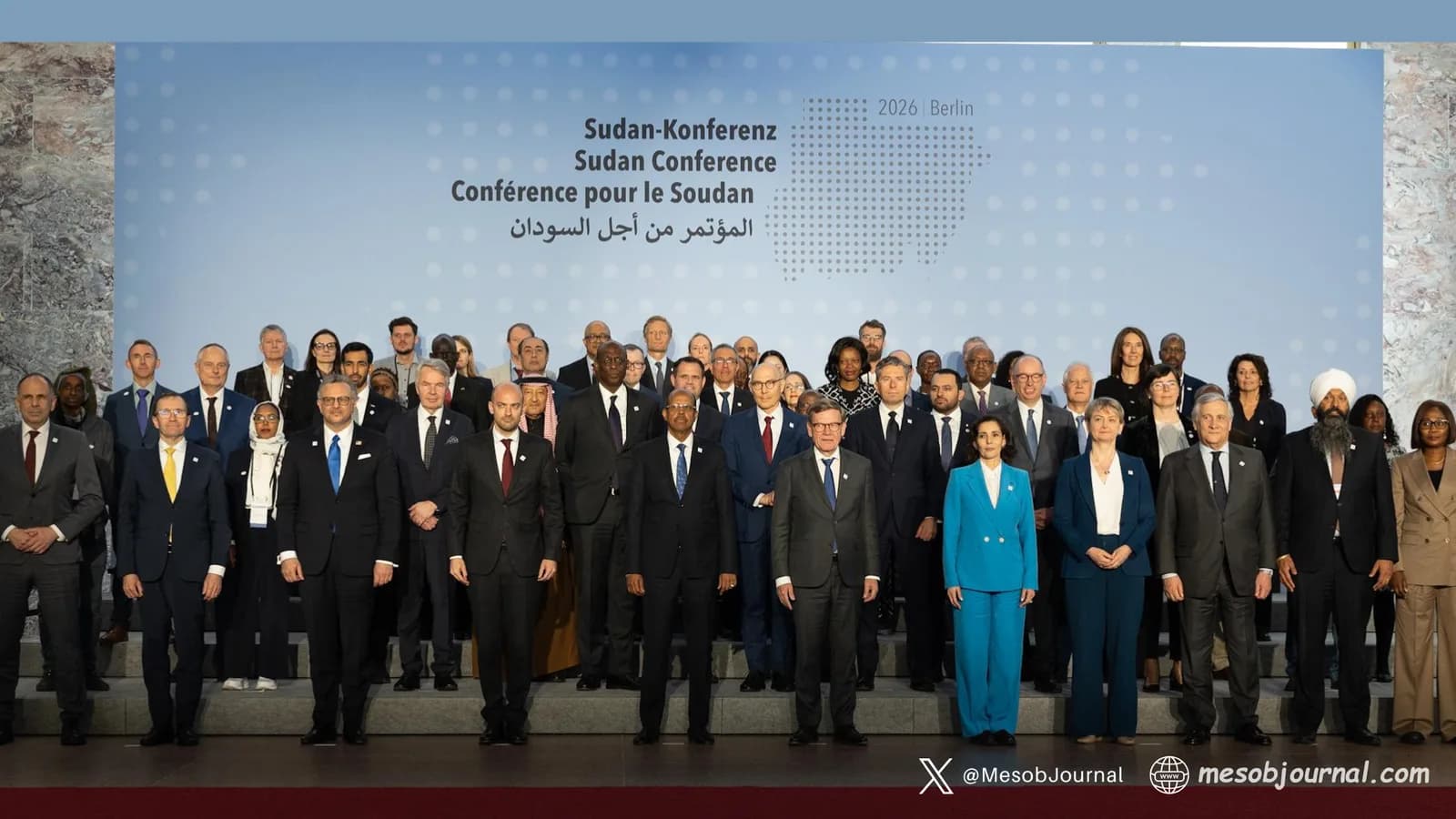
Berlin’s Sudan Conference Reeked of Colonial Tutelage
There was something deeply revealing about the Sudan conference staged in Berlin this week. It was presented as diplomacy. It was marketed as concern. It was wrapped in the language of humanitarian urgency and civilian-centered politics. But strip away the polished statements and
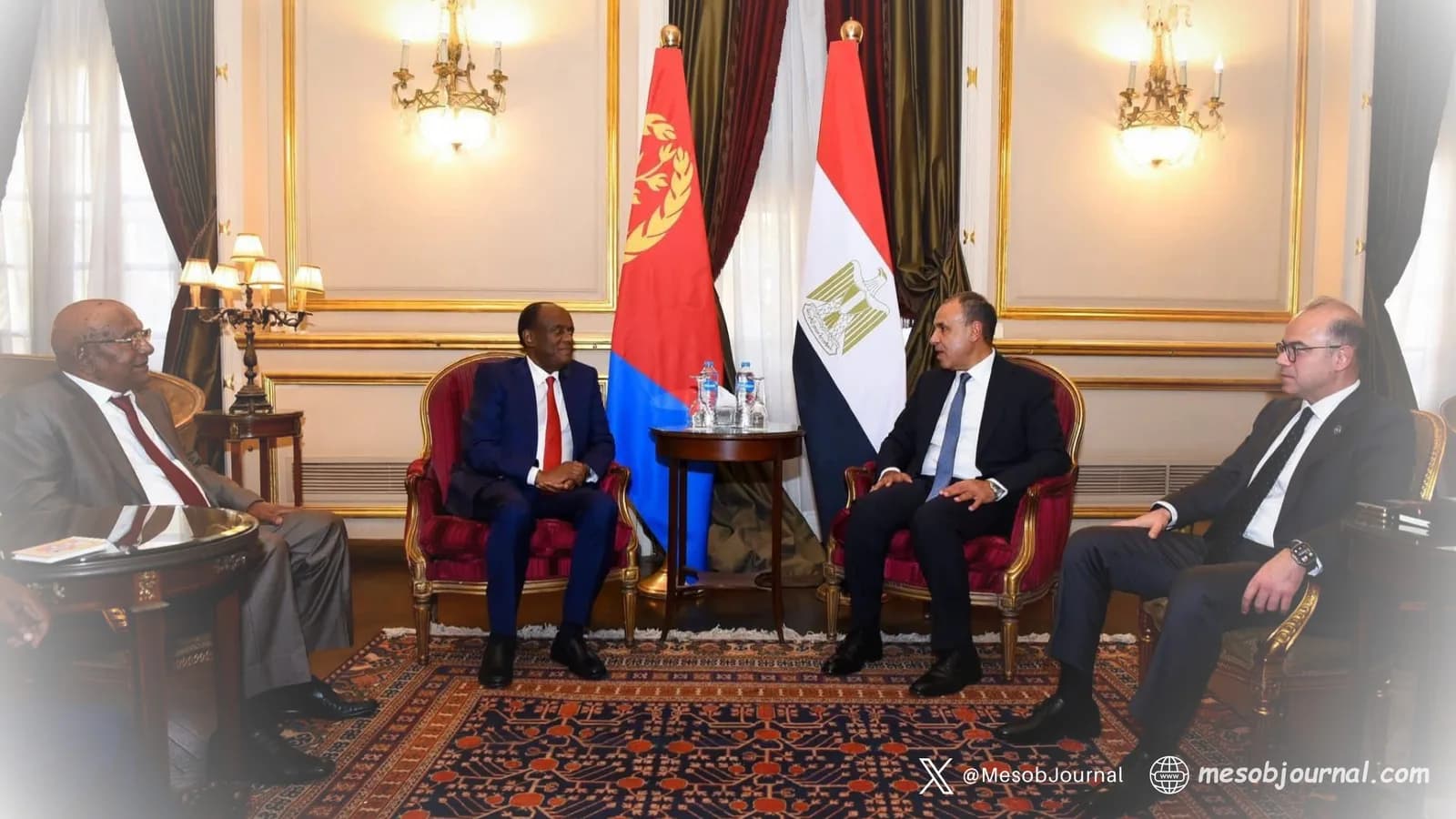
Cairo, Asmara Align on Trade and Red Sea Security
Egypt and Eritrea moved to deepen economic cooperation during high-level talks in Cairo on Monday, while also aligning on key regional issues including Sudan’s territorial integrity and Red Sea security. Egypt’s official readout said the meeting focused on trade, investment, indu
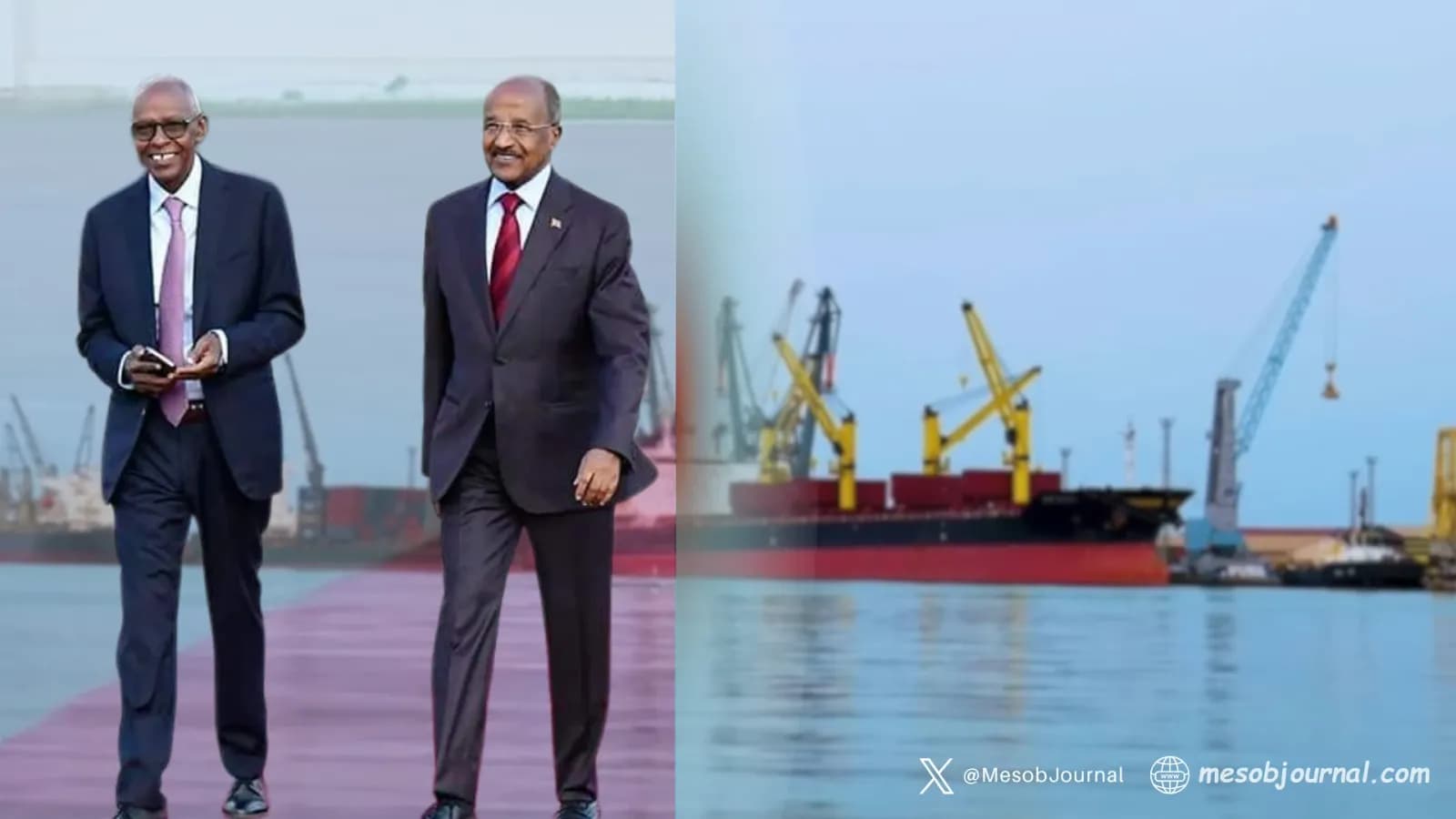
Eritrea Urges Action Against Unilateral Sanctions in Geneva
Eritrea used a high-level Geneva conference on Thursday to press a broader case against unilateral sanctions, with Foreign Minister Osman Saleh arguing that such measures are harming development, disrupting essential trade and undermining the very human rights they claim to defen
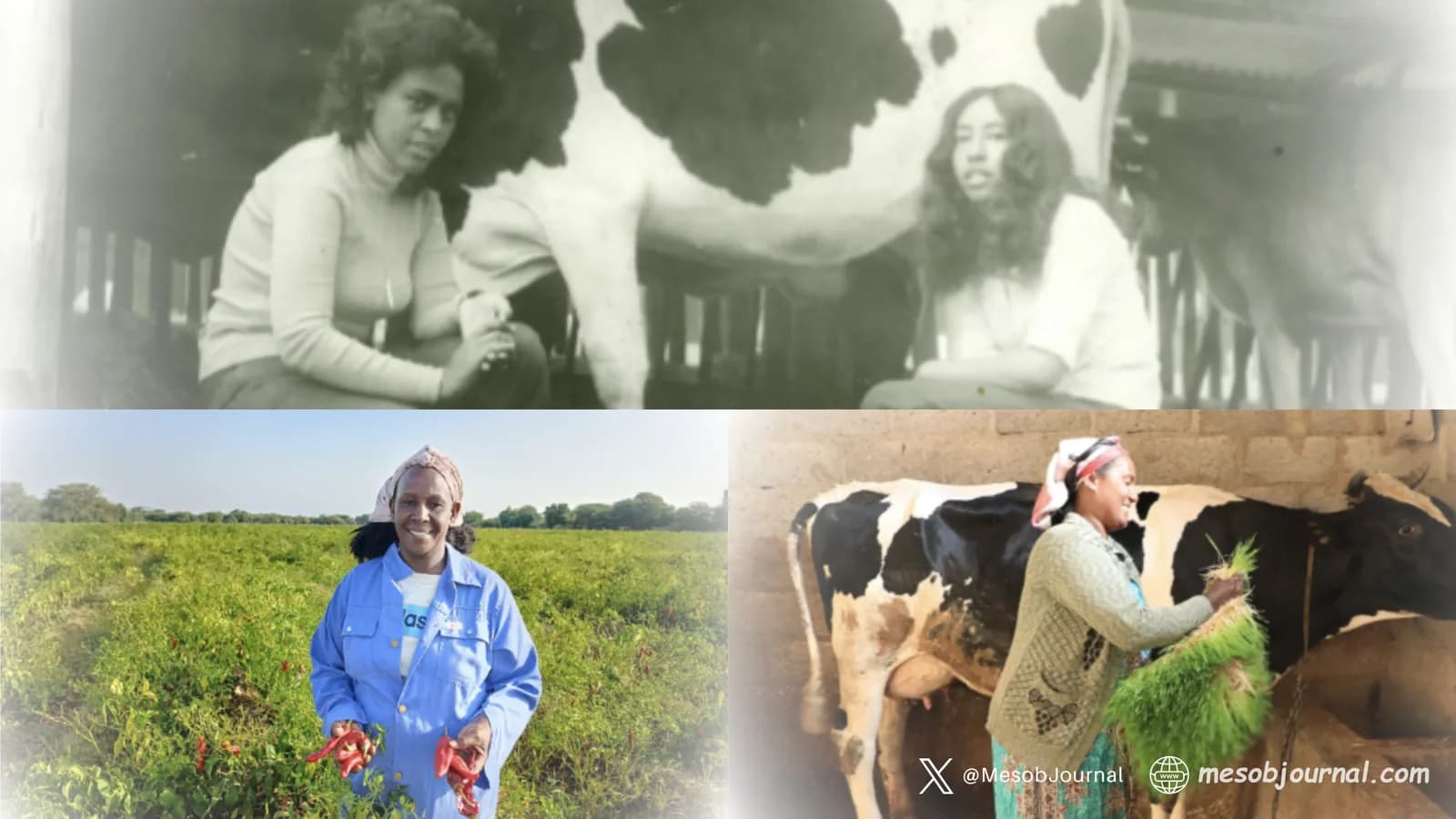
How Eritrean Women Are Driving Food Security From the Ground Up
There are development slogans, and then there is the harder thing: the daily work that keeps families fed, markets supplied, and communities standing on their own feet. In Eritrea, that work is often being carried by women whose contribution is discussed too little outside the co