

Sudan: RSF leader lashes out at enemies, warns neighbours
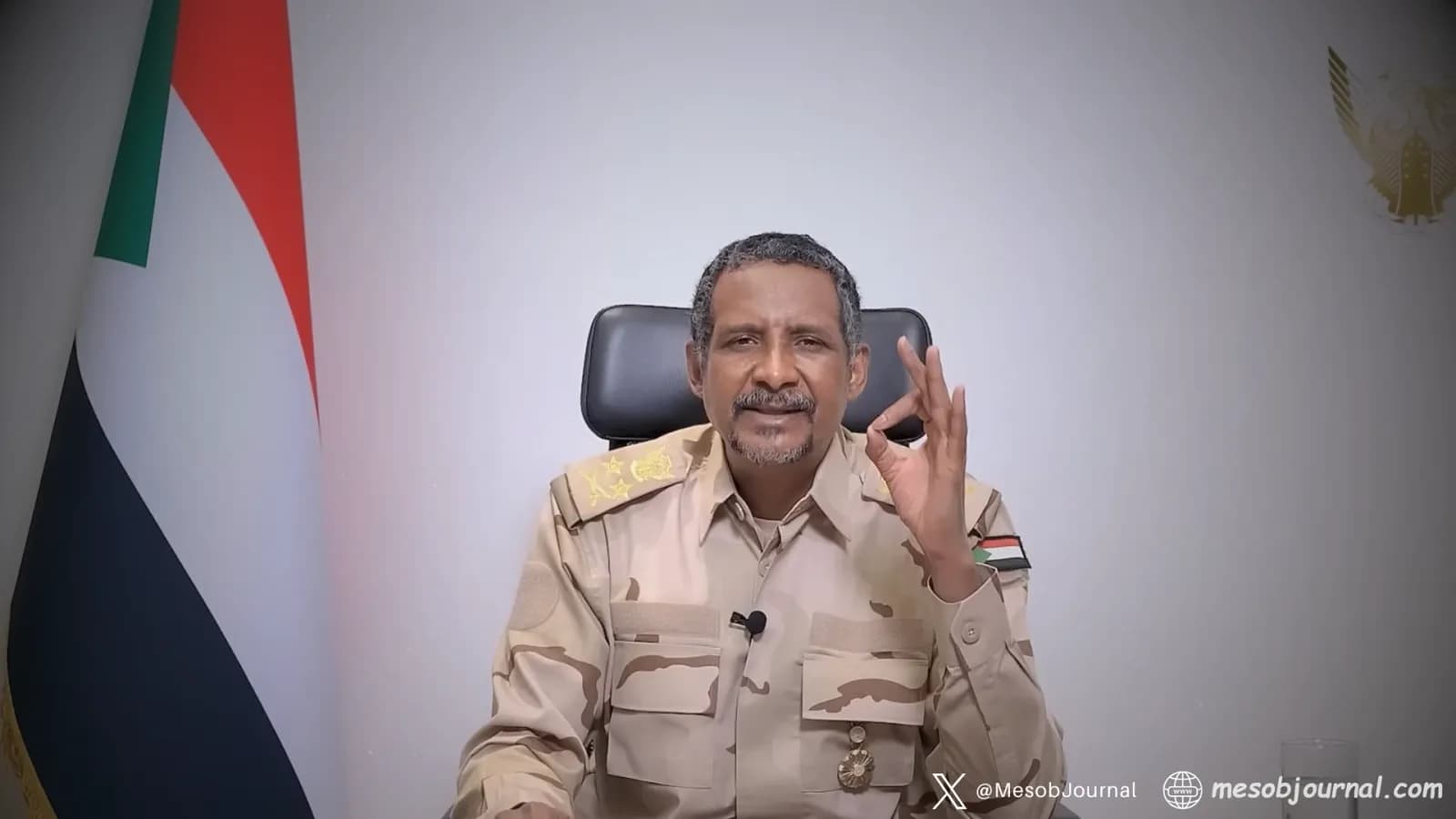
In an 18-minute video address released on Tuesday, Rapid Support Forces (RSF) commander Mohamed “Hemedti” Dagalo delivered one of his angriest speeches since Sudan’s civil war began in April 2023 — a tirade that revealed as much about his frustration as his strategy.
Seated indoors, visibly drained and defensive, Hemedti spoke into the camera flanked by the RSF banner, his voice cracking between grief and fury. He denounced what he called “ethnic cleansing” of Darfuri tribes, accused the army of “Islamist infiltration,” and promised vengeance for slain tribal leaders. But his most alarming line came near the end:
“Any aircraft or drone that takes off from a neighbouring country’s airport and strikes Sudan will be treated as a legitimate target.”
The remark raised concerns among observers, effectively threatening cross-border retaliation — a dangerous escalation at a moment when the RSF is under military, financial, and diplomatic strain.
The speech of a cornered man
Hemedti’s recorded address mixed battlefield grief with political invective. He praised fallen RSF fighters and “traditional leaders” while accusing the army of waging a campaign to erase entire tribes — a claim impossible to verify independently. Analysts said the tone suggested an embattled commander attempting to maintain morale after recent RSF losses in central and western Sudan, where pro-army forces have regained parts of North Kordofan and Omdurman.
His angry denunciation of Sudan’s armed forces as “the Islamic Movement’s army” and his call to “eradicate this cancer” underscored how deeply sectarian and personal the war narrative has become.
The UAE connection — patron turned predicament
For years, the RSF’s external backer has been the United Arab Emirates. Through gold trading networks and alleged military logistics, Abu Dhabi became a silent stakeholder in Hemedti’s war economy. But as international scrutiny mounts, the relationship is turning from asset to liability.
Recent U.S. and U.N. reports cite evidence that RSF-linked gold and weapons routes run through UAE intermediaries — a charge the Emiratis deny but can no longer ignore. Under pressure, Abu Dhabi has quietly slowed financial channels once friendly to RSF-connected traders, leaving Hemedti scrambling for cash and legitimacy.
His latest outburst, sources suggest, was partly aimed at warning Gulf patrons not to distance themselves — a message cloaked as defiance but delivered in visible anxiety.
The regional alarm
The cross-border threat was the speech’s most dangerous turn. By declaring any aircraft departing from neighbouring airfields a potential “legitimate target,” Hemedti effectively placed parts of Egypt, Libya, Chad, South Sudan and Eritrea within his rhetorical firing range.
Regional observers called it reckless. With drones and logistics already flowing across porous borders, even one misinterpreted strike could trigger regional confrontation. Humanitarian agencies warned that such talk endangers civilian flights and aid operations already strained by the conflict.
A war losing meaning
The RSF once presented itself as the guardian of “revolutionary justice.” Two years later, that narrative has collapsed under reports of mass killings, displacement, and citywide destruction. Hemedti’s video felt less like a declaration of confidence than a survival plea — urging supporters to keep faith while portraying himself as Sudan’s last shield against “Islamist conspiracies.”
But the battlefield tells a harsher story. RSF units are overstretched, supplies uncertain, and international condemnation growing. The speech’s defiant tone could not hide that fatigue.
The takeaway
Hemedti’s latest appearance was more than a propaganda moment — it was a window into the mindset of a commander feeling his grip slip. His rhetoric about foreign airfields marked a new low in political desperation, transforming local conflict rhetoric into regional menace.
As an old African proverb reminds us: “When a man starts threatening the sky, it means he’s lost the ground beneath him.”
Related stories
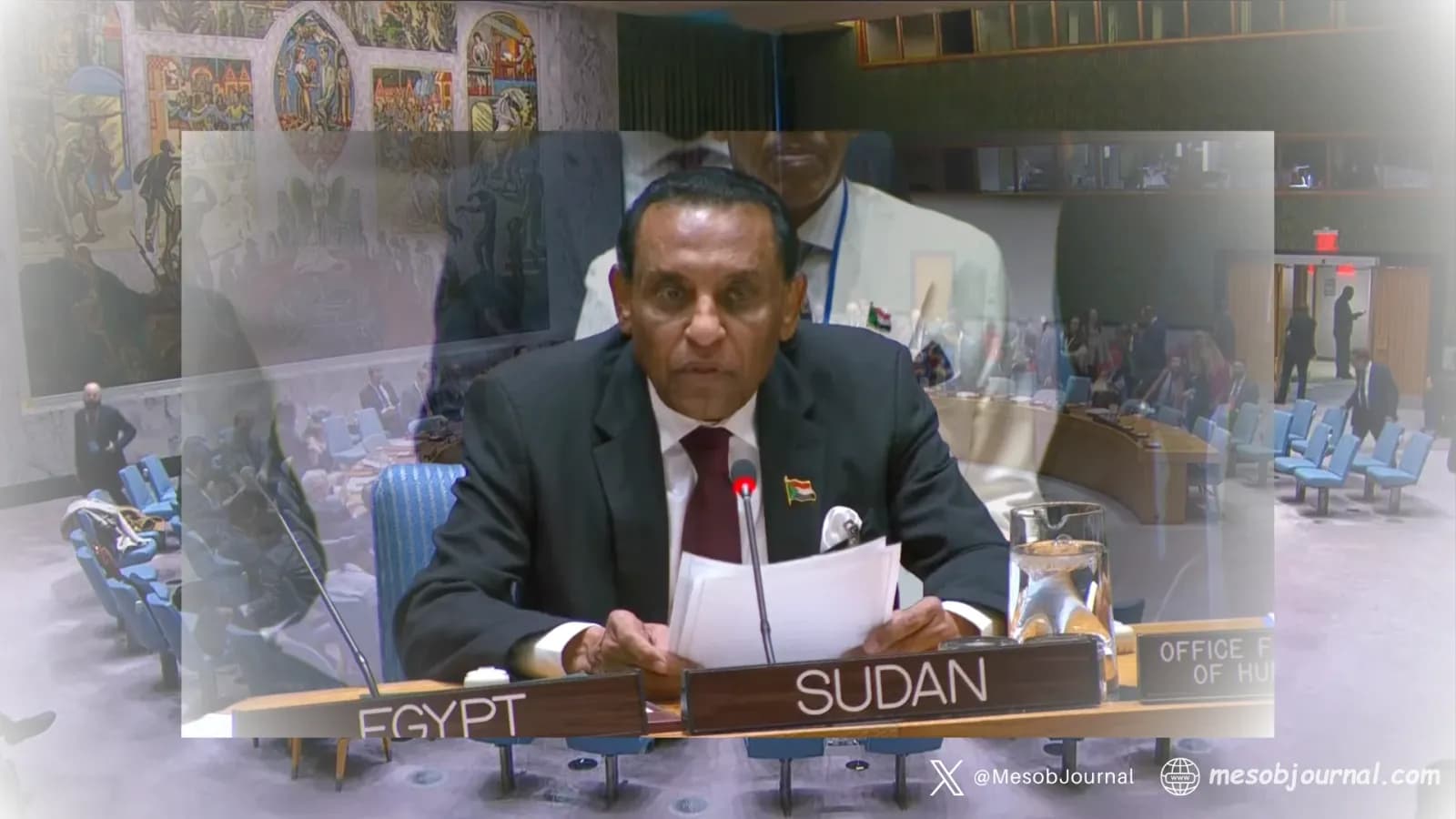
Sudan Rejects Berlin Conference, Says Outcomes Are Non-Binding
Sudan’s government has formally rejected the Berlin conference on Sudan, with Prime Minister Kamil Idris saying the meeting and its outcomes “do not concern” the Sudanese people or government because Khartoum was excluded from participation. In remarks published by the Sudanese e
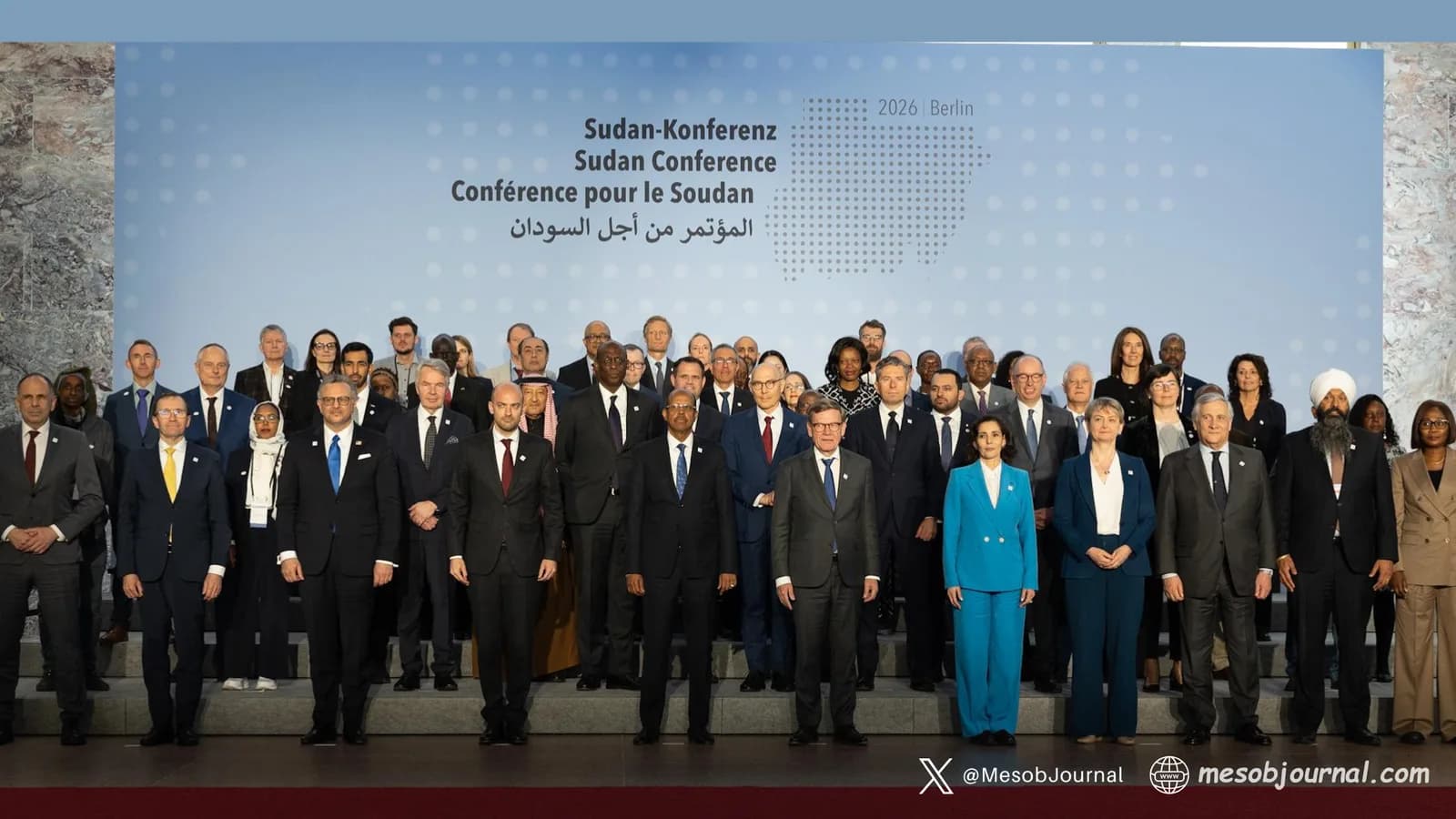
Berlin’s Sudan Conference Reeked of Colonial Tutelage
There was something deeply revealing about the Sudan conference staged in Berlin this week. It was presented as diplomacy. It was marketed as concern. It was wrapped in the language of humanitarian urgency and civilian-centered politics. But strip away the polished statements and
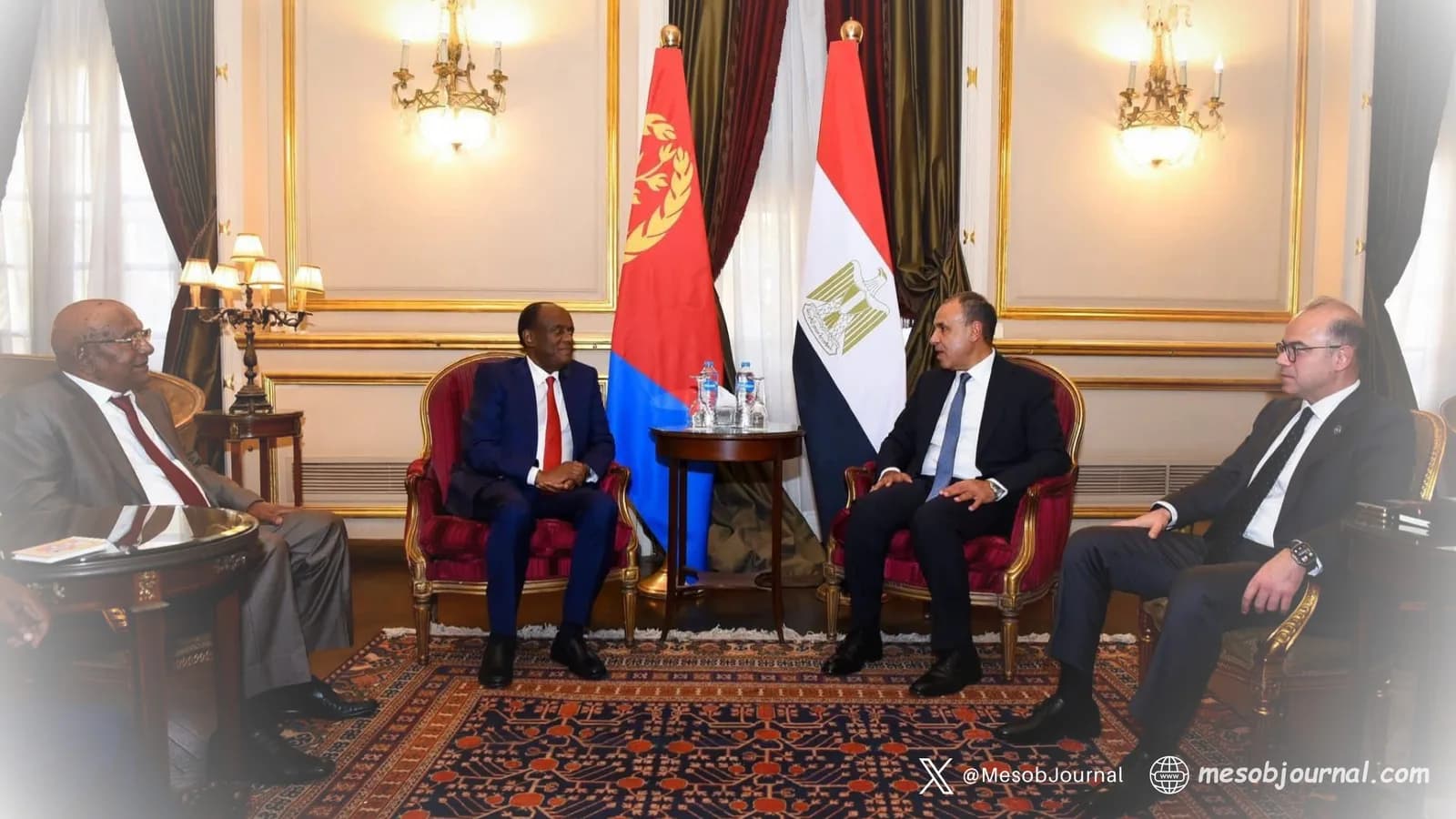
Cairo, Asmara Align on Trade and Red Sea Security
Egypt and Eritrea moved to deepen economic cooperation during high-level talks in Cairo on Monday, while also aligning on key regional issues including Sudan’s territorial integrity and Red Sea security. Egypt’s official readout said the meeting focused on trade, investment, indu
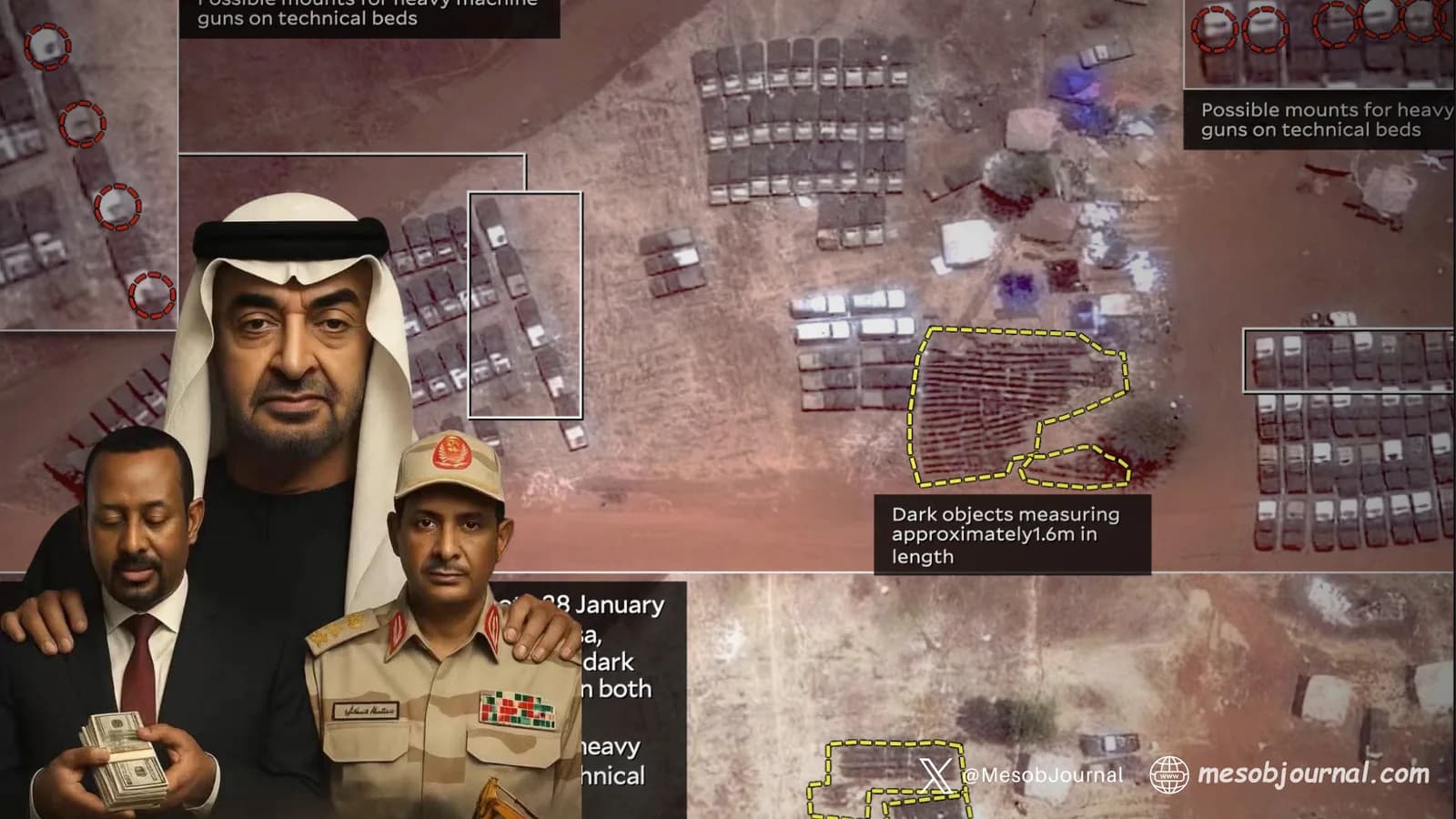
Abiy Ahmed’s Sudan Game Is Now in Plain Sight
The mask keeps slipping. A new report by Yale’s Humanitarian Research Lab says it has reached a high-confidence conclusion that military assistance to Sudan’s Rapid Support Forces is taking place inside an Ethiopian National Defense Force base in Asosa, in Ethiopia’s Benishangul-