

Nigerian Civil Aviation Authority Takes Bold Action Against Ethiopian Airlines, Echoing Eritrea’s Stance
The Nigerian Civil Aviation Authority (NCAA) has penalized Ethiopian Airlines for multiple violations of consumer protection laws.
This development comes on the heels of a similar enforcement action by the Eritrean Civil Aviation Authority earlier this year.
Nigerian Authorities Respond
The NCAA's decision stems from repeated complaints about Ethiopian Airlines’ operations, including the mishandling of passenger luggage, prolonged delays, and a lack of adequate compensation for affected travelers.
Nigerian authorities have stressed the need to address these grievances to protect passenger rights and ensure fair treatment.
This step by Nigeria comes as part of a broader effort to hold the airline accountable and enforce compliance with aviation standards that prioritize customer care.
Eritrea’s Precedent
In July, the Eritrean Civil Aviation Authority accused Ethiopian Airlines of "consistent and persistent malicious trading practices," citing luggage theft, pilferage, unjustified price hikes, and damage without compensation.
Despite numerous calls for the airline to rectify these issues, no corrective actions were taken, prompting Eritrea to suspend all Ethiopian Airlines flights to the country as of September 30, 2024.
Nigeria's decision to take action against Ethiopian Airlines adds weight to Eritrea's earlier concerns, signaling a growing consensus among African nations that passenger mistreatment cannot be tolerated.
A Turning Point for African Aviation
The actions by Nigeria and Eritrea send a strong message about the importance of accountability in the aviation sector. With two African nations now addressing passenger grievances against Ethiopian Airlines, pressure is mounting on the airline to make significant changes to its operations.
Travelers are advised to remain vigilant and stay informed about the NCAA’s measures.
In the meantime, both Nigeria and Eritrea’s actions underline a shared commitment to protecting passenger rights and upholding service quality across the continent.
Related stories
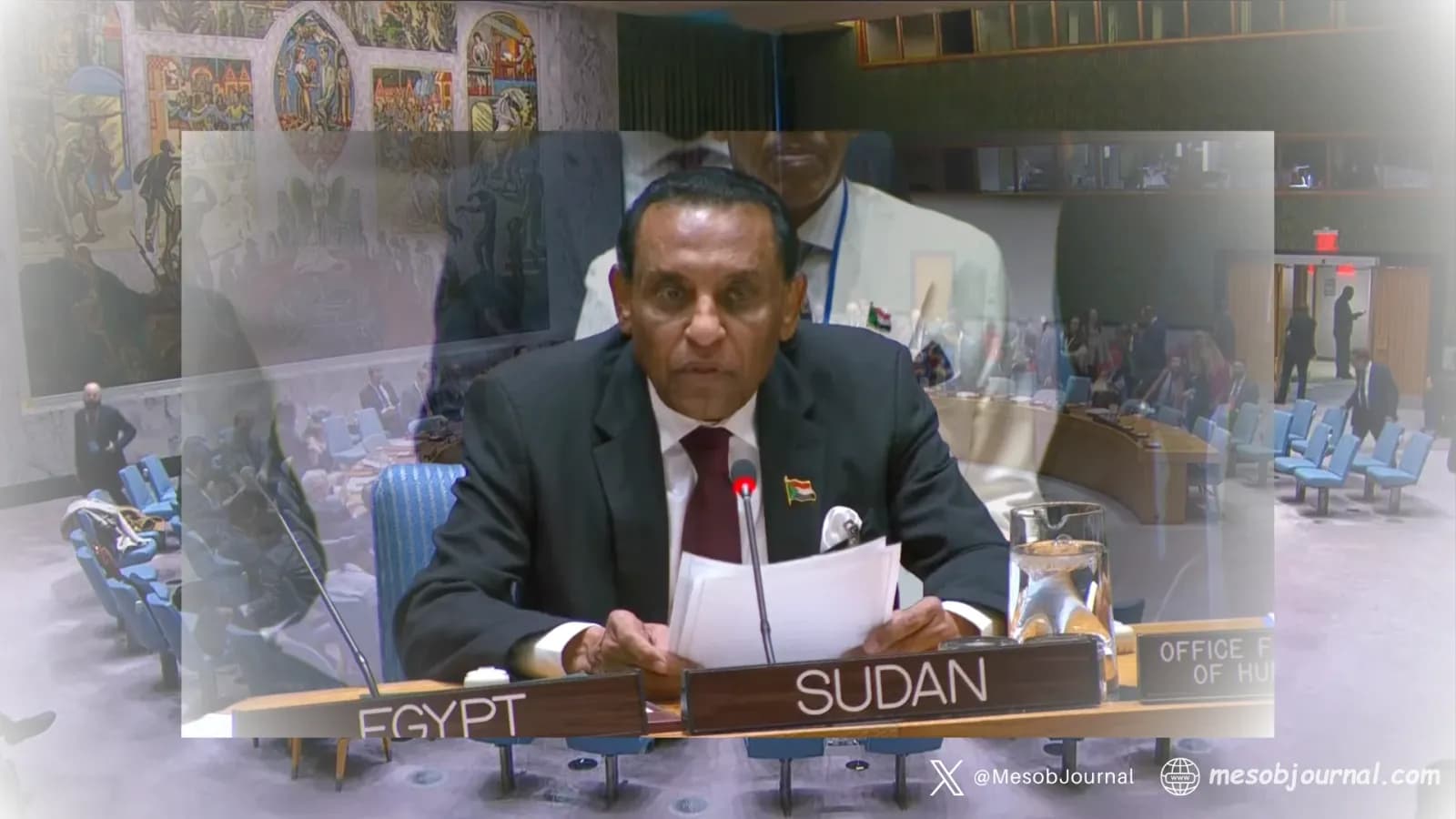
Sudan Rejects Berlin Conference, Says Outcomes Are Non-Binding
Sudan’s government has formally rejected the Berlin conference on Sudan, with Prime Minister Kamil Idris saying the meeting and its outcomes “do not concern” the Sudanese people or government because Khartoum was excluded from participation. In remarks published by the Sudanese e
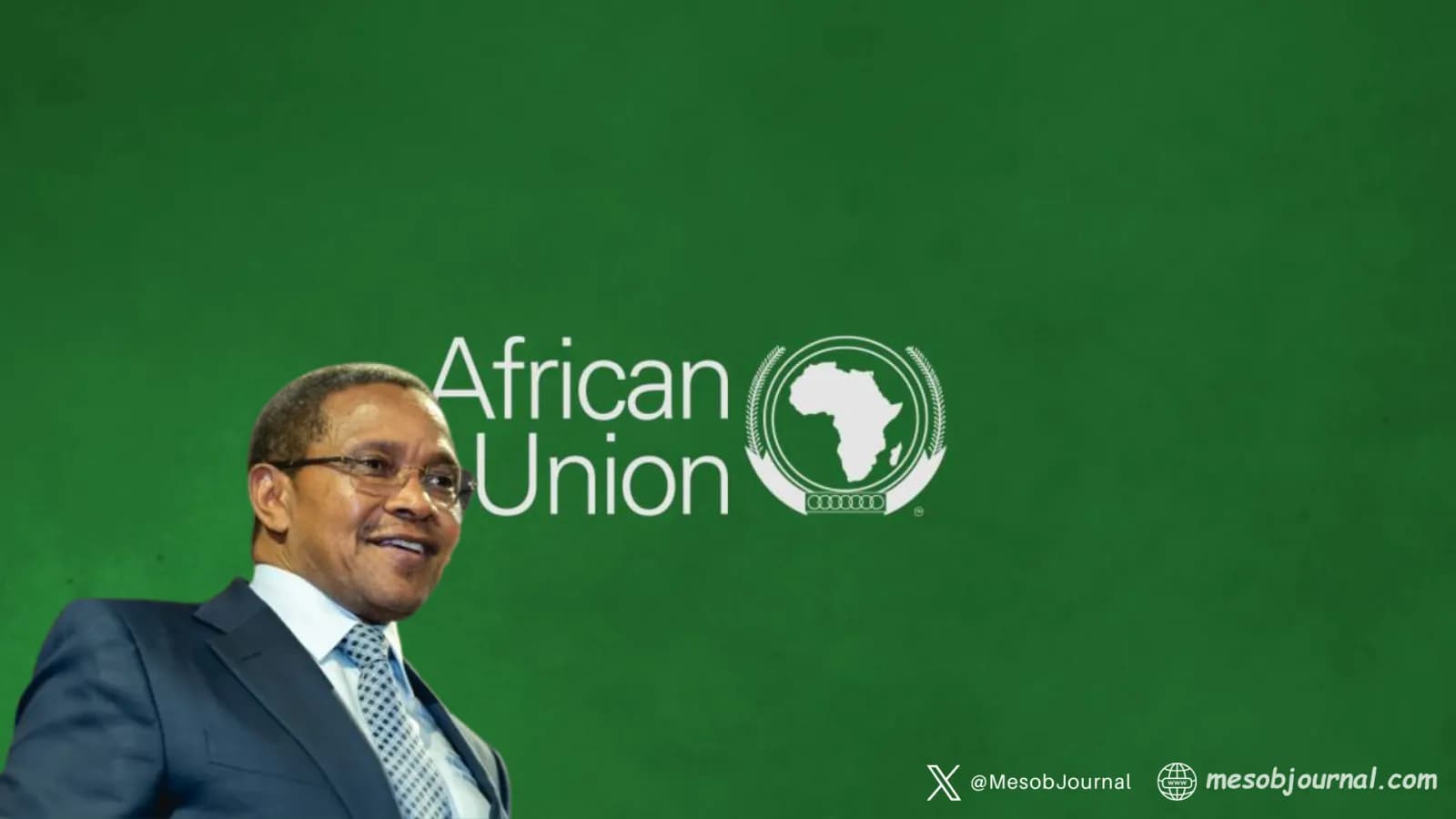
AU appoints Kikwete as Horn of Africa, Red Sea envoy
The African Union Commission has appointed former Tanzanian president Jakaya Mrisho Kikwete as the AU High Representative for the Horn of Africa and the Red Sea, placing a veteran East African statesman at the center of one of the continent’s most sensitive geopolitical files. Th

Eritrea’s AFCON Return Revives a Proud Football History
Eritrea’s 2–0 win over Eswatini in Meknes Today, was more than a positive result in the preliminary round of AFCON PAMOJA 2027 qualifying. It was a reminder that Eritrean football did not suddenly appear from nowhere. It returned. After almost two decades away from continental q

America First in Africa Means Interests First, Pretense Last
Washington has finally said it plainly. In a March 19 speech at the Powering Africa Summit, Senior Bureau Official Nick Checker laid out the Trump administration’s Africa policy in language that stripped away much of the old diplomatic wrapping. Africa, in this telling, is no lon