

Abiy Ahmed’s Grand Distractions Mask Ethiopia’s Slow Collapse
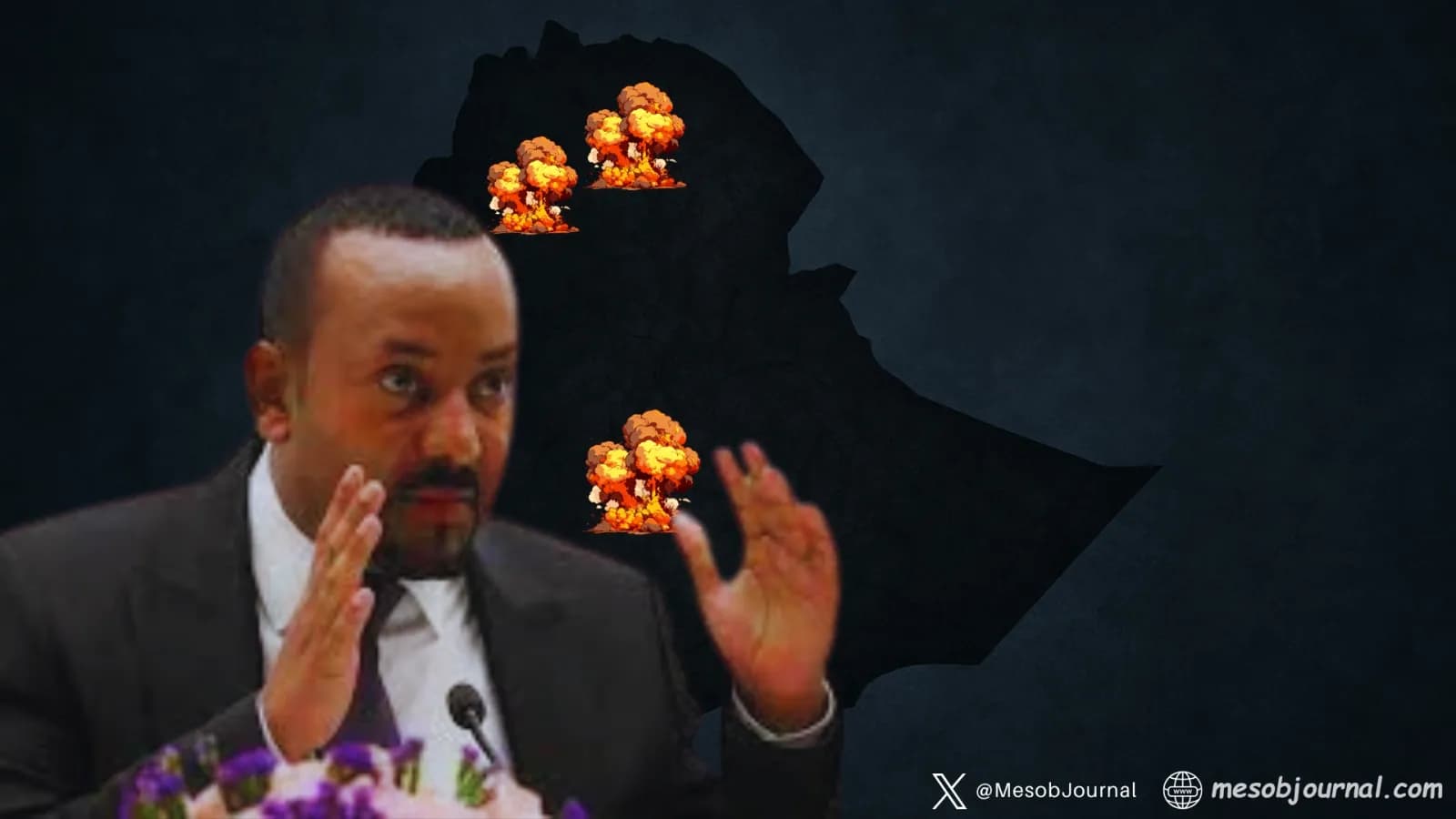
When Ethiopia’s Prime Minister Abiy Ahmed takes the podium, the script rarely changes: bold promises, sweeping reforms, and the announcement of yet another mega-project that will allegedly transform Ethiopia into a continental powerhouse. From unveiling a sovereign wealth fund claimed to hold $150 billion, to launching a securities exchange with just one listed company, to boasting of new “corridor developments” across dozens of towns, Abiy has mastered the art of distraction through spectacle.
Yet behind the fireworks, the reality is far darker: Ethiopia is in deep crisis — politically, economically, and socially. The government’s grandstanding hides a country unraveling from within.
A Country at War With Itself
The most glaring contradiction is that Ethiopia’s federal government continues to promote itself as a safe investment destination, while large parts of the country are effectively war zones. According to the U.S. State Department’s 2025 Investment Climate Statement, more than 4.2 million people are internally displaced, largely due to ongoing conflicts in Amhara and Oromia regions.
- In Amhara, the Fano insurgency has turned into a grinding conflict. Even after the official state of emergency lapsed in June 2024, the region remains under de facto military command. Reports of drone strikes, arbitrary detentions, and extrajudicial killings persist.
- In Oromia, the Oromo Liberation Army (OLA) continues to wage insurgency, with sporadic peace deals breaking down almost as soon as they are announced. Civilians are caught between government forces, militias, and criminal actors.
- In Tigray, the fragile 2022 peace deal with the TPLF remains under strain, with tensions threatening to reignite large-scale conflict.
Abiy’s government responds not with reconciliation or reform, but with militarization and propaganda.
The Corridor Development Disaster
One of Abiy’s flagship initiatives — the “corridor development” projects — illustrates the regime’s disconnect between rhetoric and reality. Branded as modernization, these projects have in practice expelled tens of thousands of residents and businesses, including foreign-owned ones, without notice or compensation.
Armed security forces demolished homes and shops in Addis Ababa and at least 40 other towns, often at gunpoint. Roads were torn up, businesses forced to close, and livelihoods obliterated.
The international business community has taken note. Far from being seen as “progress,” these actions signal lawlessness and instability — a government that treats both citizens and investors as expendable.
Economic Decline Behind the Curtain
Behind the façade of reforms, Ethiopia’s economic fundamentals are collapsing:
- Debt Default: Ethiopia failed to meet a $33 million coupon payment on its $1 billion eurobond in December 2023, triggering a sovereign default. The country now scrambles to renegotiate billions in debt with China, France, and other creditors.
- Currency Chaos: After briefly floating the birr in 2024, the gap between official and parallel exchange rates has re-emerged, signaling renewed distortions in the financial system.
- Investor Flight: Corruption, arbitrary tax bills, and land seizures have scared off foreign investment. Infrastructure contracts are awarded to politically connected firms without competitive bidding.
- Corruption as a National Threat: Ethiopia’s own government now labels corruption a national security issue. Yet reforms remain cosmetic, with major contracts in telecommunications, power generation, and construction still dominated by firms linked to insiders.
Propaganda as Governance
Faced with rebellion at home and bankruptcy abroad, Abiy has doubled down on a familiar tactic: promise big, deliver little.
- The Sovereign Wealth Fund: Claimed to manage $150 billion in assets, though experts dismiss the figure as wildly exaggerated.
- The Securities Exchange: Relaunched in 2025, yet listing only a single company — a Potemkin institution for foreign investors.
- Digital Transformation and AI Policies: Announced with fanfare, but meaningless in a country where half the population lacks electricity and infrastructure is crumbling.
This isn’t development. It’s calculated smoke and mirrors - a performance crafted to mask the slow collapse of the state.
Regional Risks
The danger of Abiy’s distraction politics is not confined within Ethiopia’s borders. His reckless rhetoric about “correcting past mistakes” and reclaiming access to the Red Sea has alarmed neighbors and risked destabilizing the Horn of Africa further. For a government unable to stabilize its own heartland, the attempt to project power outward is both reckless and dangerous.
Ethiopia’s Burning House
Abiy Ahmed’s Ethiopia is a house on fire, and its leader is waving blueprints for new rooms while the structure collapses. Every “elephant project” announced is meant to eclipse the images of displaced civilians, debt defaults, and widening insurgencies.
But the facts are unavoidable:
- Ethiopia is deeply unstable, with conflicts consuming Amhara, Oromia, and threatening Tigray again.
- The economy is failing, propped up only by IMF lifelines and debt restructuring talks.
- The government rules by spectacle, not by solutions.
The world must see through the propaganda. Ethiopia does not need more illusions. It needs peace, accountability, and leadership grounded in reality — not in announcements designed to mask disaster.
Related stories
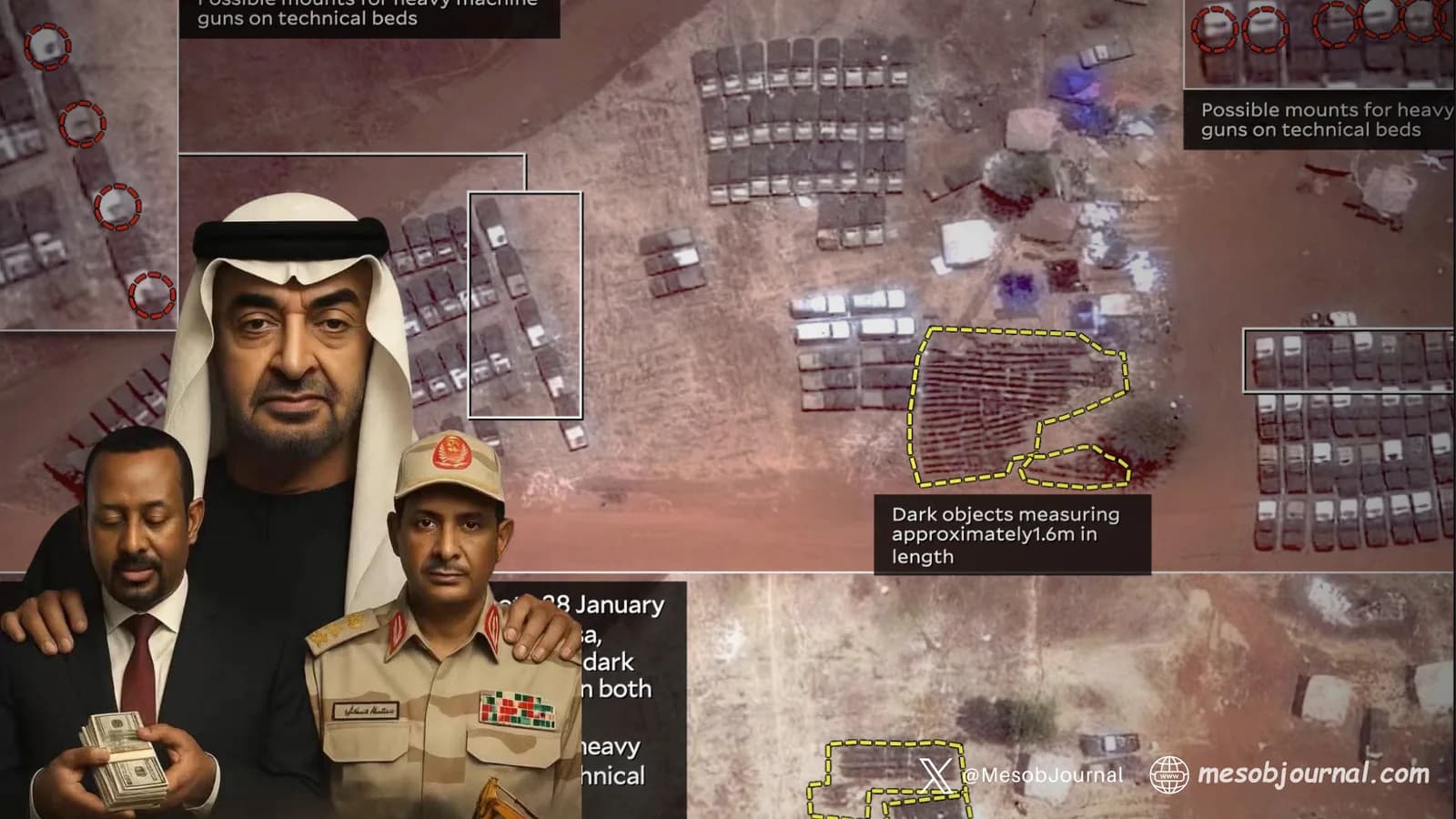
Abiy Ahmed’s Sudan Game Is Now in Plain Sight
The mask keeps slipping. A new report by Yale’s Humanitarian Research Lab says it has reached a high-confidence conclusion that military assistance to Sudan’s Rapid Support Forces is taking place inside an Ethiopian National Defense Force base in Asosa, in Ethiopia’s Benishangul-
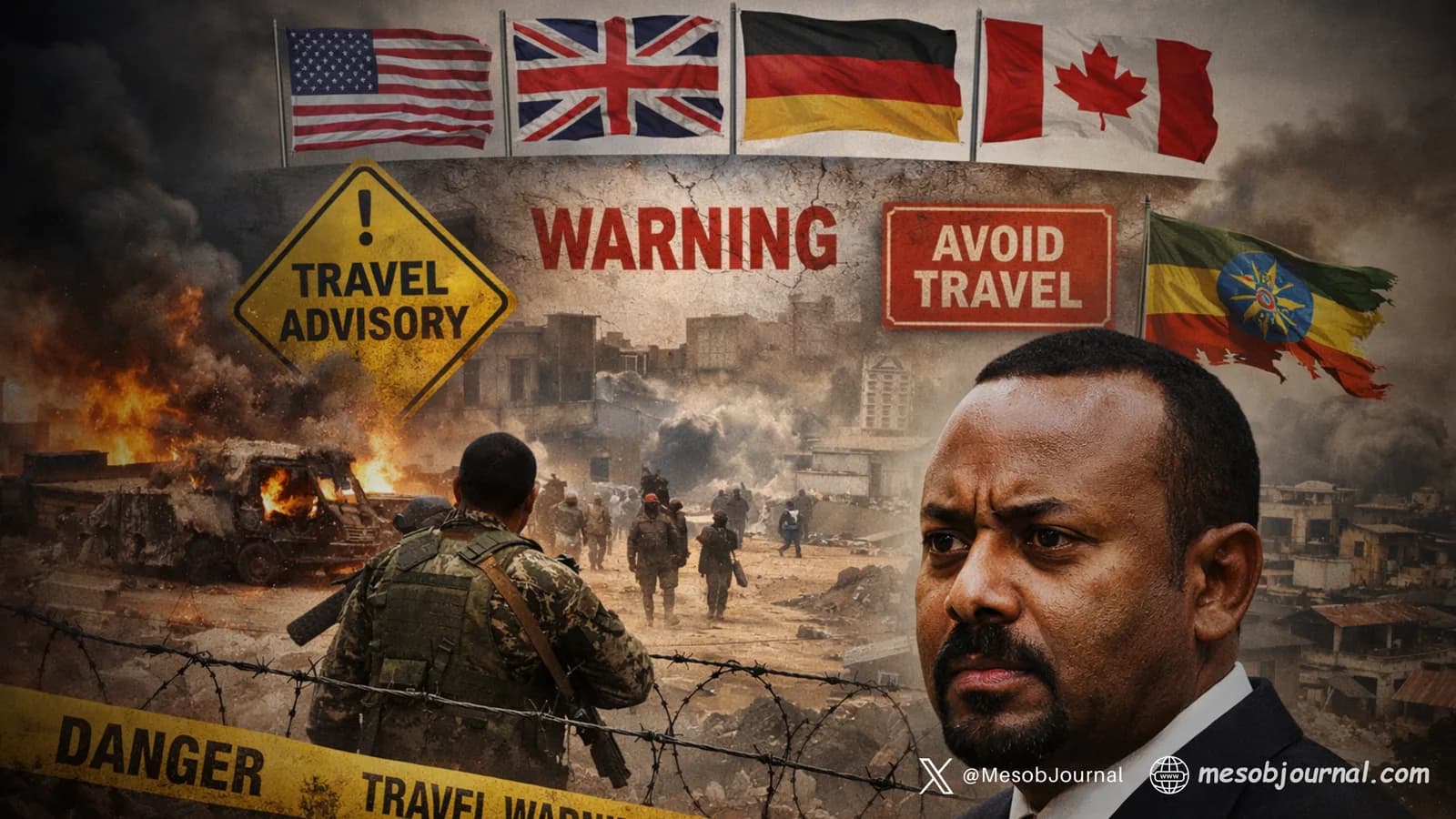
Abiy Ahmed Can’t Hide Ethiopia’s Collapse Behind Diplomacy
You can lie in speeches. You can posture at summits. You can wrap failure in diplomatic language and hope the world only reads the headline. But official travel advisories have a way of cutting through the performance. They are written carefully, especially by countries that have
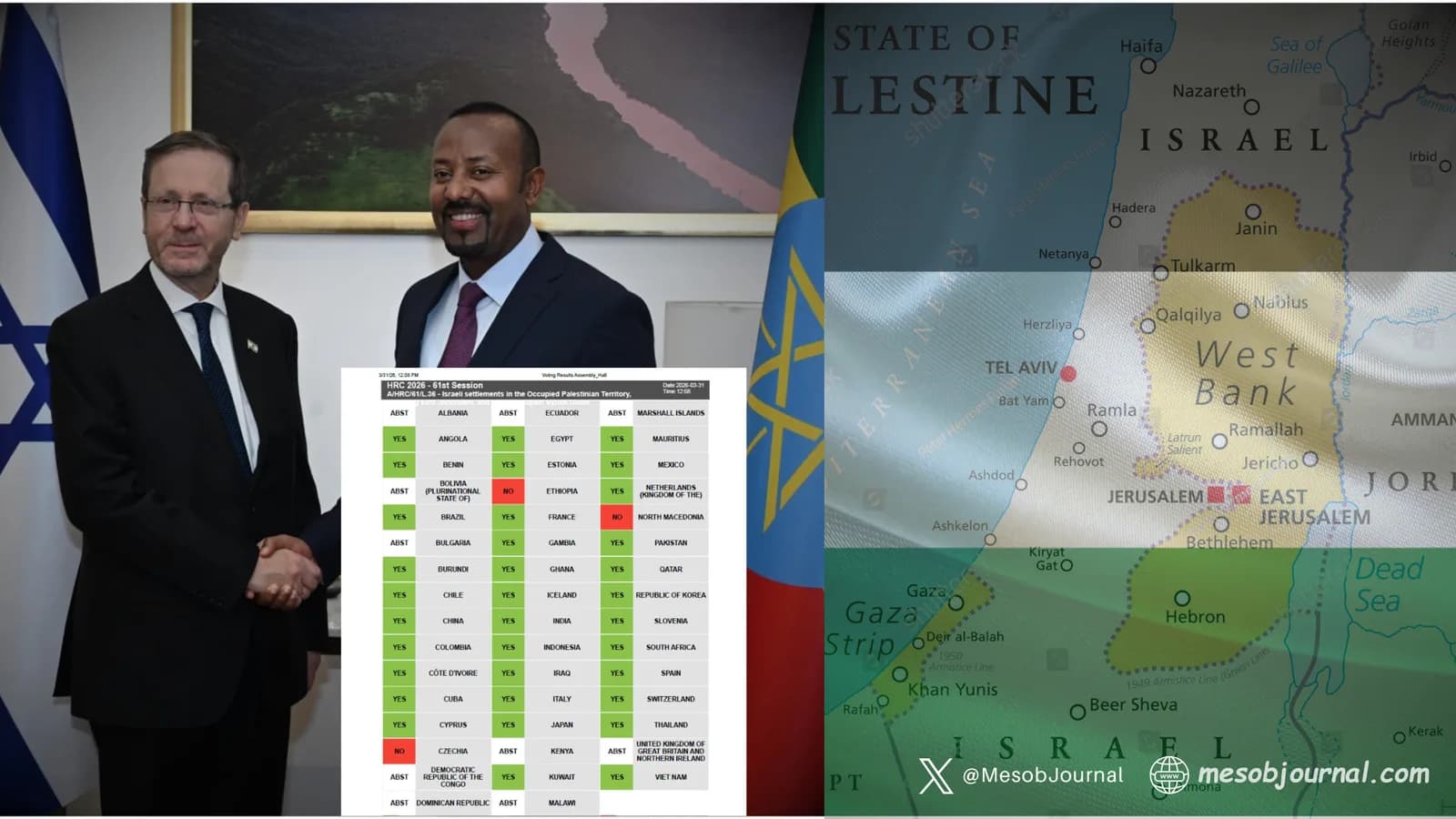
Abiy Ahmed’s Shameful UN Vote Betrays Africa and Palestine
There are votes that expose a government’s priorities more clearly than any speech ever could. Ethiopia’s “No” vote at the UN Human Rights Council on 31 March, against a resolution reaffirming the illegality of Israeli settlements in the Occupied Palestinian Territory and the o
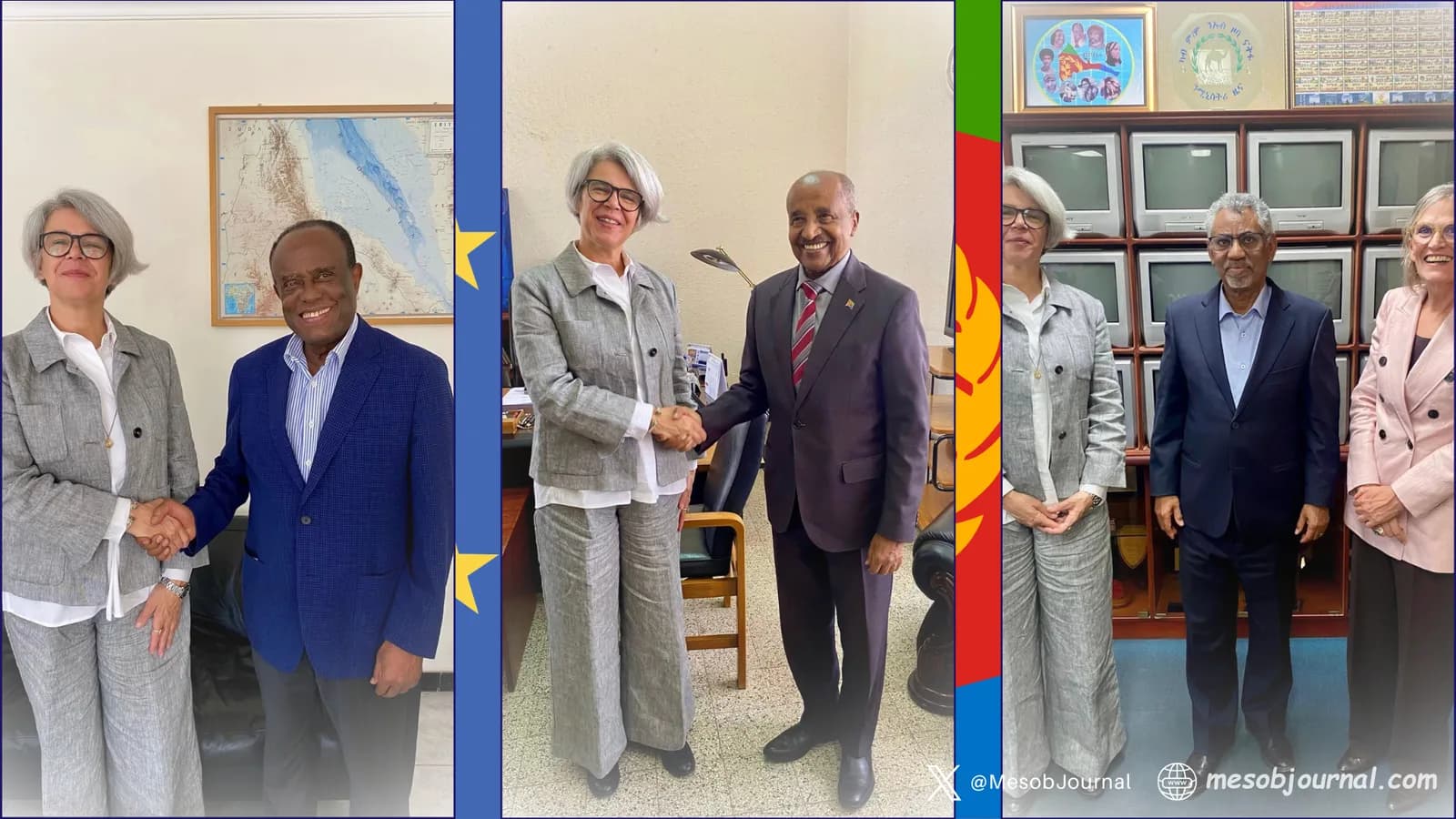
Why Eritrea Matters Again to the European Union
Brussels is not undergoing a moral conversion. It is responding to a harsher strategic map in the Horn of Africa and the Red Sea. Annette Weber, the European Union’s Special Representative for the Horn of Africa, was in Asmara this week, and the visit matters less for any dramati