

Abiy’s Red Sea Delusion: Oromo Voices Reject Ethiopia’s War Rhetoric
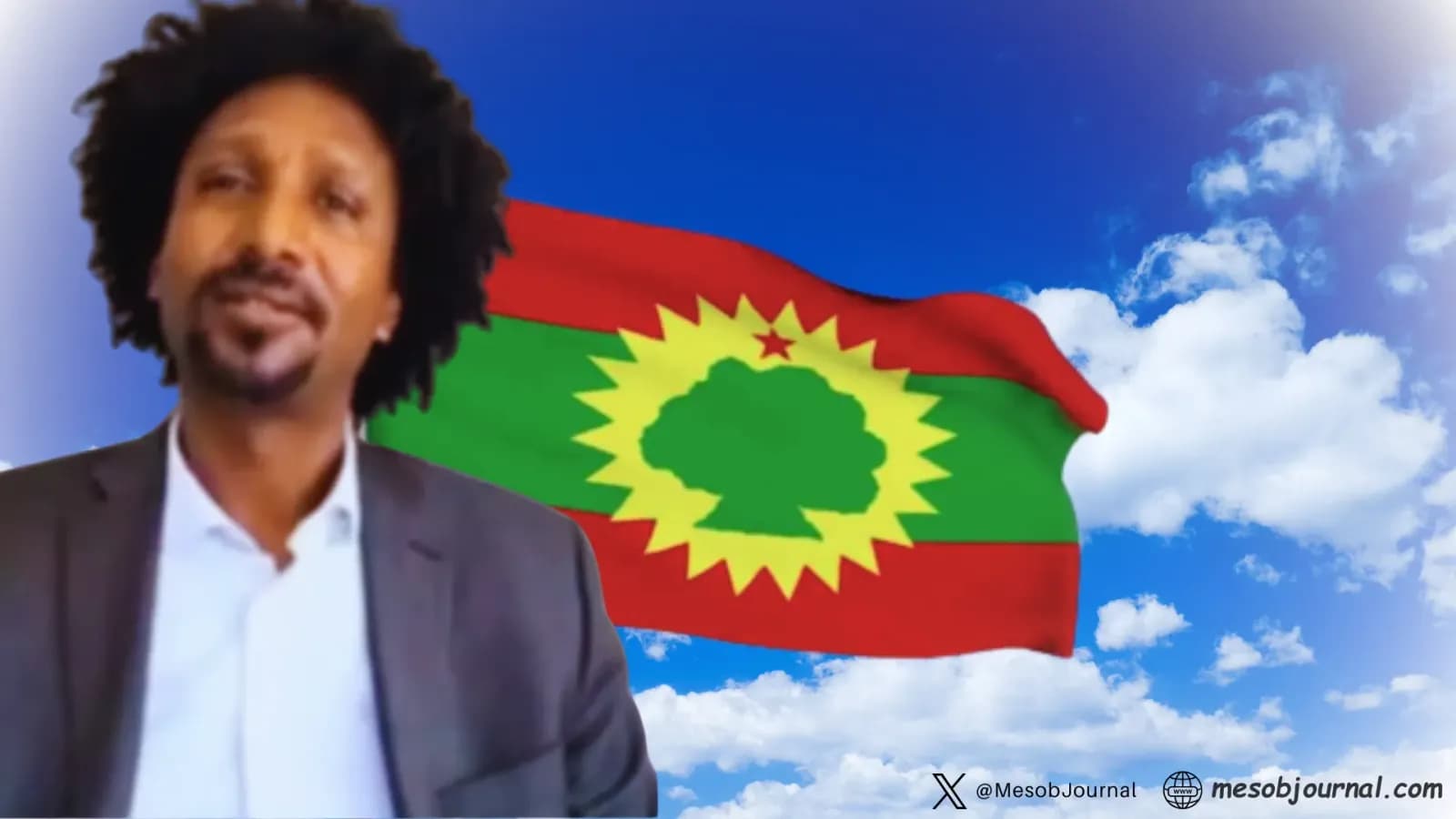
In a rare and unfiltered interview with Zara Media, Jaal Jiregna Gudeta — senior adviser to Jaal Marroo, the leader of the Oromo Liberation Army (OLA) — delivered one of the most candid assessments yet of Prime Minister Abiy Ahmed’s recent war rhetoric on the Red Sea.
His words cut through months of nationalist frenzy and online propaganda:
“Ethiopia recognized, signed, and ceded Assab as part of Eritrea.
Now, when they say, ‘we will raise that question again, and seize Assab,’
it is tantamount to saying ‘we oppose the colonial border.”
Gudeta’s logic is simple yet devastating for the Prime Minister’s narrative: if Ethiopia reopens the question of Eritrea’s sovereignty, it is not only rejecting international law but also the very borders its founders once drew and signed.
A War That’s Not Oromo
The OLA adviser made clear that Abiy’s militaristic posturing does not represent the Oromo people:
“The Oromo people have no intention of invading another country.
The Red Sea is not our concern. No Oromo should have such a belief.”
His words echo the weariness of generations who saw their youth sent north to die in meaningless wars — from the Derg era to today’s manufactured crises. “How many Oromo children were sent to die in the northern war?” Gudeta asked. “What did they gain? Nothing.”
Echoes from Asmara
Just months earlier, Eritrean President Isaias Afwerki, in his 2025 Independence Day address, drew a sharp distinction between ordinary Oromo citizens and the political ideology hijacking their name:
“The ideology of Orommuma that is being propagated does not represent the Oromo people, nor does it serve the stability of Ethiopia or the wider region.”
That remark — often misunderstood by Western commentators — has now found its living proof in Gudeta’s words. The Oromo people, he suggests, are not part of Abiy Ahmed’s reckless project of conquest, but its potential victims.
The Foreign Hand
Gudeta went even further, exposing what he described as foreign interests behind Abiy’s fixation on the Red Sea:
“The Red Sea question is a rivalry between Saudi Arabia and the United Arab Emirates.
Abiy Ahmed receives a lot of money from the UAE.
It was their mission to station a navy in Somaliland. When that failed, the new mission became ‘seize Assab by force.”
Thus, the Red Sea narrative is not patriotic ambition but outsourced adventurism — a geopolitical favor to Gulf patrons, dressed up as Ethiopian nationalism.
Assab: A Settled Question
Legally and historically, the case is closed. Eritrea’s sovereignty over Assab was recognized through binding agreements — first in the 1993 referendum, and later reaffirmed by Ethiopia itself. “When Ethiopia respected Eritrea’s right to self-determination and ceded Assab,” Gudeta reminded, “are we now saying it should not have made that concession?”
His rhetorical question slices through decades of denialism. The Red Sea is not Ethiopia’s to “reclaim.” It was never part of the federal state to begin with.
A Dangerous Distraction
Abiy Ahmed’s government, increasingly isolated and accused of stoking multiple wars inside Ethiopia, seems to have found in the Red Sea narrative a convenient distraction — a stage for militarized nationalism at a time of domestic collapse.
But the danger is real. As Gudeta cautioned, “If you seize Assab by force, can you live in peace? Can you utilize it? The answer is no.”
It’s a sober question — one Ethiopia’s leaders should ask before dragging millions into another unnecessary war.
Asmara to Oromia
From Asmara to Oromia, voices of sanity are emerging against the fever of expansionism. Both Eritrean leadership and Oromo representatives are, in their own ways, rejecting the reckless doctrine that equates aggression with power.
Abiy Ahmed’s Red Sea delusion may rally short-term crowds, but it exposes a far deeper truth: The real threat to Ethiopia’s future isn’t its lack of a port, but the wars it keeps inventing.
Related stories
Abiy Ahmed’s Sudan Game Is Now in Plain Sight
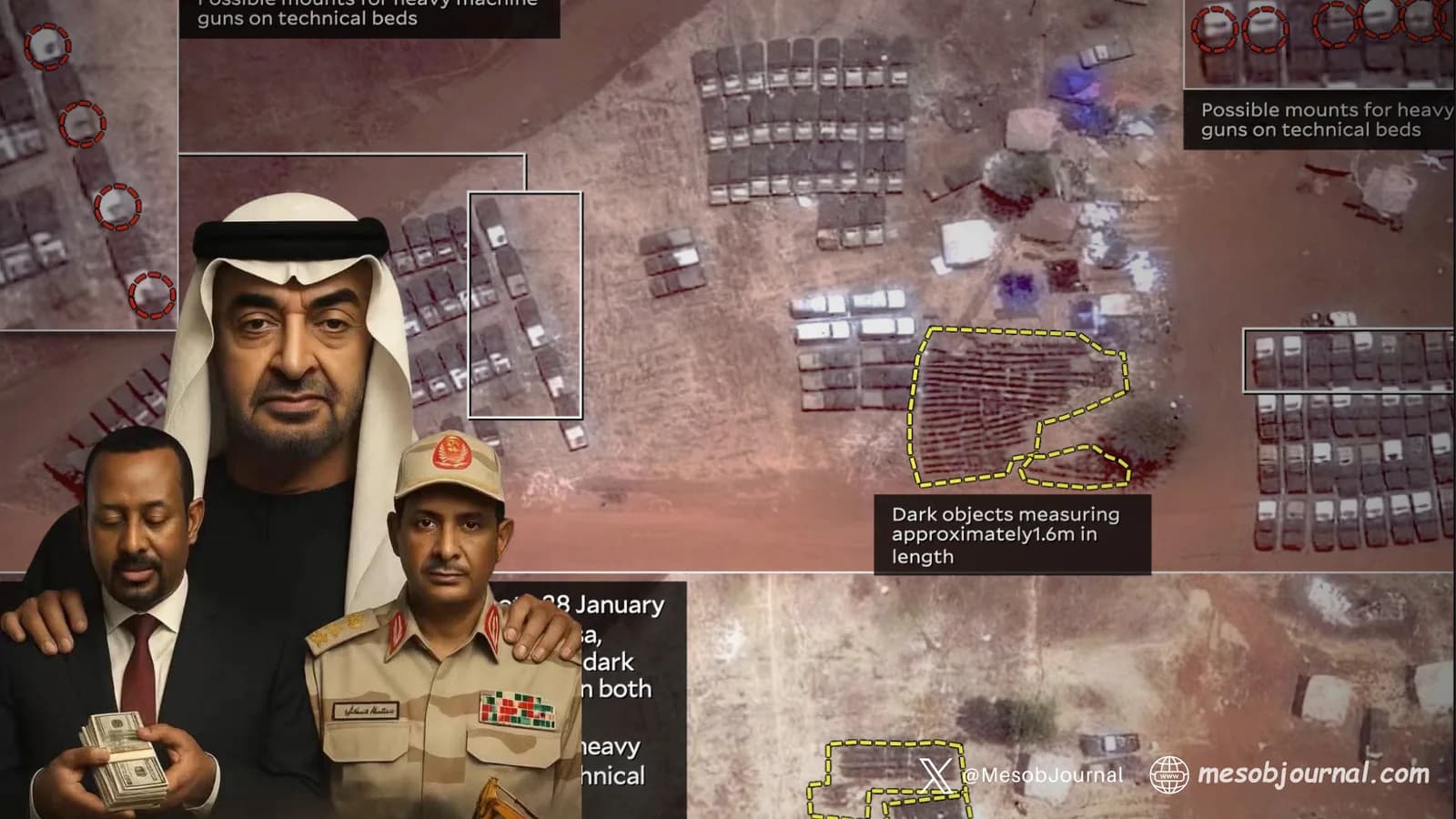
The mask keeps slipping. A new report by Yale’s Humanitarian Research Lab says it has reached a high-confidence conclusion that military assistance to Sudan’s Rapid Support Forces is taking place inside an Ethiopian National Defense Force base in Asosa, in Ethiopia’s Benishangul-

Abiy Ahmed Can’t Hide Ethiopia’s Collapse Behind Diplomacy
You can lie in speeches. You can posture at summits. You can wrap failure in diplomatic language and hope the world only reads the headline. But official travel advisories have a way of cutting through the performance. They are written carefully, especially by countries that have
Abiy Ahmed’s Shameful UN Vote Betrays Africa and Palestine
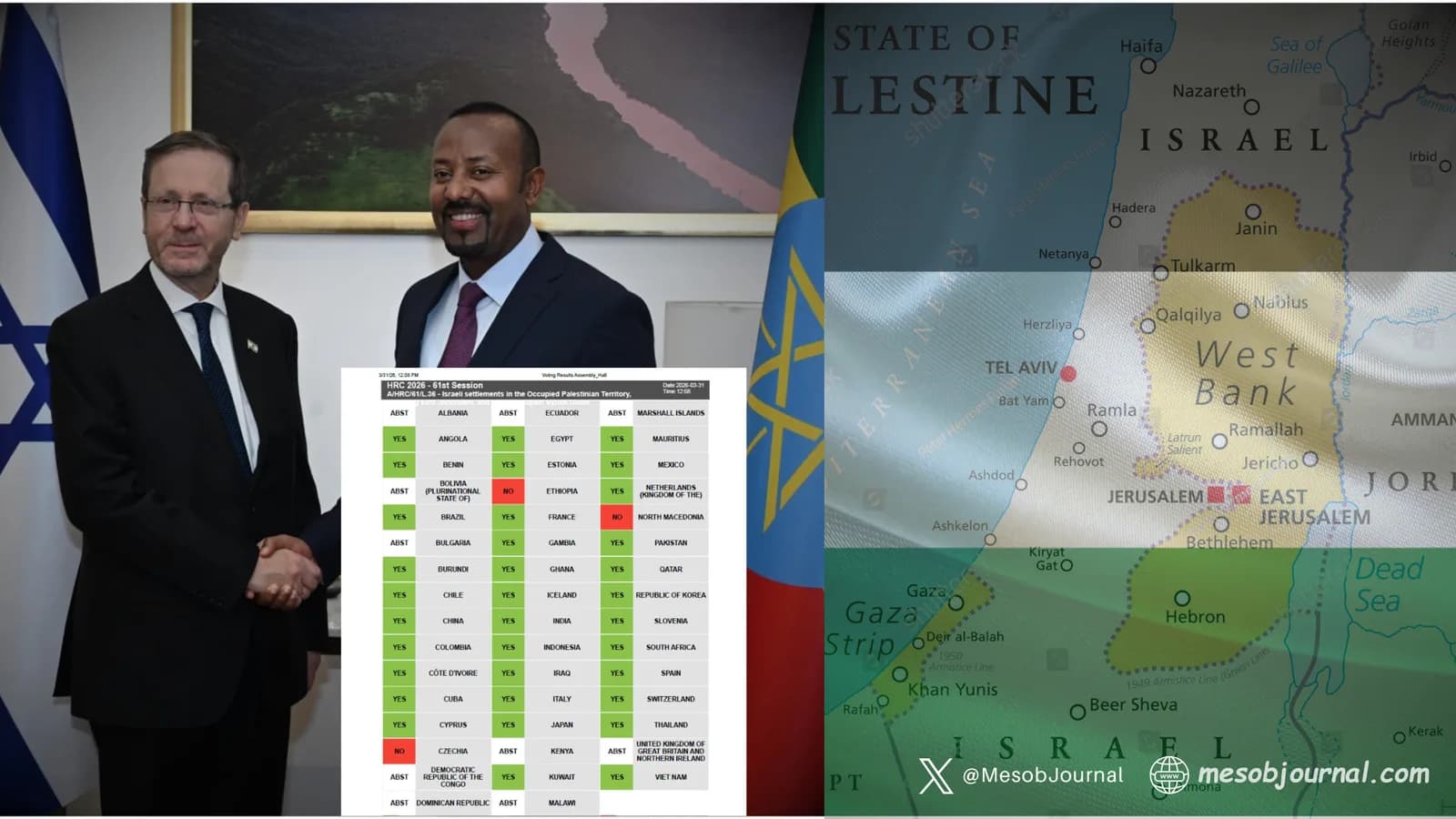
There are votes that expose a government’s priorities more clearly than any speech ever could. Ethiopia’s “No” vote at the UN Human Rights Council on 31 March, against a resolution reaffirming the illegality of Israeli settlements in the Occupied Palestinian Territory and the o
Why Eritrea Matters Again to the European Union
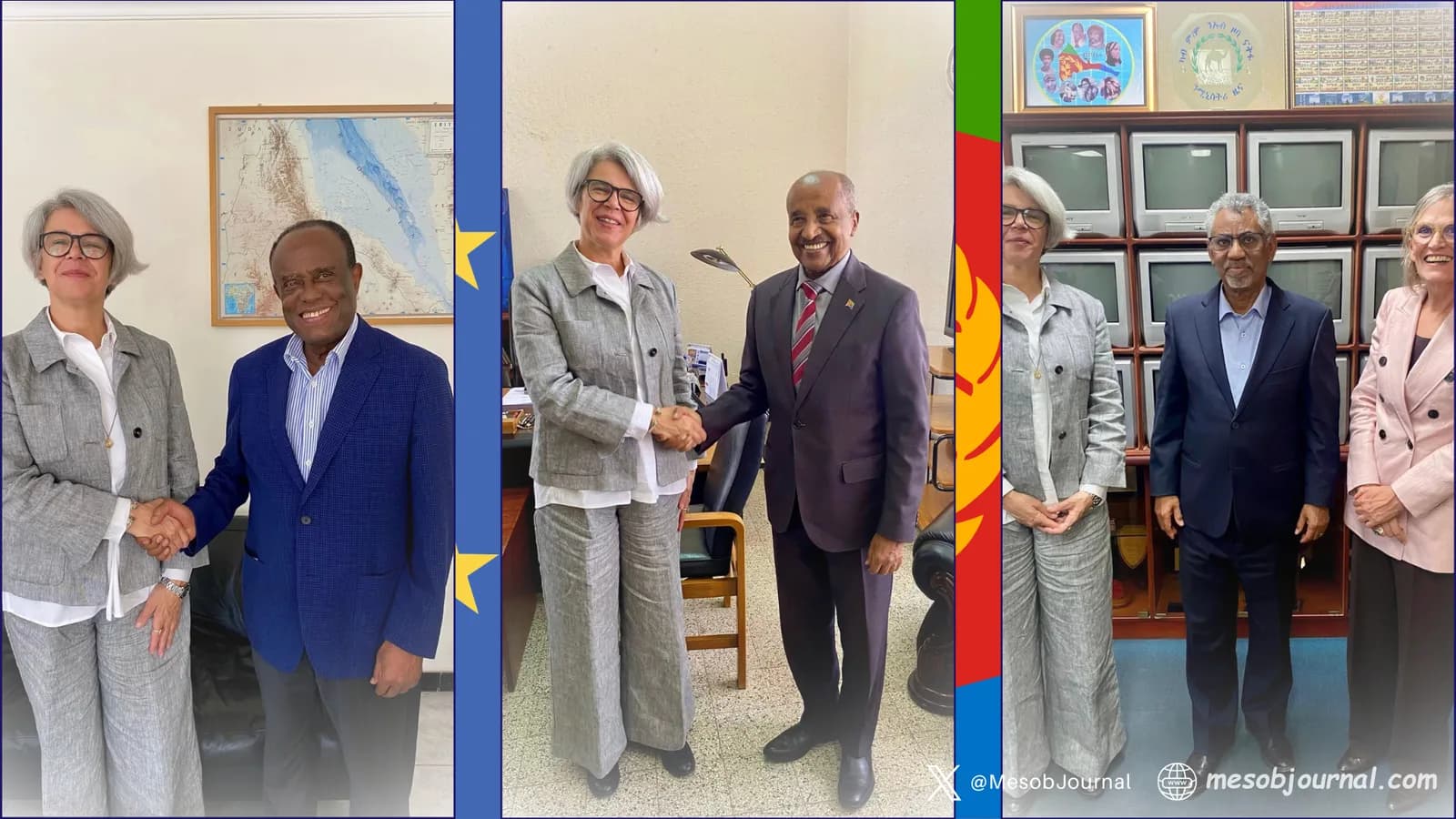
Brussels is not undergoing a moral conversion. It is responding to a harsher strategic map in the Horn of Africa and the Red Sea. Annette Weber, the European Union’s Special Representative for the Horn of Africa, was in Asmara this week, and the visit matters less for any dramati