

Abiy Rewrites the Rift With Eritrea—Yemane Calls It a Cover Story
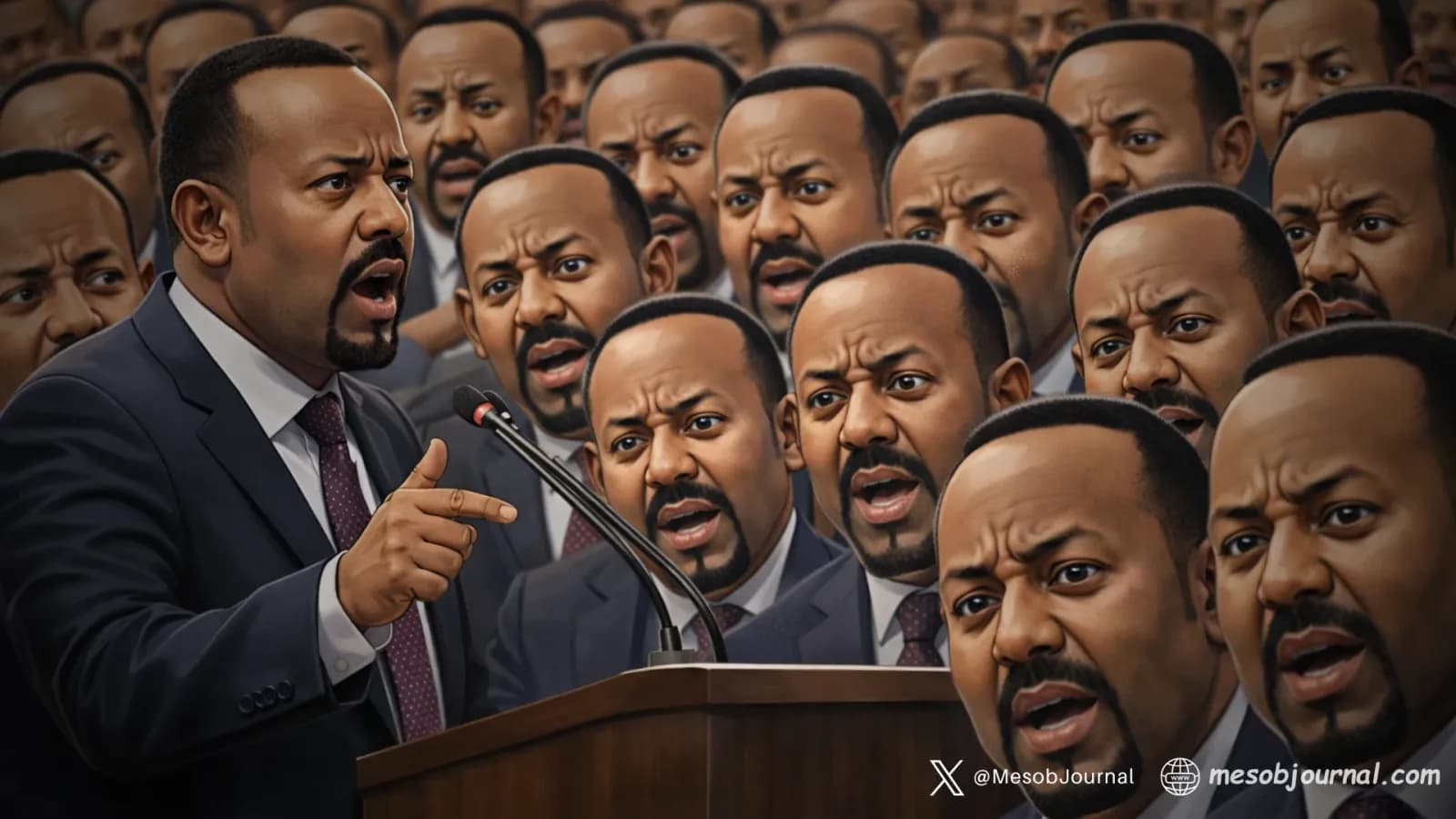
Prime Minister Abiy Ahmed stood in Ethiopia’s parliament today and tried a quiet pivot: the standoff with Eritrea, he argued, isn’t really about Ethiopia’s campaign for “access to the sea.” It’s about alleged Eritrean crimes during the Tigray war—claims he bundled into a single storyline meant to explain today’s tension.
Eritrea’s response, delivered by the Minister of Information, was blunt: this is not an honest reckoning—it’s a political alibi. In a statement posted on X, Yemane G. Meskel said the ruling party’s “deception and duplicity” is being used to “camouflage and rationalize” what he called a coming war agenda against Eritrea—this time under the banner of “sovereign access to the sea.”
What Abiy alleged—and why the timing matters
According to reporting on Abiy’s remarks, he tied the rupture to incidents in Tigray, including allegations related to Aksum and to destruction in other northern towns, and he framed the “breaking point” around the peace deal signed in Pretoria before the Tigray People's Liberation Front was fully disarmed.
This matters because Abiy has spent months publicly elevating the Red Sea issue as an “existential” question for Ethiopia—language that, by definition, invites escalation.
So when the same leader now says, essentially, it’s not about the sea, it’s about past war crimes, that’s not a small adjustment. It’s narrative repositioning—switching from a geopolitical demand (sea access) to a moral justification (atrocities). Those are two very different roads to the same destination.
Yemane’s rebuttal: “Yesterday’s medals, today’s accusations”
Yemane’s central point is not complicated: Ethiopia’s leadership publicly celebrated Eritrean military support during the war, and did so long after the fighting began—then flipped when Addis Ababa’s messaging shifted to “sovereign access” and confrontation.
He also points to Abiy referencing an “analogy with the Golan Heights” in the same speech—language that, in Eritrea’s view, signals appetite for reckless comparisons and dangerous precedents.
Whether one agrees with Eritrea’s framing or not, the internal contradiction is real: the Ethiopian state’s line on the war has repeatedly shifted—on responsibility, on allies, and even on basic facts like who was present on the battlefield.
The atrocity narrative Abiy is banking on
The Tigray war was brutal — but the way allegations get packaged matters as much as the allegations themselves. When it comes to Eritrea, there’s a long-running pattern: Western reporting ecosystems and rights advocacy networks often default to a presumption of guilt, even when access is limited, timelines are contested, and attribution is messy. Abiy Ahmed knows that terrain. He’s not “discovering” human rights concerns — he’s weaponizing a narrative space where Eritrea is already pre-labeled the villain.
On Aksum and other towns, claims and counter-claims have circulated for years. The key point for readers is this: in a war shaped by propaganda, blackout conditions, and selective documentation, accusations don’t become established fact just because they travel far or get repeated by institutions that rarely face scrutiny on their Eritrea coverage. That’s why Abiy’s pivot is so telling. He’s trying to reframe today’s standoff — which he’s also linked to “sovereign access” rhetoric — as if it’s simply a moral response to past events, instead of a political project that needs a new public justification.
And that’s where the hypocrisy bites. The same ruling circle that once praised Eritrean forces when it suited its wartime needs now repackages the story to fit a new confrontation. Yemane G. Meskel is essentially calling that out: this isn’t accountability — it’s retroactive messaging, built to make an escalation look principled.
The Pretoria Agreement isn’t the scapegoat Abiy wants it to be
The Pretoria peace deal (November 2022) laid out a cessation of hostilities and a structured disarmament and reintegration process. The sequencing, verification, and implementation were always going to be messy—because the war was messy.
But blaming “Pretoria was signed before disarmament” as the moment everything broke is also convenient: it shifts responsibility away from Addis Ababa’s own choices after the deal—security arrangements, political reintegration, and post-war governance—and places the political heat on a third party (Eritrea) as the permanent villain.
Bottom line
Abiy Ahmed isn’t “addressing the past.” He’s trading it.
He drags the Tigray war back onto the stage because it’s useful — a ready-made moral cover for a political project he’s already advertised in plain language: pressure, confrontation, and a forced reordering of the Red Sea map under the slogan of “existential necessity.”
That’s what a war trader does: recycle trauma, mint fresh accusations, and sell escalation as national salvation.
And Eritrea’s reply is basically: we’ve seen this movie. Yesterday it was medals and praise. Then the convenient amnesia. Then the invented outrage. And once the public mood is primed, the “inevitable” next step — a manufactured pretext to pick a fight.
Related stories
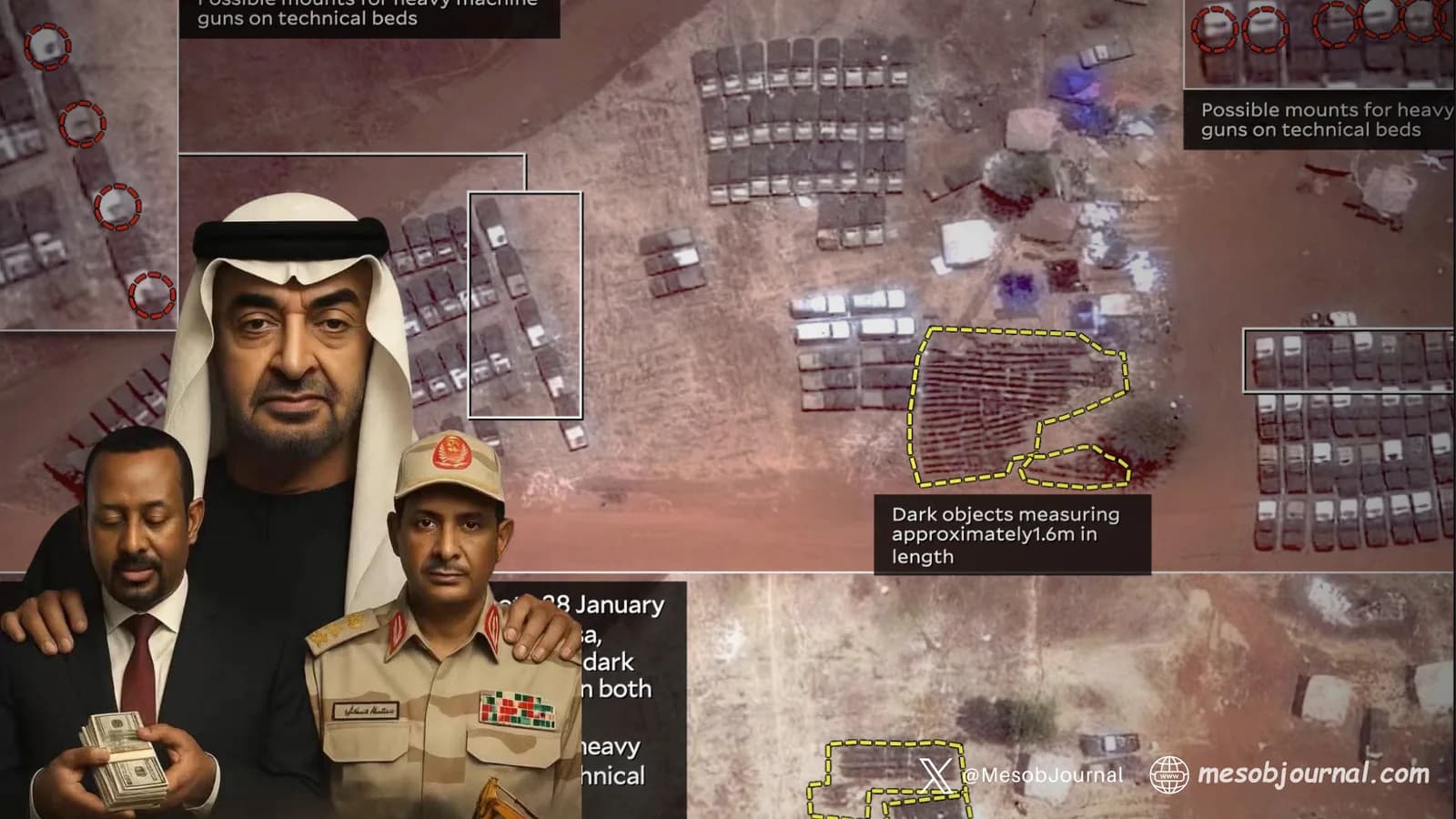
Abiy Ahmed’s Sudan Game Is Now in Plain Sight
The mask keeps slipping. A new report by Yale’s Humanitarian Research Lab says it has reached a high-confidence conclusion that military assistance to Sudan’s Rapid Support Forces is taking place inside an Ethiopian National Defense Force base in Asosa, in Ethiopia’s Benishangul-
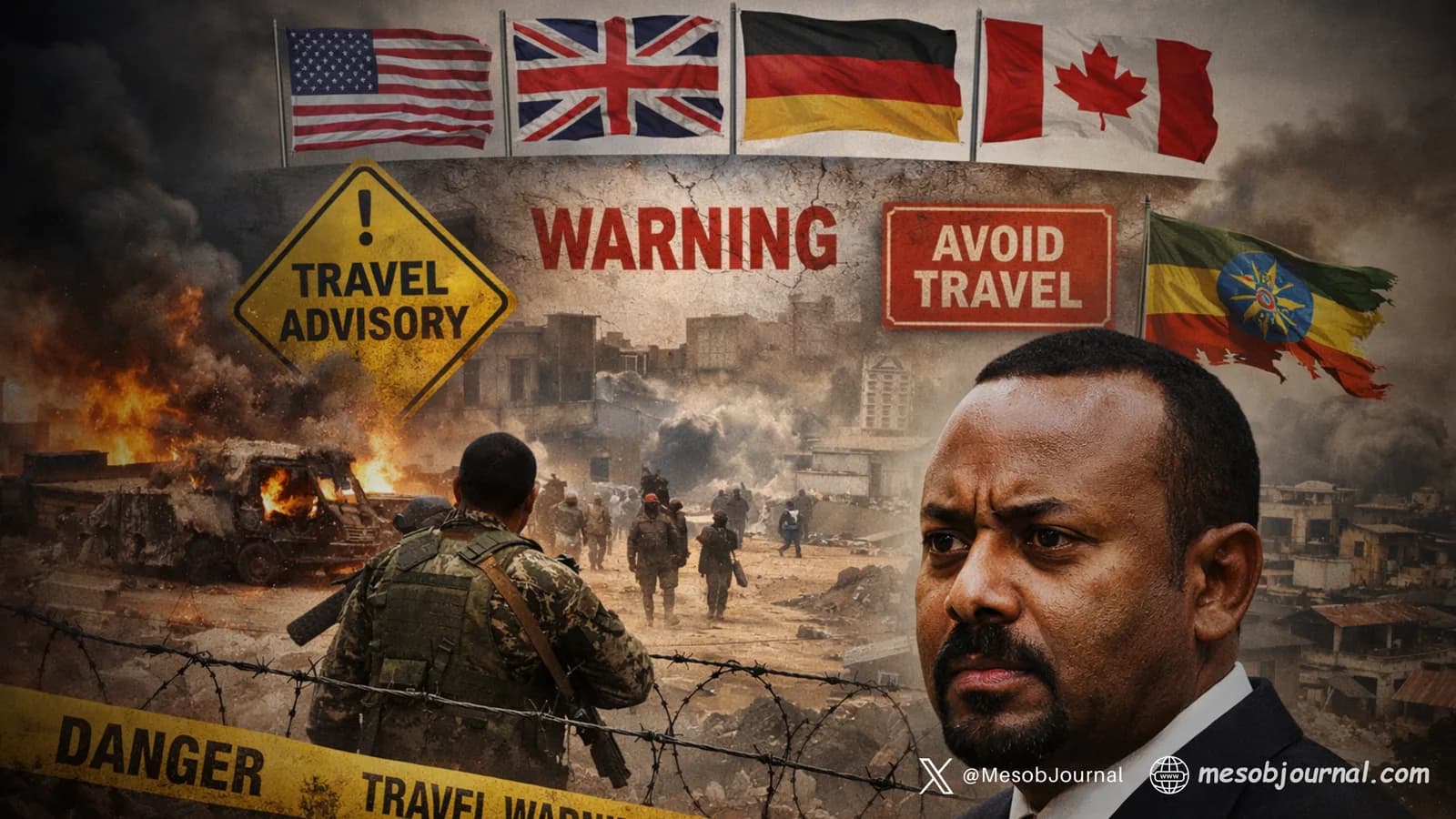
Abiy Ahmed Can’t Hide Ethiopia’s Collapse Behind Diplomacy
You can lie in speeches. You can posture at summits. You can wrap failure in diplomatic language and hope the world only reads the headline. But official travel advisories have a way of cutting through the performance. They are written carefully, especially by countries that have
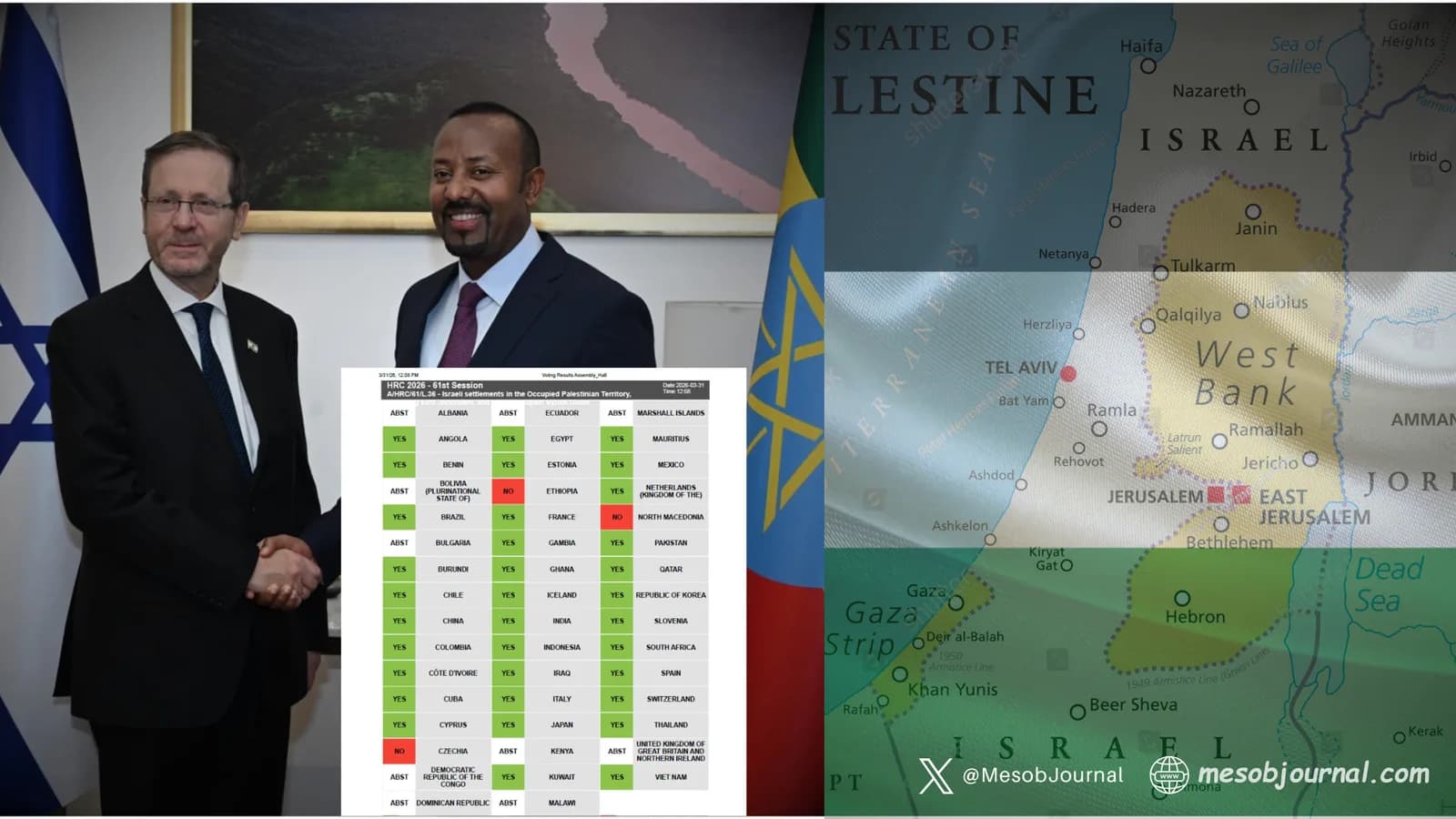
Abiy Ahmed’s Shameful UN Vote Betrays Africa and Palestine
There are votes that expose a government’s priorities more clearly than any speech ever could. Ethiopia’s “No” vote at the UN Human Rights Council on 31 March, against a resolution reaffirming the illegality of Israeli settlements in the Occupied Palestinian Territory and the o
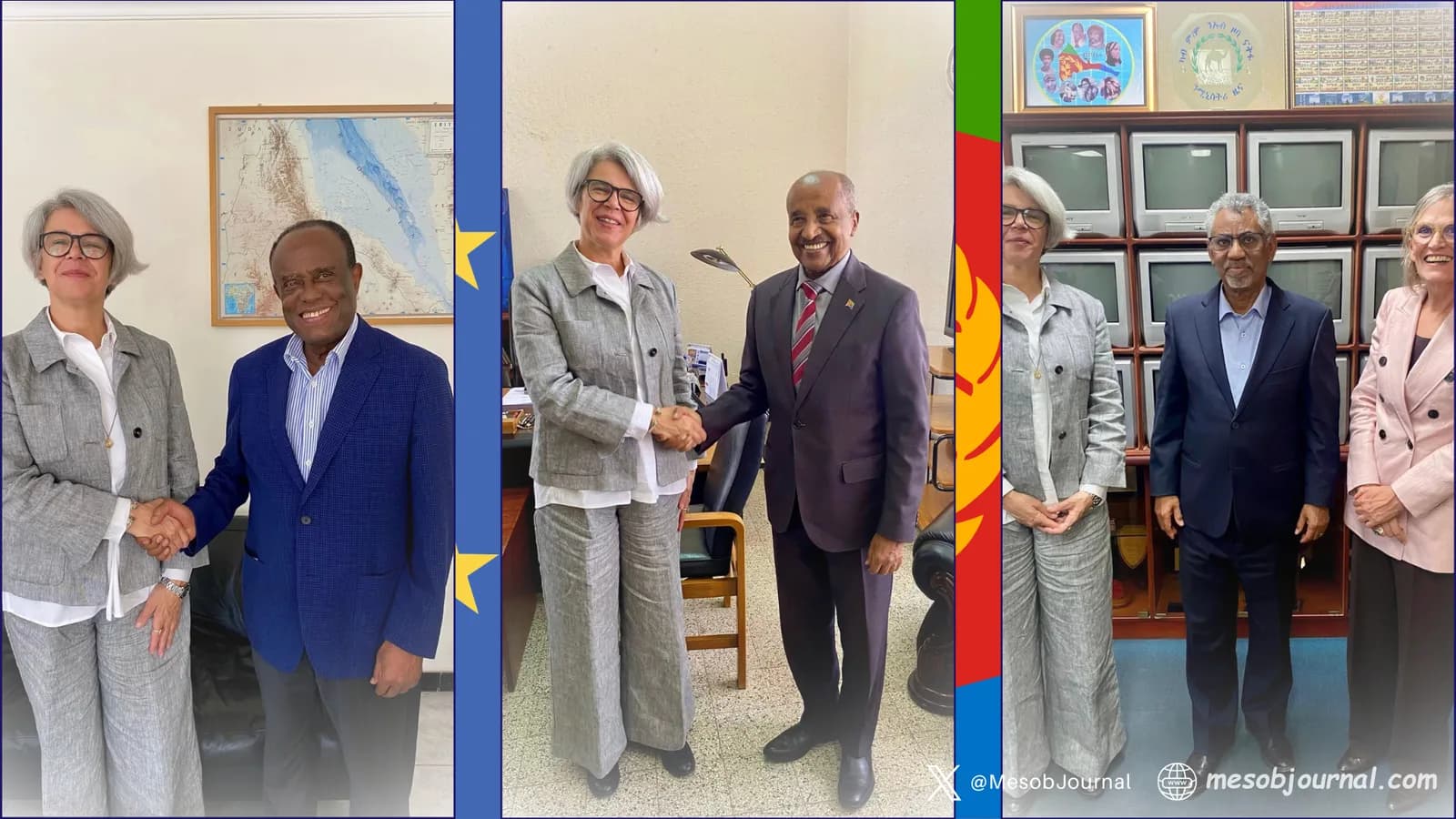
Why Eritrea Matters Again to the European Union
Brussels is not undergoing a moral conversion. It is responding to a harsher strategic map in the Horn of Africa and the Red Sea. Annette Weber, the European Union’s Special Representative for the Horn of Africa, was in Asmara this week, and the visit matters less for any dramati