

Egypt affirms Red Sea sovereignty; Eritrea’s record speaks louder
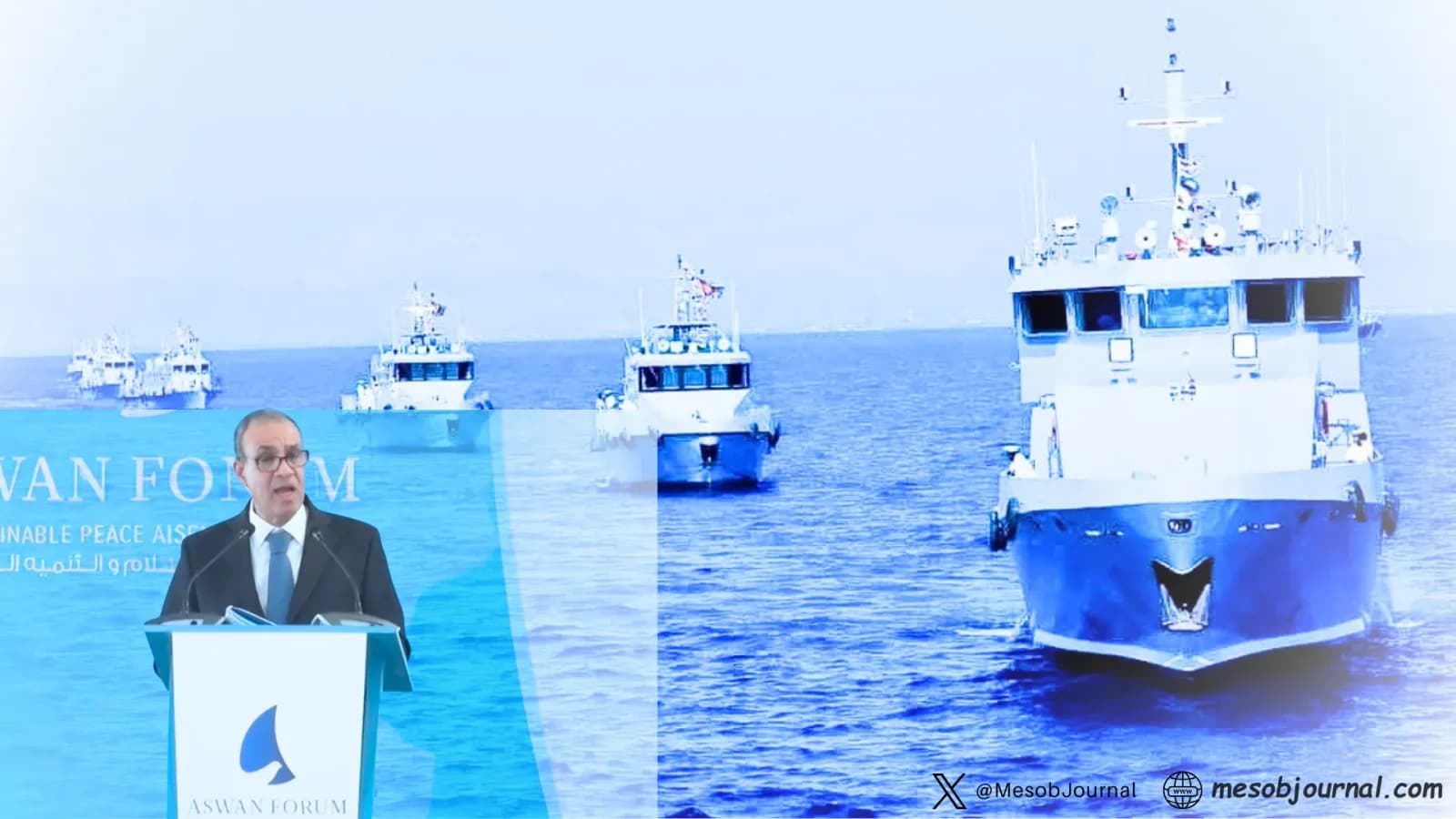
When Egypt’s Foreign Minister Badr Abdelatty declared that “governance of the Red Sea is the exclusive responsibility of its coastal countries,” he was not just drawing a line on a map. He was affirming a regional truth that Eritrea has lived, guarded, and defended for more than three decades.
Speaking at the Aswan Forum for Sustainable Peace and Development, Abdelatty underscored that the Red Sea’s security, stability, and natural resources must remain under the stewardship of its littoral nations — not external players, not landlocked claimants.
It was a statement that resonated deeply across the western shore of the Red Sea, particularly in Eritrea, a nation whose quiet vigilance has helped keep one of the world’s most strategic waterways stable amid constant turbulence around it.
Eritrea’s track record: stability against all odds
Since achieving independence in 1991, Eritrea has protected its long Red Sea coastline without foreign bases, without foreign funding, and — crucially — without foreign wars.
Despite enduring decades of unwarranted sanctions, economic blockades, and diplomatic isolation, the country has maintained one of the most stable domestic environments in the Horn of Africa.
While others spoke of sovereignty, Eritrea practiced it — defending its territorial waters, securing its ports, and managing its resources with a deliberate national policy that prioritizes independence over dependency.
Its coastal waters have remained unbreached by piracy, terrorism, or external manipulation — no small feat given the chaos that has swept across the region from Yemen to Sudan.
A principle that predates today’s debates
Long before Red Sea “security” became a talking point in global forums, Asmara’s policy was clear: the Red Sea belongs to its coastal peoples. Eritrea’s leadership warned that opening the sea’s governance to non-littoral actors — whether in the name of investment or “integration” — would only invite interference and instability.
Today, as Egypt’s foreign minister reasserts this same doctrine, that foresight looks prophetic.
The Red Sea has become a theater for overlapping interests — from Gulf rivalries to foreign naval deployments — while coastal nations often find themselves excluded from decisions that directly affect their security and livelihoods.
Time to recognize Eritrea’s role
Eritrea’s consistent position — calm, lawful, and rooted in regional ownership — offers a model for cooperative security built on mutual respect among coastal states.
For too long, this contribution has gone under-acknowledged, obscured by politicized narratives and outdated sanctions regimes that punished Eritrea for asserting the very sovereignty others now champion.
If the international community truly seeks a stable and cooperative Red Sea order, it must move beyond old stigmas and recognize Eritrea as a pillar of stability and a responsible coastal stakeholder.
Partnerships grounded in respect for sovereignty — not selective engagement — are the only way forward.
The sea that binds, not divides
The Red Sea is not a chessboard; it is a shared lifeline linking Africa and Arabia.
Eritrea’s history proves that sovereignty and cooperation are not opposites — they are two sides of sustainable peace.
As regional powers converge on the Red Sea, the world would do well to remember:
Eritrea defended it when no one else would.
Related stories
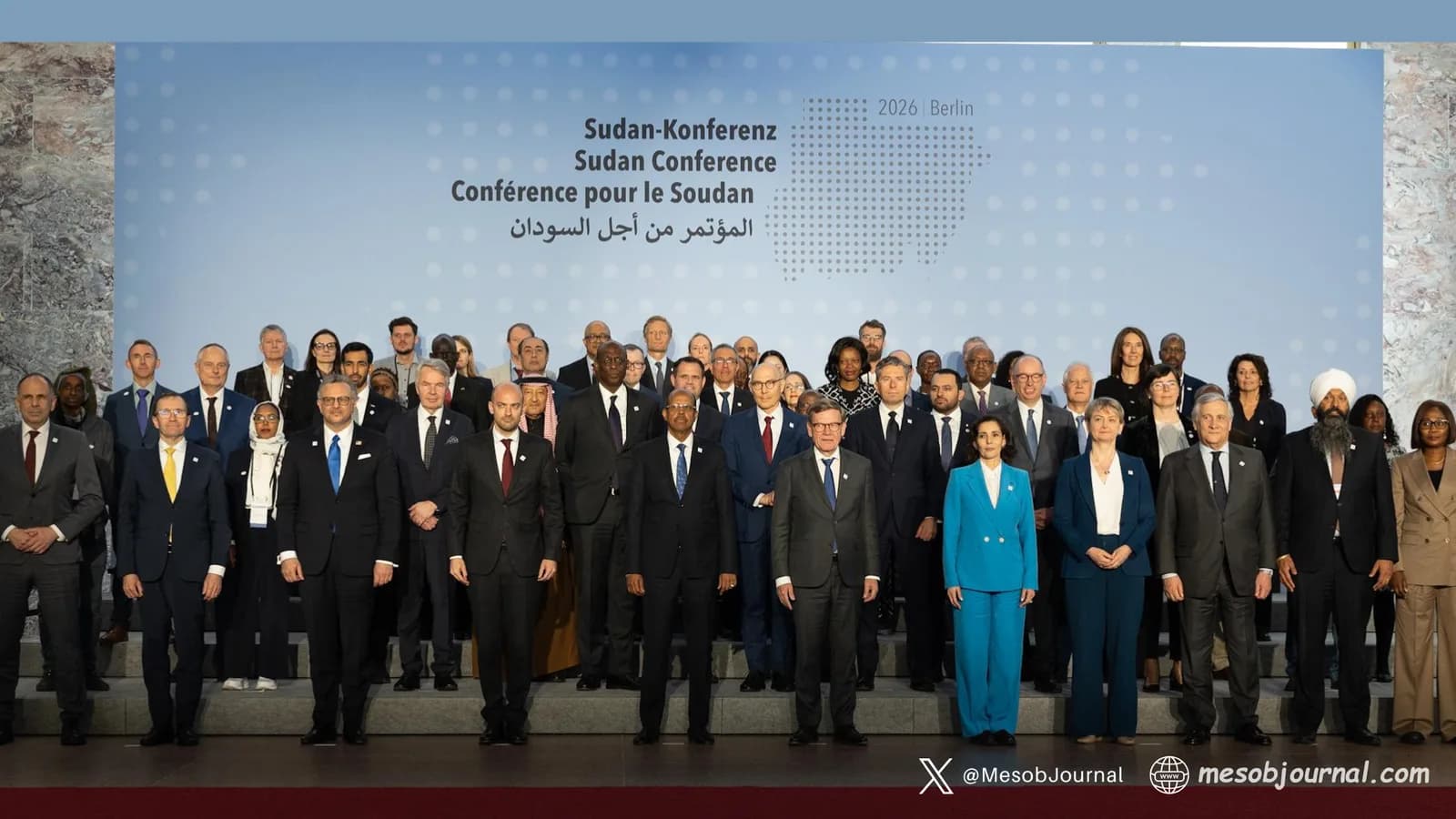
Berlin’s Sudan Conference Reeked of Colonial Tutelage
There was something deeply revealing about the Sudan conference staged in Berlin this week. It was presented as diplomacy. It was marketed as concern. It was wrapped in the language of humanitarian urgency and civilian-centered politics. But strip away the polished statements and
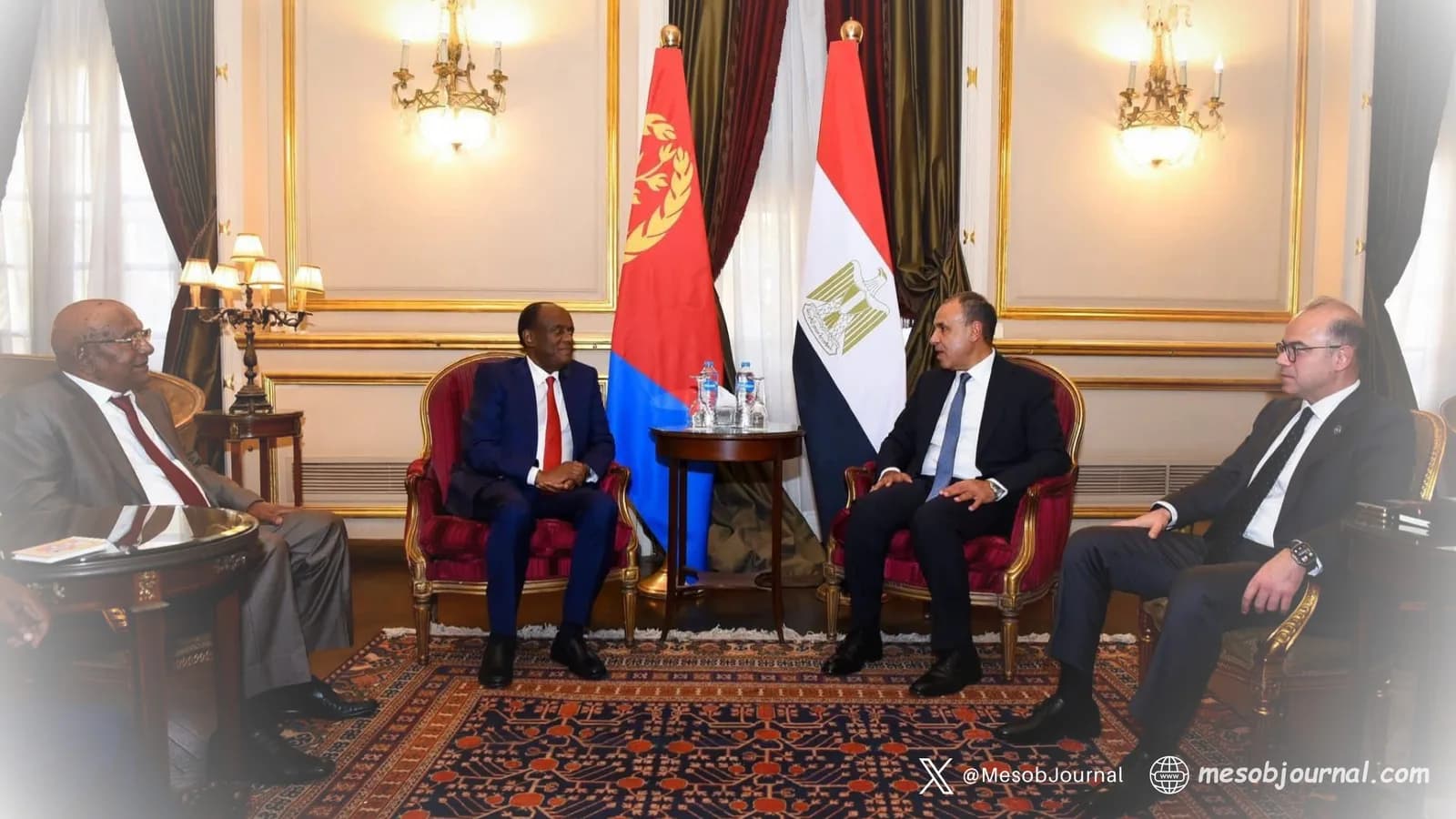
Cairo, Asmara Align on Trade and Red Sea Security
Egypt and Eritrea moved to deepen economic cooperation during high-level talks in Cairo on Monday, while also aligning on key regional issues including Sudan’s territorial integrity and Red Sea security. Egypt’s official readout said the meeting focused on trade, investment, indu
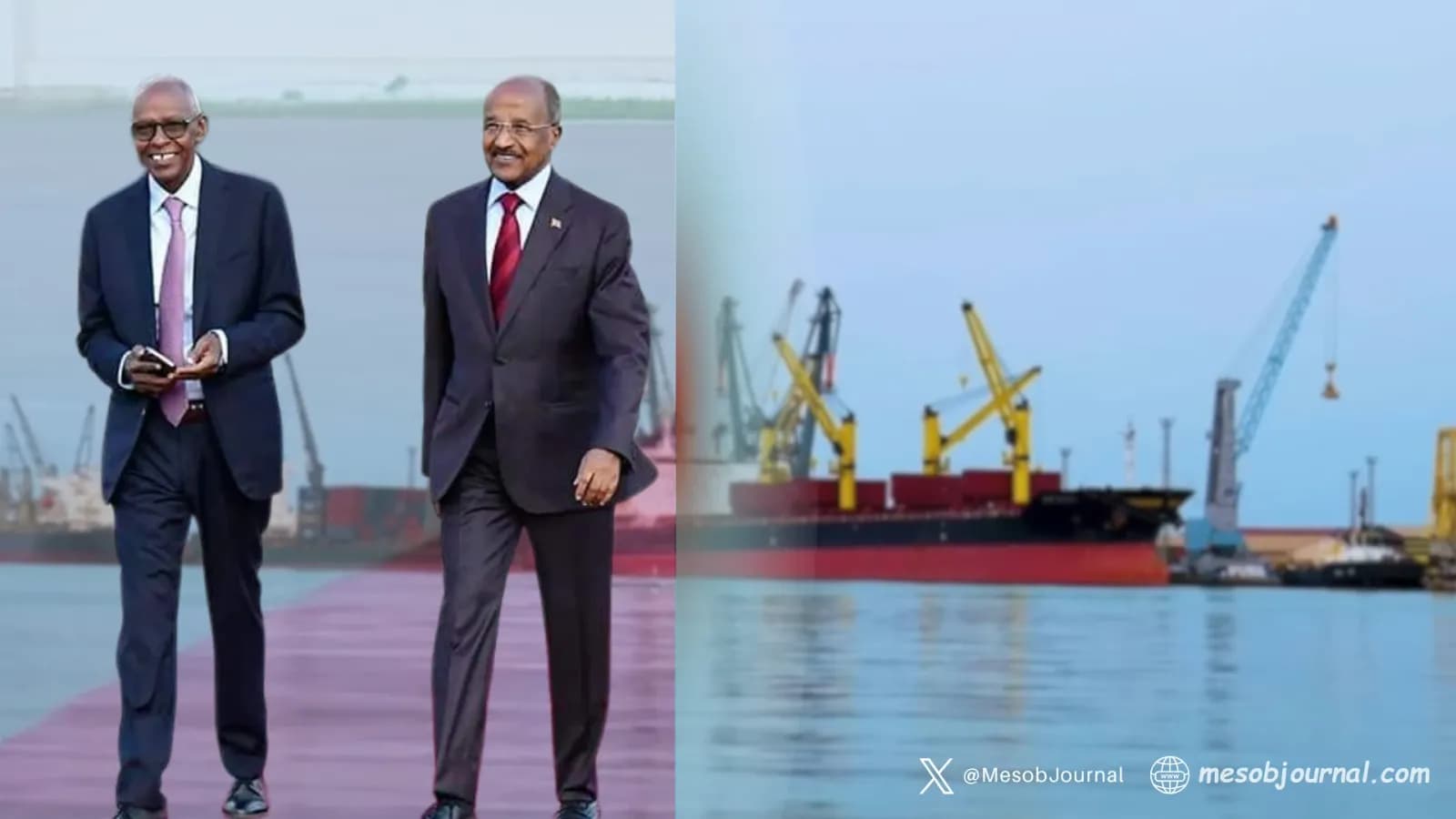
Eritrea Urges Action Against Unilateral Sanctions in Geneva
Eritrea used a high-level Geneva conference on Thursday to press a broader case against unilateral sanctions, with Foreign Minister Osman Saleh arguing that such measures are harming development, disrupting essential trade and undermining the very human rights they claim to defen

How Eritrean Women Are Driving Food Security From the Ground Up
There are development slogans, and then there is the harder thing: the daily work that keeps families fed, markets supplied, and communities standing on their own feet. In Eritrea, that work is often being carried by women whose contribution is discussed too little outside the co