

Eritrea Draws a Legal Red Line on Ethiopia’s “Sea Access” Drumbeat

On Thursday Jan. 30 2026, Eritrea's Information Minister Yemane G. Meskel cut through weeks of Addis Ababa’s noisy “sovereign sea access” messaging with a blunt reminder: access to ports is commerce and transit — not entitlement, not “historical destiny,” and not a blank cheque for power projection.
It’s a message that lands at a volatile moment. Inside Ethiopia, fighting in Amhara continues to grind on, and fresh clashes have been reported again in Tigray region. In that kind of environment, Ethiopian government-aligned propaganda doesn’t just stay on social media. It can turn into miscalculation.
What Yemane actually said — and why it matters
In his post, Minister Yemane argues that the Prosperity Party narrative rests on a dangerous idea: that Ethiopia’s “sovereign access” and “regional power projection” should be achieved by leveraging the endowments of its neighbours.
Then he drops the core point, in plain terms:
“Ethiopia has unfettered and wide latitude for using several ports… on the basis of normative commercial agreements…”
And on the Red Sea security chest-thumping:
“This is a matter for… all the littoral States.”
He ends the legal argument with two words that are doing a lot of work:
“Case closed.”
International law: transit rights exist — “sovereign access” doesn’t
Here’s the part many “sea access” hot-takes skip: international law already provides a framework for landlocked states to reach the sea through agreements with neighbours.
The UN Convention on the Law of the Sea (UNCLOS) — specifically Part X (including Article 125) — sets out a right of access to and from the sea and “freedom of transit,” with the terms and modalities to be agreed bilaterally or regionally with transit states. That is basically Yemane’s point, in treaty language.
So yes: Ethiopia can access ports.
No: that does not translate into “sovereignty” over somebody else’s coastline.
The ports reality: Ethiopia already moves trade through neighbours
Ethiopia’s external trade has overwhelmingly run through Djibouti for years under commercial arrangements — but it’s worth stating how it got there. In the lead-up to the 1998–2000 border war, Addis Ababa deliberately rerouted trade away from Eritrea, effectively abandoning the Red Sea corridor and ending routine use of Assab, which had served as a key outlet. The shift was widely understood at the time as an economic pressure tactic — cutting off port revenue to punish Eritrea and isolate it.
Even today, official U.S. reporting notes that before late-2023 Red Sea instability, more than 95% of Ethiopia’s trade moved through the Port of Djibouti — the textbook reality of a landlocked state using ports via commercial transit deals, not “sovereign access.”
In other words: Ethiopia didn’t “lose” the sea. It chose a costly detour — and now sells that detour as destiny.
That context matters because it exposes what Minister Yemane is really rejecting: not port use, but the repackaging of port use into a sovereignty claim.
Why the “Red Sea security” line is a regional tripwire
When Ethiopian officials and aligned voices sell the idea that Ethiopia is “indispensable” to Red Sea security, it’s nothing but narrative positioning — a way to make outsiders think Ethiopia has a special mandate in a maritime space where it is not a littoral state.
Minister Yemane’s rebuttal is basically a sovereignty doctrine: coastal security is a responsibility of the states that border that sea — and the legal baseline starts there.
For the Horn of Africa, that’s not academic. It’s the difference between regional coordination and a security pretext.
The backdrop: internal instability, external theatrics
The timing of the post on X matters. Ethiopia’s internal wars haven’t gone away — the federal government is still waging sustained military campaigns in both Amhara and Tigray, and the country’s political fractures remain a major destabilizer.
At the same time, Addis has leaned hard into military spectacle — choreographed flyovers, glossy promo footage, and a constant drumbeat of “readiness.” Recent reporting flagged Ethiopia’s public display of new aircraft, and other reports described UAE participation in Ethiopian air force anniversary celebrations — the kind of borrowed shine meant to project strength far beyond the runway.
None of this is innocent pageantry. It fits a pattern: Abiy Ahmed’s government has been drumming war rhetoric for years — and the air shows, jet parades, and “sovereign access” slogans are part of the same escalatory messaging designed to pressure neighbours and normalize the idea of confrontation.
Eritrea’s bottom line
Eritrea’s position, as conveyed here, is not complicated:
- Commercial access to ports is available through agreements — and Ethiopia already uses it.
- Red Sea security is a matter for littoral states, not propaganda claims of “indispensability.”
- Pushing beyond that moves from economics into coercion — and that’s where the region gets dragged toward preventable conflict.
And in a final flourish, Minister Yemane G. Meskel closes with a Tigrinya proverb aimed at the mentality of entitlement — the kind of line that doesn’t need a press conference to travel.
"ብዘይ ኩታኻ ወለል፥ ብዘይ ጠስምኻ ጸረር"፡ እዩ'ቲ ነገሩ።
Related stories
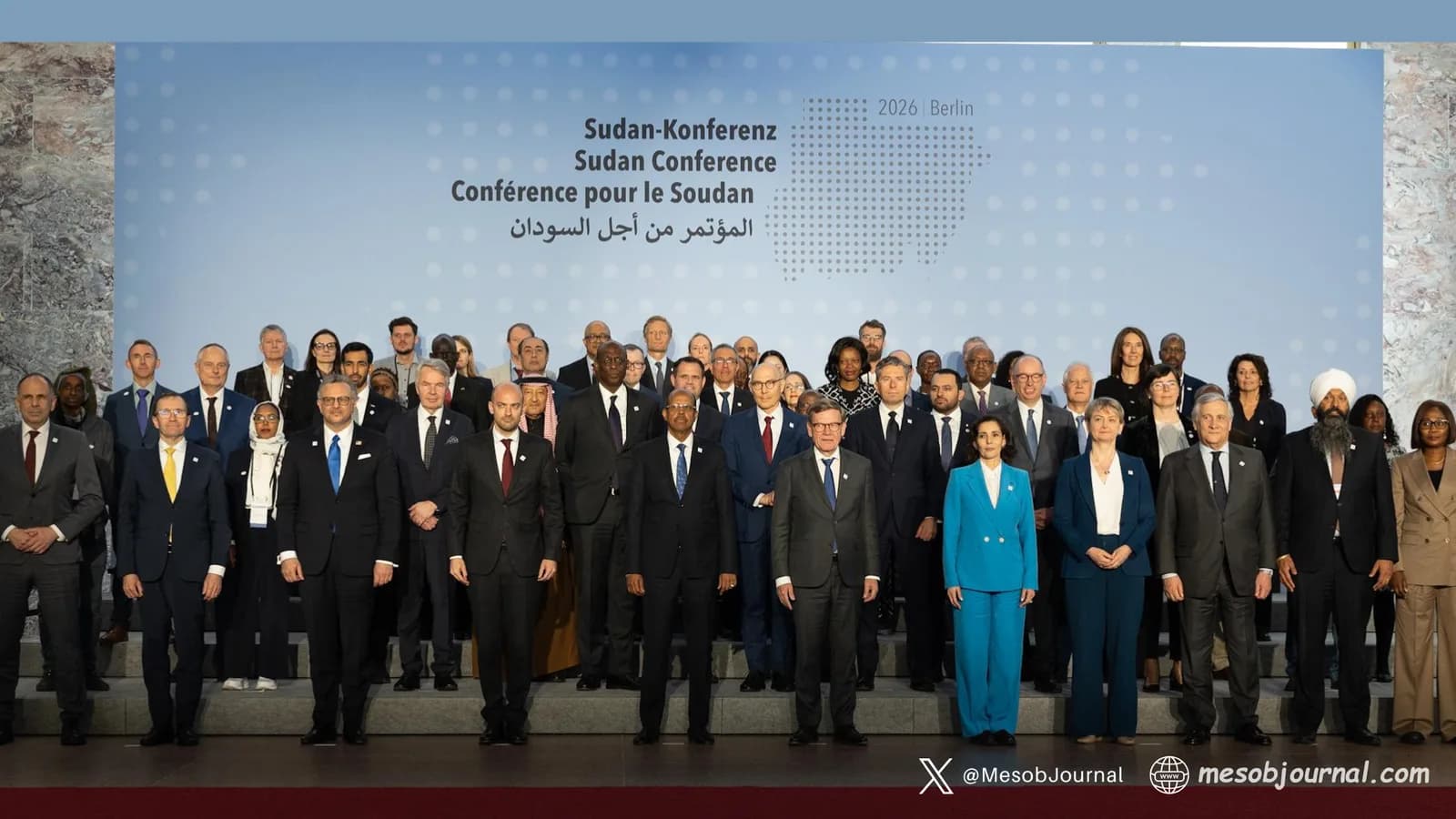
Berlin’s Sudan Conference Reeked of Colonial Tutelage
There was something deeply revealing about the Sudan conference staged in Berlin this week. It was presented as diplomacy. It was marketed as concern. It was wrapped in the language of humanitarian urgency and civilian-centered politics. But strip away the polished statements and
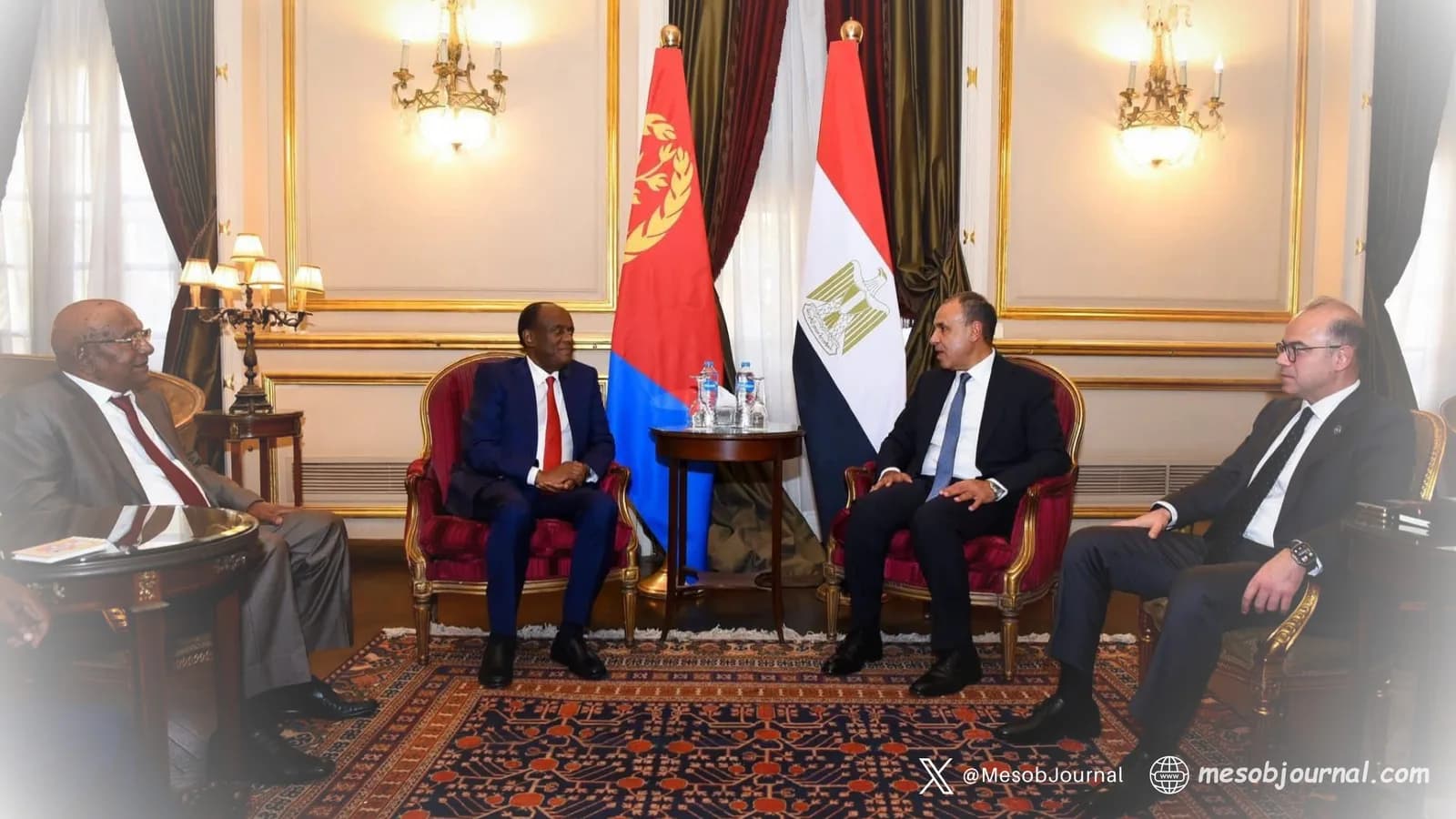
Cairo, Asmara Align on Trade and Red Sea Security
Egypt and Eritrea moved to deepen economic cooperation during high-level talks in Cairo on Monday, while also aligning on key regional issues including Sudan’s territorial integrity and Red Sea security. Egypt’s official readout said the meeting focused on trade, investment, indu
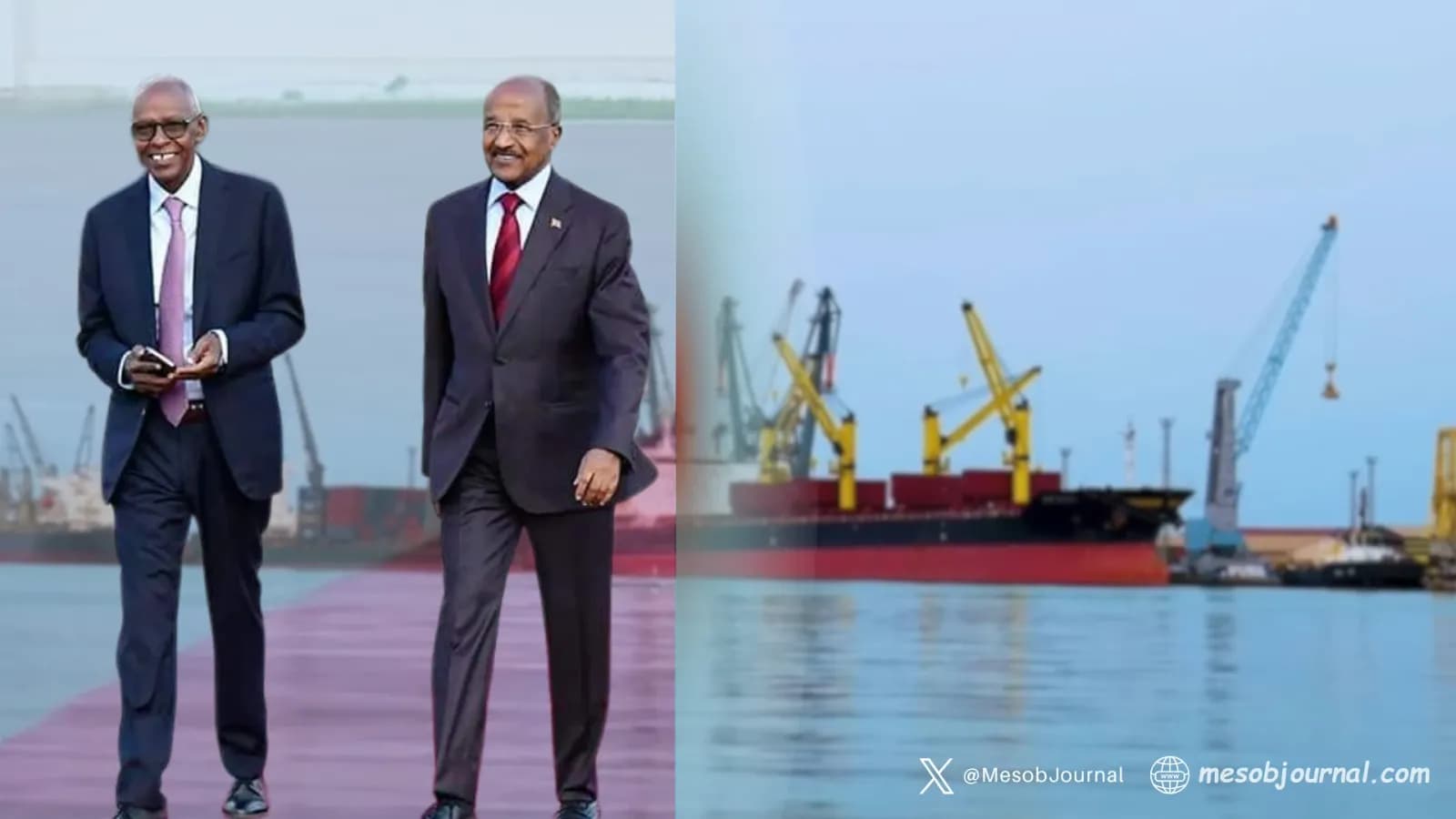
Eritrea Urges Action Against Unilateral Sanctions in Geneva
Eritrea used a high-level Geneva conference on Thursday to press a broader case against unilateral sanctions, with Foreign Minister Osman Saleh arguing that such measures are harming development, disrupting essential trade and undermining the very human rights they claim to defen

How Eritrean Women Are Driving Food Security From the Ground Up
There are development slogans, and then there is the harder thing: the daily work that keeps families fed, markets supplied, and communities standing on their own feet. In Eritrea, that work is often being carried by women whose contribution is discussed too little outside the co