

Sanctions, Sovereignty, and the Red Sea: A Critical Examination of Eritrea, Western Narratives, and the Reuters Framing
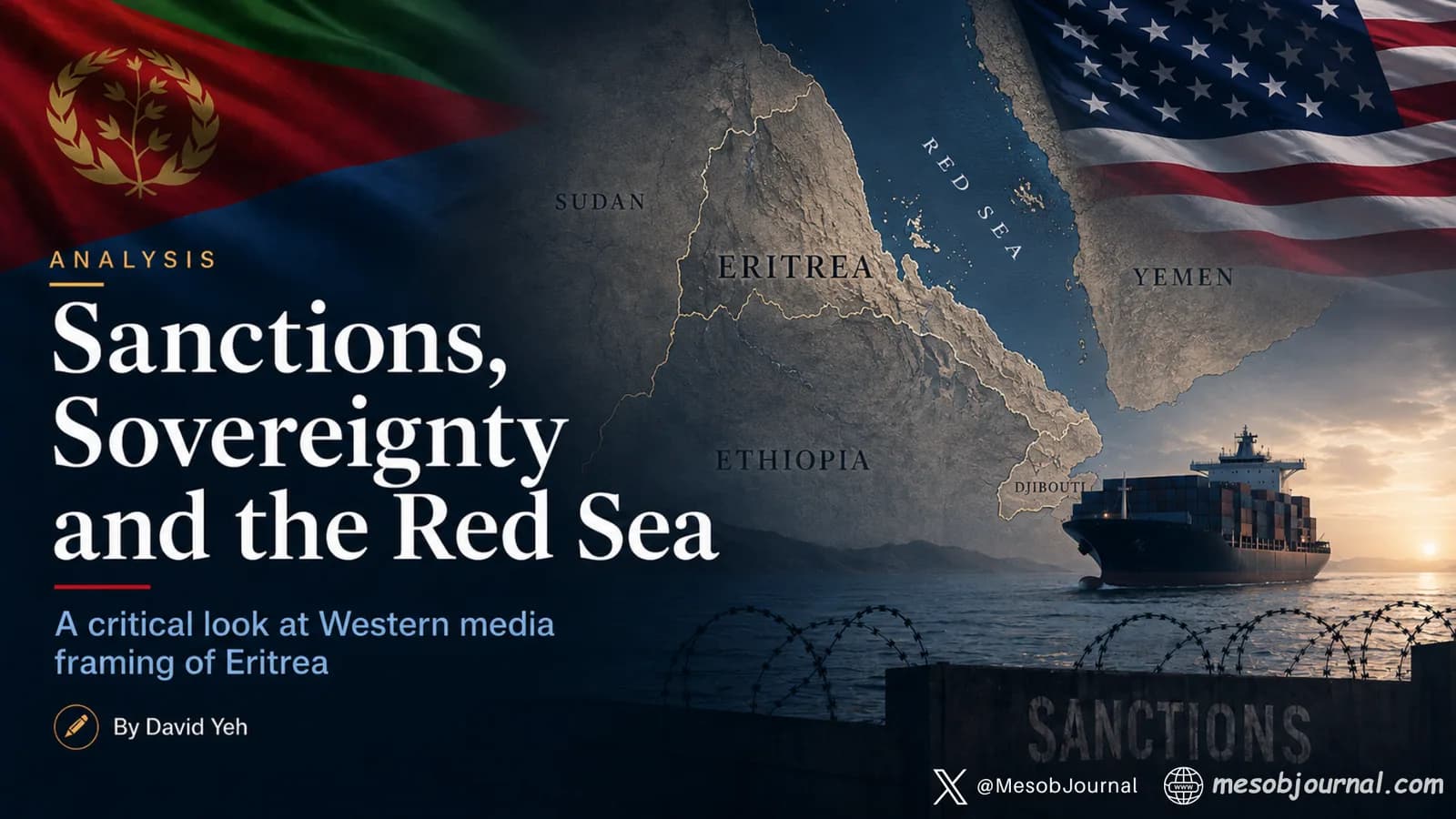
The recent indication that the United States may lift sanctions on Eritrea marks a significant moment in the geopolitics of the Horn of Africa and the Red Sea. While Reuters frames the development as a strategic recalibration driven by shifting alliances and maritime tensions, the deeper story is more complex. It involves questions of sovereignty, international law, media framing, and the selective application of human rights narratives.
Eritrea’s role in the Tigray conflict, its long-standing posture of non-alignment, and its strategic location along one of the world’s most important shipping corridors all contribute to a situation in which simplistic narratives fail to capture the underlying dynamics.
The issues are examined through a critical lens, focusing on how Western institutions including media organizations such as Reuters construct narratives about African states, how sanctions function as geopolitical tools, and how Eritrea’s actions during the Tigray conflict can be understood within the framework of international law.
The Reuters article presents the U.S. decision as a response to Red Sea tensions and the need to counterbalance Ethiopia’s increasingly assertive rhetoric regarding sea access. While this framing captures part of the geopolitical context, it also reflects a broader pattern in Western reporting: the tendency to reduce African states to reactive actors whose behavior is shaped by external pressures rather than internal logic or legal considerations.
Eritrea is portrayed as “isolationist,” “repressive,” and “militarized,” with these descriptors presented as objective facts rather than contested interpretations. The article cites Freedom House, a U.S.-based advocacy organization, as an authoritative source on Eritrea’s political system.
Yet Freedom House’s assessments often reflect Western political preferences and ideological frameworks, raising questions about the neutrality of such evaluations. This does not invalidate the concerns raised, but it does highlight the need for caution when treating advocacy industry ratings as empirical truth.
A central issue in the Reuters narrative is Eritrea’s involvement in the Tigray conflict. The article states that Eritrean forces “backed Ethiopian troops” and were accused of abuses. What is missing from this framing is the sequence of events that led to Eritrea’s entry into the conflict.
In November 2020, the Tigray People’s Liberation Front (TPLF) launched missiles at Asmara, targeting Eritrean territory. Under Article 51 of the United Nations Charter, states have the inherent right to self-defense if an armed attack occurs.
From a legal standpoint, Eritrea’s response can be interpreted as an exercise of this right. The missile strikes constituted a cross-border attack, and Eritrea’s subsequent military actions were not merely an extension of Ethiopian operations but a direct response to an attack on its sovereignty.
This perspective is often absent from Western reporting, which tends to frame Eritrea’s involvement as opportunistic or expansionist rather than defensive.
The omission is not trivial. It reflects a broader pattern in which Western media institutions, including Reuters, sometimes present conflicts in the Global South through narratives that emphasize certain actors’ agency while minimizing others’.
Ethiopia is often portrayed as the central actor in the Tigray conflict, with Eritrea cast as a secondary participant whose motivations are assumed rather than examined. This framing obscures the legal and strategic considerations that shaped Eritrea’s decisions.
It also contributes to a narrative in which Eritrea is consistently positioned as a destabilizing force, even when its actions align with recognized principles of international law.
Sanctions are another area where narrative framing plays a significant role. The Reuters article notes that the Biden administration imposed sanctions on Eritrea in 2021, targeting the ruling party, the military, senior officials, and financial institutions.
These sanctions were justified on the basis of alleged human rights abuses during the Tigray conflict. Yet the article does not address the broader question of how sanctions are applied globally.
If the criteria used to sanction Eritrea — indefinite conscription, lack of elections, allegations of abuses — were applied consistently, many U.S. allies would face similar measures.
Countries such as Egypt, Saudi Arabia, the United Arab Emirates, Qatar, and Turkey have all been criticized by international organizations for governance issues, human rights concerns, or military interventions. Israel has faced repeated scrutiny for its actions in the occupied territories.
Ethiopia itself has been accused of abuses in multiple regions beyond Tigray. Yet these states are not subjected to the same level of punitive measures.
This discrepancy suggests that sanctions are not solely tools of human rights enforcement but instruments of geopolitical alignment.
The Reuters article acknowledges that the U.S. decision to lift sanctions is partly motivated by concerns about Ethiopia’s rhetoric regarding sea access. Ethiopia’s statements about having a right to the sea have been widely interpreted as signaling potential military action.
In this context, Eritrea’s strategic importance becomes undeniable. The Red Sea is a critical maritime corridor linking the Mediterranean to the Indian Ocean.
With disruptions in the Strait of Hormuz and instability in Sudan and Somalia, the region’s security architecture is under strain. Eritrea’s long coastline and proximity to the Bab el-Mandeb strait make it a key actor in any effort to secure shipping routes.
The U.S. cannot effectively engage in Red Sea security while maintaining a sanctions regime that isolates one of the region’s most strategically located states.
This shift in U.S. policy highlights another dimension of Western narrative construction: the tendency to frame policy reversals as strategic recalibrations rather than acknowledgments of earlier misjudgments.
The Reuters article suggests that the lifting of sanctions is part of a broader effort to reshape alliances in response to regional tensions. While this may be true, it also obscures the possibility that the sanctions themselves were based on incomplete or baseless information.
The U.S. has not publicly presented detailed evidence to substantiate the allegations that formed the basis of the 2021 sanctions. The decision to rescind the executive order quietly, without a major announcement, suggests a recognition that the policy may have been flawed or unsustainable.
Media institutions play a significant role in shaping how such policy shifts are understood. Reuters, as one of the world’s most influential news agencies, has the power to frame events in ways that influence public perception and policy discourse.
Its reporting on Eritrea often reflects broader Western assumptions about governance, legitimacy, and alignment. These assumptions are not unique to Reuters; they are part of a larger ecosystem in which advocacy organizations, think tanks, and government agencies contribute to a shared narrative about states that fall outside Western political norms.
This does not mean that the concerns raised about Eritrea are unfounded. It does mean that they must be contextualized within a system that selectively amplifies certain issues while downplaying others.
Eritrea’s political system, characterized by a strong emphasis on sovereignty, national service, and self-reliance, does not align with Western liberal democratic models. This divergence often leads to misunderstandings or misrepresentations in Western reporting.
Eritrea’s long-standing policy of non-alignment, its cautious approach to foreign partnerships, and its emphasis on internal cohesion are sometimes interpreted as signs of isolationism rather than deliberate strategic choices.
The country’s history shaped by a 30-year war of independence, border conflicts, and external pressure has produced a political culture that prioritizes security and sovereignty. Understanding this context is essential for interpreting Eritrea’s actions and policies.
The Red Sea crisis has further underscored the limitations of narratives that portray Eritrea as peripheral or irrelevant. The region’s strategic importance has grown dramatically due to disruptions in global energy markets, conflicts in the Middle East, and instability in the Horn of Africa.
Eritrea’s geographic position makes it a central actor in any effort to secure maritime routes. The U.S. decision to reconsider its sanctions policy reflects this reality.
It also highlights the need for more nuanced reporting that recognizes the agency of African states and the complexity of regional dynamics.
In conclusion, the Reuters framing of the U.S. decision to lift sanctions on Eritrea reflects broader patterns in Western media narratives about African states. These narratives often rely on selective interpretations of governance, human rights, and geopolitical alignment.
Eritrea’s involvement in the Tigray conflict, when examined through the lens of international law, reveals a more complex picture than the one presented in much Western reporting.
The strategic importance of the Red Sea, the shifting dynamics of the Horn of Africa, and the inconsistencies in the application of sanctions all point to the need for a more critical and contextualized understanding of Eritrea’s position.
As global attention turns increasingly to the Red Sea and the Horn of Africa, it is essential that media institutions, policymakers, and analysts engage with the region in ways that move beyond simplistic narratives and acknowledge the full complexity of its political and strategic landscape.
Related stories
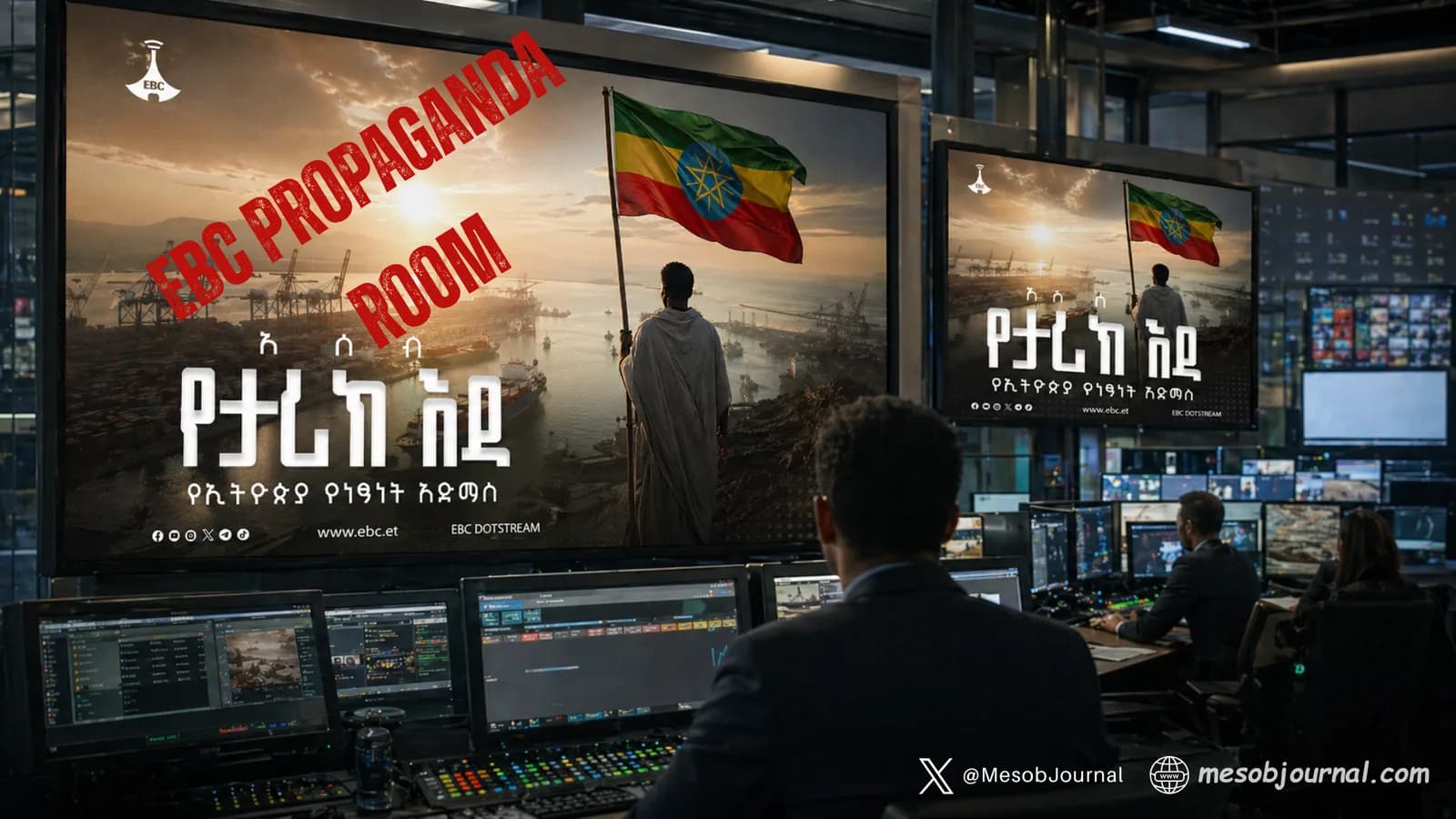
Inside Ethiopia’s State-Media Campaign Against Eritrea
Ethiopia’s state broadcaster has crossed another dangerous line. Then again, this is not new. And it almost certainly won’t be the last time. For months, EBC’s Amharic-language output has been full of this kind of messaging — blunt, emotional, territorial, and clearly aimed at a
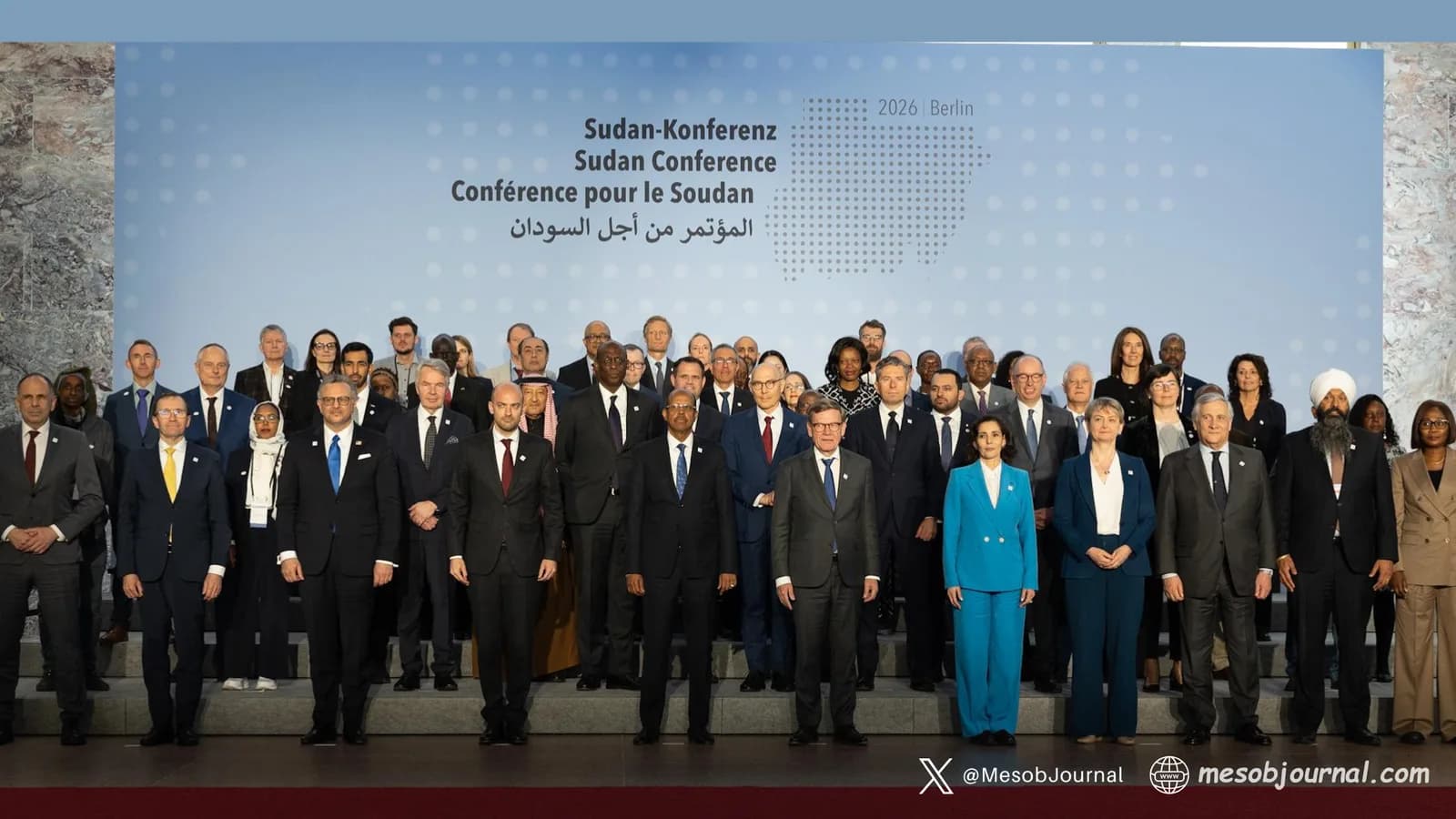
Berlin’s Sudan Conference Reeked of Colonial Tutelage
There was something deeply revealing about the Sudan conference staged in Berlin this week. It was presented as diplomacy. It was marketed as concern. It was wrapped in the language of humanitarian urgency and civilian-centered politics. But strip away the polished statements and
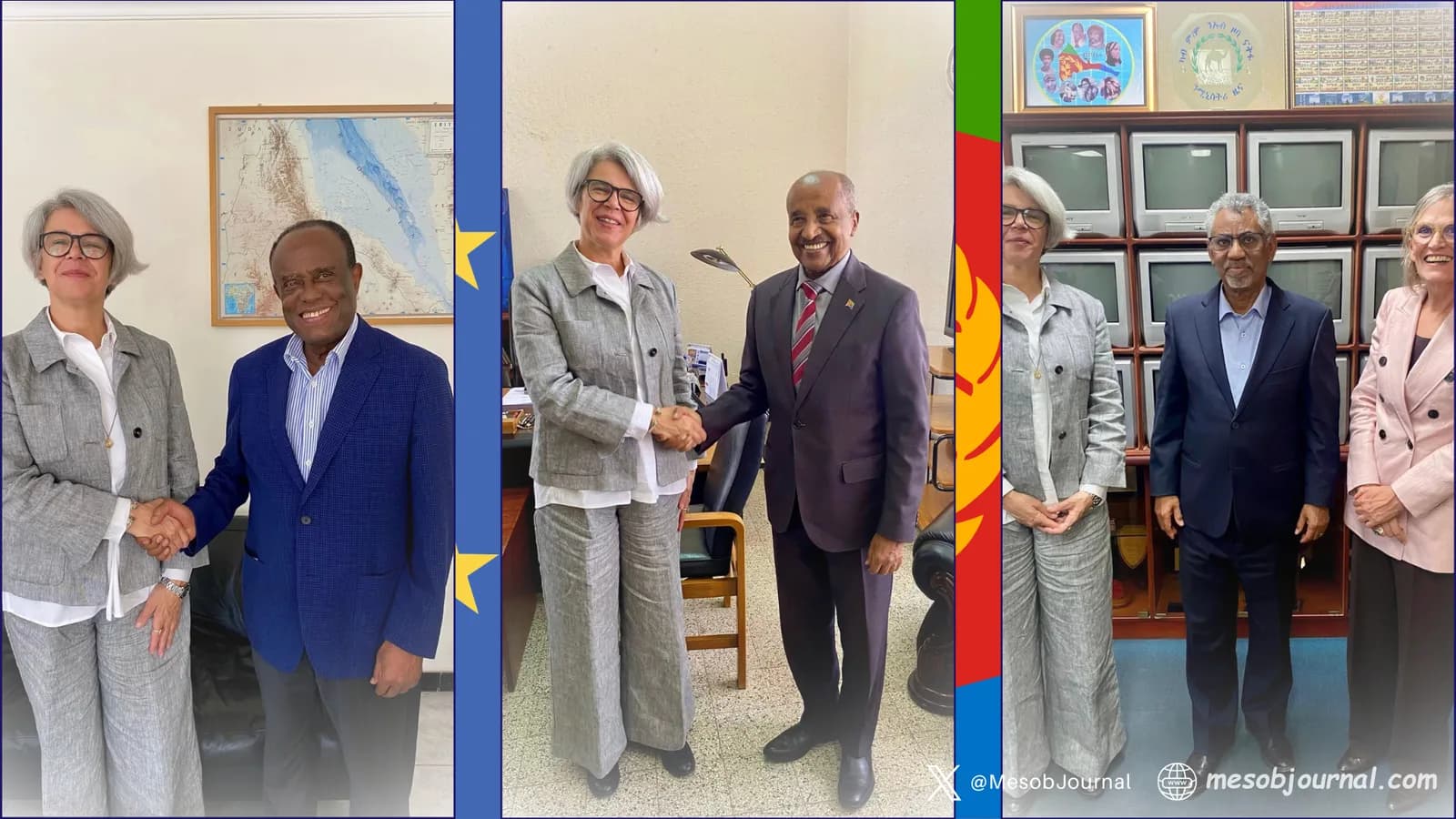
Why Eritrea Matters Again to the European Union
Brussels is not undergoing a moral conversion. It is responding to a harsher strategic map in the Horn of Africa and the Red Sea. Annette Weber, the European Union’s Special Representative for the Horn of Africa, was in Asmara this week, and the visit matters less for any dramati

America First in Africa Means Interests First, Pretense Last
Washington has finally said it plainly. In a March 19 speech at the Powering Africa Summit, Senior Bureau Official Nick Checker laid out the Trump administration’s Africa policy in language that stripped away much of the old diplomatic wrapping. Africa, in this telling, is no lon