

Eritrea and U.S. Signal Opening for Renewed Engagement at UNGA80
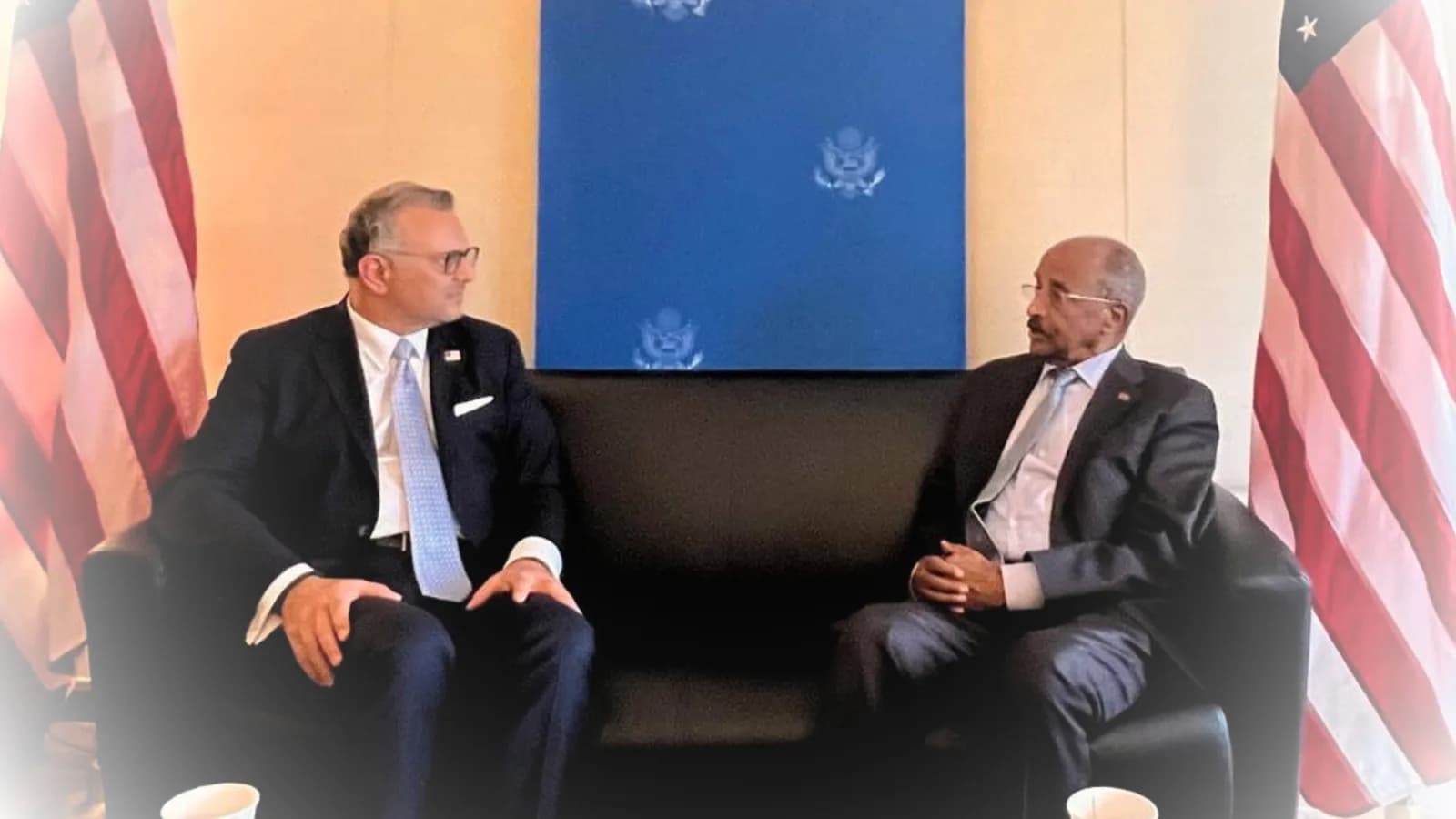
Eritrea’s Foreign Minister Osman Saleh has met with Massad Fares Boulos, Senior Advisor for African Affairs to U.S. President Donald J. Trump, in a meeting seen as a step toward repairing relations after nearly two decades of strained ties.
The talks, held on the sidelines of the 80th UN General Assembly, focused on prospects for dialogue and cooperation on regional stability, security, and economic development. Both officials stressed the importance of constructive engagement and respect for sovereignty while exploring potential areas of common interest in the Horn of Africa, the Nile Basin, and the Red Sea.
The Eritrean Ministry of Information described the encounter as a “potential prelude to, and harbinger of, a new chapter” in bilateral ties, noting that relations have been marred by years of adversity, including U.S.-backed sanctions that Asmara maintains were unwarranted and damaging. The ministry said renewed engagement could help reverse that legacy “in the interests of both countries and the Horn of Africa as a whole.”
Massad Fares Boulos, the U.S. Senior Advisor for African Affairs, on his part confirmed the talks in a post on X, describing it as the first high-level meeting between the two countries in several years. He said there was “a clear desire on both sides to re-establish a productive bilateral relationship,” underscoring Washington’s interest in exploring a reset with Asmara.
European Meetings
The outreach to Washington comes alongside Eritrea’s active diplomacy with European partners. Saleh also met with Annette Weber, the EU Special Representative for the Horn of Africa, and Swedish Foreign Minister Maria Malmer Stenergard.

Talks with Weber centered on maritime security and peace in the Red Sea and Horn of Africa. Both sides underscored the importance of respecting sovereignty and territorial integrity. Weber acknowledged Eritrea’s contribution to maintaining the safety of international shipping through one of the world’s most strategic waterways.
In his meeting with Sweden’s foreign minister, Saleh discussed ways to enhance bilateral ties and exchanged views on the evolving security environment across the Horn of Africa.
Strategic Context
The meetings highlight Eritrea’s positioning as a stabilizing actor at a time of deep regional volatility. Sudan remains engulfed in war, Ethiopia is struggling with multiple internal conflicts while amplifying dangerous rhetoric over Red Sea access, and Somalia continues to confront long-running insecurity.
Eritrea’s proven stability and its strategic location along the Red Sea make it not only an increasingly relevant but also an indispensable player in discussions on maritime safety, counterterrorism, and trade. Whether the latest exchanges with Washington lead to a substantive shift remains to be seen, but both sides have agreed to continue discussions in the months ahead.
Related stories
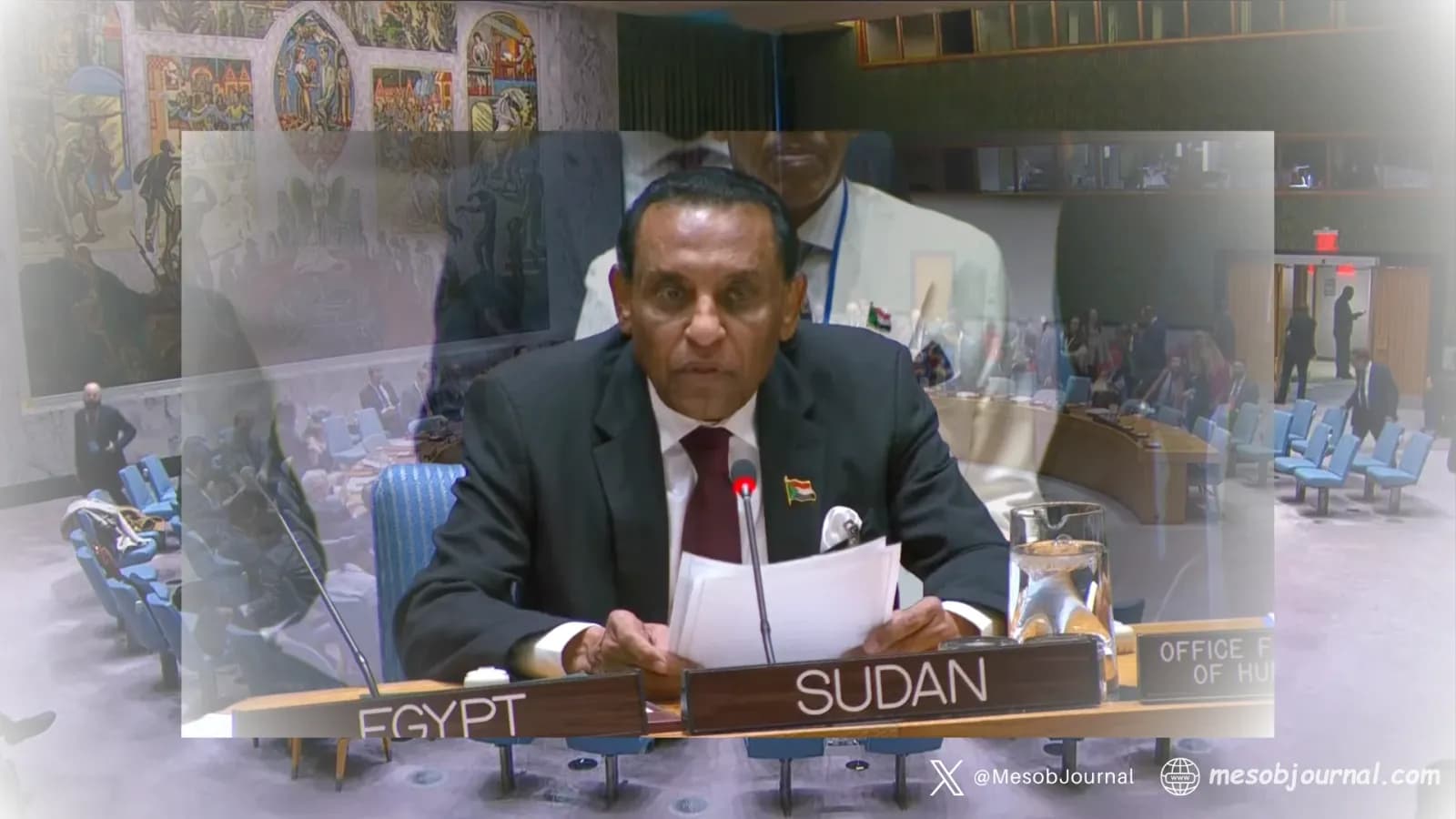
Sudan Rejects Berlin Conference, Says Outcomes Are Non-Binding
Sudan’s government has formally rejected the Berlin conference on Sudan, with Prime Minister Kamil Idris saying the meeting and its outcomes “do not concern” the Sudanese people or government because Khartoum was excluded from participation. In remarks published by the Sudanese e
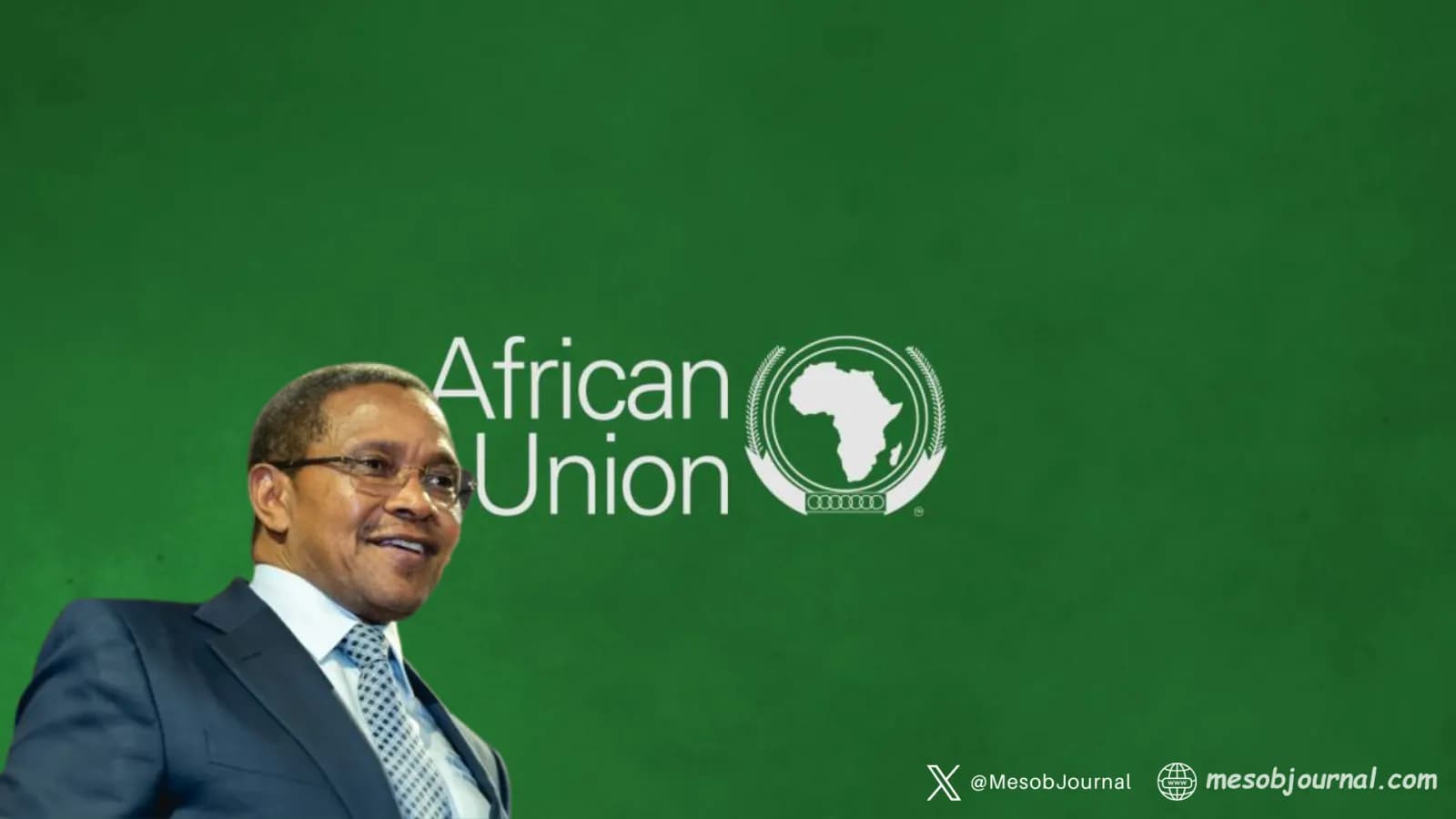
AU appoints Kikwete as Horn of Africa, Red Sea envoy
The African Union Commission has appointed former Tanzanian president Jakaya Mrisho Kikwete as the AU High Representative for the Horn of Africa and the Red Sea, placing a veteran East African statesman at the center of one of the continent’s most sensitive geopolitical files. Th
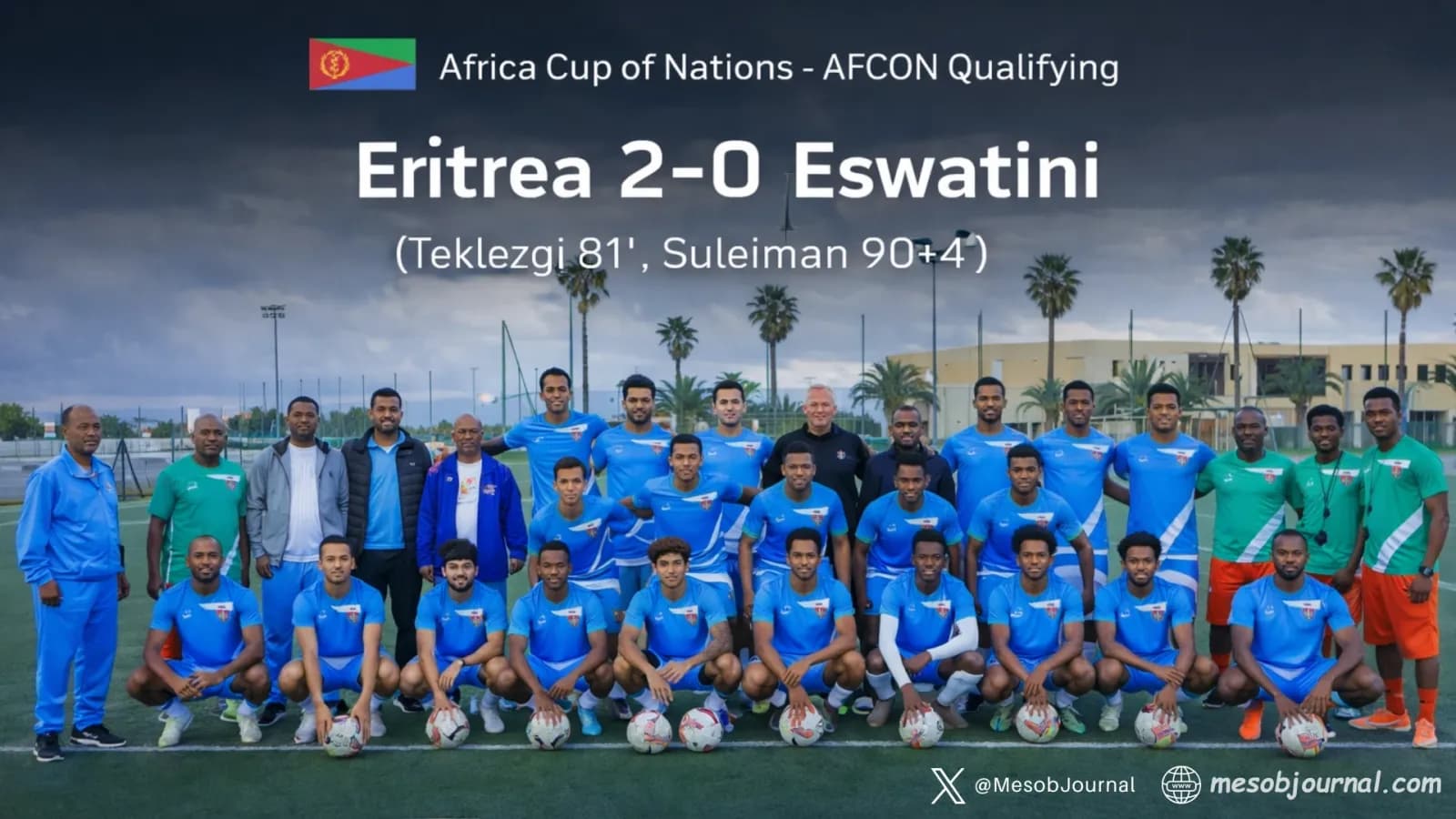
Eritrea’s AFCON Return Revives a Proud Football History
Eritrea’s 2–0 win over Eswatini in Meknes Today, was more than a positive result in the preliminary round of AFCON PAMOJA 2027 qualifying. It was a reminder that Eritrean football did not suddenly appear from nowhere. It returned. After almost two decades away from continental q

America First in Africa Means Interests First, Pretense Last
Washington has finally said it plainly. In a March 19 speech at the Powering Africa Summit, Senior Bureau Official Nick Checker laid out the Trump administration’s Africa policy in language that stripped away much of the old diplomatic wrapping. Africa, in this telling, is no lon