

Eritrea Warns Against Manufactured Red Sea Crisis Amid Abiy Ahmed’s Escalating War Rhetoric
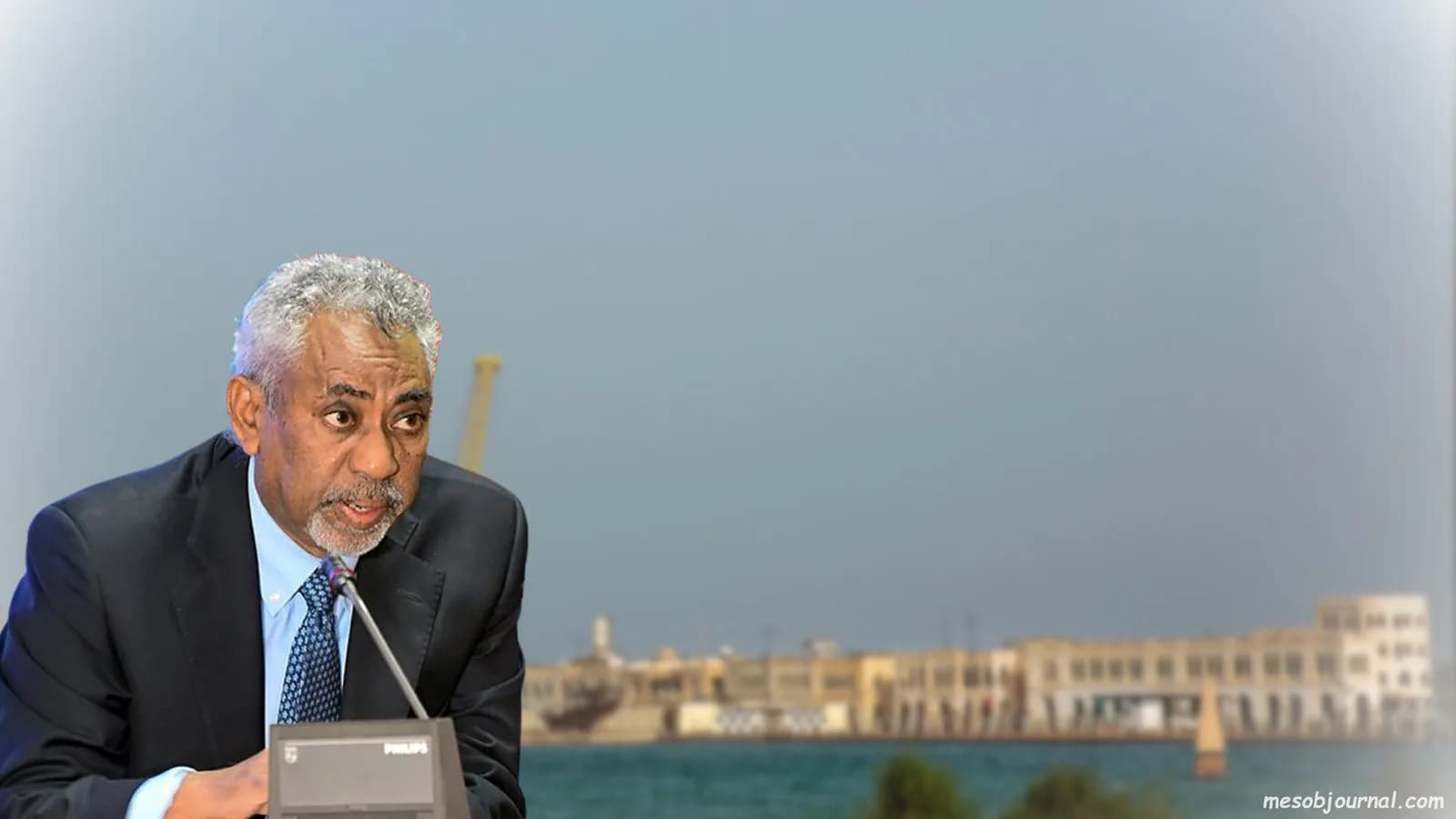
Eritrea has sharply condemned what it calls a “political frenzy” by Ethiopia’s ruling Prosperity Party (PP), accusing Prime Minister Abiy Ahmed’s government of deliberately manufacturing a regional crisis around access to the Red Sea.
In a statement posted on X, Eritrea’s Minister of Information Yemane G. Meskel said Addis Ababa’s fixation with “toxic and illicit ‘sovereign access to the sea’” has reached its peak, warning that the barrage of disinformation, historical distortions, and open saber-rattling threatens to drag the Horn of Africa into yet another avoidable conflict.
Yemane outlined three hallmarks of Ethiopia’s campaign:
- Historical revisionism — attempts to rewrite Eritrea’s past, including during a recent ceremony promoting Ethiopia’s military leadership.
- Tampering with international law — an explicit challenge to the sanctity of colonial boundaries, which remain the legal foundation of African statehood under the AU Charter.
- Reckless militarism — provocative statements that amount to thinly veiled threats of war.
“The Horn of Africa Region does not need or deserve another bout of unnecessary and avoidable conflict,” Yemane stressed, calling on international and regional actors to send a clear and unified message against destabilization.
Abiy Ahmed has in recent months intensified rhetoric over the Red Sea, repeatedly referring to Ethiopia as a “geographic prisoner” and hinting that the port of Assab should be “restored” to Ethiopian control. These statements, often delivered during public ceremonies or televised interviews, have been widely interpreted as laying the groundwork for a territorial claim on Eritrea.
Analysts note that the timing of this propaganda is far from accidental. Facing mounting domestic crises — including economic collapse, ballooning debt, multiple civil wars, and discontent within his own ruling party — Abiy appears to be using the Red Sea narrative as a political distraction. His reliance on foreign financial lifelines, particularly from the United Arab Emirates, has only deepened suspicions that Ethiopia’s posturing is less about trade and more about regime survival.
For Eritrea, the danger lies not only in Ethiopia’s rhetoric but in the regional destabilization it risks unleashing. The Horn of Africa is already grappling with protracted conflicts in Sudan, Somalia, and Ethiopia itself, alongside climate shocks and humanitarian emergencies. Another manufactured crisis, Yemane warned, would only exacerbate instability for millions of people across the region.
Eritrea’s message is unequivocal: peace and stability in the Horn cannot be held hostage to the political calculations of one regime. As Yemane put it, the international community and those who “harbour sincere wishes for the welfare of the peoples of the region” must reject war propaganda and reinforce the primacy of international law.
Related stories
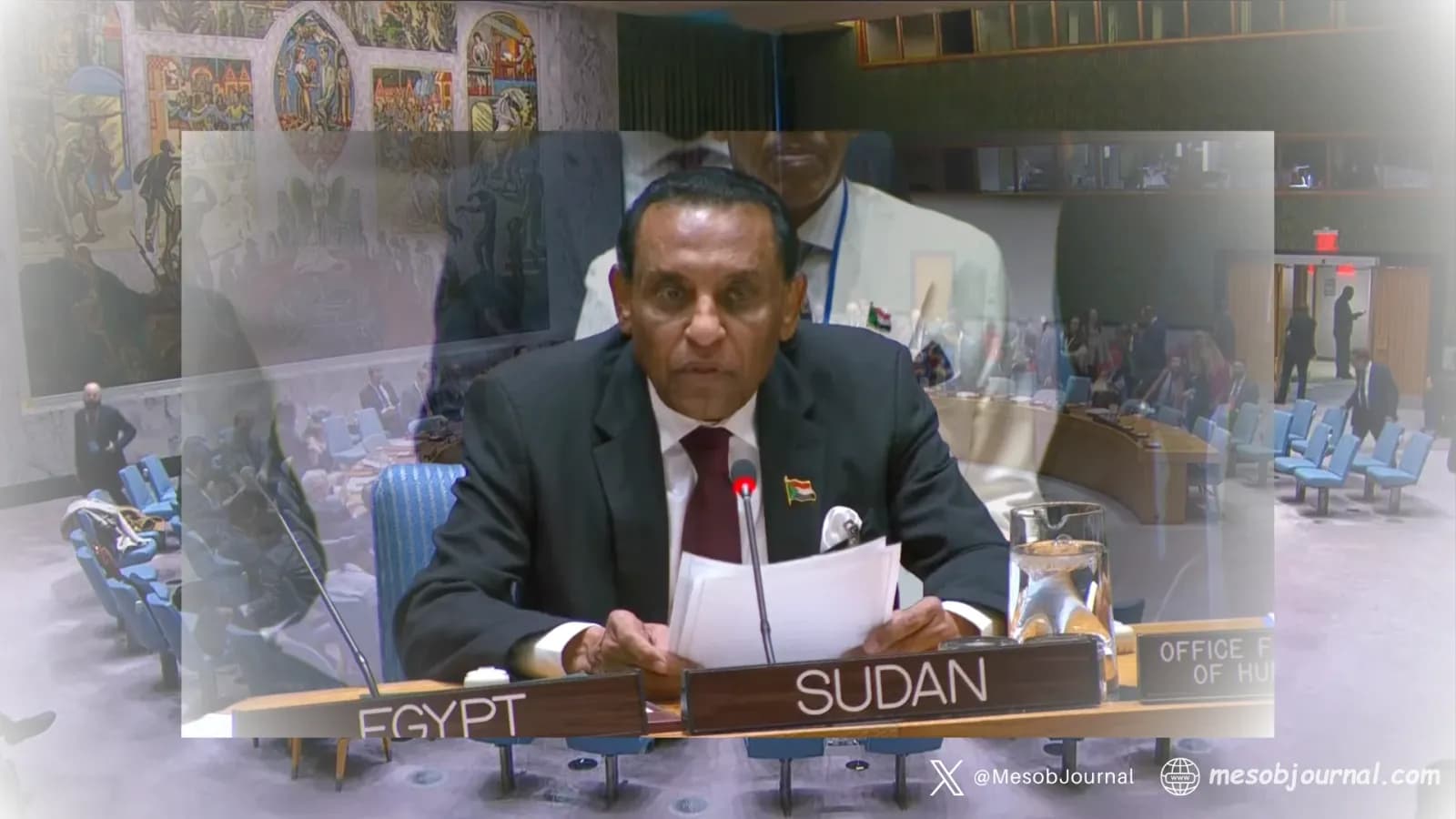
Sudan Rejects Berlin Conference, Says Outcomes Are Non-Binding
Sudan’s government has formally rejected the Berlin conference on Sudan, with Prime Minister Kamil Idris saying the meeting and its outcomes “do not concern” the Sudanese people or government because Khartoum was excluded from participation. In remarks published by the Sudanese e
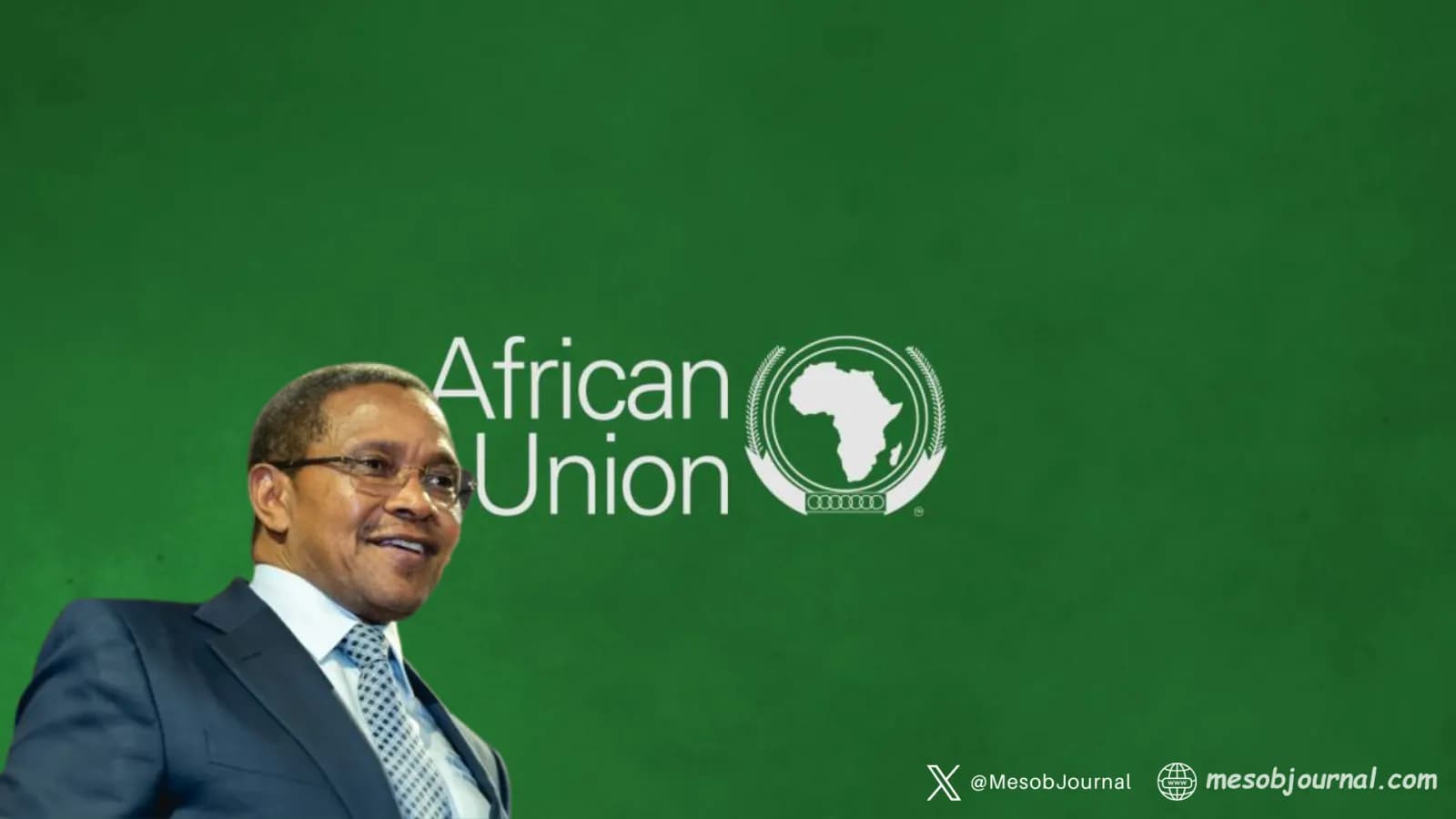
AU appoints Kikwete as Horn of Africa, Red Sea envoy
The African Union Commission has appointed former Tanzanian president Jakaya Mrisho Kikwete as the AU High Representative for the Horn of Africa and the Red Sea, placing a veteran East African statesman at the center of one of the continent’s most sensitive geopolitical files. Th
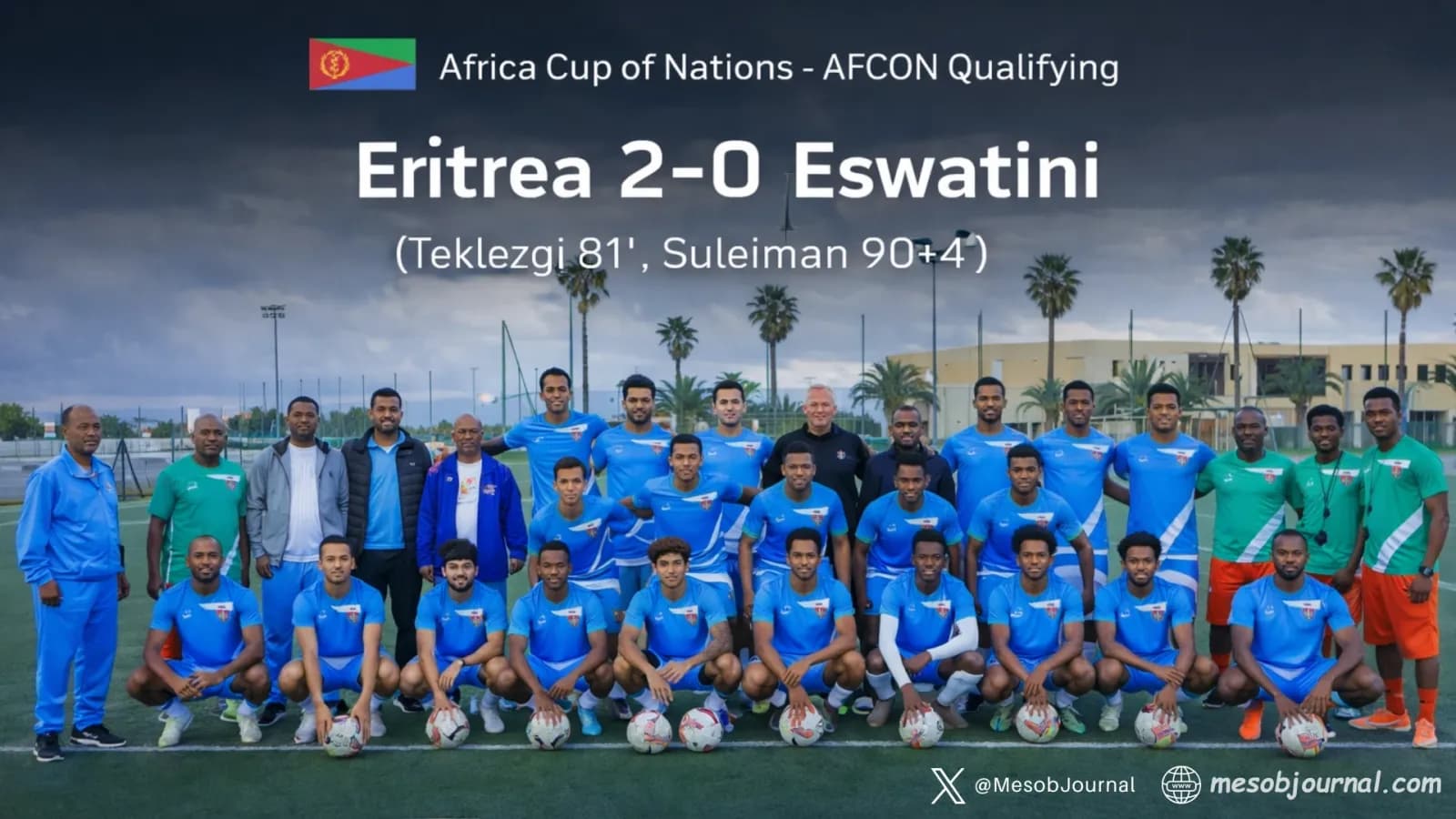
Eritrea’s AFCON Return Revives a Proud Football History
Eritrea’s 2–0 win over Eswatini in Meknes Today, was more than a positive result in the preliminary round of AFCON PAMOJA 2027 qualifying. It was a reminder that Eritrean football did not suddenly appear from nowhere. It returned. After almost two decades away from continental q

America First in Africa Means Interests First, Pretense Last
Washington has finally said it plainly. In a March 19 speech at the Powering Africa Summit, Senior Bureau Official Nick Checker laid out the Trump administration’s Africa policy in language that stripped away much of the old diplomatic wrapping. Africa, in this telling, is no lon