

Ethiopia Is Not Falling Apart — It Already Has
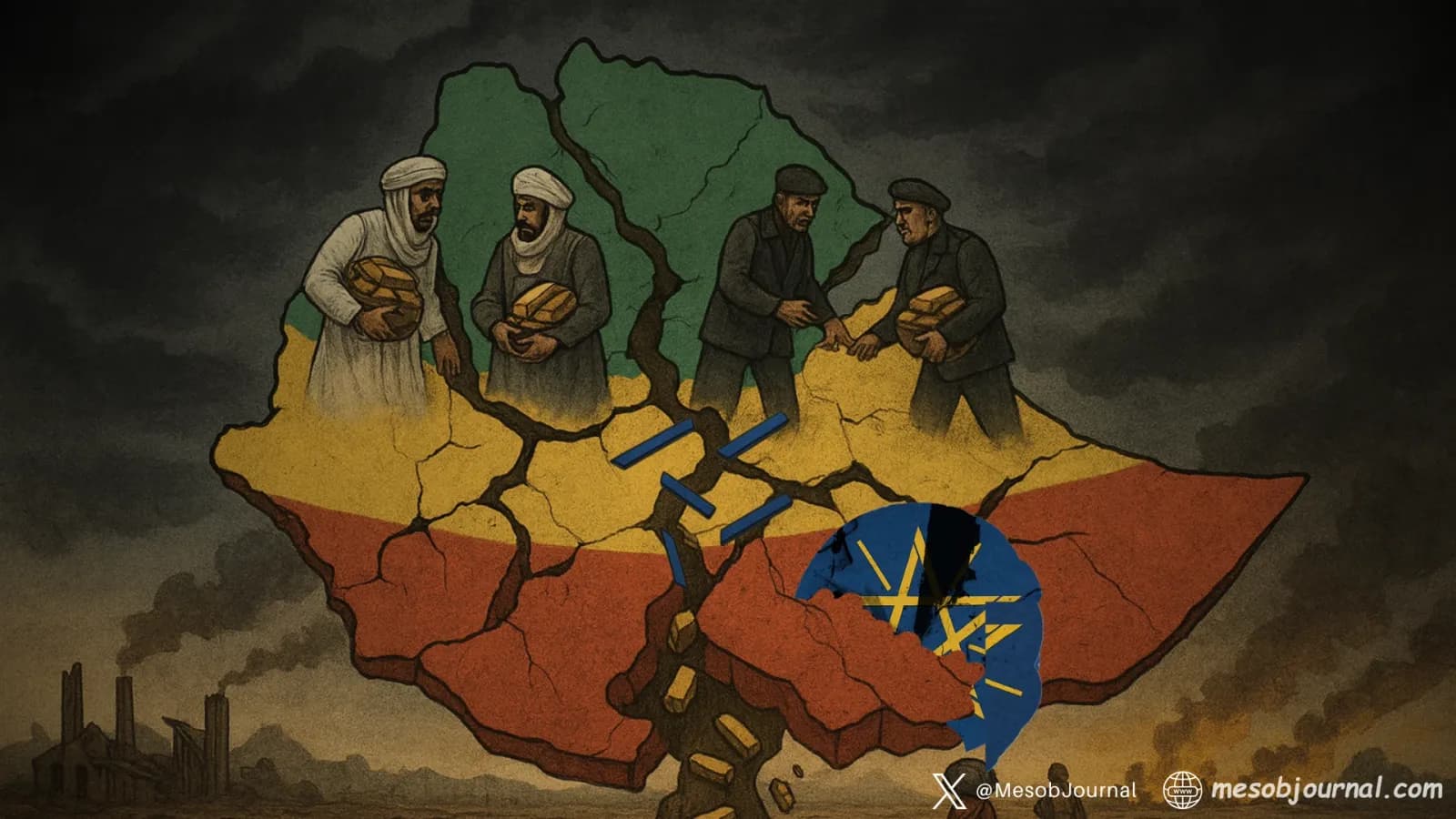
They said Abiy Ahmed would “unite Ethiopia” and make it the Singapore of Africa.
Seven years later, the country can’t even pay its bills, hold its borders, or feed its people.
Let’s stop pretending Ethiopia is a “rising power.” It’s a failed experiment kept on life support by foreign aid and denial.
The World Bank’s latest data puts the country’s poverty rate above 38%, and that’s only what’s officially admitted. Half of rural children are stunted. Ninety-five percent of households lack basic sanitation. Yet Abiy still spends billions on wars against his own citizens — Amhara, Oromia, Tigray — and on grandiose dreams of owning a “Red Sea port,” as if geography were for sale.
A Nation Defaulted — Financially and Morally
Ethiopia’s Eurobond default isn’t just about unpaid debt. It’s a symbol. Investors now see what millions of Ethiopians already knew: the “prosperity” project was a scam built on propaganda, not productivity. The same government that burned through IMF loans is now begging creditors for mercy while arresting journalists and orthodox priests for asking questions.
Even the Reuters report this month noted that talks with bondholders have hit a “dead end.” Translation: the world has stopped believing Abiy’s lies.
A War Economy That Feeds on Itself
Abiy Ahmed’s Ethiopia is a war economy.
It manufactures enemies to survive.
When Washington pressured Abiy to halt the war in Tigray and sign the Pretoria deal, he turned his guns toward the Amhara. When the Amhara resisted, he branded them terrorists. When Oromia erupted, he blamed “Shene.” In Abiy’s Ethiopia, every crisis is a photo-op, and every massacre is rebranded as a “law-enforcement operation.”
But here’s the reality: Ethiopia is at war with itself — not for security, not for unity, but for political survival. The Prime Minister’s office has become a bunker of paranoia, rewriting geography to distract from domestic collapse.
The Red Sea Delusion
Now, in an act of geopolitical theater, Abiy wants a “port on the Red Sea.” Not through diplomacy, but by threat.
The same man who can’t secure Wollo or keep the lights on in Addis thinks he can challenge international borders recognized since 1890.
Eritrea doesn’t owe him a corridor, a concession, or even a conversation. The 1993 referendum wasn’t “Ethiopian generosity,” as some delusional propagandists claim — it was the end of an illegal occupation paid for in blood. Eritrea’s independence is final, sealed under international law, and defended by a people who will never kneel to another empire.
To frame that history as “generosity” is like calling colonization “charity.”
From Nobel to Now: The Emperor Has No Clothes
Remember the Nobel Peace Prize? It was supposed to crown a reformer.
Instead, it whitewashed a militarist.
Abiy’s “peace” lasted months. His “democracy” became rule by drones and propaganda.
Even his closest allies — Kenya, Somalia, Djibouti — now quietly distance themselves from his Red Sea fantasies.
Behind the photo ops and religious theatrics stands a man addicted to chaos, driven by divine delusion and surrounded by sycophants too afraid to tell him the truth: Ethiopia is collapsing — and the collapse began with him.
The World Must Stop Pretending
Western diplomats still talk about “dialogue” and “engagement.” But what dialogue exists in a country that jails its critics and bombs its own people?
Humanitarian agencies still describe “crisis conditions.” They’re wrong. It’s not a crisis. It’s disintegration.
Ethiopia is not at risk of collapse — it is collapsing right now.
And every day the world hesitates to say it out loud, more lives are lost, more lies are sold, and more borders are endangered.
The Horn of Africa deserves better than another empire of illusion.
The future will belong not to the loudest pretender, but to the nations that stood by principle — even when it wasn’t convenient.
Related stories
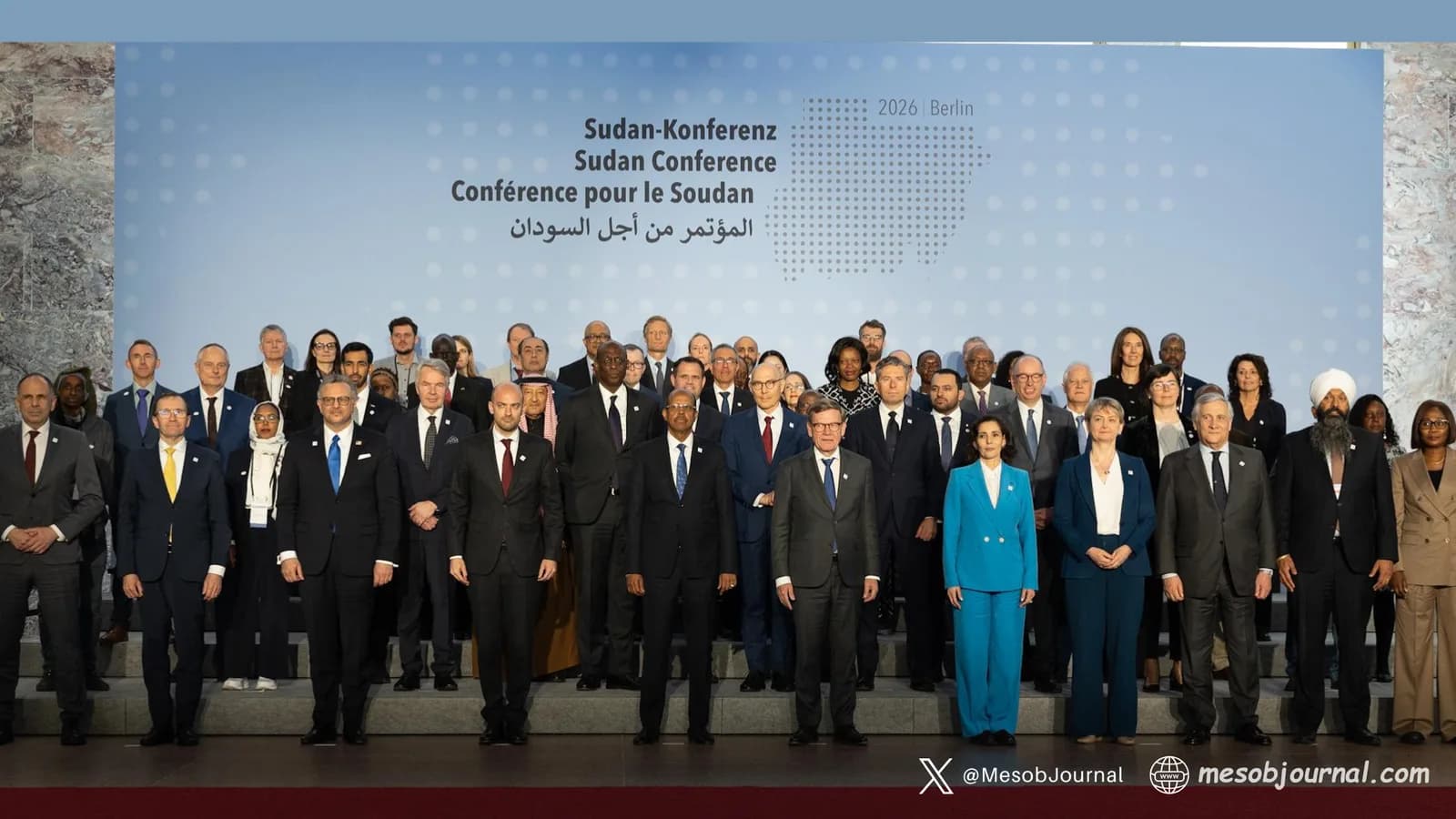
Berlin’s Sudan Conference Reeked of Colonial Tutelage
There was something deeply revealing about the Sudan conference staged in Berlin this week. It was presented as diplomacy. It was marketed as concern. It was wrapped in the language of humanitarian urgency and civilian-centered politics. But strip away the polished statements and
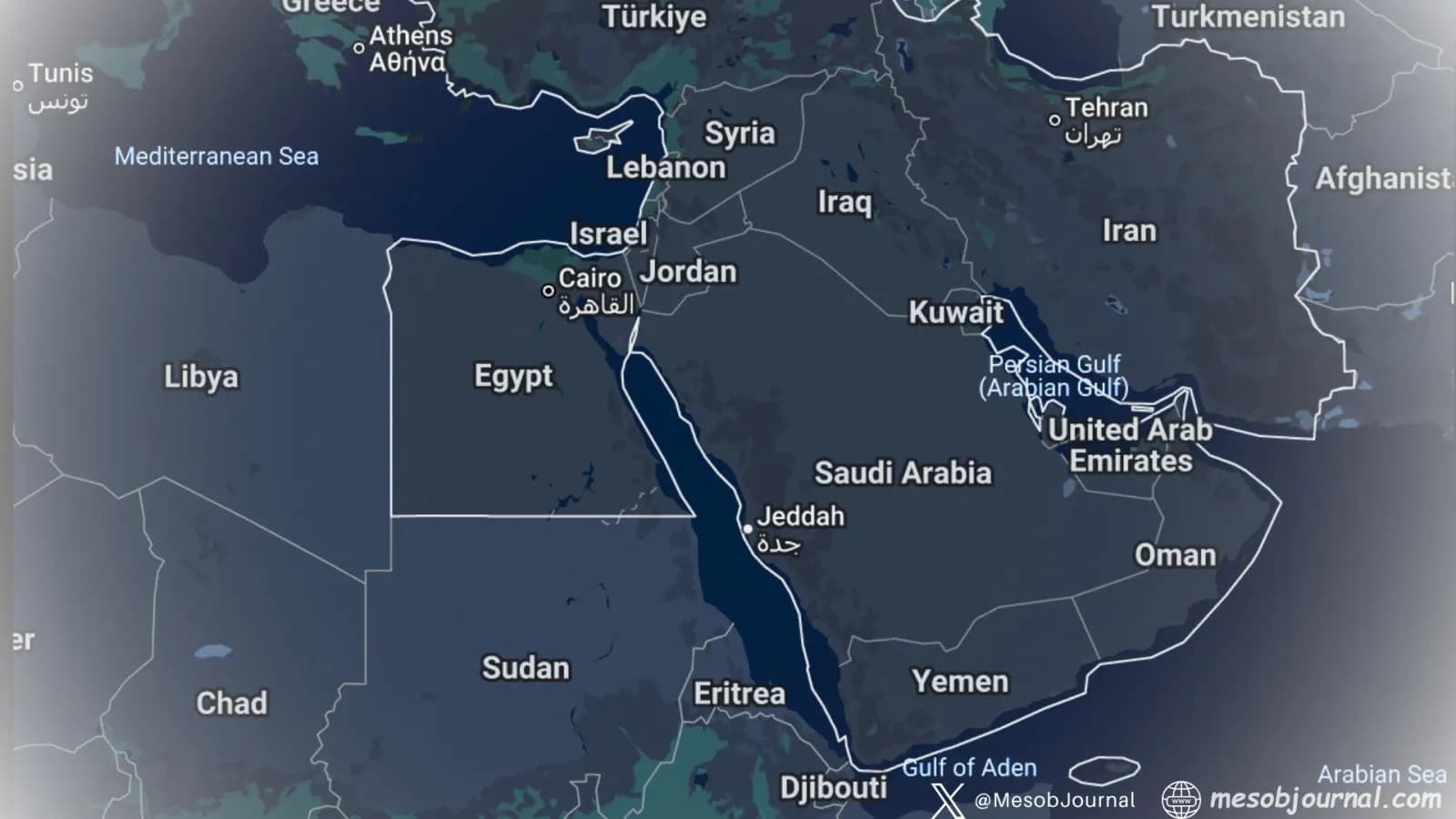
Opinion Piece Published on Jerusalem Post by Dr Shmuel Legesse on 15 March 2026 – A Response
An opinion piece titled, "Middle East's future may be decided in the Horn of Africa : The Red Sea is becoming the centre of global power." was published on #JerusalemPost on 15 March by Dr Shmuel Legesse . The author is an international educator, community activist, a diplomacy

Beyond the Propaganda: Wode Maya, Eritrea, and the Reality of African Sovereignty
It happens every time. A content creator lands in Asmara, camera in hand, expecting a dystopian wasteland. They come armed with the same exhausted Western propaganda—the “North Korea of Africa” label, dutifully slapped onto a YouTube title to appease the algorithm. Recently, the
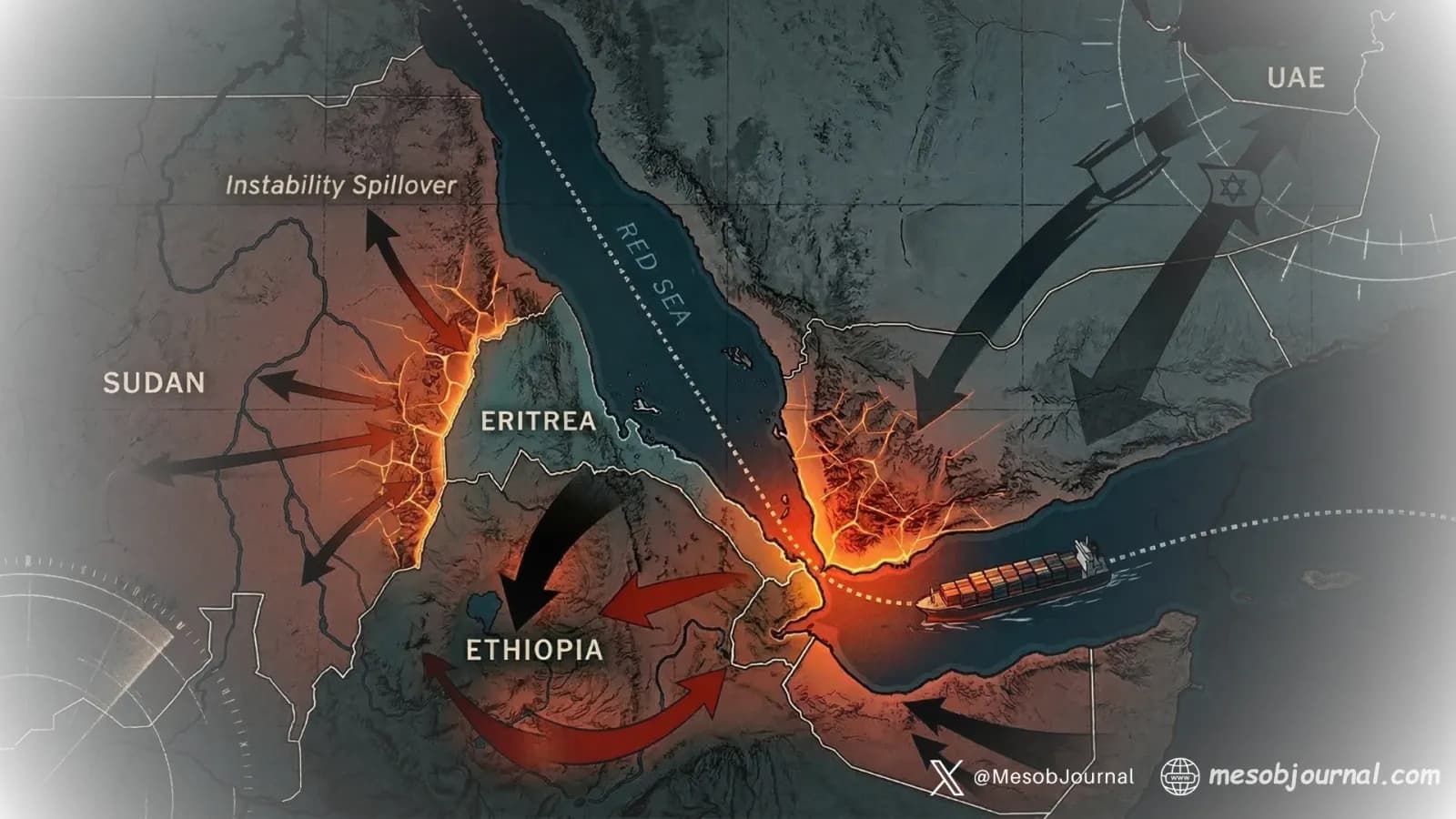
The World Cannot Afford a Second Maritime Meltdown in the Red Sea
As the Strait of Hormuz buckles under the weight of war, a reckless axis of actors—driven by Abu Dhabi and executed by its clients in Addis Ababa—threatens to turn the Horn of Africa into a global economic catastrophe. At a moment when the Strait of Hormuz is already under severe