

Ethiopia’s Aggressive Regional Ambitions And Somalia's Sovereignty Concerns
In recent months, Ethiopia has faced growing condemnation for its destabilizing activities across the Horn of Africa, particularly in Somalia, as well as its contentious claims to “historical rights” over access to Red Sea ports.
A widely denounced Memorandum of Understanding (MoU) between Ethiopia and Somaliland proposed granting Ethiopia access to the sea in exchange for recognizing Somaliland’s independence.
Somalia, along with international observers, has vehemently opposed the MoU, calling it a flagrant violation of Somali sovereignty and international law.
However, the MoU has effectively been rendered void following the Ankara Agreement of December 2024, in which Somalia and Ethiopia reaffirmed their commitment to respecting sovereignty and territorial integrity.
Since then, Ethiopia has sought a larger role in the African Union Stabilization Mission in Somalia (AUSSOM). Somalia delivered a decisive blow to these ambitions at a United Nations Security Council (UNSC) meeting on December 27, 2024.
Somalia’s Deputy Permanent Representative to the UN, Mohamed Rabi A. Yusuf, sharply condemned Ethiopia’s actions over the past year, describing them as destabilizing and counterproductive.
“Due to documented actions of Ethiopia in Somalia over the past 11 months, the Federal Government of Somalia has undertaken a comprehensive review of its security arrangements,” Yusuf declared.
He affirmed Somalia’s commitment to safeguarding its security through collaborations with troop-contributing countries other than Ethiopia, ensuring there is no gap in the fight against Al-Shabaab.
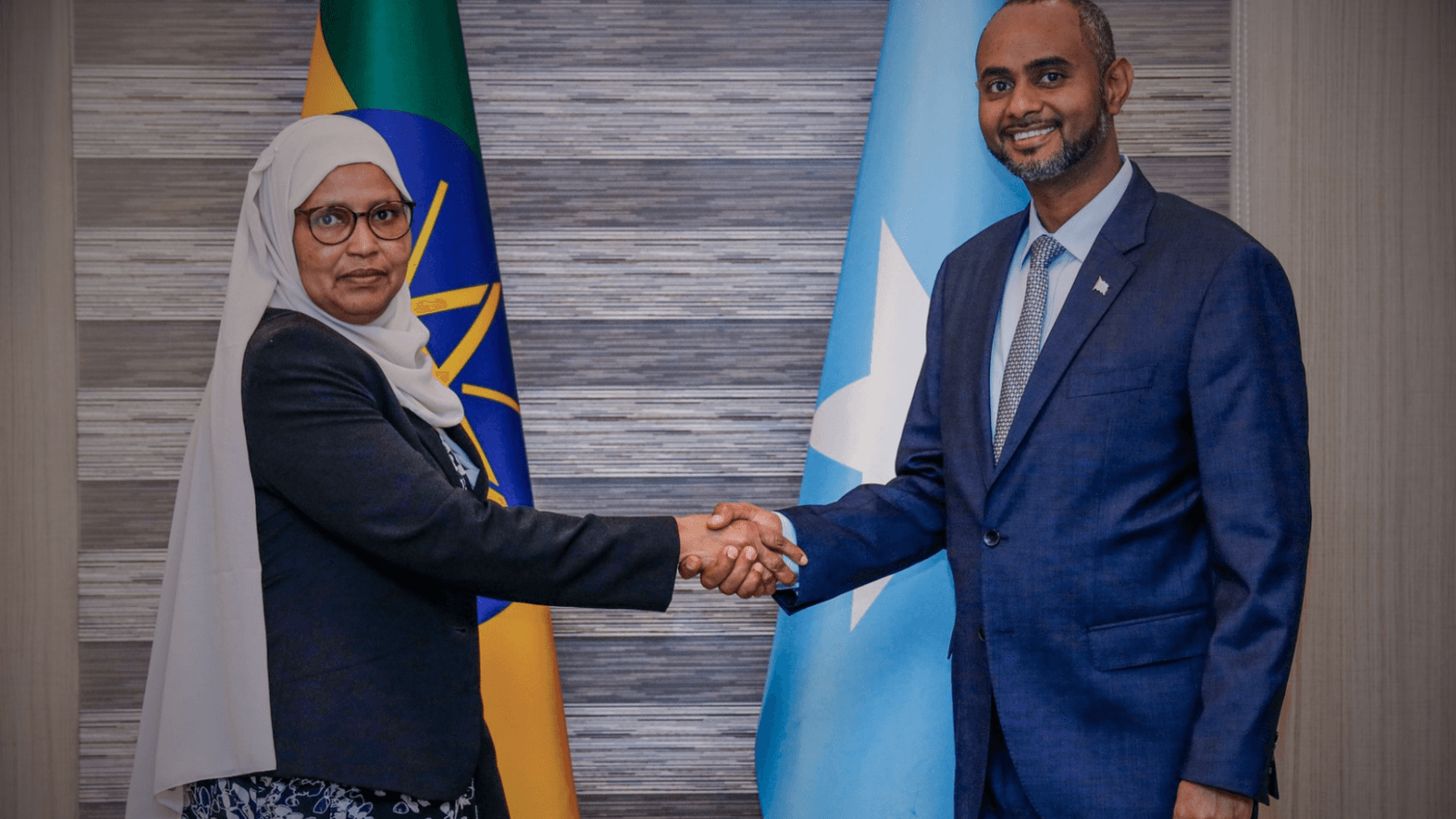
Despite the ongoing discord, Ethiopia’s Minister of Defense, H.E. Aisha Mohamed, led a high-level delegation to Mogadishu on January 3, 2025, in what appeared to be an attempt to ease tensions.
The delegation was welcomed by Somalia’s Minister of Defense, H.E. Abdulkadir Mohamed Nur. This visit followed the Ankara Declaration, a diplomatic framework aimed at fostering regional cooperation.
However, Ethiopia’s actions over the past year loomed large over the discussions, casting doubt on the sincerity of its intentions.
During the meeting, Somalia reaffirmed its commitment to honoring previous agreements while stressing the need for caution regarding Ethiopia’s involvement in regional security. Talks included Ethiopia’s interest in contributing to AUSSOM, but Somalia reiterated its firm stance against compromising its sovereignty or security.
The Somali Ministry of Foreign Affairs stressed the importance of multilateral partnerships to bolster regional stability and trust.
In an official statement, the Somali government reiterated its respect for sovereignty and territorial integrity, insisting that any collaboration must adhere to these principles.
However, the Somali government’s engagement with Ethiopia has sparked frustration among its citizens. Many Somalis hoped for a categorical rejection of Ethiopia’s involvement in AUSSOM, viewing any ambiguity as a potential threat to national security.
Critics argue that Ethiopia’s ambitions pose a clear risk to Somalia’s sovereignty, urging the government to take a stronger stance against Ethiopia’s aggressive regional aspirations.
As Somalia navigates this delicate situation, it faces mounting pressure to balance diplomacy with the protection of its national interests.
With regional stability and sovereignty at stake, the Somali people are calling for clarity and assertiveness in countering Ethiopia’s actions - a demand that underscores the importance of this issue for the nation’s future.
Related stories
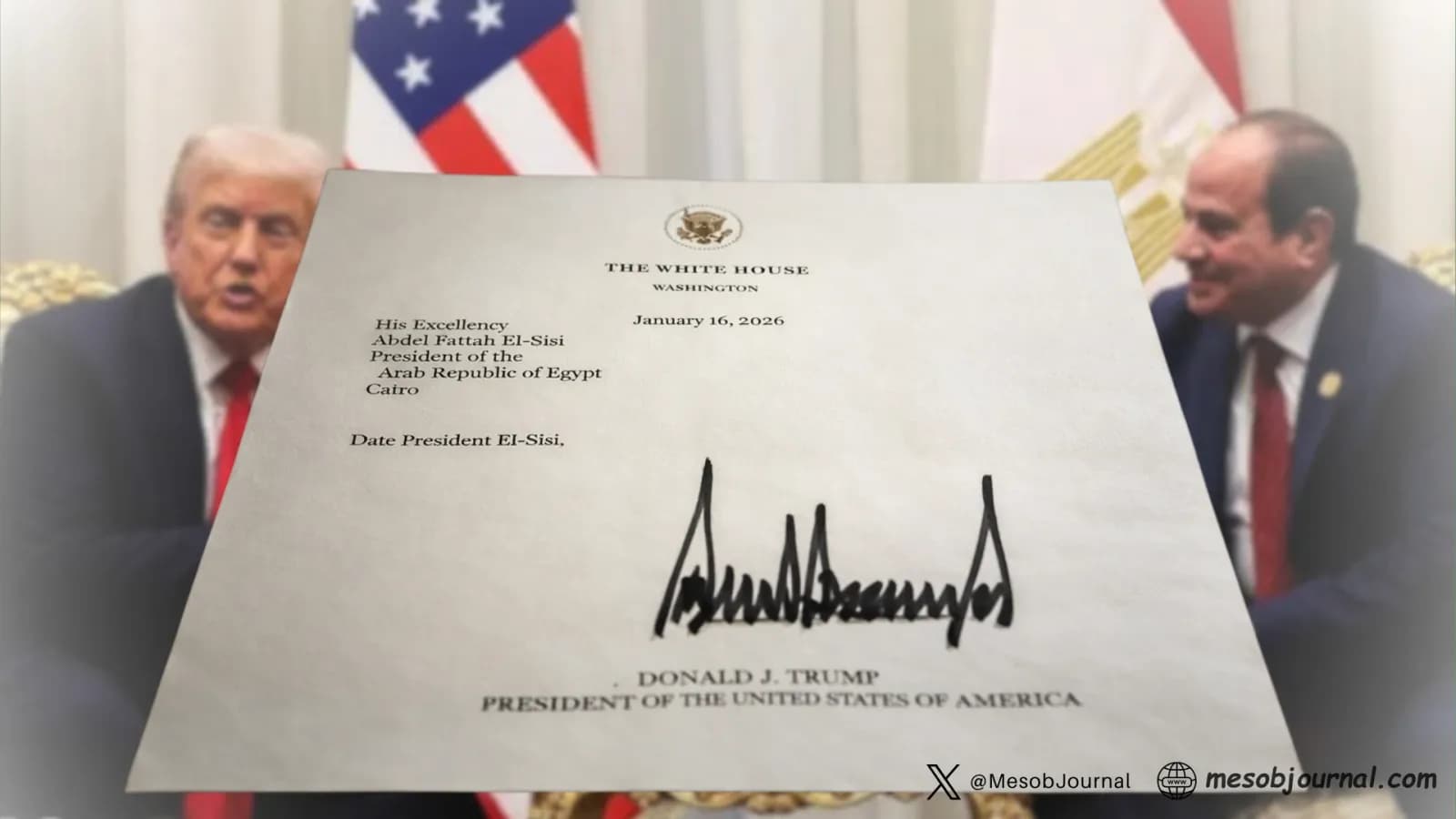
Abiy Ahmed’s Strategic Isolation Is Now in Writing
What Addis Ababa has spent two years denying is now staring it in the face—on White House letterhead. The January 16 letter from Donald Trump to Abdel Fattah el-Sisi isn’t just about mediation. It’s a signal. Clear, deliberate, and consequential. Washington is aligning itself
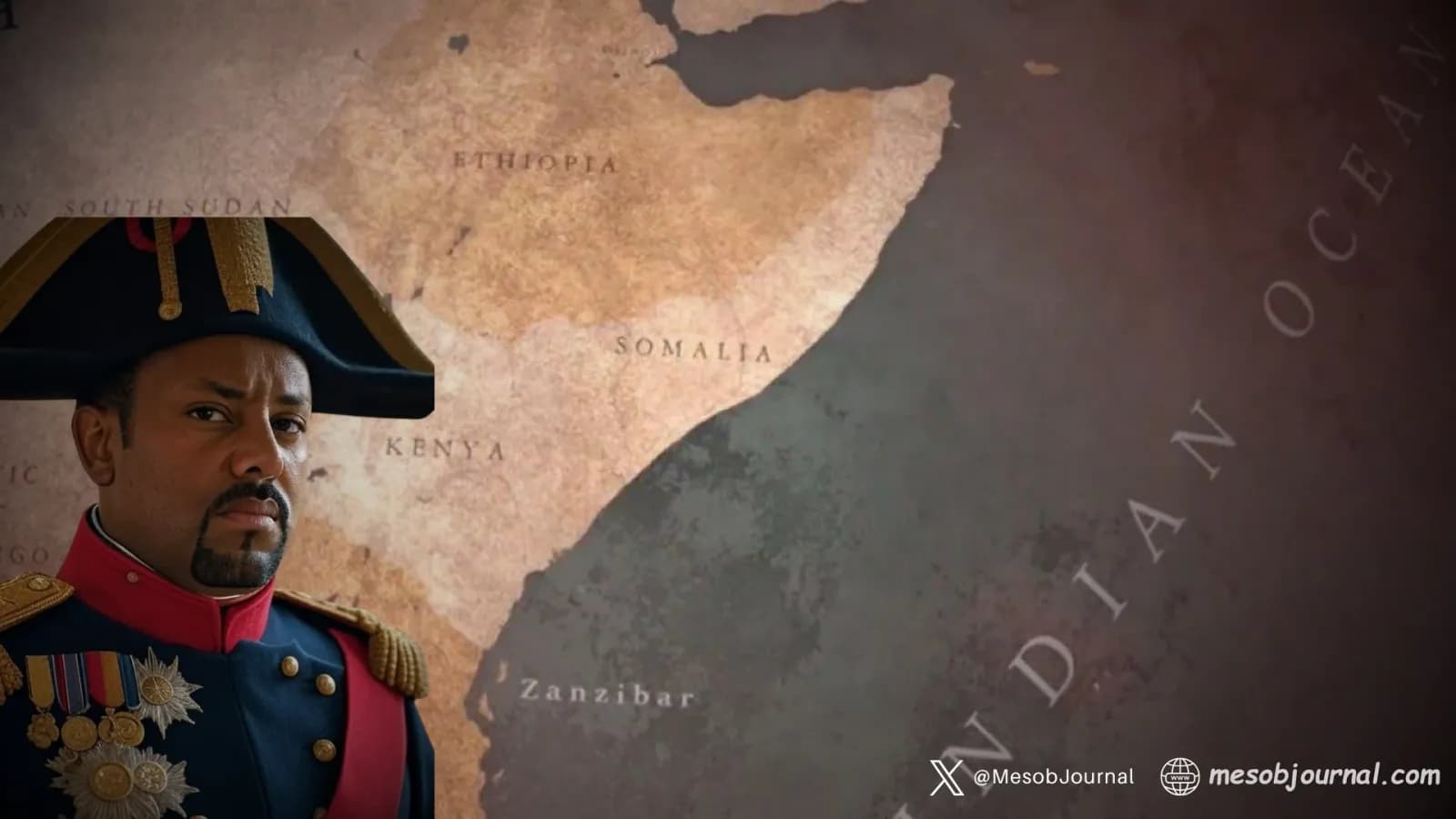
When Maps Become Messages: Ethiopia’s Dangerous Normalization of Territorial Claims
There are moments in diplomacy when silence is louder than words. And there are moments when a picture—deliberately chosen, officially circulated—does more damage than a thousand speeches. The map displayed this week in a video released by Ethiopia’s Prime Minister’s Office belon

Ethiopia on the Brink: A Humanitarian Crisis Deepened by Political Choices
The International Rescue Committee’s latest Global Humanitarian Crisis Watchlist offers a sobering snapshot of the world heading into 2026. Ethiopia now ranks among the top five most at-risk countries globally — alongside Sudan, Palestine, and South Sudan. This is not a symboli
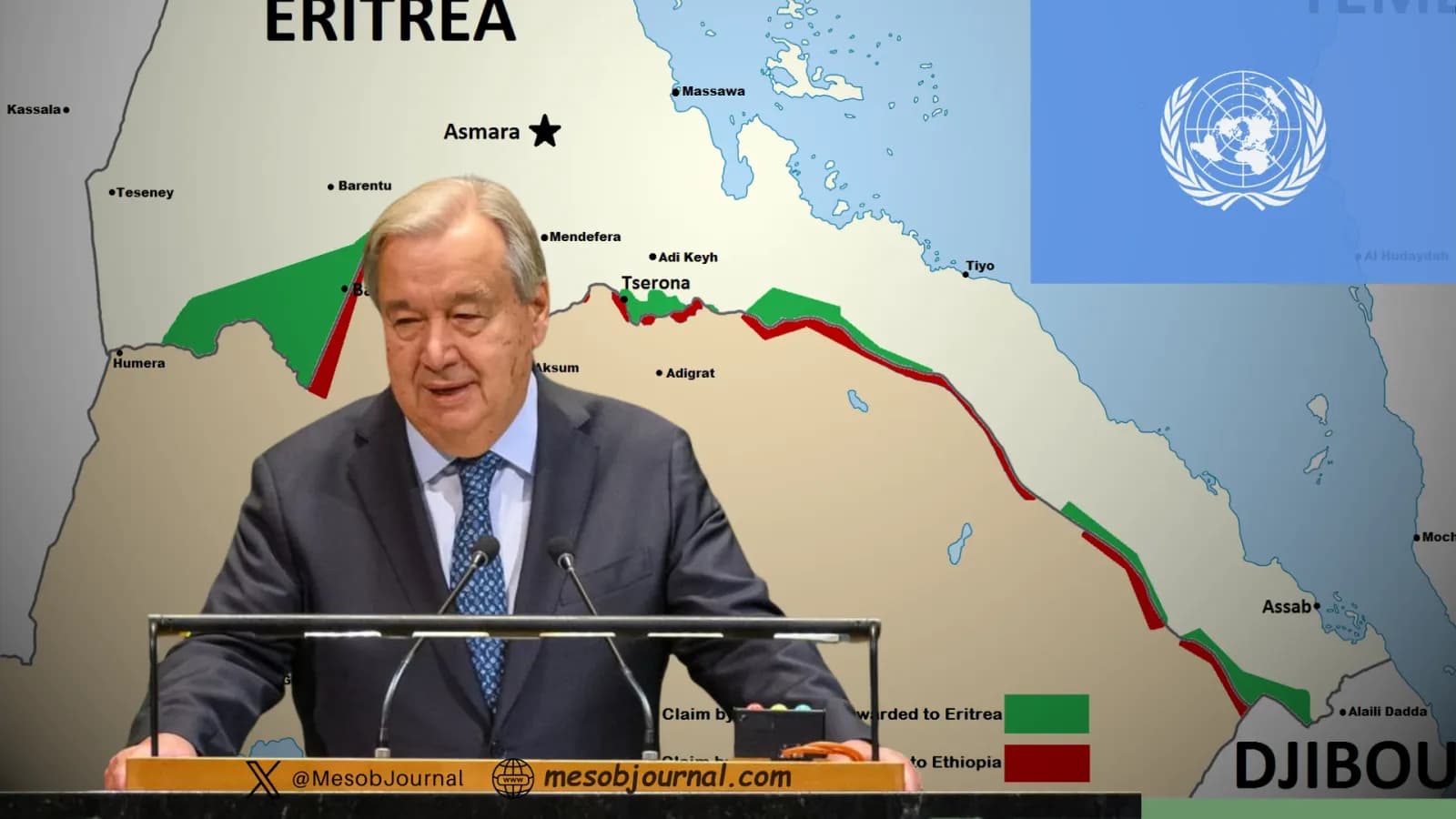
Eritrea-Ethiopia Algiers Agreement at 25: International Law Still Stands
Twenty-five years after the signing of the Algiers Agreement, the United Nations Secretary-General has once again urged Eritrea and Ethiopia to “respect the border pact.” On the surface, the message sounds balanced, even responsible. But anniversaries are not just moments for rit