

Ethiopia’s Unchecked Atrocities vs. Eritrea’s Pursuit of Justice: A Tale of International Hypocrisy
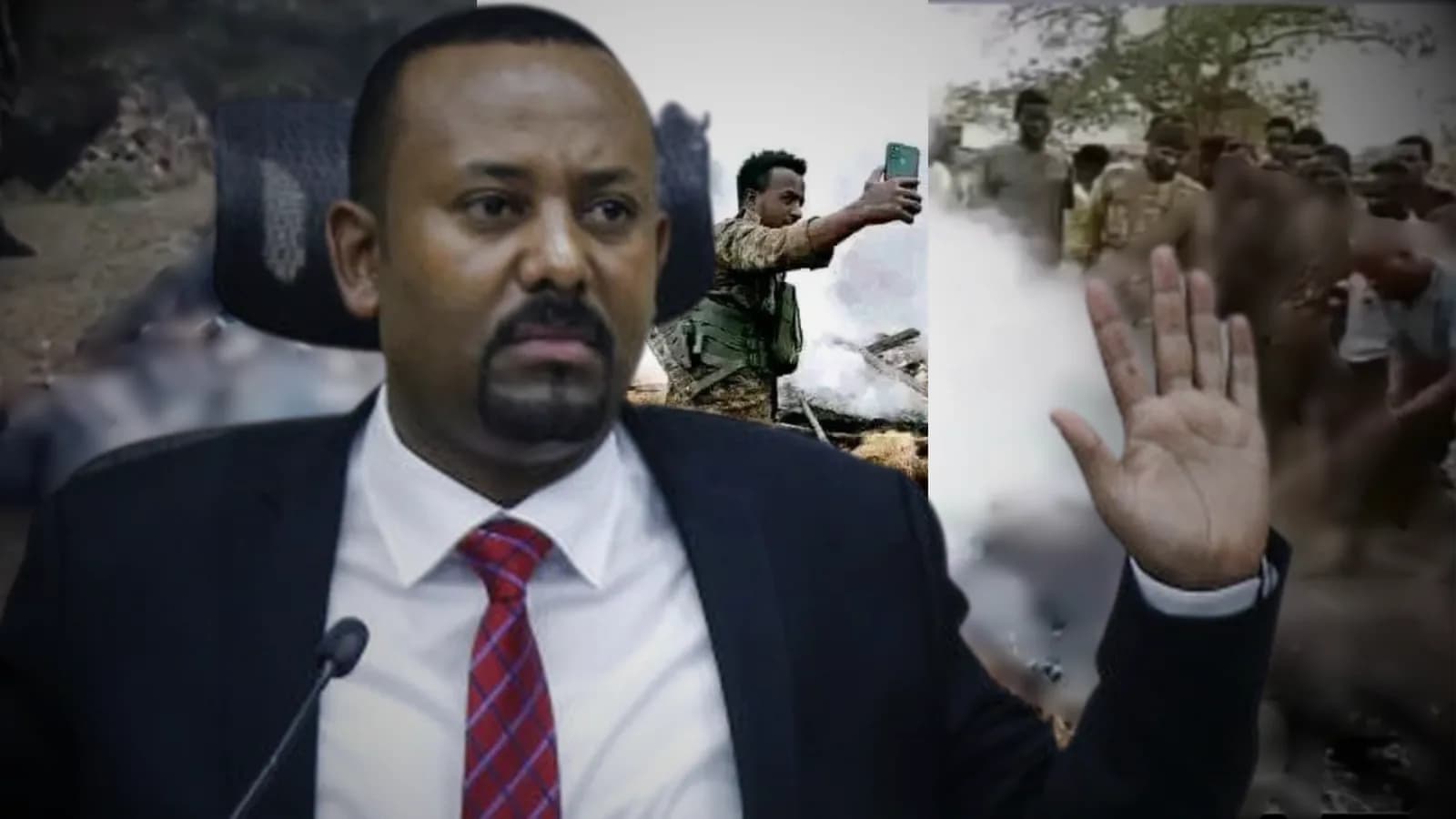
In the heart of the Horn of Africa, two neighboring nations - Ethiopia and Eritrea - find themselves at the center of an international contradiction.
Despite Ethiopia’s descent into unrestrained state-sponsored violence and mass atrocities, global institutions have remained largely silent, failing to impose meaningful accountability measures.
Meanwhile, Eritrea, a nation that has steadily prioritized human development and self-reliance, remains under the microscope of UN human rights scrutiny.
This stark disparity raises an urgent question: Why does the world selectively enforce human rights mechanisms, turning a blind eye to Ethiopia’s horrors while unfairly scrutinizing Eritrea?
Ethiopia’s Descent into Chaos: A Nation Owned by Foreign Interests
Under Prime Minister Abiy Ahmed, Ethiopia has plunged into an abyss of violence, lawlessness, and foreign economic dependency. The glossy images of newly constructed skyscrapers - projects largely funded by the UAE and France - paint a deceptive picture of progress.
In reality, Ethiopia is not a sovereign nation anymore; it is increasingly beholden to the IMF, UAE, and other foreign financiers who dictate the country’s economic policies and infrastructure priorities.
While the government parades its showcase developments, its citizens face an entirely different reality - one marred by war, displacement, starvation and brutality. Abiy Ahmed’s administration has unleashed devastating military operations against civilian populations, with countless reports of extrajudicial killings, mass arrests, and ethnic cleansing campaigns.
The social media landscape is flooded with horrifying videos of civilians being burned alive, entire villages wiped out, and summary executions carried out by security forces.
Yet, despite the undeniable scale of these atrocities, Ethiopia has not been assigned a country-specific UN special rapporteur, allowing its government to continue its violence unchecked.
African Union shielding, and strategic alliances with influential global players have effectively silenced international outcry, leaving millions of Ethiopians without recourse to justice.
Eritrea: A Beacon of Self-Reliance and Justice
Contrast this with Eritrea, a nation that has steadfastly pursued independent development, social equity, and national sovereignty despite relentless external pressures. Unlike Ethiopia, Eritrea has resisted the lure of IMF loans for decades, choosing instead to invest in human capital, healthcare, and self-sustaining economic projects.
The nation boasts one of the lowest crime rates in Africa, a robust public health system that successfully managed pandemics without reliance on foreign aid, and a disciplined economic approach that prioritizes national ownership over foreign control.
Despite these achievements, the UN has maintained a special rapporteur for Eritrea, scrutinizing its governance under the guise of human rights concerns.
The irony is striking - while Eritrea is targeted for refusing to align with Western economic dictates, Ethiopia continues to receive diplomatic cover even as its government commits the worst crimes against humanity.
The UN’s Double Standards: Justice for Some, Immunity for Others
The United Nations and the broader international community’s handling of these two nations exposes a troubling reality: human rights enforcement is often dictated by political and economic interests rather than moral imperatives.
Ethiopia’s atrocities have been met with complete silence from the international community, while Eritrea, despite its efforts to build a resilient and self-reliant society, is persistently vilified.
This politically motivated selective outrage not only undermines the credibility of global institutions but also emboldens oppressive regimes like Abiy Ahmed’s to continue their reign of terror.
If the UN and human rights bodies are to remain relevant, they must abandon their geopolitical biases and apply accountability measures uniformly and fairly. Ethiopia, as a country currently engulfed in state-led mass killings and foreign economic servitude, should be the primary subject of international scrutiny - not Eritrea.
The Path Forward: Demand for Accountability
The world can no longer afford to ignore Ethiopia’s atrocities. It is imperative that the UN immediately:
- Advocate for independent human rights investigations in Ethiopia without relying on biased country-specific special rapporteurs.
- Impose targeted sanctions on Ethiopian officials involved in human rights violations.
- Cut off financial aid and loans that indirectly fund government-led violence.
- Support independent investigations into the mass killings and war crimes committed under Abiy Ahmed’s administration.
- Refer Abiy Ahmed and responsible officials to the International Criminal Court (ICC) for crimes against humanity and war crimes.
For too long, political convenience has overridden moral responsibility. It is time to rectify this imbalance and ensure that Ethiopia is held to the same standards that have been unjustly imposed on Eritrea. The Ethiopian people deserve justice, not silence.
Related stories
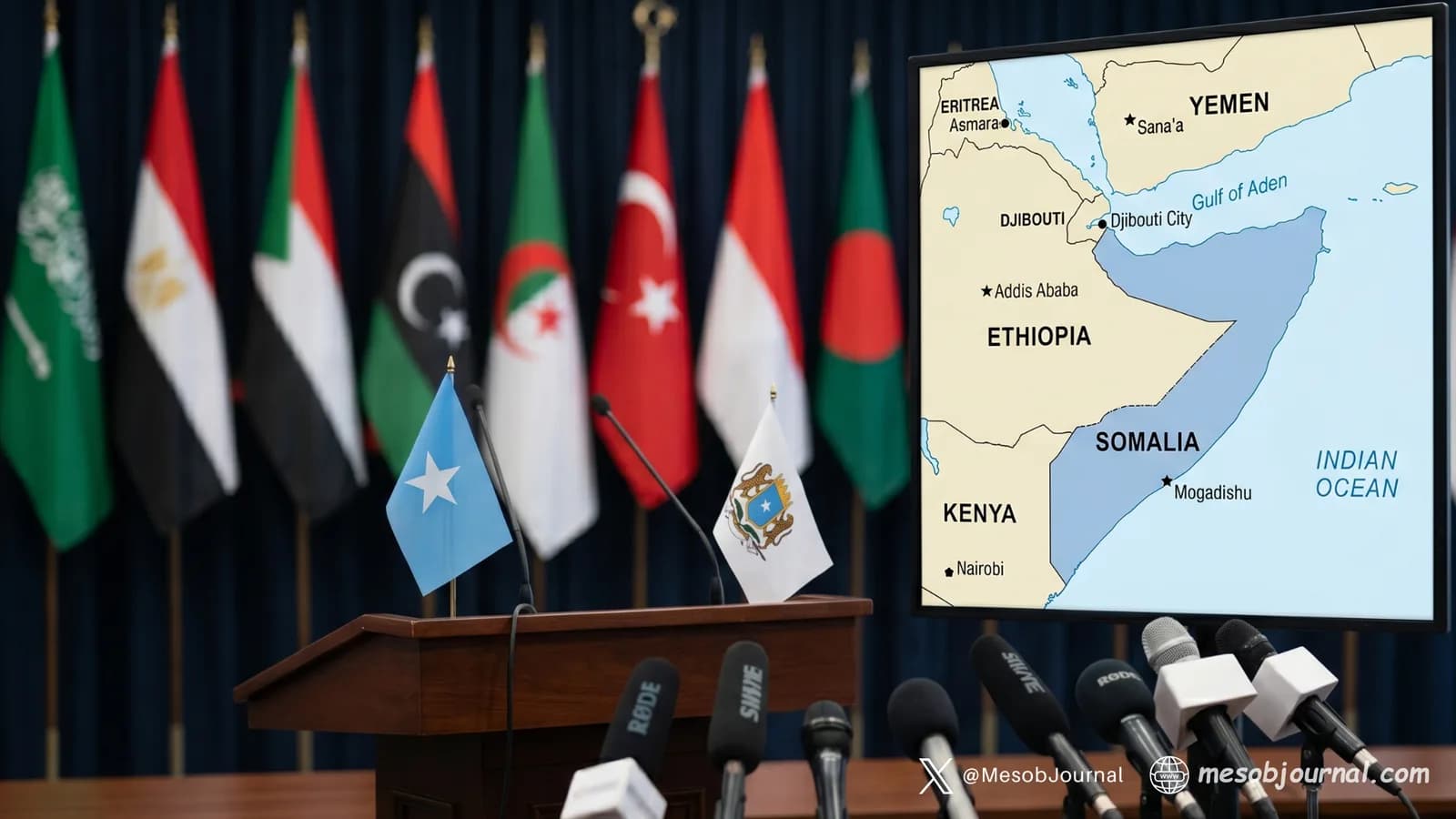
Arab, African and Asian States Reject Israel Move Against Somalia
Israel’s decision to deepen formal ties with Somaliland has triggered exactly the kind of regional backlash it should have expected. Somalia has rejected the move as an assault on its sovereignty, while a joint statement by the foreign ministers of Saudi Arabia, Egypt, Somalia, S
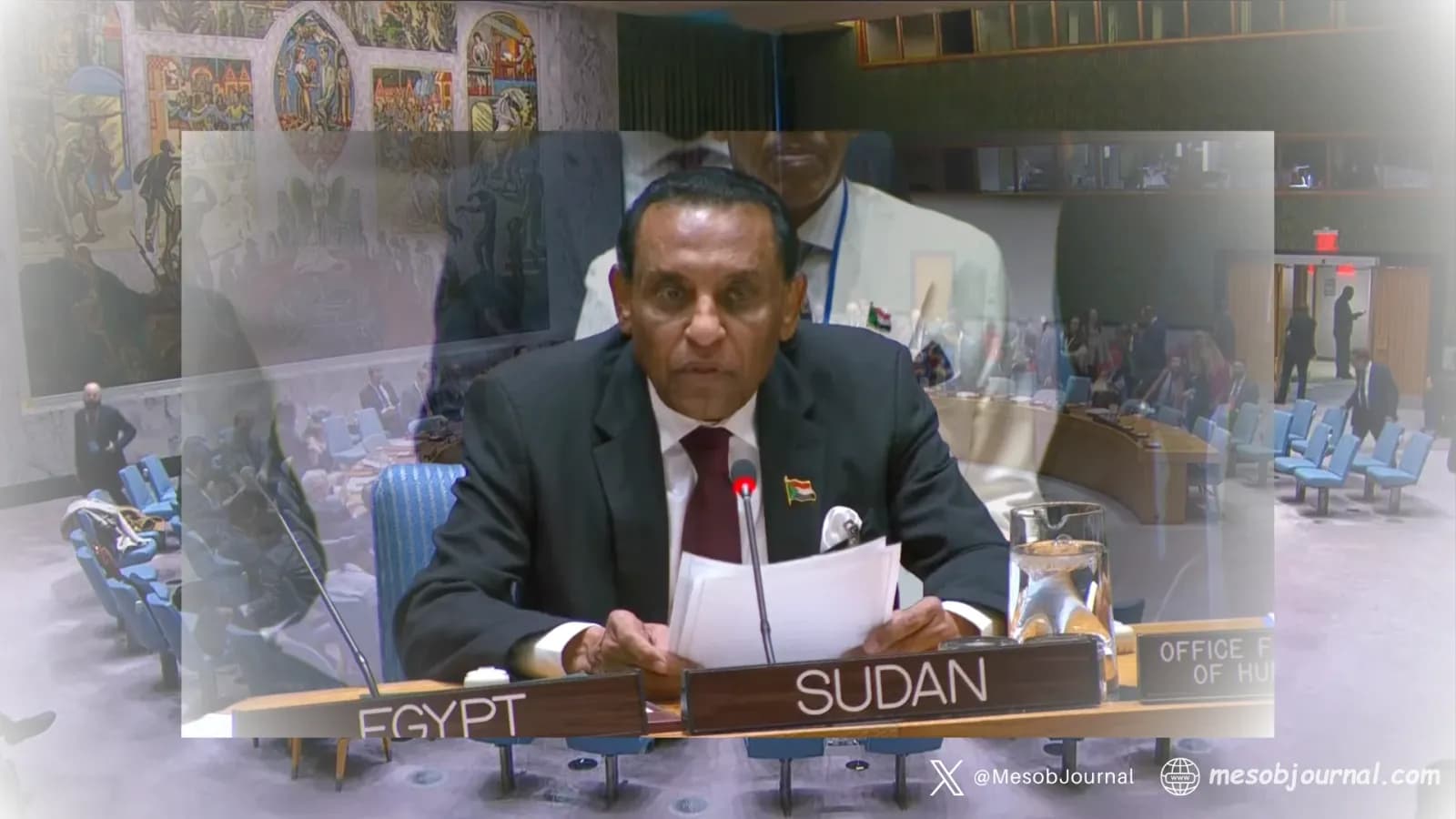
Sudan Rejects Berlin Conference, Says Outcomes Are Non-Binding
Sudan’s government has formally rejected the Berlin conference on Sudan, with Prime Minister Kamil Idris saying the meeting and its outcomes “do not concern” the Sudanese people or government because Khartoum was excluded from participation. In remarks published by the Sudanese e
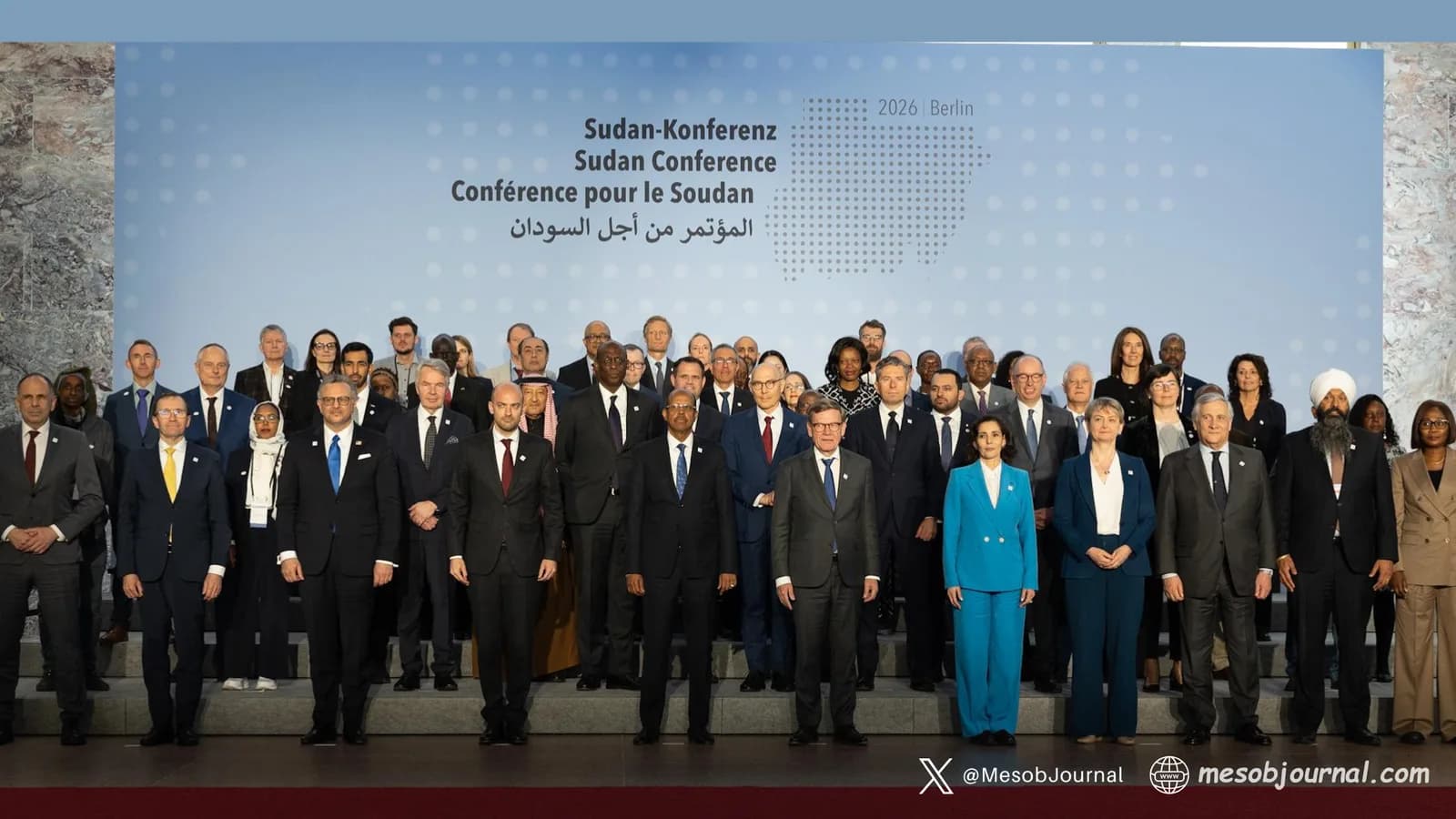
Berlin’s Sudan Conference Reeked of Colonial Tutelage
There was something deeply revealing about the Sudan conference staged in Berlin this week. It was presented as diplomacy. It was marketed as concern. It was wrapped in the language of humanitarian urgency and civilian-centered politics. But strip away the polished statements and
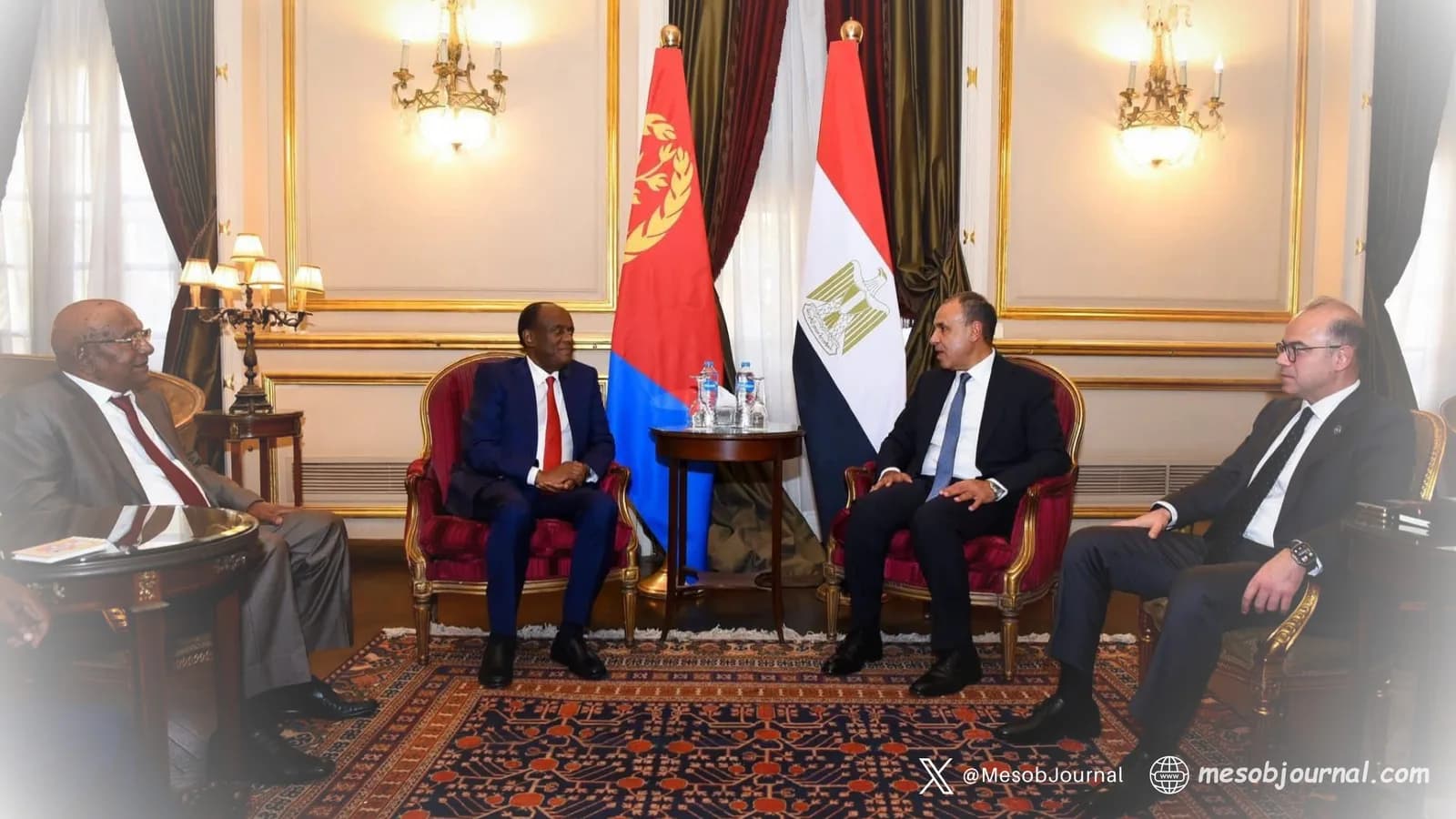
Cairo, Asmara Align on Trade and Red Sea Security
Egypt and Eritrea moved to deepen economic cooperation during high-level talks in Cairo on Monday, while also aligning on key regional issues including Sudan’s territorial integrity and Red Sea security. Egypt’s official readout said the meeting focused on trade, investment, indu