

EU–Egypt Partnership Exposes Ethiopia’s Diplomatic Isolation
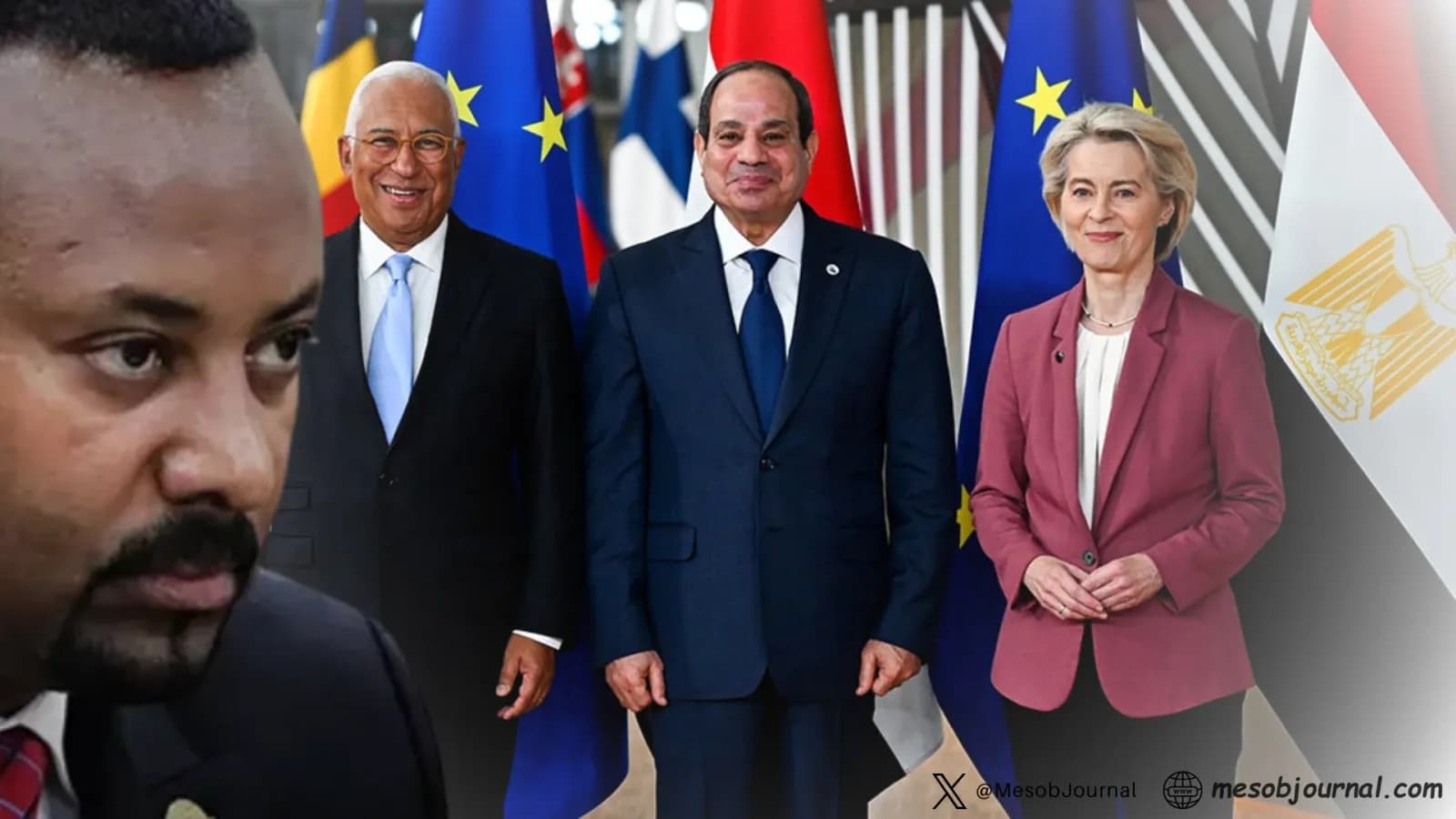
Two documents released within twenty-four hours — one from Brussels, the other from Addis Ababa’s mission to the EU — capture a widening rift in Nile and Horn-of-Africa diplomacy.
On 22 October, the European Union and Egypt issued a Joint Statement elevating their cooperation to a strategic partnership. A day later, the Ethiopian Embassy in Brussels released a protest note, accusing the EU of “bias” and “echoing Egypt’s colonial-era positions.”
Two languages, two worldviews
The EU–Egypt statement reads like structured diplomacy: measured, multi-sectoral, and legally framed. It affirms Cairo’s role in regional stability, pledges €7.4 billion in financial assistance, and commits to cooperation on energy, migration, and maritime security.
It also recognizes “Egypt’s water security” and the need for transboundary coordination on the Nile “in accordance with international law and the principles of cooperation and do-no-harm.”
Ethiopia’s communiqué, by contrast, was defensive and accusatory. It rejected any external reference to the Nile as “infringement on sovereignty,” denounced Europe’s “interference,” and restated that the Grand Ethiopian Renaissance Dam (GERD) would continue “without permission or limitation.”
Absent were terms like cooperation, notification, or shared responsibility — language common to basin diplomacy and international water law.
A reflection of isolation
The contrast goes beyond tone. Ethiopia’s reaction underscores how far it has drifted from both African and international consensus.
While Egypt has secured recognition from Brussels, Khartoum remains paralyzed by civil war, and the African Union still calls for negotiated restraint, Addis Ababa continues to pursue unilateral projects along the Blue Nile.
European officials privately describe that approach as “unpredictable,” a word that now shadows Ethiopia’s external image as much as its internal fragmentation.
Red Sea stability: the other subtext
Though the dispute centers on the Nile, the EU–Egypt declaration also expands cooperation on the Red Sea, citing freedom of navigation and ongoing EU naval missions.
That aligns with Egypt’s long-standing coordination with Eritrea, which shares Cairo’s view that coastal security must remain under coastal control.
By strengthening Egypt’s role, the EU indirectly reinforces this regional logic — one that sidelines Ethiopia’s recurring rhetoric about “access to the sea.”
Diplomacy versus defiance
At its core, the divergence between Brussels and Addis Ababa is not about geography but about governance.
Europe rewarded predictability: Egypt offers institutional discipline, treaty compliance, and stable coastlines. Ethiopia, mired in political unrest and open defiance of basin frameworks, offers volatility.
In that context, the EU’s preference was not moral but practical — and Addis Ababa’s protest reads less like a defense of sovereignty and more like a reflex of diplomatic marginalization.
The emerging order
The October 2025 documents confirm a regional pattern already visible on the ground:
- Egypt consolidating partnerships built on legality and stability.
- Eritrea sustaining a quiet but credible coastal security posture.
- Ethiopia standing increasingly alone, arguing with everyone and aligning with no one.
History rarely changes through press releases — but this week, two did.
Related stories
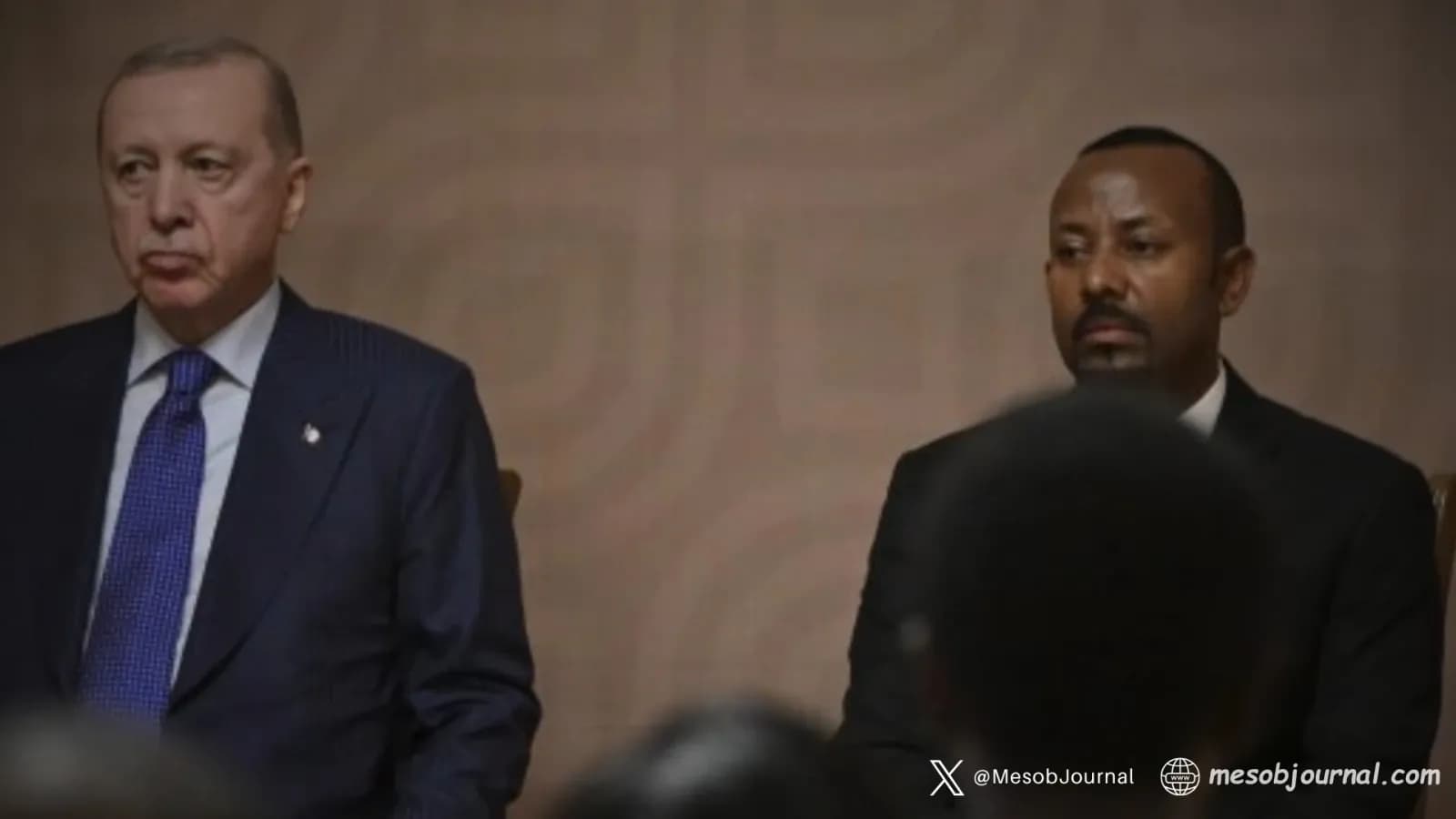
Erdogan in Addis: sovereignty first as Abiy beats sea-access drum
Abiy Ahmed tried to stage the usual Addis photo-op when Turkey’s President Recep Tayyip Erdoğan arrived. But the camera caught something different: a stiff, guarded prime minister sitting beside a visitor who didn’t look like he came for flattery. What played out at the joint app
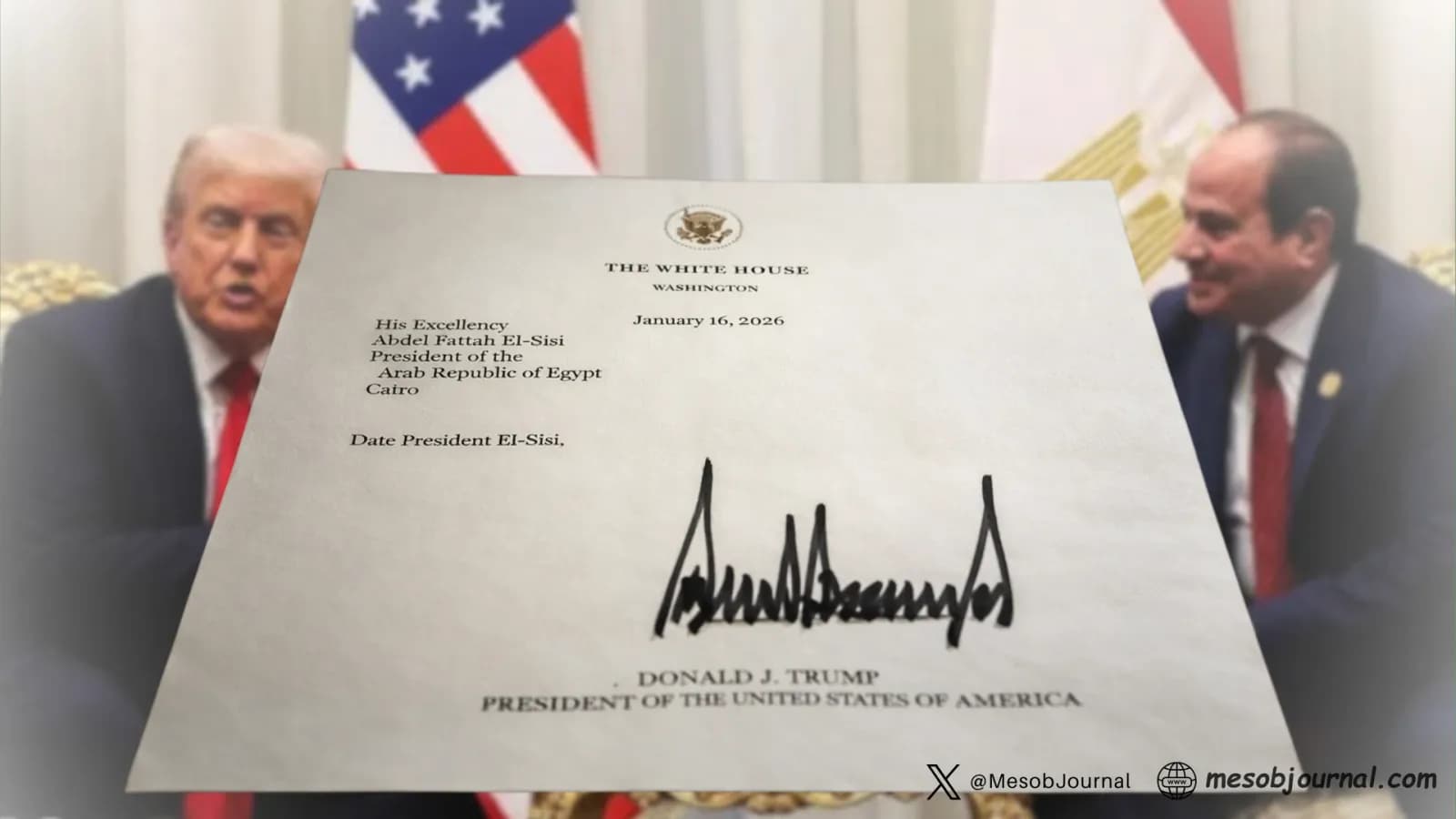
Abiy Ahmed’s Strategic Isolation Is Now in Writing
What Addis Ababa has spent two years denying is now staring it in the face—on White House letterhead. The January 16 letter from Donald Trump to Abdel Fattah el-Sisi isn’t just about mediation. It’s a signal. Clear, deliberate, and consequential. Washington is aligning itself
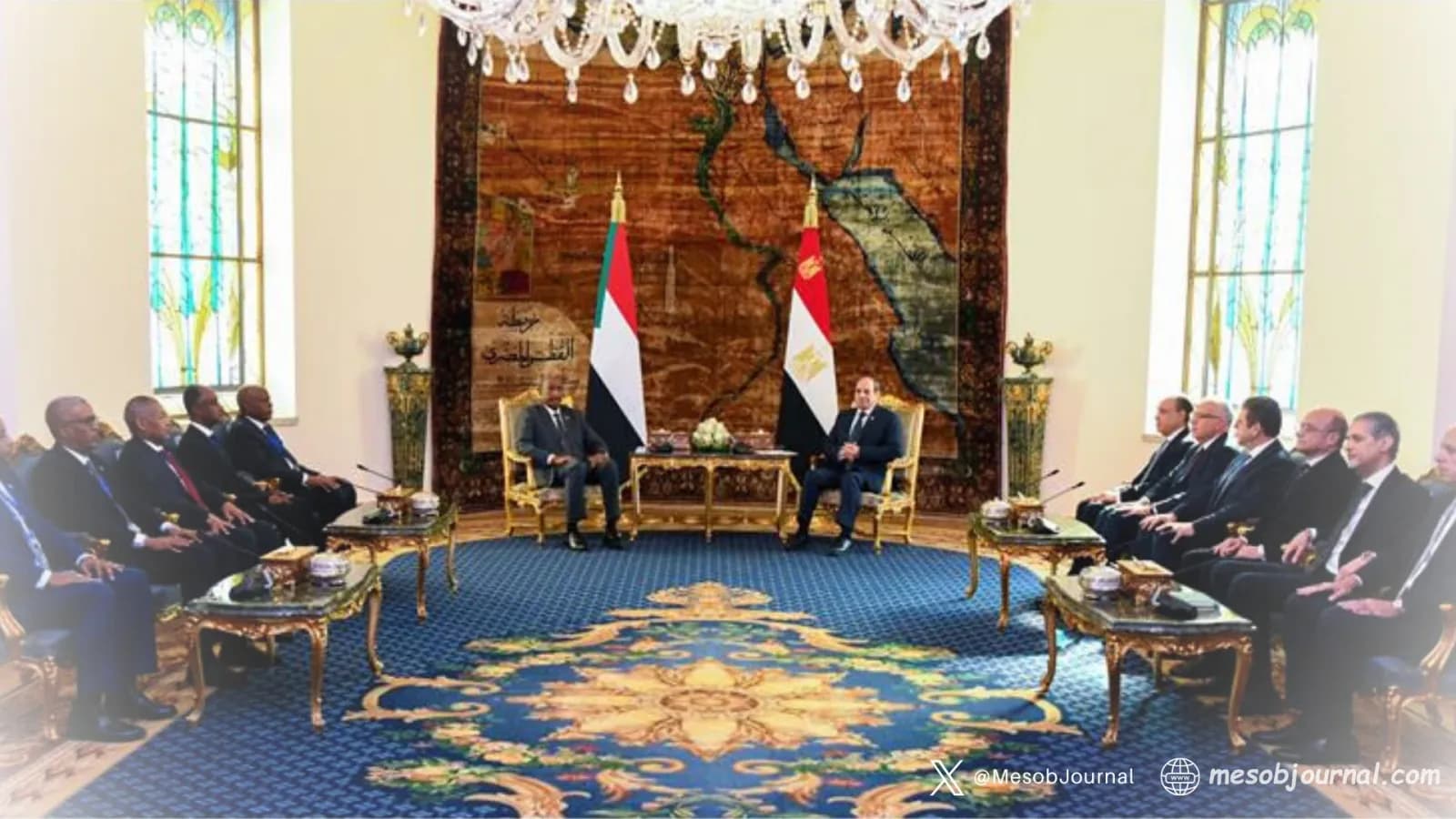
Egypt: Cairo Draws Clear Red Lines as Sudan’s War Tightens Its Grip
Cairo didn’t dress it up in diplomatic fluff. In a sharply worded statement issued during General Abdel Fattah al-Burhan’s one-day visit, Egypt’s presidency laid out a position that is as much about Sudan’s survival as it is about Egypt’s own security. The message was blunt: Suda
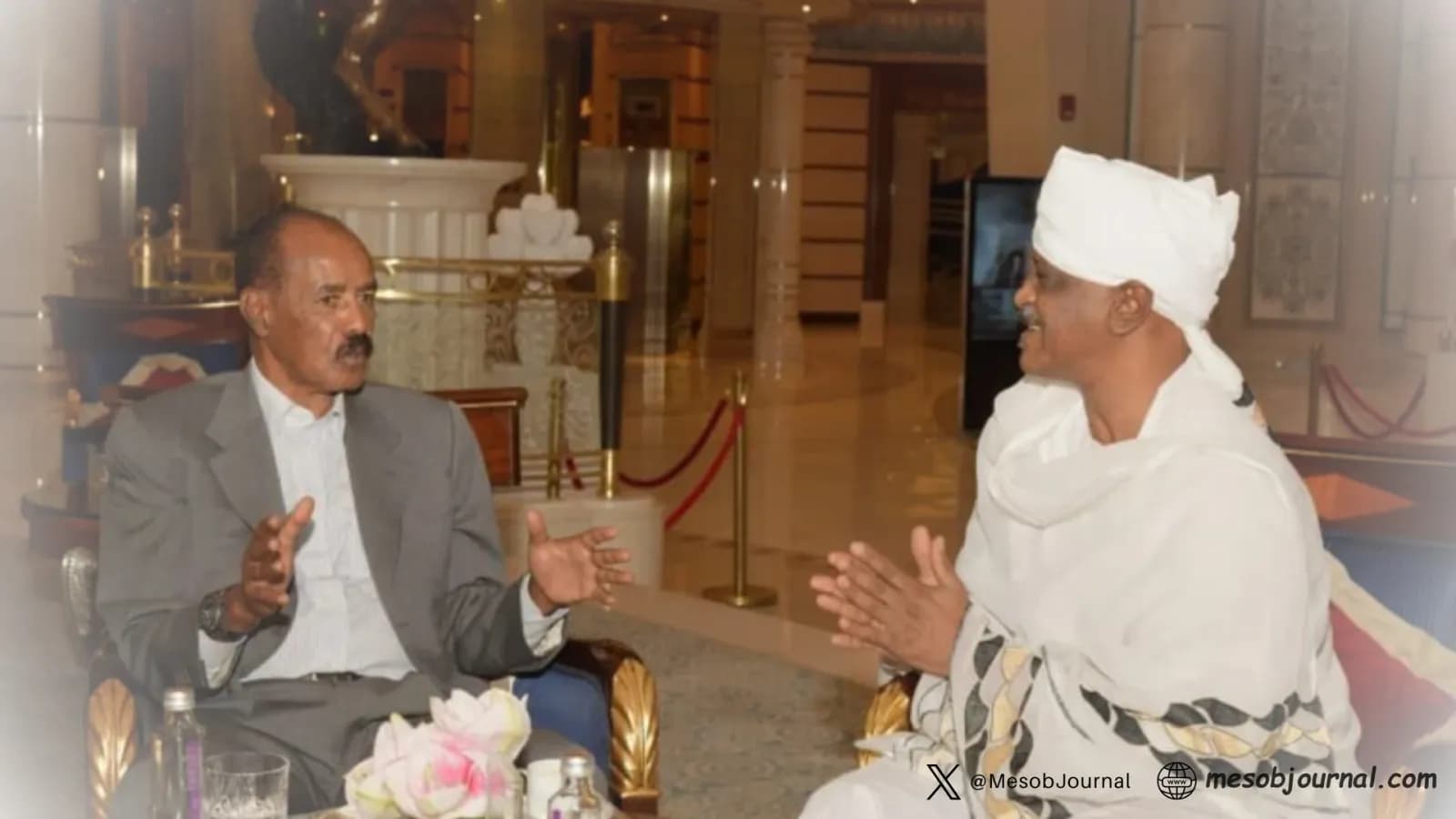
President Isaias Afwerki: Ending Sudan War Requires Cutting RSF Supply Lines
Eritrean President Isaias Afwerki has said that any serious effort to end the war in Sudan must begin with cutting off the supply routes that continue to arm and sustain the Rapid Support Forces (RSF), warning that calls for ceasefires are meaningless while weapons and mercenarie