

Bosaso Airbridge: The Shadow Route Feeding Sudan’s War
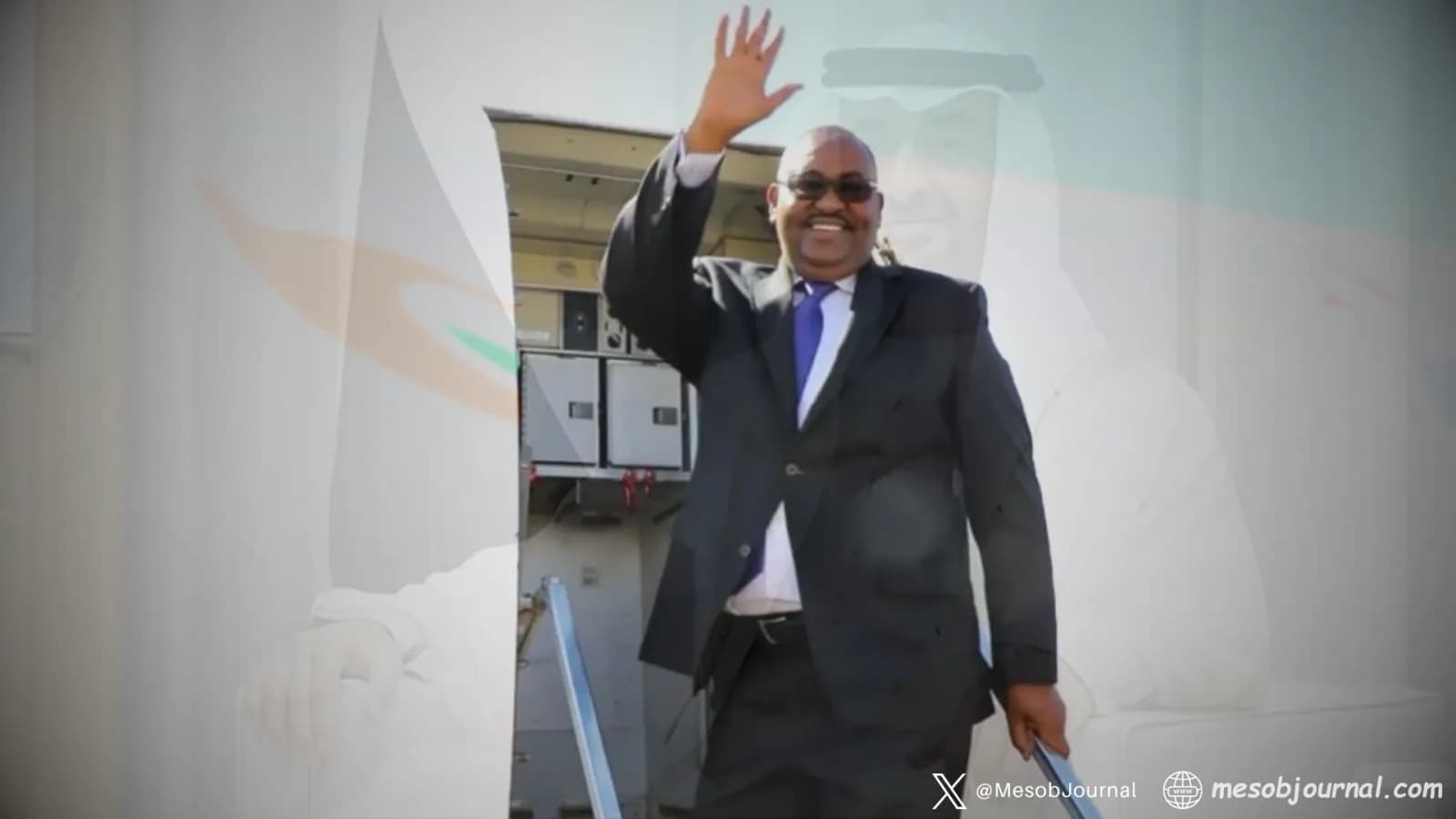
Somalia’s Defence Minister Ahmed Moalim Fiqi has confirmed that aircraft are departing from Bosaso Airport in Puntland bound for Sudan, Chad, and Niger, a disclosure that adds weight to mounting evidence of covert operations feeding the Sudan conflict.
Addressing Somalia’s Upper House of Parliament, Minister Fiqi said:
“The Somali people know there are planes departing from Bosaso Airport bound for Sudan. However, we do not know what they transport or who operates them.”
While Mogadishu denies any federal involvement, officials and regional observers allege that Puntland’s administration, led by President Said Abdullahi Deni, has facilitated the flights through arrangements with UAE-linked operators. Sources within the Somali security establishment describe Bosaso as an “autonomous air corridor,” beyond the control of the federal government and operating under commercial and political patronage from the Gulf.
Analysts believe these flights form part of a logistics chain supplying the Rapid Support Forces (RSF) in Sudan, reinforcing long-standing accusations that the UAE’s network of private contractors and intermediaries is sustaining the RSF’s war effort. The routes reportedly channel personnel and matériel through Bosaso to western Sudan via Chad and Niger — a triangle increasingly critical to RSF resupply.
For Eritrea, the implications reach far beyond Sudan. In a recent interview with Egyptian media, President Isaias Afwerki warned:
“The issue in Sudan is not Al-Fashir or any single city — Sudan itself is being targeted. If Sudan is unstable, the Red Sea will not be stable. The Horn of Africa will not be stable.”
“Foreign interference must end first. That is the starting point for peace in Sudan.”
His remarks echo Eritrea’s long-standing call for regional self-determination, warning that every proxy route — from Bosaso to Darfur — chips away at the Horn’s sovereignty and unity.
What the Bosaso case exposes is more than a trafficking route; it is the anatomy of a proxy corridor running through Somali territory without Mogadishu’s consent. It blurs the line between state and sub-state actors, between local profit and regional destabilization.
As the Red Sea basin faces escalating tensions, the Bosaso-Sudan connection stands as a stark reminder of how easily the Horn’s fragmented governance can be exploited for foreign agendas. Unless regional capitals move to assert collective oversight and close the gateways of interference, the crisis in Sudan will continue bleeding into the Horn — and through it, the Red Sea itself.
Related stories
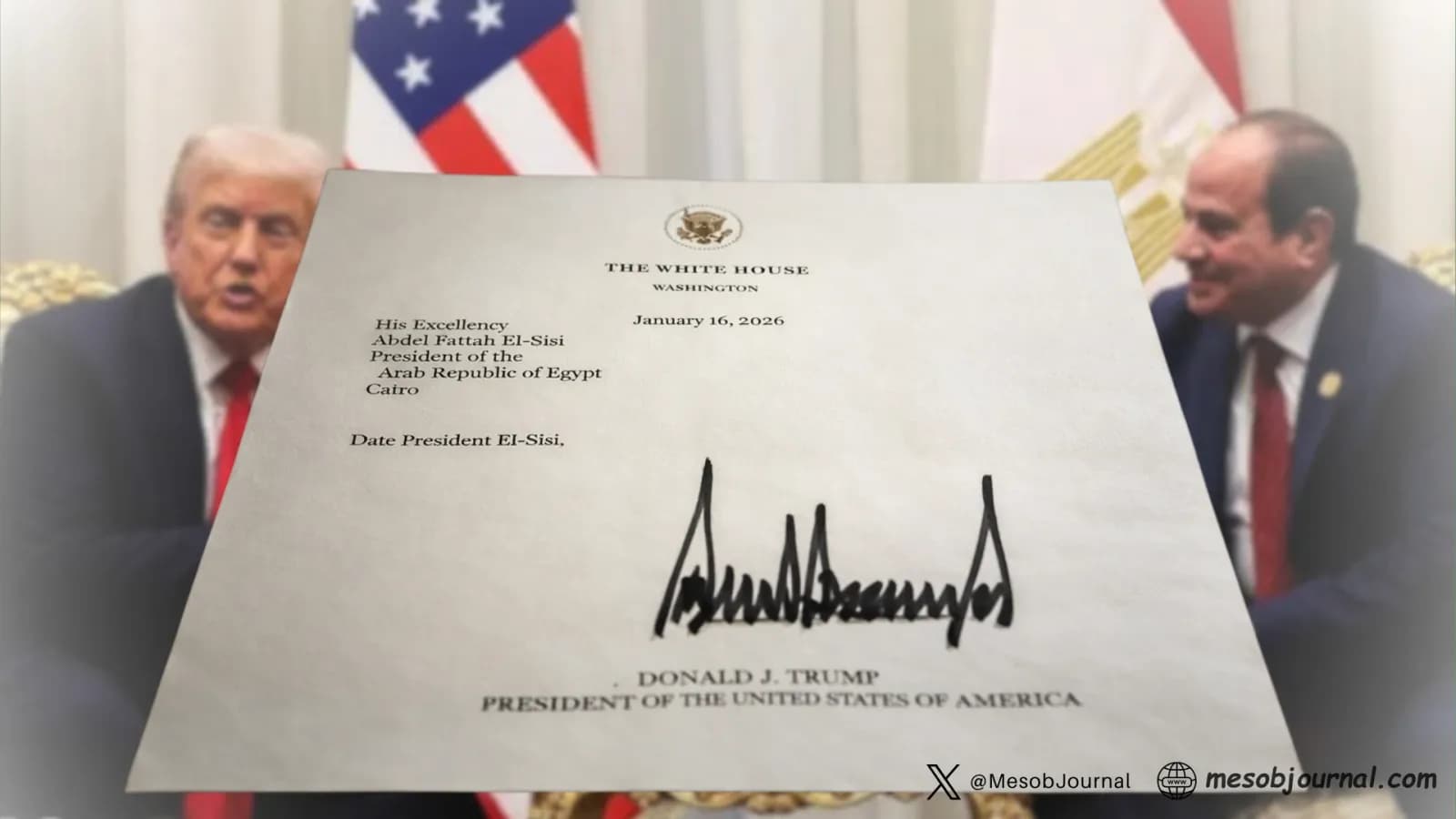
Abiy Ahmed’s Strategic Isolation Is Now in Writing
What Addis Ababa has spent two years denying is now staring it in the face—on White House letterhead. The January 16 letter from Donald Trump to Abdel Fattah el-Sisi isn’t just about mediation. It’s a signal. Clear, deliberate, and consequential. Washington is aligning itself
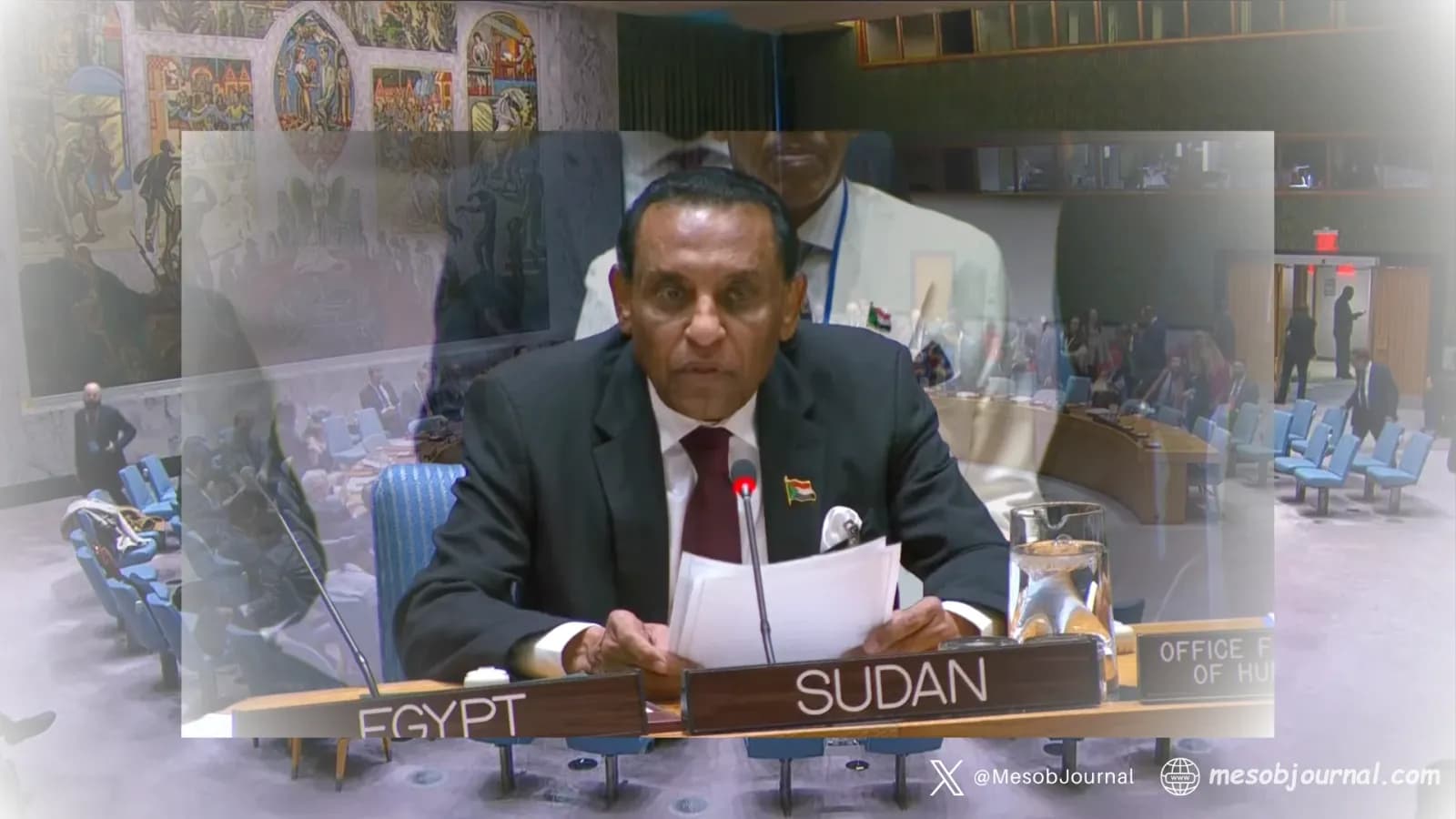
Sudan at the Crossroads: A Peace Initiative Rooted in Accountability, Not Illusions
Sudan is not asking the world for sympathy. It is asking for seriousness. That message came through clearly at the United Nations on Monday, as Sudan’s Prime Minister laid out a peace initiative framed not as a pause in violence, but as a realistic, enforceable exit from war . I
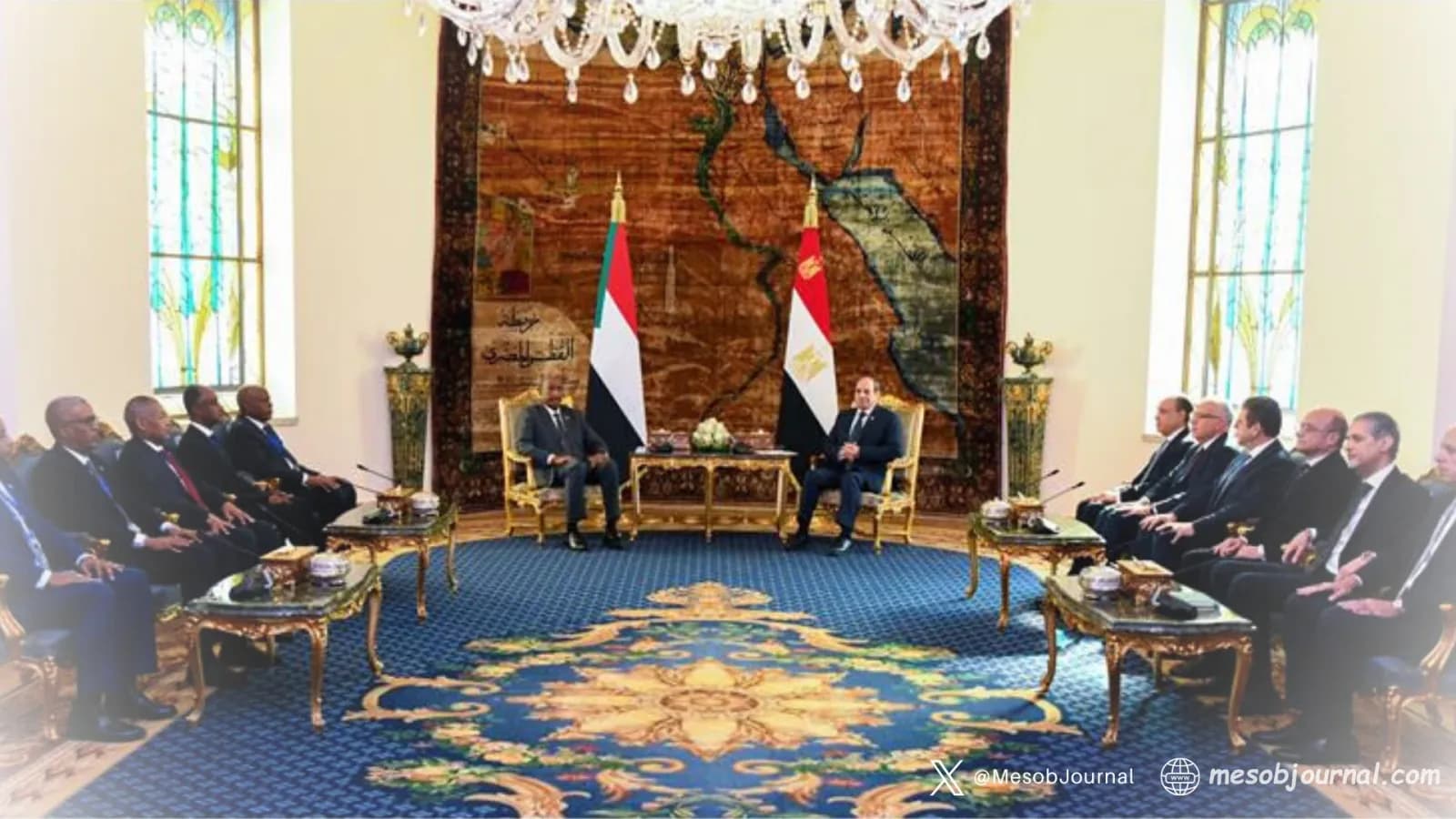
Egypt: Cairo Draws Clear Red Lines as Sudan’s War Tightens Its Grip
Cairo didn’t dress it up in diplomatic fluff. In a sharply worded statement issued during General Abdel Fattah al-Burhan’s one-day visit, Egypt’s presidency laid out a position that is as much about Sudan’s survival as it is about Egypt’s own security. The message was blunt: Suda
President Isaias Afwerki: Ending Sudan War Requires Cutting RSF Supply Lines
Eritrean President Isaias Afwerki has said that any serious effort to end the war in Sudan must begin with cutting off the supply routes that continue to arm and sustain the Rapid Support Forces (RSF), warning that calls for ceasefires are meaningless while weapons and mercenarie