

Security Council Backs New African Union Mission in Somalia - Egypt in, Ethiopia out
The United Nations Security Council adopted Resolution 2767 (2024) today, endorsing the establishment of the African Union Support and Stabilisation Mission in Somalia (AUSSOM).
The mission will succeed the African Union Transition Mission in Somalia (ATMIS) on January 1, 2025, reflecting a critical step in Somalia's progressive assumption of national security responsibilities.
The resolution was adopted with 14 votes in favor and one abstention from the United States. The Council authorized African Union member states to deploy up to 12,626 personnel, including 1,040 police, to AUSSOM.
This transition supports the Federal Government of Somalia's efforts to degrade Al-Shabaab and affiliated extremist groups. The operation will also be financed through a hybrid model combining UN assessed contributions and African Union-led fundraising, contingent on further Council approval by May 15, 2025.
Ethiopian Claims and Somalia's Response
Ethiopia, in a lengthy address to the Council, raised alarm over what it described as Al-Shabaab's growing organizational capabilities and alliances with ISIS. Ethiopian representatives urged sustained international and regional support, stressing their nation's role in combating terrorism in Somalia and portraying their efforts as indispensable to the region's stability.
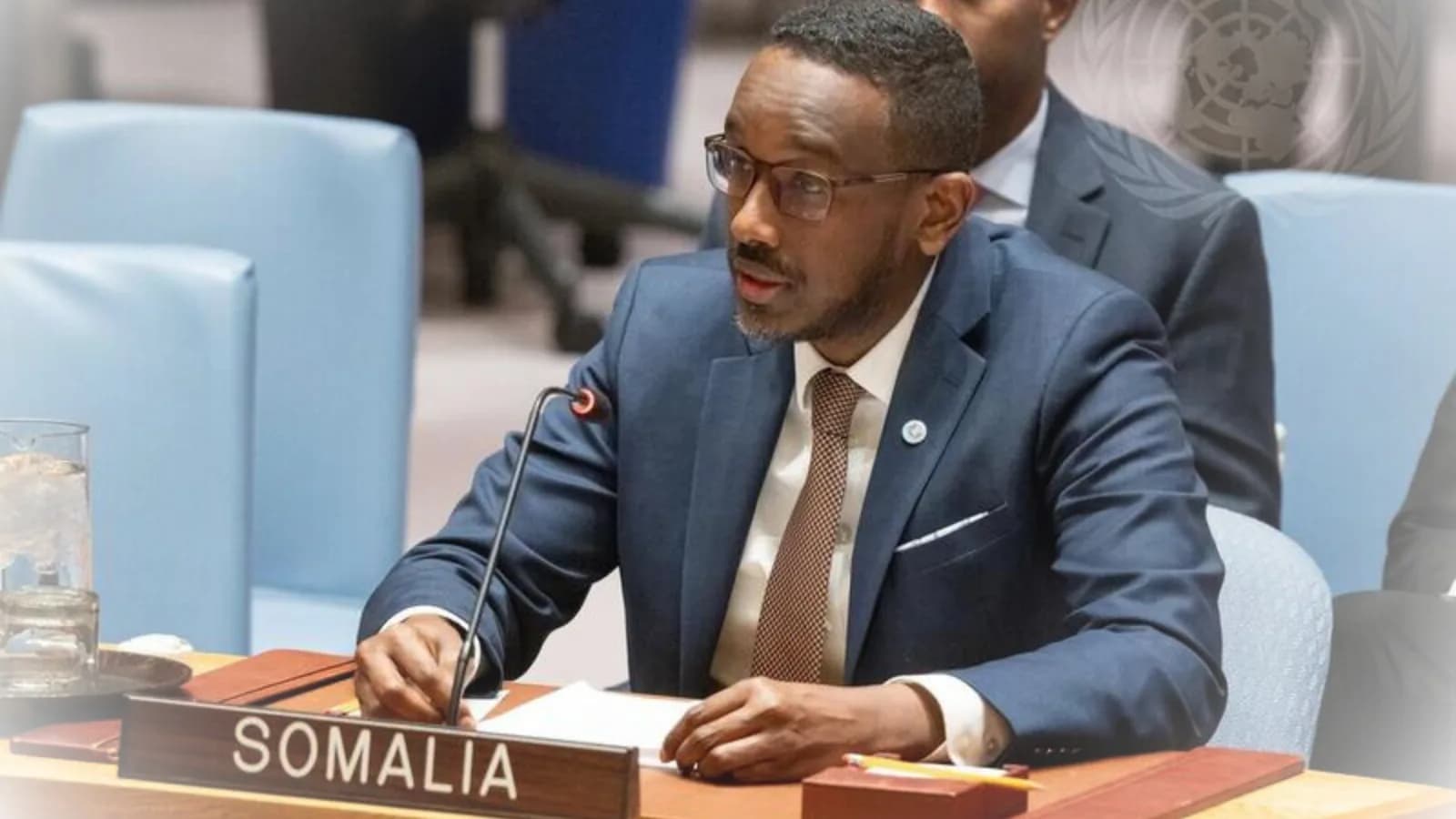
However, Somalia's Deputy Permanent Representative to the UN, Mohamed Rabi A. Yusuf, challenged Ethiopia's narrative and actions over the past year.
"Due to documented actions of Ethiopia in Somalia over the past 11 months, the Federal Government of Somalia has undertaken a comprehensive review of its security arrangements," Yusuf stated.
He underscored that Somalia’s security will be safeguarded by robust commitments from troop-contributing countries other than Ethiopia, ensuring no vacuum in the fight against Al-Shabaab.
Mr. Yusuf further reaffirmed Somalia’s intent to pursue future security partnerships aligned with its national and regional interests.
The Road Ahead for Somalia
Despite Ethiopia's contentious claims, Somalia has made strides in preparing its security forces to assume greater responsibilities. Since 2022, Somali forces have successfully taken over roles from 7,000 ATMIS personnel, a testament to their growing capability.
The new mission, AUSSOM, aims to build on these achievements while fostering greater Somali-led security autonomy.
As the transition unfolds, Somalia’s leadership remains committed to strengthening its sovereignty and ensuring that international security partnerships align with its aspirations for long-term peace and stability.
The Security Council’s decision is a pivotal step in supporting Somalia's journey toward self-reliance and resilience against extremist threats.
Related stories
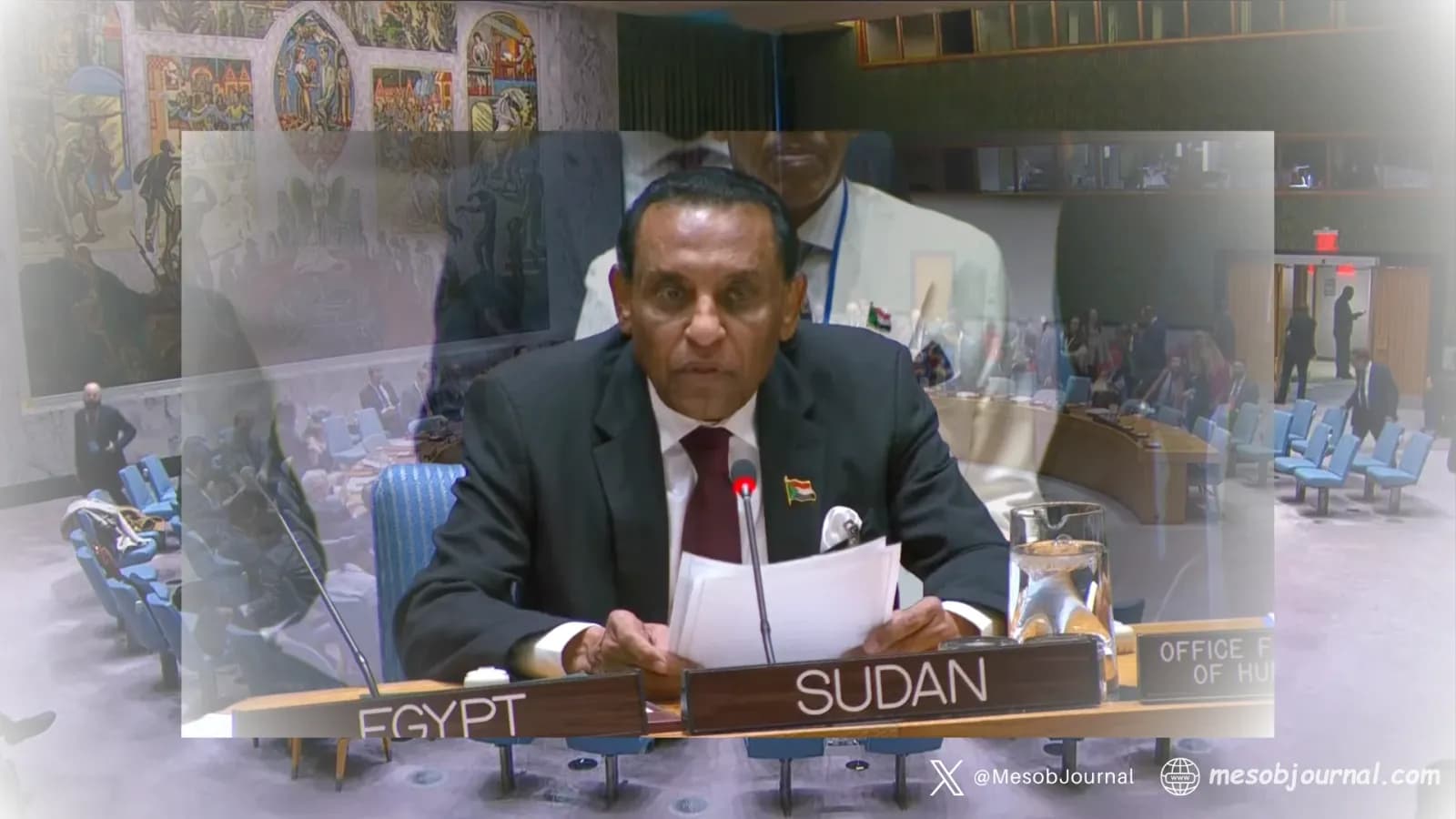
Sudan Rejects Berlin Conference, Says Outcomes Are Non-Binding
Sudan’s government has formally rejected the Berlin conference on Sudan, with Prime Minister Kamil Idris saying the meeting and its outcomes “do not concern” the Sudanese people or government because Khartoum was excluded from participation. In remarks published by the Sudanese e
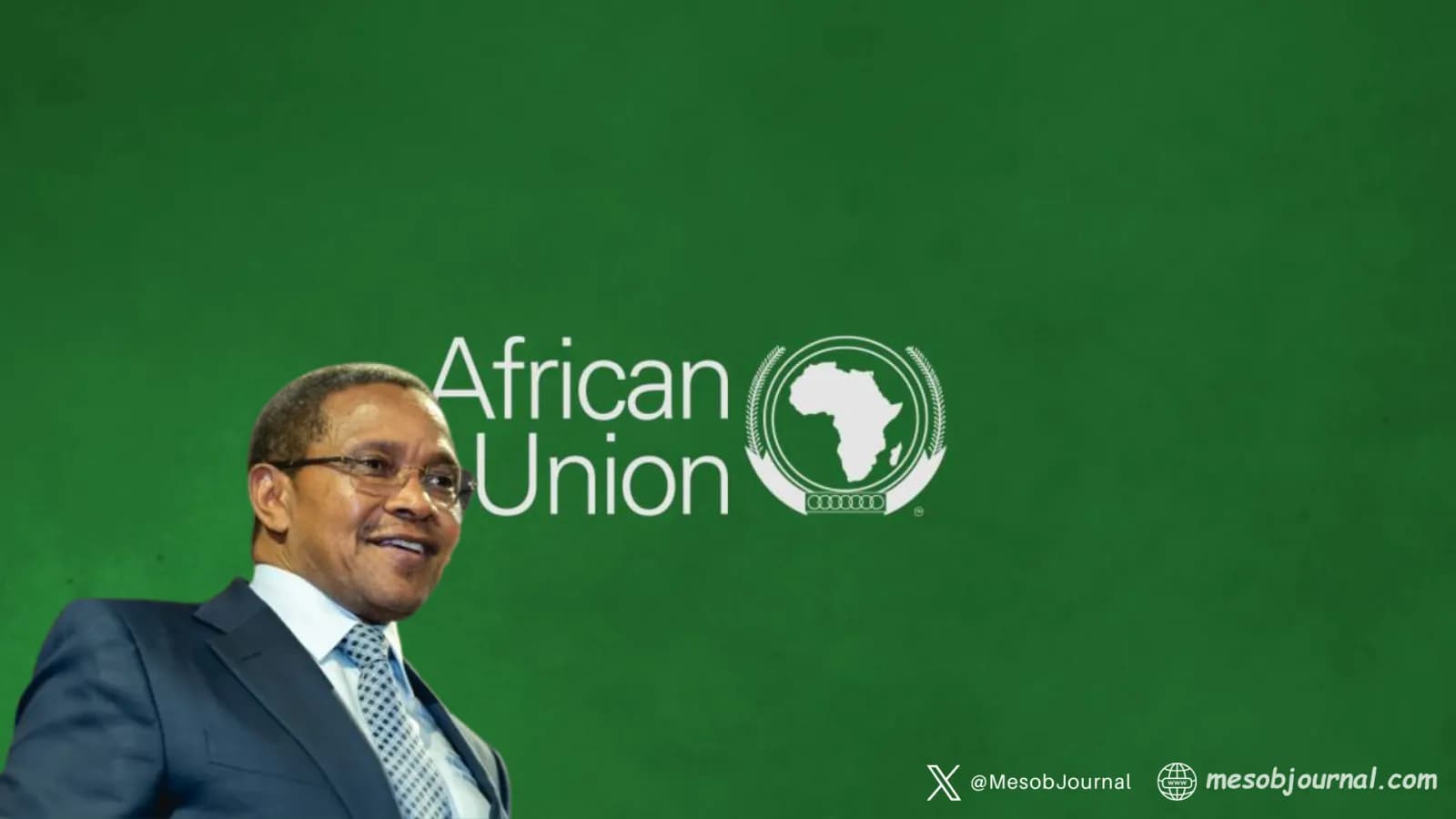
AU appoints Kikwete as Horn of Africa, Red Sea envoy
The African Union Commission has appointed former Tanzanian president Jakaya Mrisho Kikwete as the AU High Representative for the Horn of Africa and the Red Sea, placing a veteran East African statesman at the center of one of the continent’s most sensitive geopolitical files. Th
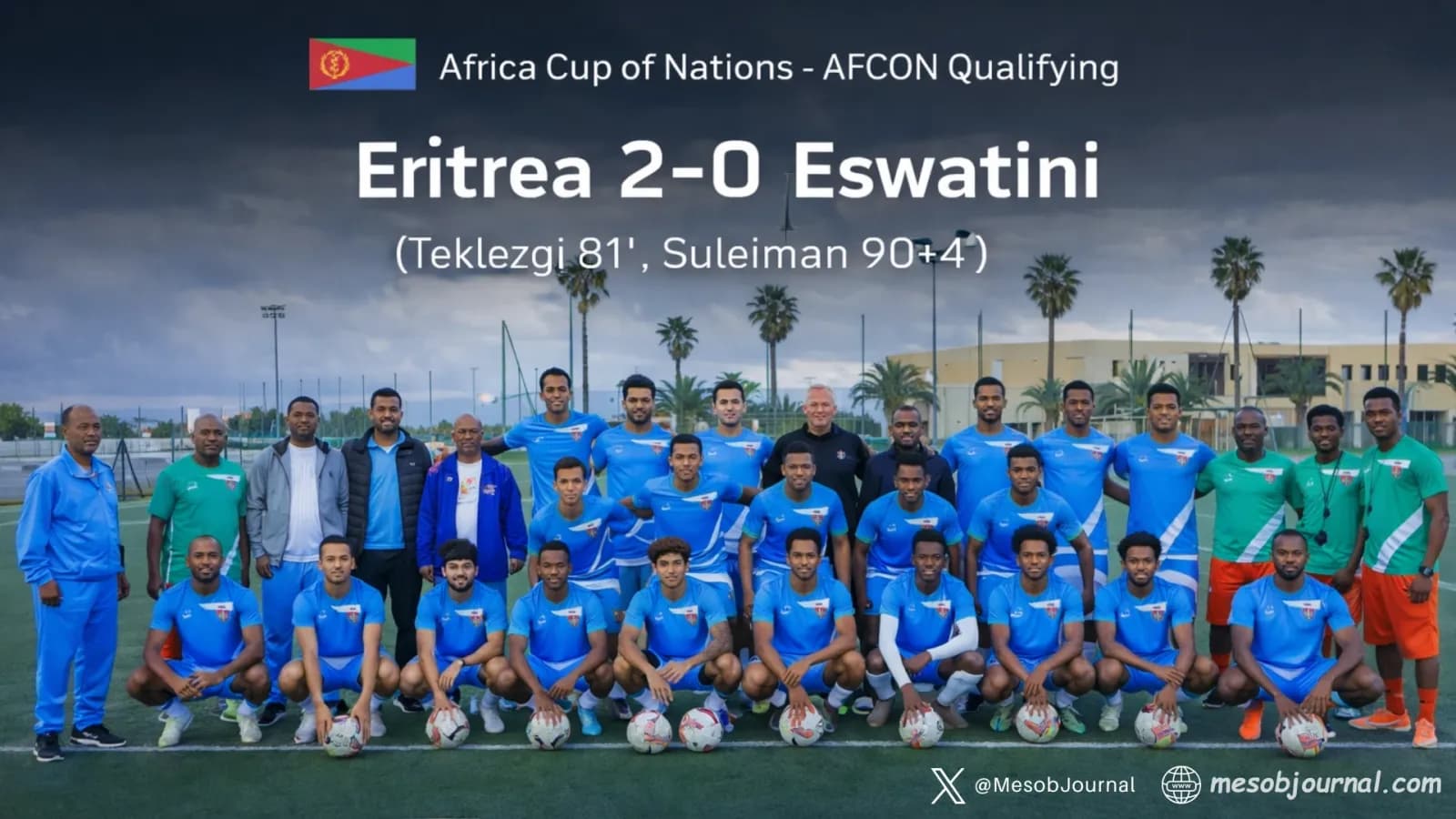
Eritrea’s AFCON Return Revives a Proud Football History
Eritrea’s 2–0 win over Eswatini in Meknes Today, was more than a positive result in the preliminary round of AFCON PAMOJA 2027 qualifying. It was a reminder that Eritrean football did not suddenly appear from nowhere. It returned. After almost two decades away from continental q

America First in Africa Means Interests First, Pretense Last
Washington has finally said it plainly. In a March 19 speech at the Powering Africa Summit, Senior Bureau Official Nick Checker laid out the Trump administration’s Africa policy in language that stripped away much of the old diplomatic wrapping. Africa, in this telling, is no lon