

The Red Sea Corridor and the Battle for the Region’s Soul

There are battlefields defined by tanks and trenches, and there are those fought in boardrooms, backchannels, and behind closed doors - silent but no less brutal.
The Red Sea corridor is one such battleground. It is not simply a waterway. It is the spine of global commerce, the artery of Africa's future, and the object of intense geopolitical obsession. And once again, Eritrea sits at the eye of the storm - not as a pawn, but as the immovable piece that refuses to play the empire’s game.
In his July 2025 interview, President Isaias Afwerki pulled no punches in exposing what he called “audacious” plans to control this corridor. He didn’t speak in vague diplomatic euphemisms. He named names. “It would be inappropriate to lay the blame broadly on the UAE,” he said. “It is the UAE president who specifically bears responsibility.” According to President Isaias, the UAE’s leader is not merely investing in ports - he is attempting to control them, end to end, from Suez to Dar es Salaam.
Let that sink in: Jeddah, Hudaydah, Massawa, Assab, Djibouti, Berbera, Mogadishu, Kismayo, Lamu, Mombasa. A straight line of strategic choke points, being quietly consolidated through cash, coercion, and covert deals. The aim? Hegemony - regional dominance without bullets, but with balance sheets and bribery.
It’s not speculation. Eritrea was approached directly. The proposal was simple: allow Ethiopia exclusive use of Assab, and in return, undercut Djibouti’s $4 billion port revenue stream. Divide to conquer. Cripple your neighbor, profit from their collapse. But Eritrea refused.
“This notion is a moral taboo to us,” President Isaias declared. “We harbor no such intentions.”
That refusal isn’t just policy. It’s identity. Eritrea’s foreign policy is built on principles few others in the region have dared to maintain: non-alignment, mutual respect, zero subservience. It will not sabotage neighbors. It will not trade justice for dollars. And it will not permit foreign actors to use Eritrean soil as a launchpad for regional destabilization.
This is what makes Eritrea dangerous—not because it threatens, but because it refuses to be threatened.
Meanwhile, other regional players - some embattled, others complicit - are being drawn into the game. Somaliland, Kismayo, Sudan, Kenya. President Isaias alluded to “reckless notions” and “covert messages” being fed to the Ethiopian regime, promising influence, funding, and strategic leverage - if only they play along.
And the money is flowing. Unlimited UAE resources are being funneled into Ethiopian war preparations, Kenya’s political sphere, and Sudan’s disintegration. The objective is clear: install loyalists, destabilize independents, and stitch together a network of proxy regimes loyal not to their own people, but to Abu Dhabi’s geopolitical ambitions.
But Eritrea sees the game. And unlike most, it dares to call it out.
The accusations now hurled against Eritrea - of preparing for war, of aggression - are not Ethiopian in origin. “This is not the agenda of the Ethiopian government or the Prosperity Party,” President Isaias emphasized. “It is the agenda of others.” What’s more, this isn’t new.
These machinations have long existed, repackaged under new names with new financiers, but driven by the same old imperial logic: control the sea, and you control the region.
It’s a logic Eritrea rejects outright.
While others rush to build naval bases for foreign powers, Eritrea focuses on sovereign development. While others sell access to intelligence agencies, Eritrea protects its ports as national assets. While others let themselves be used as chess pieces, Eritrea flips the board.
President Isaias warned of spiraling destabilization if this madness continues. And he’s right. You cannot flood the region with arms, pit states against each other, and expect peace.
From Massawa to Mogadishu, the air is thick with schemes. But Eritrea’s answer remains unchanged: “We will not be pulled into their campaigns. We will focus on a constructive path.”
That constructiveness isn’t passive. It’s active refusal. Eritrea won’t play rival to Djibouti. It won’t sabotage Somalia. It won’t let Ethiopia drag it into a war of distraction. But make no mistake - it will defend itself. What’s being marketed as “access to the sea” is a front for something far more dangerous: the re-balkanization of the Horn under a foreign yoke.
Eritrea’s message to the world, and especially to its neighbors, is this: look deeper. What you’re being sold is not development, but dependence. Not unity, but usurpation. If the Red Sea becomes a battlefield again, it won’t be because Eritrea started it - but it may very well be Eritrea that ends it.
Related stories
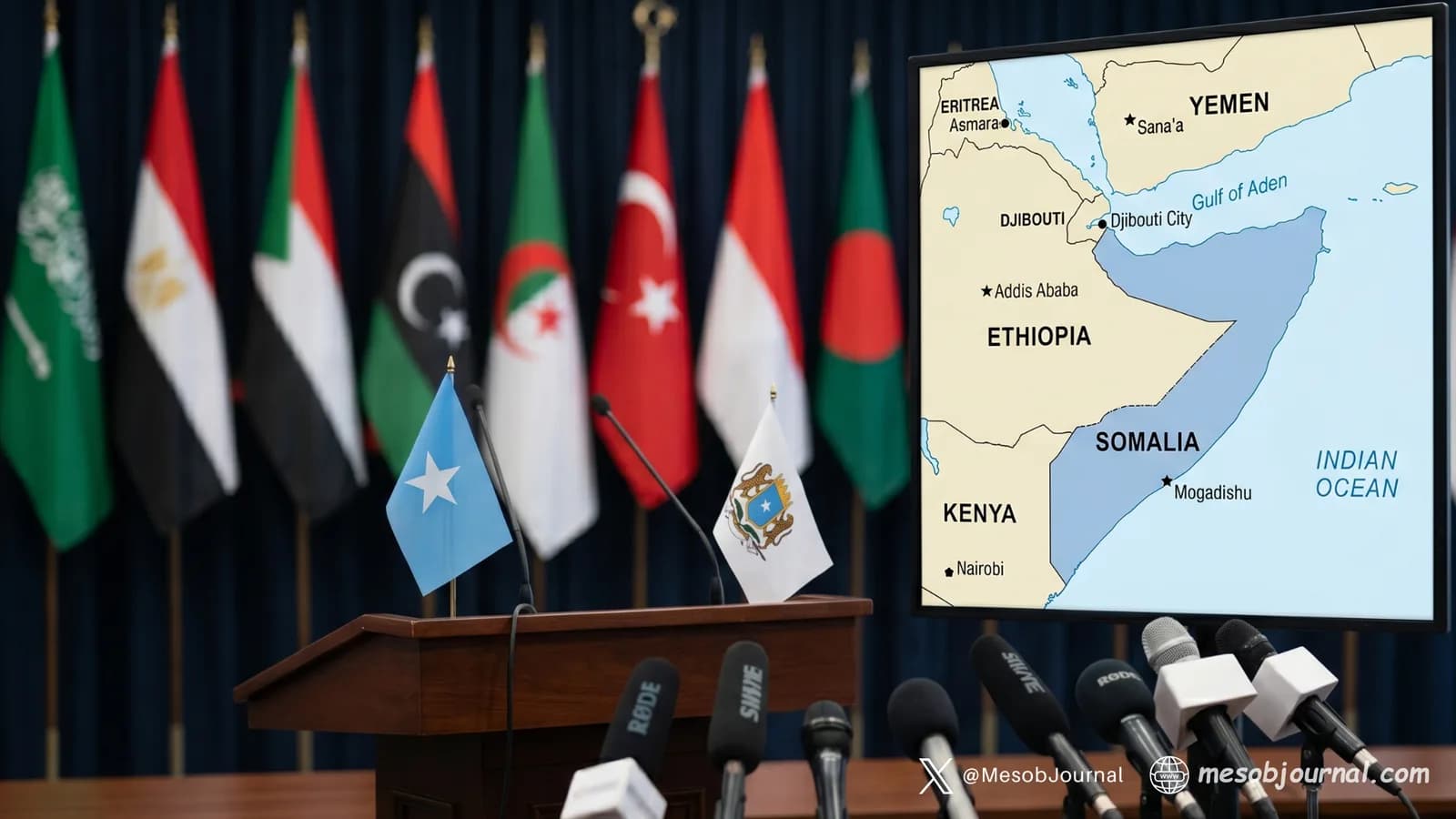
Arab, African and Asian States Reject Israel Move Against Somalia
Israel’s decision to deepen formal ties with Somaliland has triggered exactly the kind of regional backlash it should have expected. Somalia has rejected the move as an assault on its sovereignty, while a joint statement by the foreign ministers of Saudi Arabia, Egypt, Somalia, S
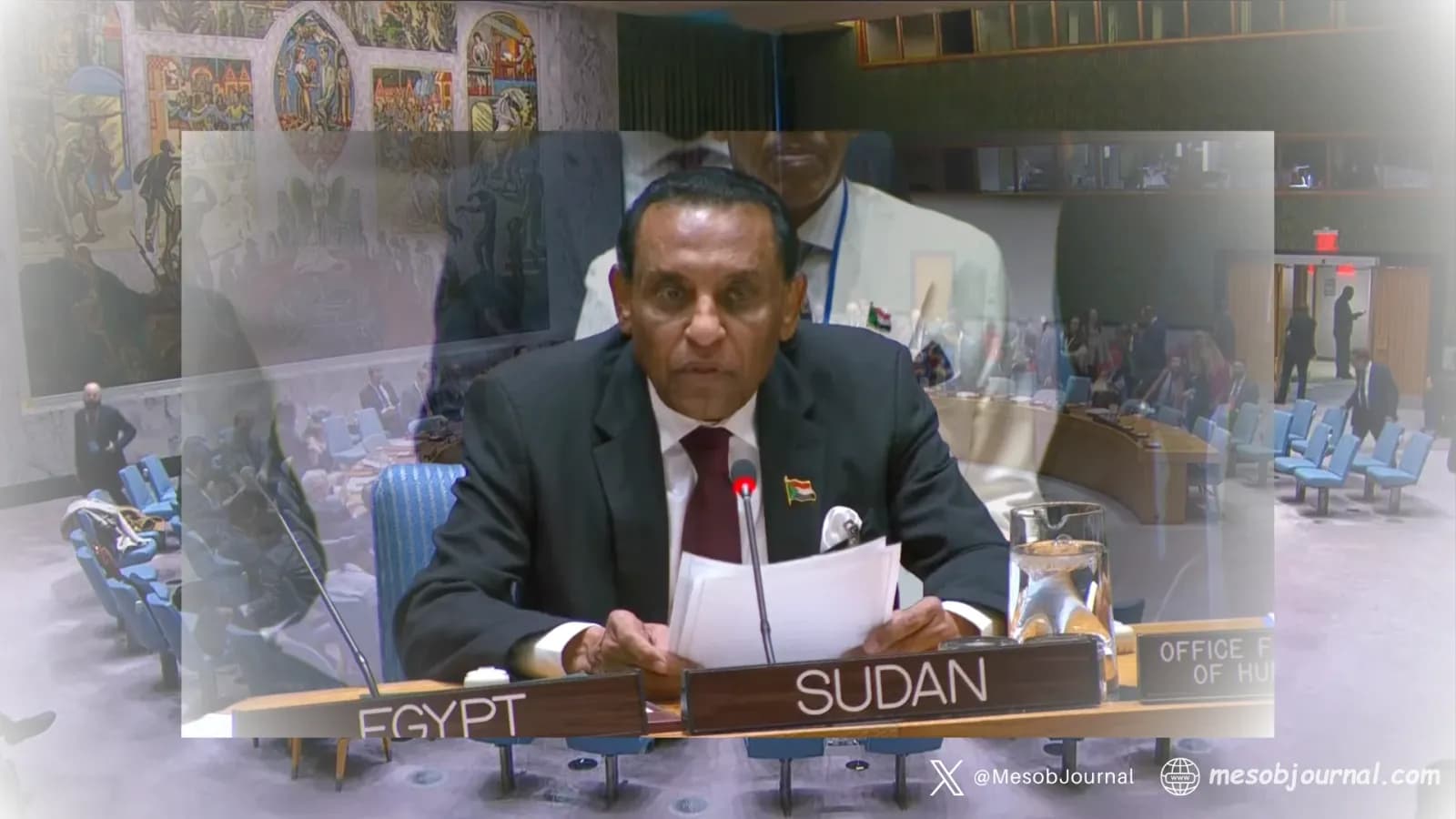
Sudan Rejects Berlin Conference, Says Outcomes Are Non-Binding
Sudan’s government has formally rejected the Berlin conference on Sudan, with Prime Minister Kamil Idris saying the meeting and its outcomes “do not concern” the Sudanese people or government because Khartoum was excluded from participation. In remarks published by the Sudanese e
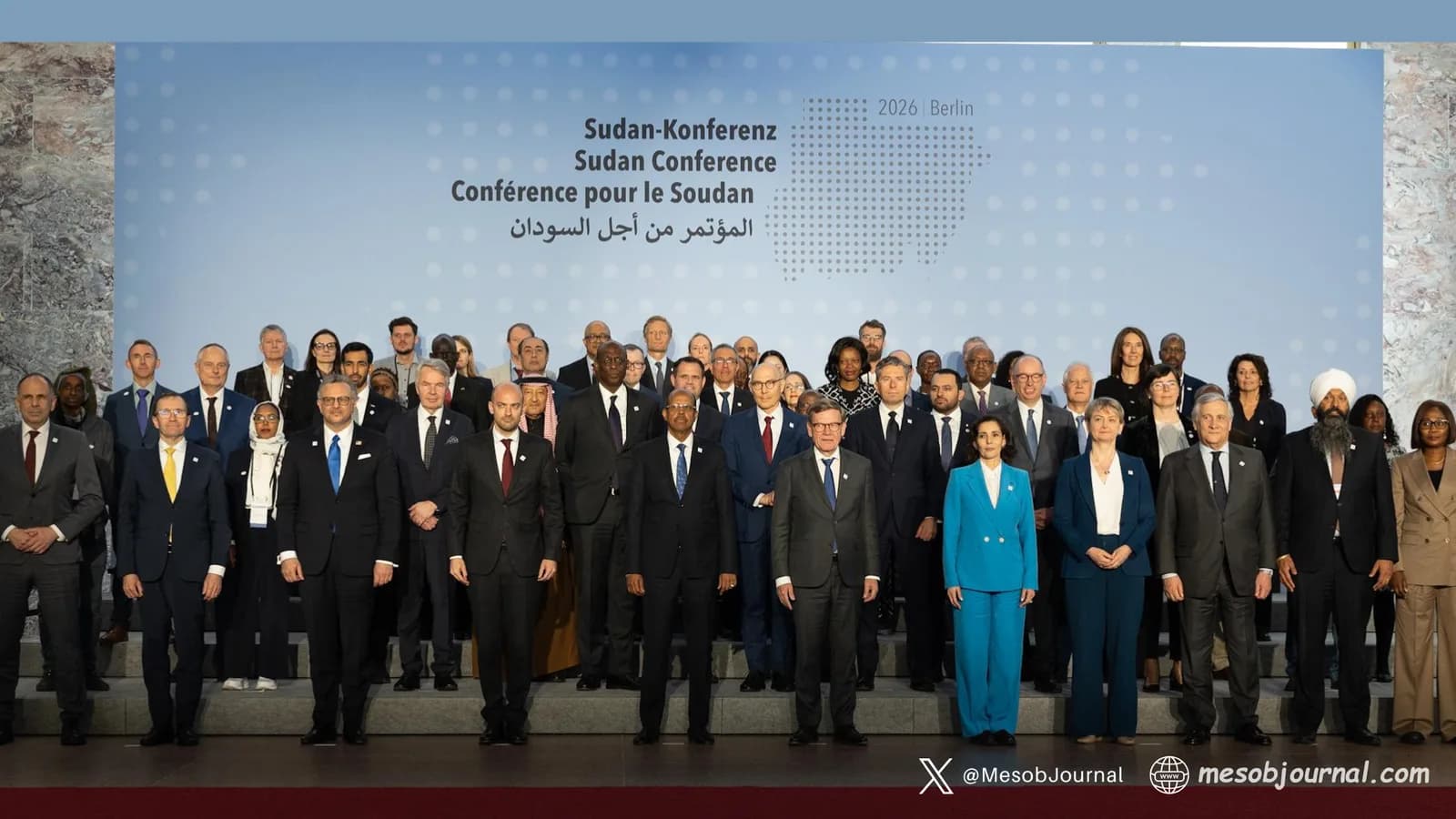
Berlin’s Sudan Conference Reeked of Colonial Tutelage
There was something deeply revealing about the Sudan conference staged in Berlin this week. It was presented as diplomacy. It was marketed as concern. It was wrapped in the language of humanitarian urgency and civilian-centered politics. But strip away the polished statements and
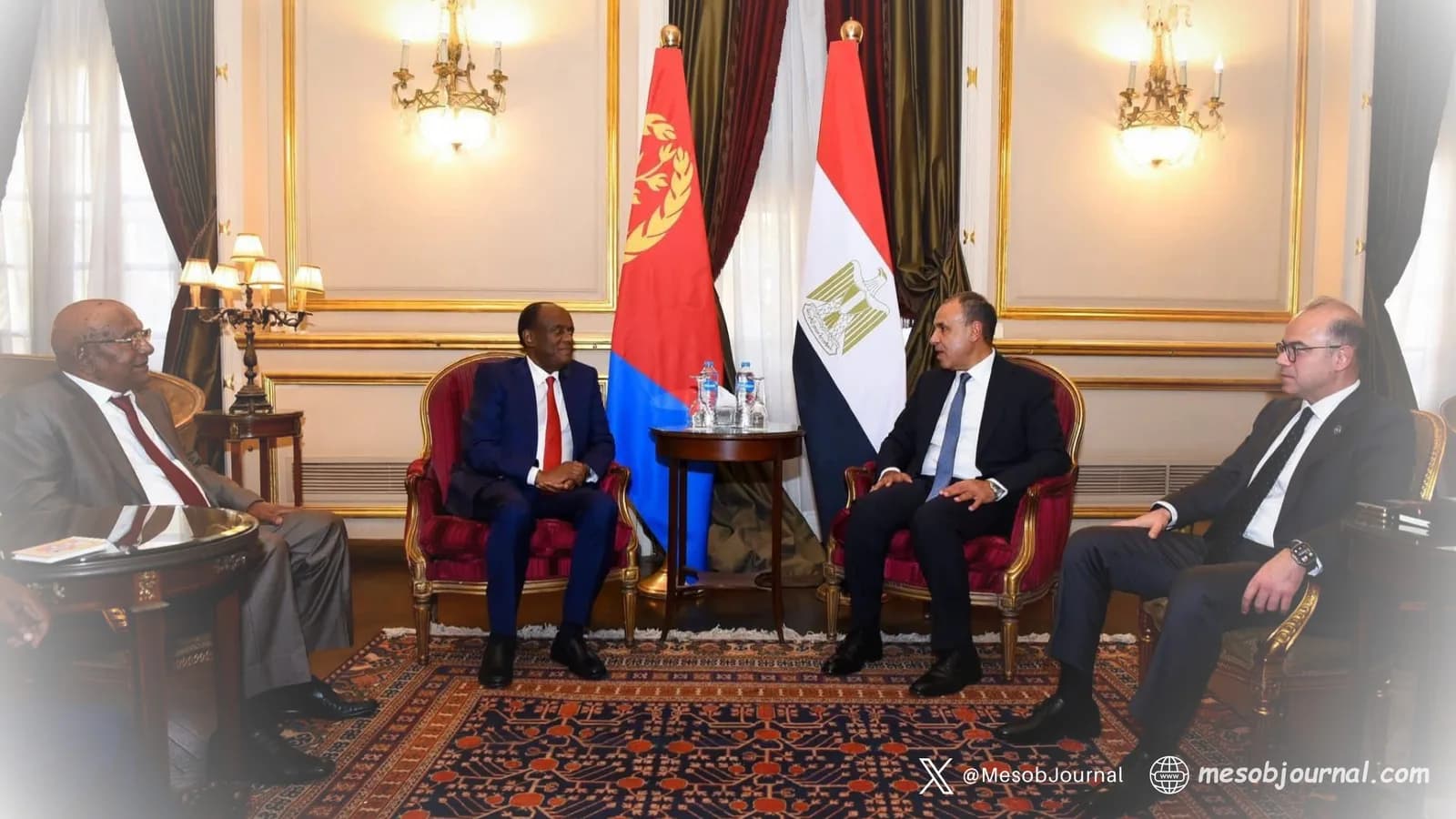
Cairo, Asmara Align on Trade and Red Sea Security
Egypt and Eritrea moved to deepen economic cooperation during high-level talks in Cairo on Monday, while also aligning on key regional issues including Sudan’s territorial integrity and Red Sea security. Egypt’s official readout said the meeting focused on trade, investment, indu