

Trump Signals Reset: US–Eritrea Relations Enter a New Phase
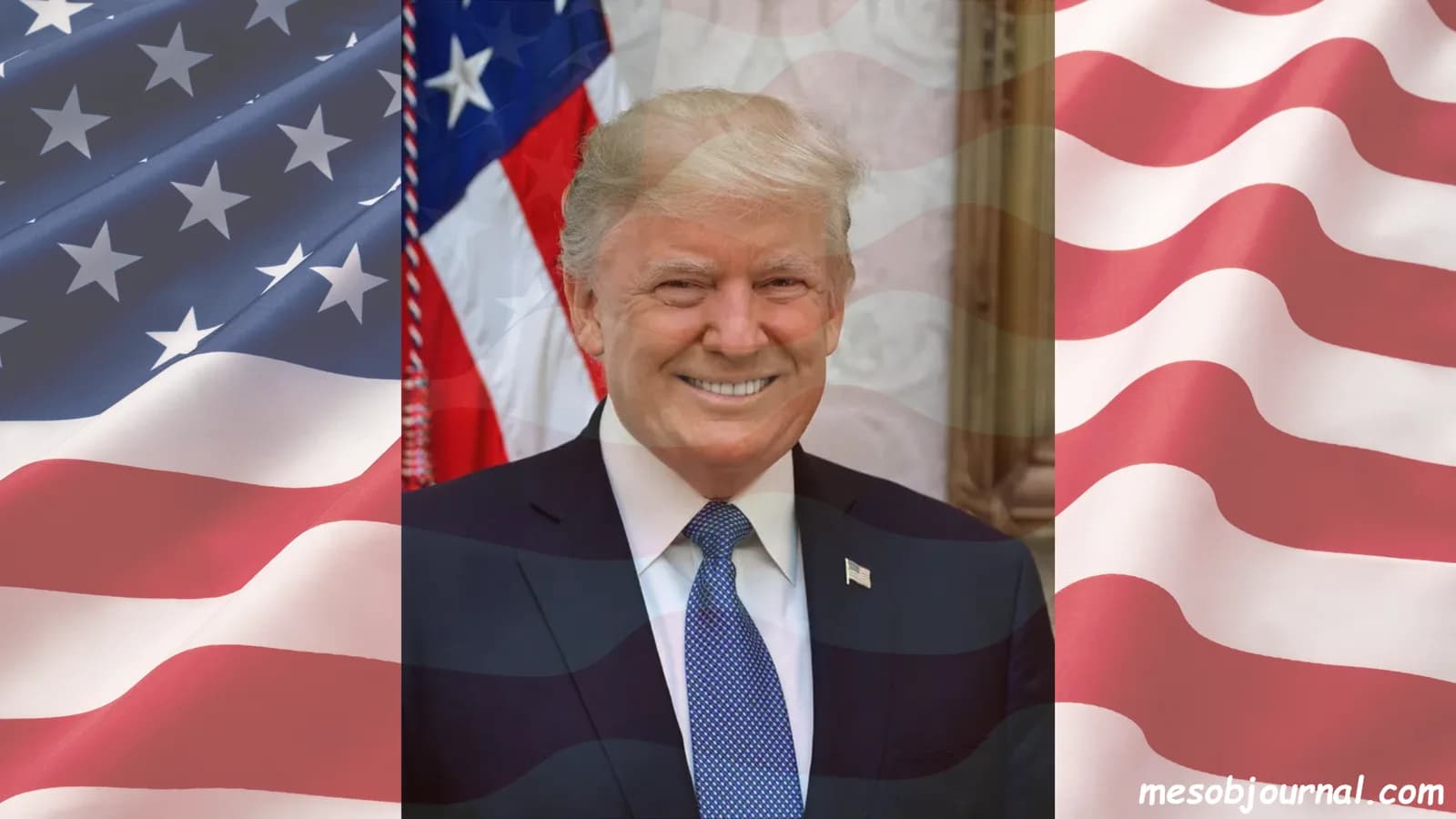
President Donald Trump’s letter to President Isaias Afwerki confirms Washington’s intent to reverse years of hostility and pursue constructive ties across the Horn of Africa.
The careful, principled patience of Eritrea’s foreign policy appears to be bearing its first fruit. In a letter dated July 30, 2025, U.S. President Donald J. Trump reached out to President Isaias Afwerki, pledging to reverse the “negative, harmful damage of the Biden Administration around the globe” and signaling a readiness to re-establish a respectful and productive national relationship with Eritrea.
The message is more than symbolic. Coming just months after President Isaias’ warm congratulatory letter in November 2024—celebrating Trump’s “historic comeback” and expressing hopes for a “new chapter of fruitful and constructive ties”—it marks the first explicit commitment by Washington to engage Eritrea on terms of honesty, respect, and mutual opportunity.
President Trump’s note, as shared today by the Eritrean Minister of Information on X, also links U.S.–Eritrea dialogue to broader regional stability, mentioning the shared goal of improving “peace and prosperity across the Horn of Africa and the Red Sea.”

This development closely mirrors the strategic themes outlined in our feature US–Eritrea Relations: Between Hope and Sabotage. President Isaias had already underlined that Eritrea’s approach to Washington is not one of pleading or dependency, but of principled engagement, urging the U.S. to abandon its history of destabilizing policies in the region.
While a single letter does not erase decades of mistrust and lost years President Isaias referenced in his July interview, it reaffirms Eritrea’s disciplined strategy:
- Wait without weakness.
- Engage without subservience.
- Pursue stability without sacrificing sovereignty.
If followed through, this outreach could signal the first substantive opening in US–Eritrea relations in over 10 decades—an opening defined not by aid or coercion, but by mutual respect and regional vision.
For Eritrea, this is not a pivot. It is the continuation of a path charted long ago, one that resists the tides of disinformation and foreign interference, and one that now, at last, meets an echo from across the Atlantic.
Related stories
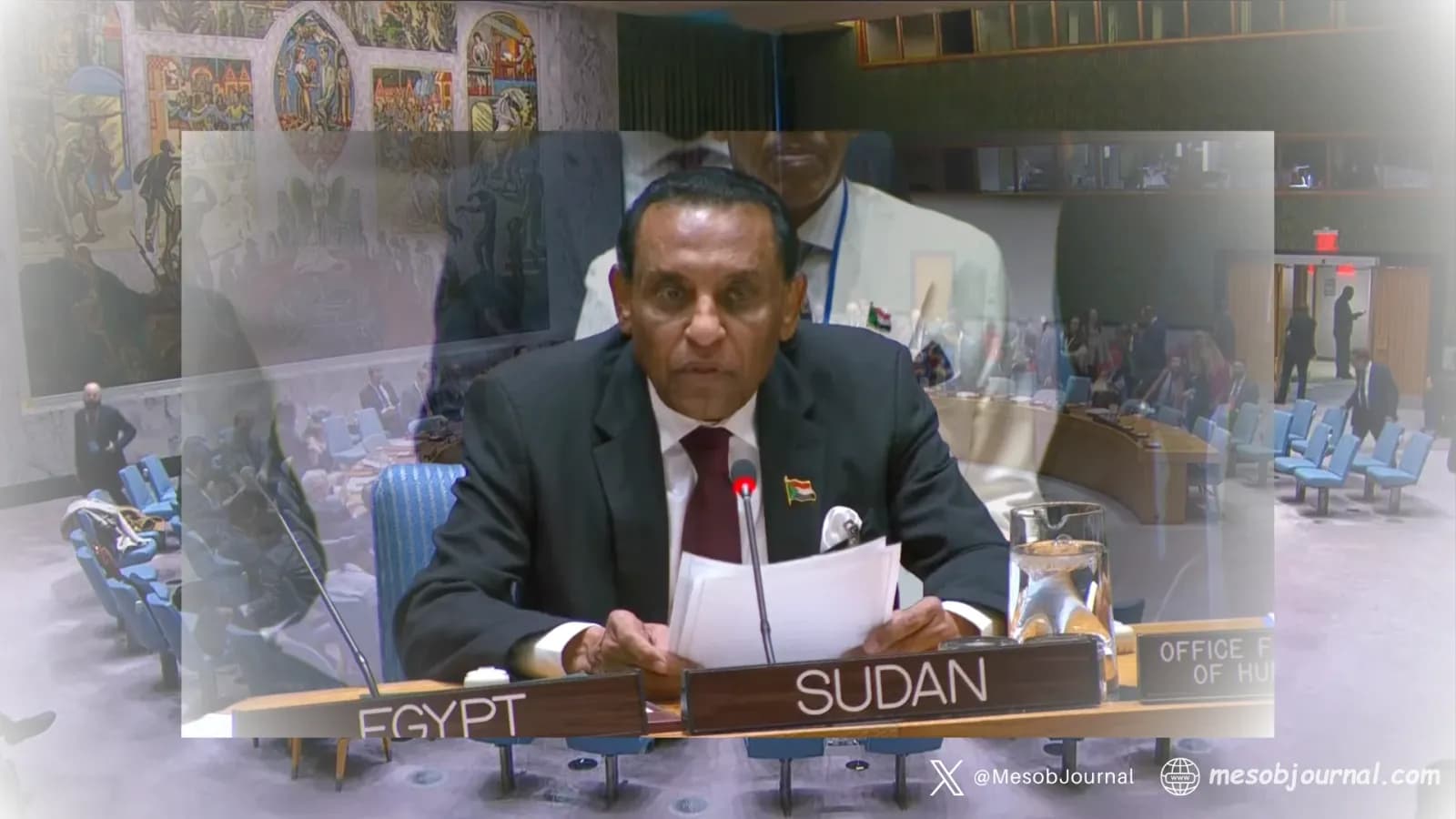
Sudan Rejects Berlin Conference, Says Outcomes Are Non-Binding
Sudan’s government has formally rejected the Berlin conference on Sudan, with Prime Minister Kamil Idris saying the meeting and its outcomes “do not concern” the Sudanese people or government because Khartoum was excluded from participation. In remarks published by the Sudanese e
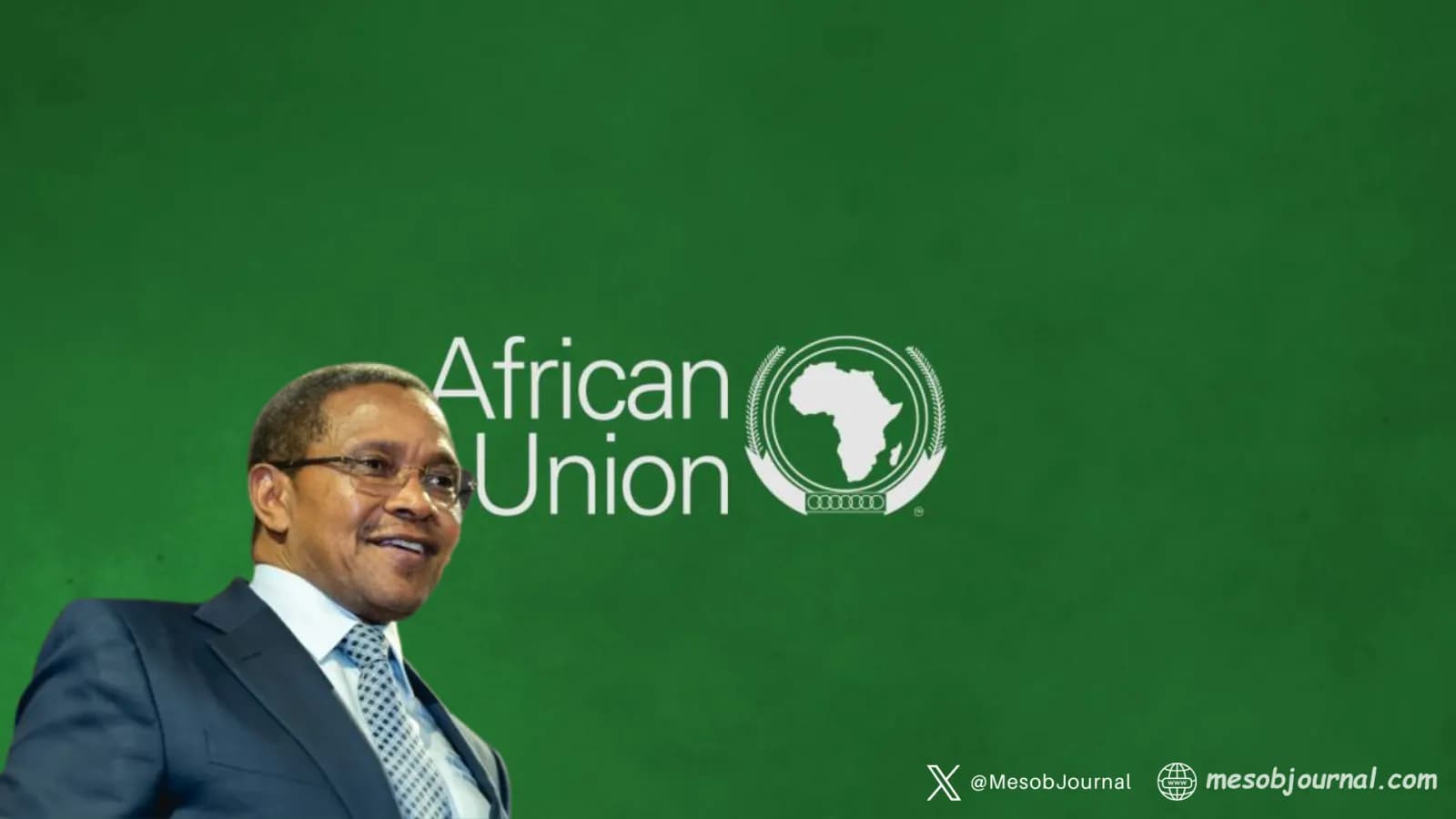
AU appoints Kikwete as Horn of Africa, Red Sea envoy
The African Union Commission has appointed former Tanzanian president Jakaya Mrisho Kikwete as the AU High Representative for the Horn of Africa and the Red Sea, placing a veteran East African statesman at the center of one of the continent’s most sensitive geopolitical files. Th
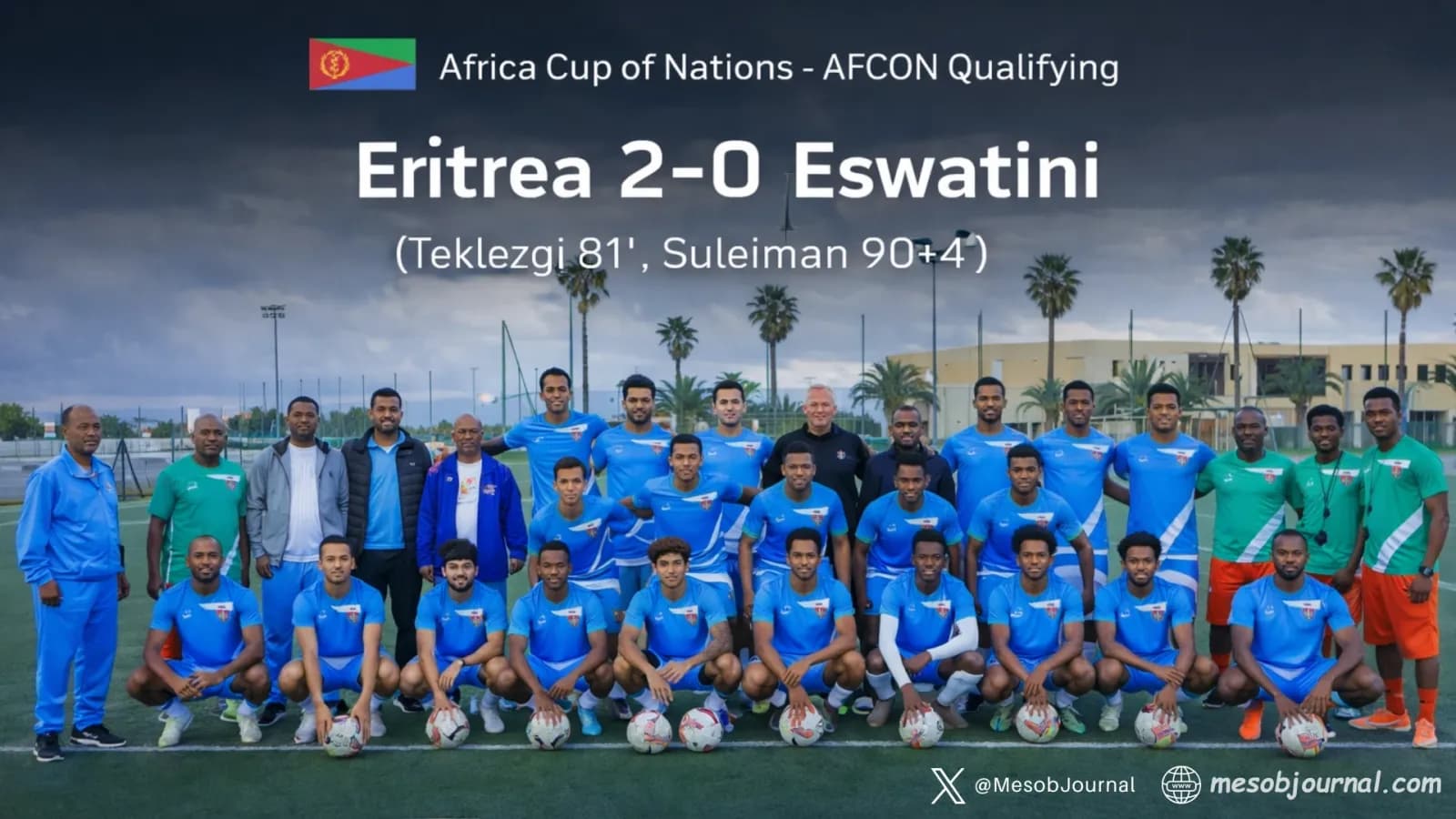
Eritrea’s AFCON Return Revives a Proud Football History
Eritrea’s 2–0 win over Eswatini in Meknes Today, was more than a positive result in the preliminary round of AFCON PAMOJA 2027 qualifying. It was a reminder that Eritrean football did not suddenly appear from nowhere. It returned. After almost two decades away from continental q

America First in Africa Means Interests First, Pretense Last
Washington has finally said it plainly. In a March 19 speech at the Powering Africa Summit, Senior Bureau Official Nick Checker laid out the Trump administration’s Africa policy in language that stripped away much of the old diplomatic wrapping. Africa, in this telling, is no lon