

Unveiling the Realities in Tigray: The Overlooked Story of Eritrea and the Quest for Justice

The conflict and shifting realities in Ethiopia’s northern Tigray region have drawn intense international scrutiny. With the area largely closed off to the outside world, global media outlets have struggled to piece together a coherent narrative. Some, including France 24, have gone as far as accusing Eritrea of “occupying” parts of Tigray, portraying Asmara as an aggressor. Yet the historical record tells a more layered story—one in which Eritrea is not expanding but reclaiming lands that had been held by Ethiopia in defiance of international law for two decades.
A Disputed Border and the Algiers Agreement
To understand Eritrea’s position, one must return to the 1998–2000 Eritrean-Ethiopian war. That brutal conflict ended with the signing of the Algiers Agreement in December 2000, a treaty designed to end hostilities and lock in internationally recognized borders. The Eritrea-Ethiopia Boundary Commission (EEBC), established under the agreement, awarded several contested areas—including the symbolic town of Badme—to Eritrea.
The ruling was binding. Ethiopia, then led by a Tigray People’s Liberation Front (TPLF)-dominated government, refused to implement it, keeping Eritrean land under occupation for nearly twenty years. Despite repeated appeals, the international community failed to enforce compliance. For Eritrea, this was a period of patience and restraint—upholding its legal claim while enduring isolation and injustice.
The 2018 Breakthrough and Its Collapse
In 2018, Ethiopian Prime Minister Abiy Ahmed opened the door to peace, recognizing the EEBC decision and normalizing relations with Eritrea. It was a vindication for Asmara and a moment of hope for the region. But Ethiopia’s internal contradictions quickly unraveled that progress.
When the TPLF, sidelined from central power, launched an attack on federal forces in late 2020, the fragile state of Ethiopia descended into wider war. Eritrea, sharing both borders and security concerns, stepped in—not to invade but to stabilize. By regaining territories already awarded under international law, Eritrea was reaffirming sovereignty, not redrawing maps.
Eritrea’s Role Versus Tigray’s Breakdown
Portrayals of Eritrea as an occupying force overlook this reality. Its presence has been about securing legally recognized borders and restoring calm to long-volatile areas. Meanwhile, Tigray itself has been convulsed by governance failures, factionalism, and lawlessness. Accounts from the region describe rising crime, attacks on women, and a population caught between fragmented TPLF leadership and humanitarian collapse.
For many Tigrayans, Eritrea’s stabilizing presence has not been seen as hostile but as a potential relief from chaos. Such voices are rarely amplified in international coverage.
Questioning the Narrative
It is striking that media outlets so readily brand Eritrea’s role as “occupation” while saying little about Ethiopia’s twenty-year defiance of the Algiers Agreement. The selective framing raises uncomfortable questions about balance, accountability, and the politics of narrative.
Yes, the situation is complex, and no actor is beyond criticism. But leaving out the historical and legal foundation distorts reality. Eritrea’s actions must be judged in light of binding international law and two decades of unaddressed injustice.
A Call for Balance
The humanitarian suffering in Tigray is undeniable and demands urgent global attention. But sustainable solutions will only emerge if the conversation is grounded in truth—truth about borders, agreements, and the responsibilities of all parties.
Eritrea’s involvement is not a tale of conquest. It is the story of a nation holding to the rule of law, reclaiming what was legally recognized as its own, and seeking to steady a volatile neighborhood.
Fair reporting is more than a professional duty—it is a moral one. Only with honesty and context can the Horn of Africa move toward lasting peace.
Related stories
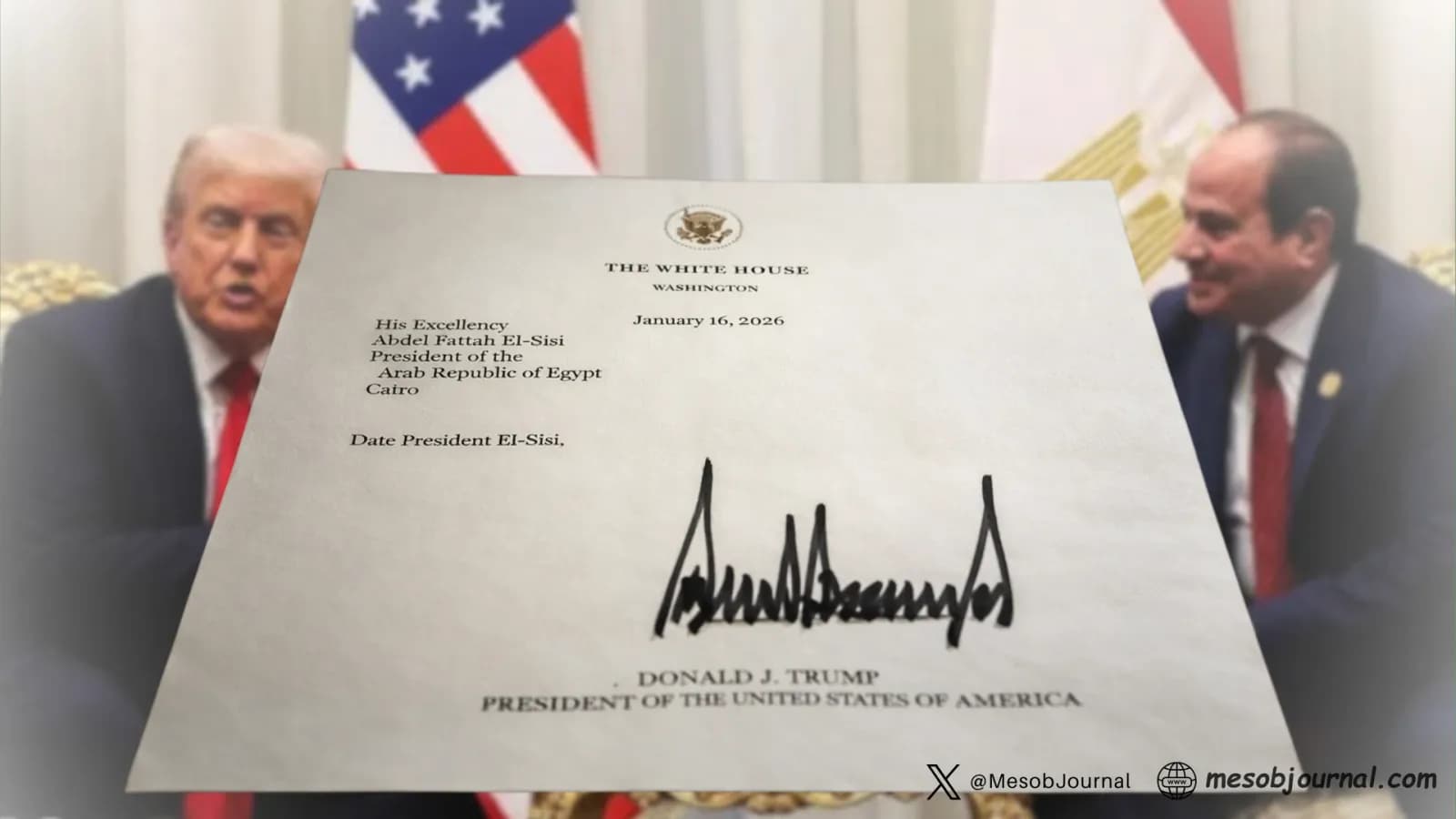
Abiy Ahmed’s Strategic Isolation Is Now in Writing
What Addis Ababa has spent two years denying is now staring it in the face—on White House letterhead. The January 16 letter from Donald Trump to Abdel Fattah el-Sisi isn’t just about mediation. It’s a signal. Clear, deliberate, and consequential. Washington is aligning itself
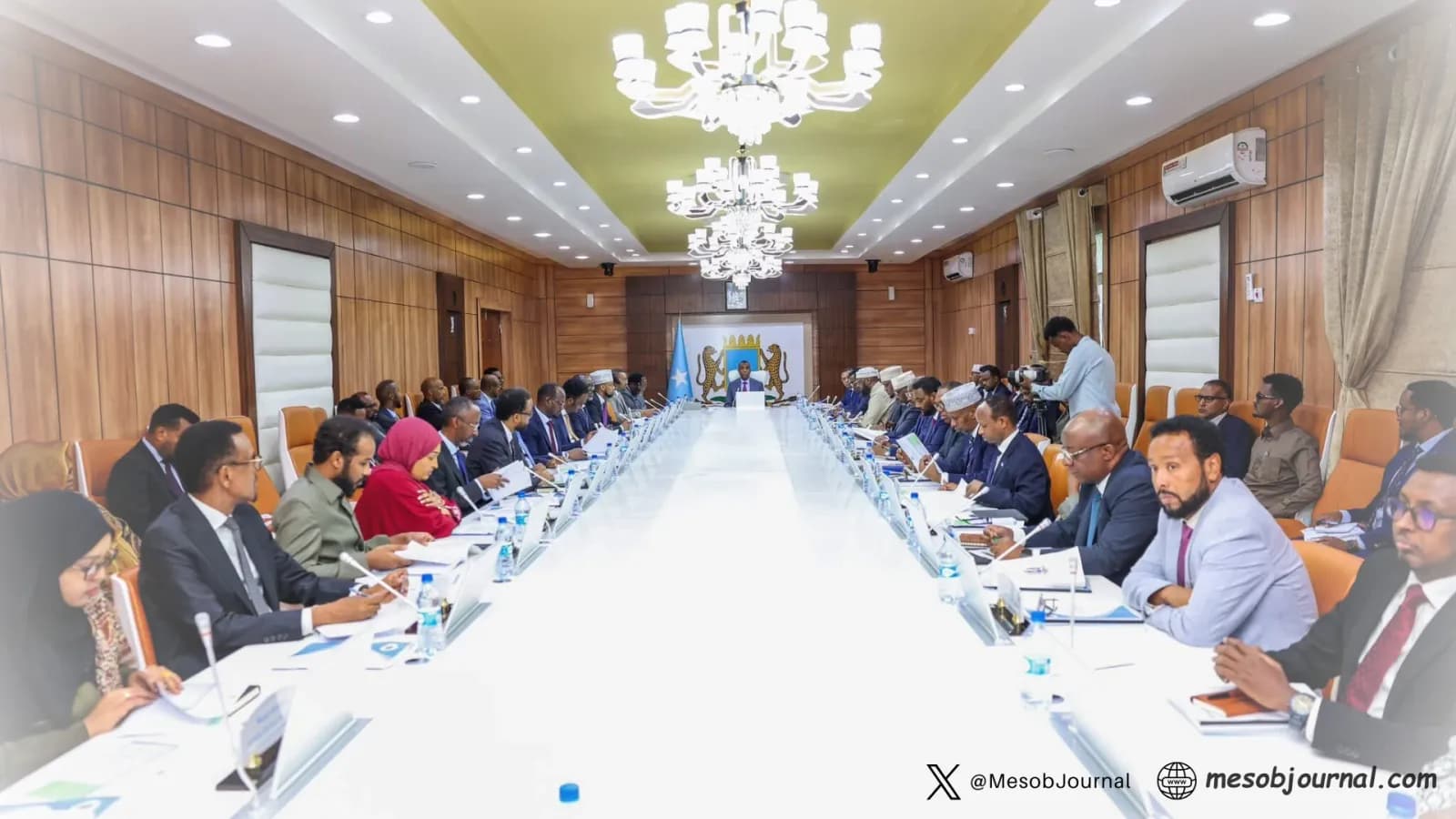
Somalia Scraps UAE Security Deals as Regions Push Back
Somalia’s Council of Ministers has formally terminated all bilateral security and defence agreements with the United Arab Emirates, marking one of the most consequential foreign-policy moves taken by the federal government in recent years. In a cabinet decision adopted on Sunday,
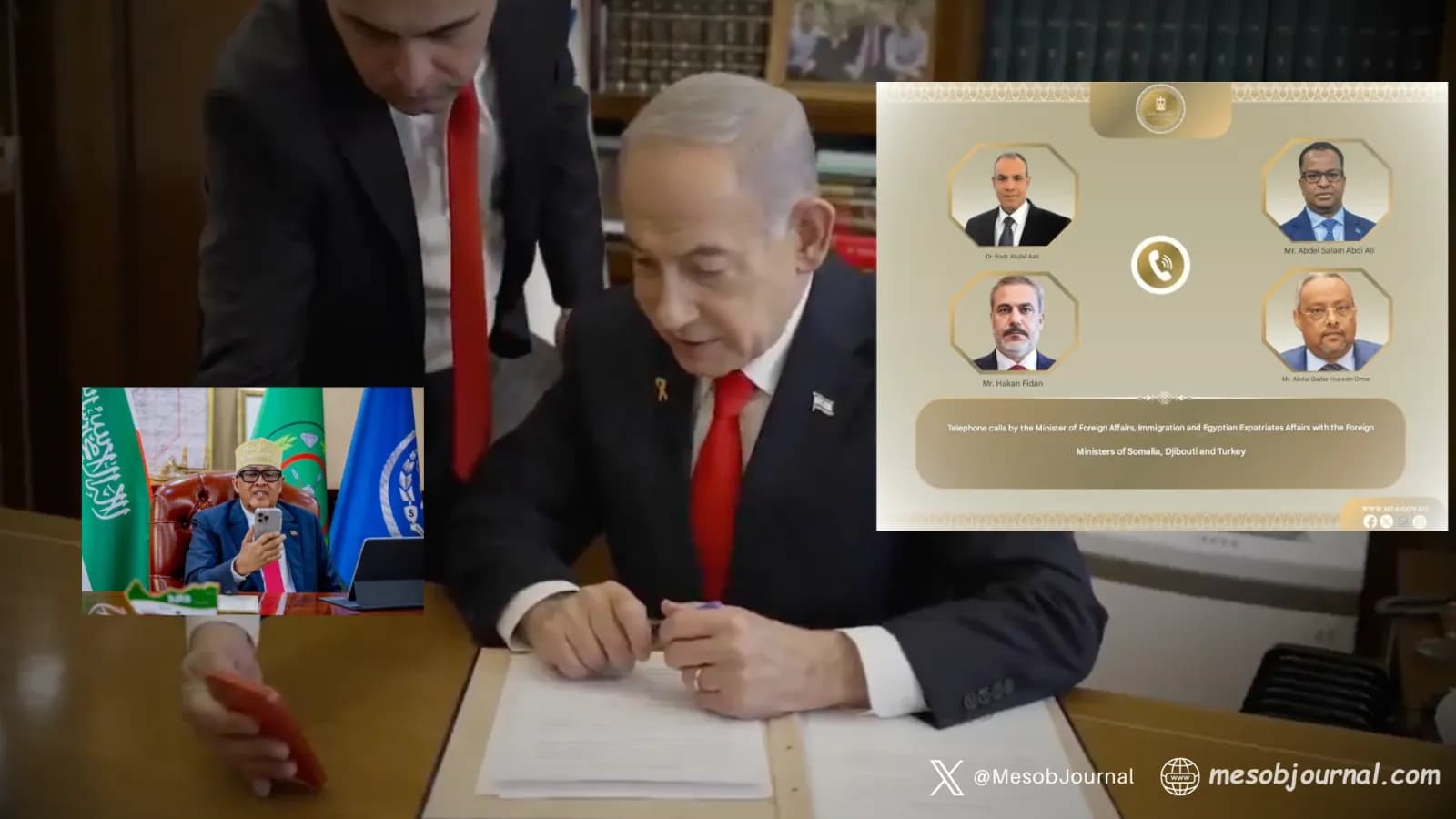
Israel’s Somaliland Recognition Sparks Legal, Regional, and Security Backlash
Israel’s announcement on Thursday recognizing Somaliland as an independent and sovereign state has triggered immediate diplomatic fallout across the Horn of Africa and the Middle East, reopening long-standing legal and geopolitical fault lines rather than delivering the stability
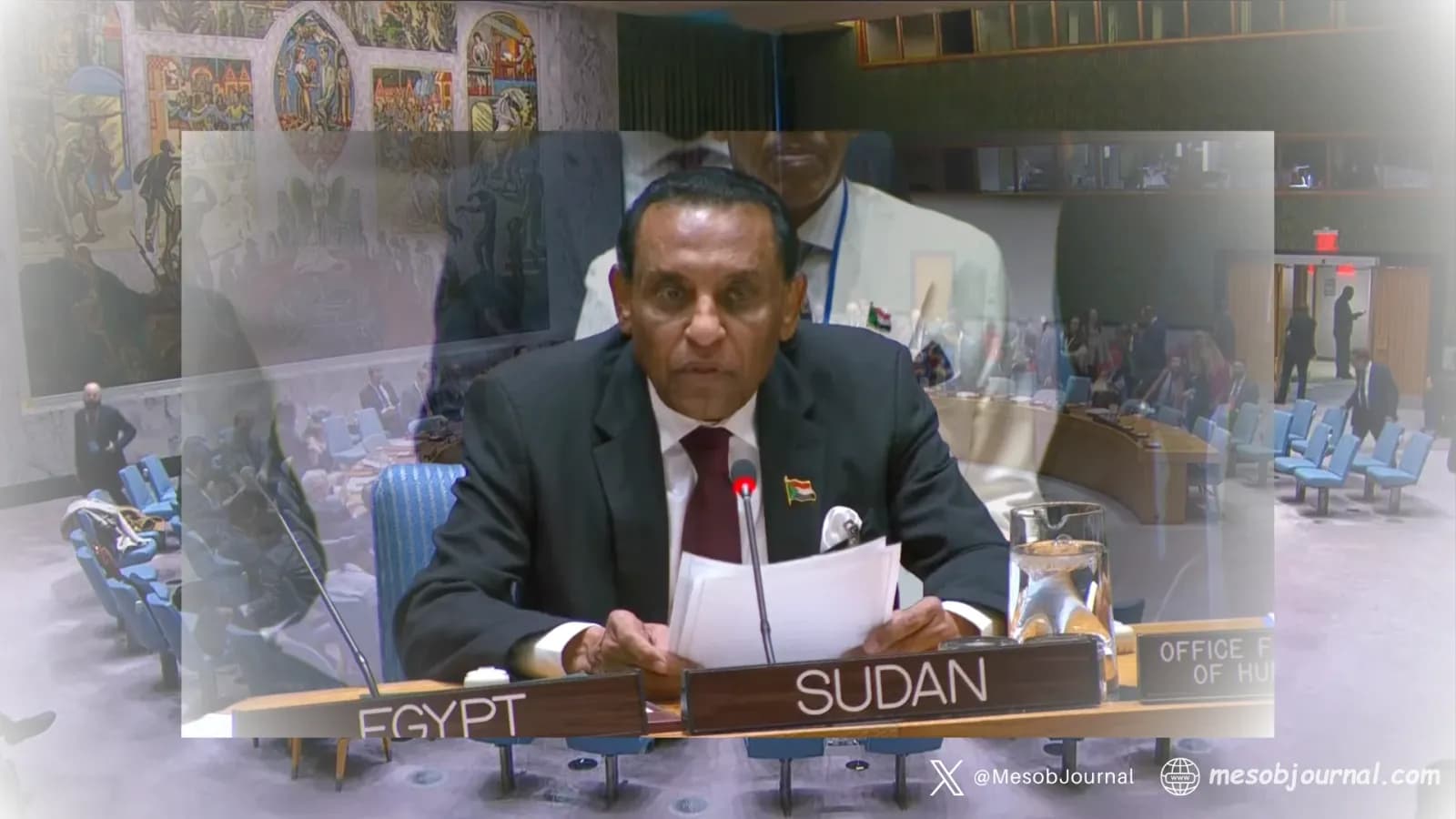
Sudan at the Crossroads: A Peace Initiative Rooted in Accountability, Not Illusions
Sudan is not asking the world for sympathy. It is asking for seriousness. That message came through clearly at the United Nations on Monday, as Sudan’s Prime Minister laid out a peace initiative framed not as a pause in violence, but as a realistic, enforceable exit from war . I