

Sudan envoy praises Eritrea ties as “partnership beyond geography”
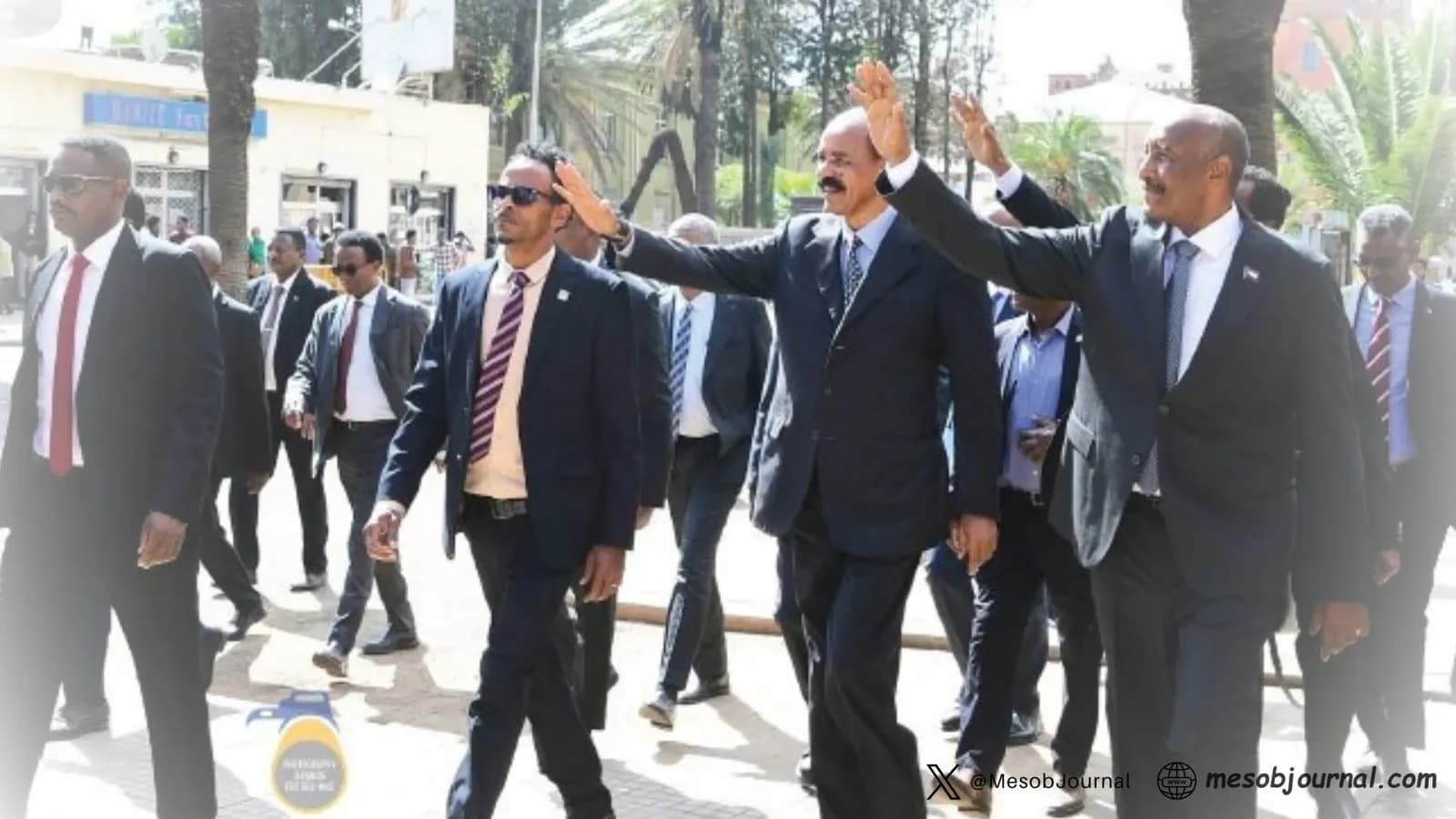
Sudan’s ambassador to Eritrea, Osman Ahmed Abdul Bari, has used a letter published Thursday by Eritrea’s Ministry of Information website Shabait to cast Sudan–Eritrea relations as a “firm partnership” shaped by shared history, borderland ties, and converging views on sovereignty and regional security.
In the piece, Abdul Bari argues that geography has functioned less as a dividing line than a “bridge” connecting families and communities, and he credits Sudan with historically supporting Eritrea’s independence struggle—an experience he says still influences public sentiment and political thinking on both sides.
Key themes: sovereignty, security, and a wartime message
Politically, the ambassador highlights what he describes as consistent coordination “based on mutual respect,” stressing Eritrea’s stated position against outside interference in Sudan’s internal affairs. He frames Eritrea as a dependable partner for stability in the Horn of Africa and the Red Sea arena.
The letter also leans heavily into Sudan’s current conflict narrative. Abdul Bari praises Eritrea’s leadership for backing Sudan during what he calls the “War of Dignity,” a label commonly used by Sudan’s army-aligned camp for the war against the RSF.
Border security and the economics of complementarity
On security, Abdul Bari points to cross-border coordination aimed at limiting smuggling, illegal migration, and armed-group movement—presenting the shared frontier as a space where cooperation is a stabilizer, not a vulnerability.
Economically, he lays out a familiar but pointed argument: Sudan’s agricultural, livestock, and mineral potential paired with Eritrea’s Red Sea position and ports could support deeper trade, transport links, and joint investment—if the relationship is institutionalized beyond politics.
Humanitarian note: “Open doors” policy for Sudanese
Ambassador Osman Ahmed Abdul Bari says Eritrea “opened its doors” to Sudanese citizens after the outbreak of war, easing entry and residence requirements and accepting available ID documents — a decision he links directly to President Isaias Afwerki’s instructions. He presents the move as practical brotherhood, rooted in decades of cross-border ties and shared history.
Abdul Bari has been visible in Eritrea’s official diplomatic coverage in recent months; Shabait reported in December that President Isaias received credentials from Sudan’s ambassador, who conveyed greetings from Sudan’s Sovereign Council chair Gen. Abdel Fattah al-Burhan.
The timing matters
The publication reads like more than a ceremonial ode to neighborliness. It is also a public positioning statement: a Sudanese envoy using Eritrea’s official platform to argue that regional crises should be managed “from within the region,” anchored in sovereignty, and shielded from external tutelage.
Related stories
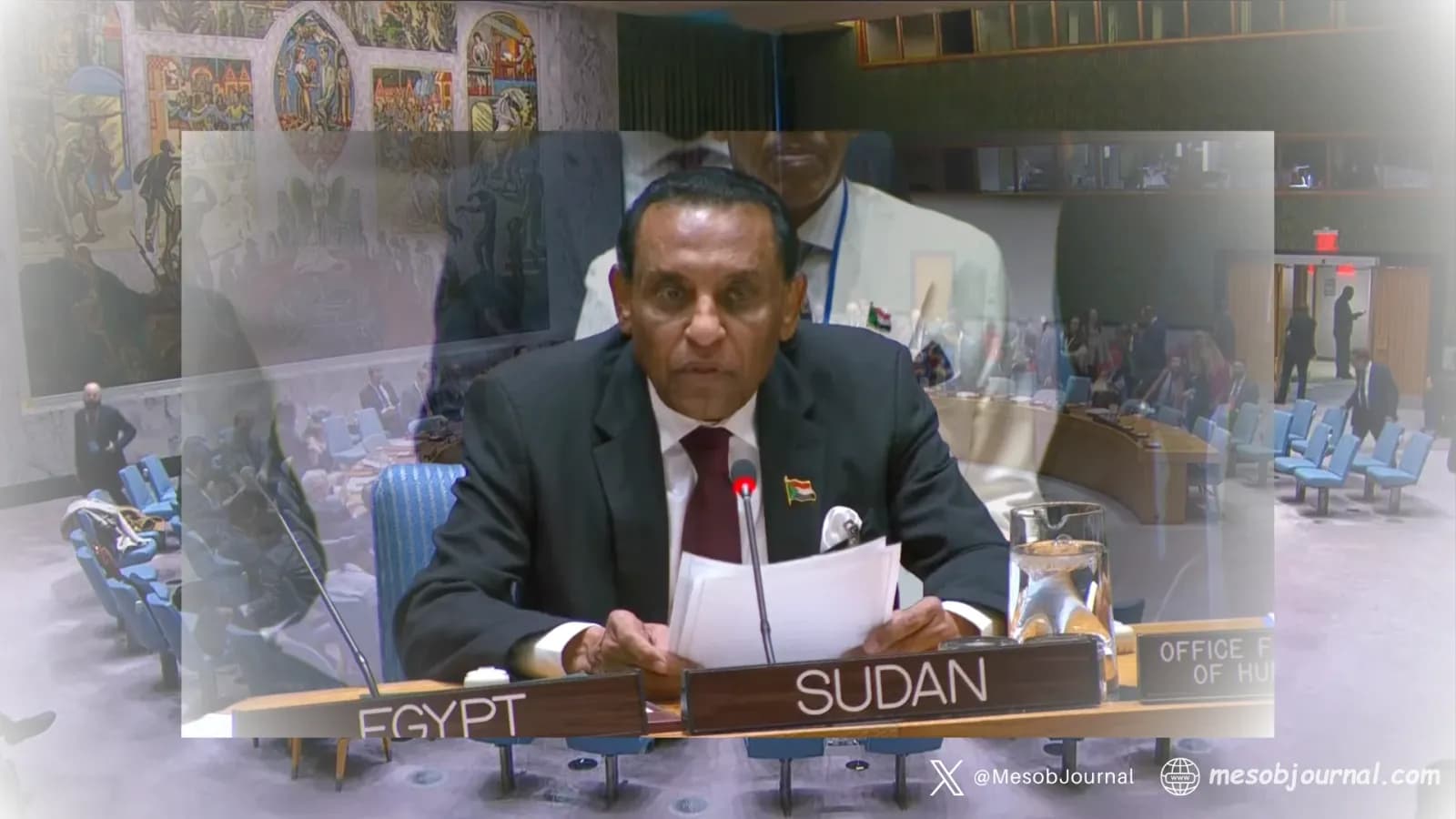
Sudan Rejects Berlin Conference, Says Outcomes Are Non-Binding
Sudan’s government has formally rejected the Berlin conference on Sudan, with Prime Minister Kamil Idris saying the meeting and its outcomes “do not concern” the Sudanese people or government because Khartoum was excluded from participation. In remarks published by the Sudanese e
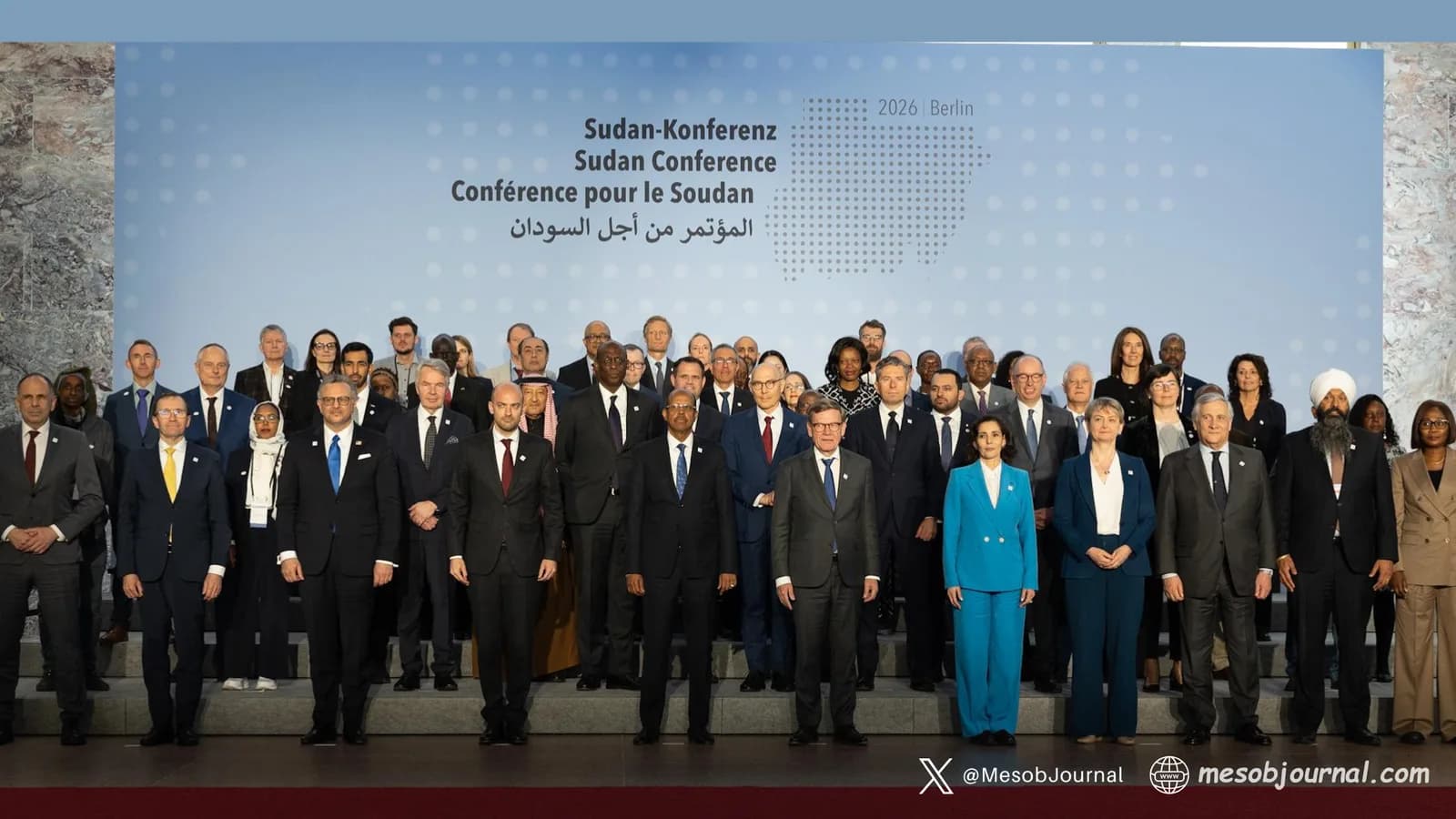
Berlin’s Sudan Conference Reeked of Colonial Tutelage
There was something deeply revealing about the Sudan conference staged in Berlin this week. It was presented as diplomacy. It was marketed as concern. It was wrapped in the language of humanitarian urgency and civilian-centered politics. But strip away the polished statements and
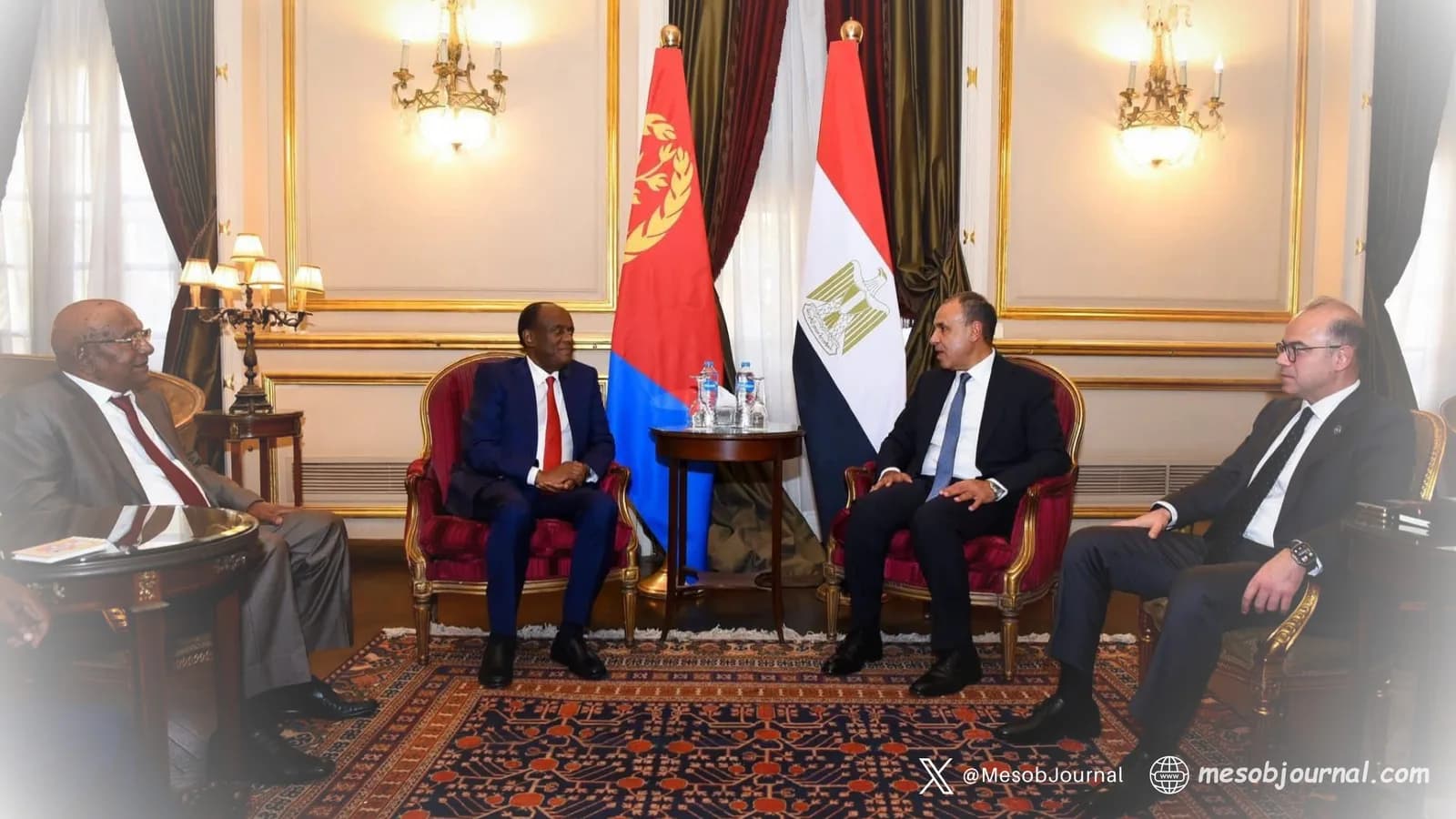
Cairo, Asmara Align on Trade and Red Sea Security
Egypt and Eritrea moved to deepen economic cooperation during high-level talks in Cairo on Monday, while also aligning on key regional issues including Sudan’s territorial integrity and Red Sea security. Egypt’s official readout said the meeting focused on trade, investment, indu
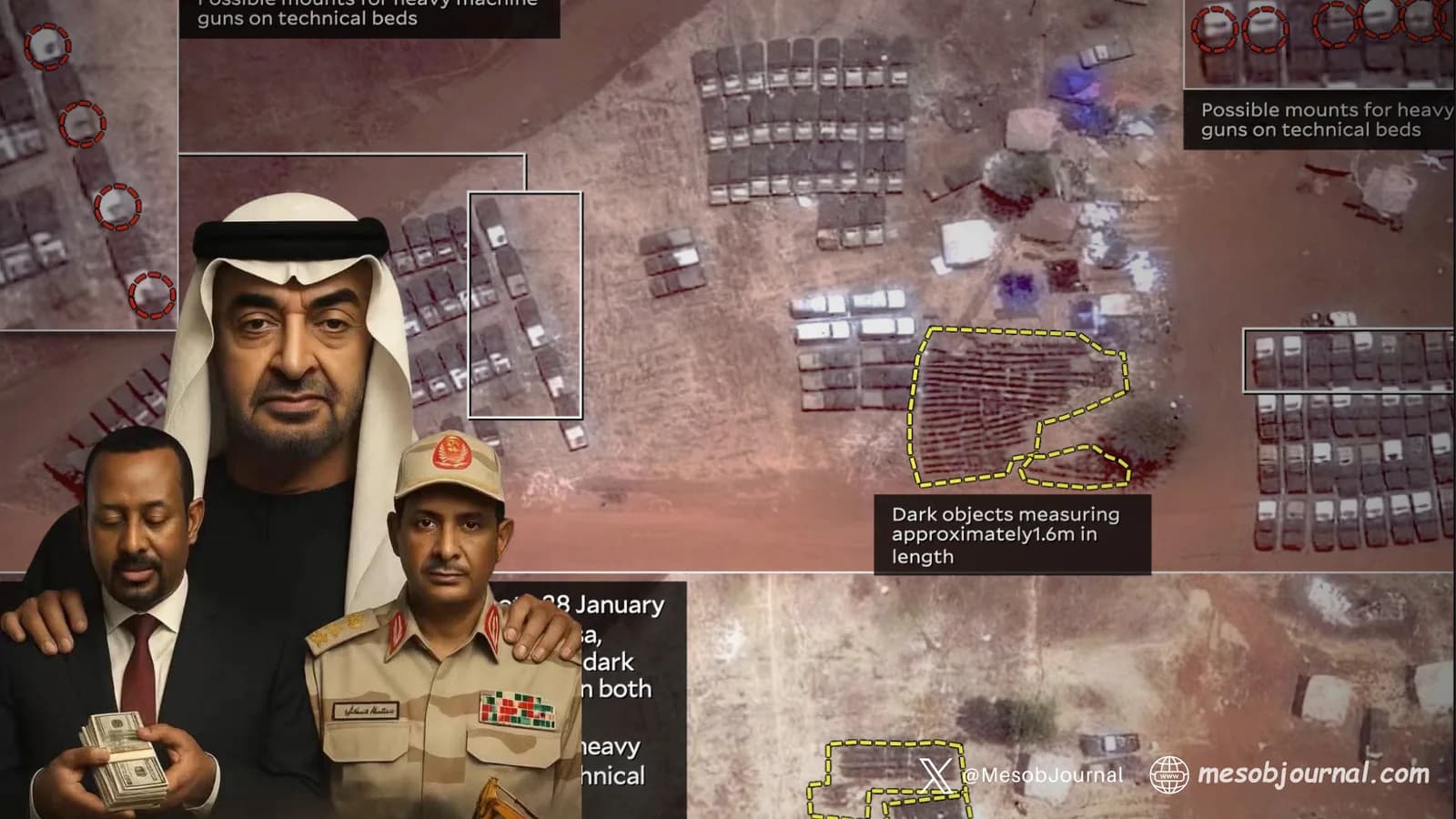
Abiy Ahmed’s Sudan Game Is Now in Plain Sight
The mask keeps slipping. A new report by Yale’s Humanitarian Research Lab says it has reached a high-confidence conclusion that military assistance to Sudan’s Rapid Support Forces is taking place inside an Ethiopian National Defense Force base in Asosa, in Ethiopia’s Benishangul-